Kidz Bop

Kids singing scrubbed-clean covers of the current Top 40, sold by TV commercials shouting "KIDZ BOP KIDS!" on a loop. You either begged for one or begged to make it stop—there was no third option.
Kidz Bop was created in 2001 by Cliff Chenfeld and Craig Balsam, the founders of the Razor & Tie label, with the first compilation arriving that October. The formula was ruthless in its simplicity: children sing sanitized covers of songs currently riding the Billboard charts—swear words swapped for nonsense syllables, anything edgy gently neutered—packaged behind relentless TV commercials and released as numbered volumes, over and over, forever.
The punchline is that it worked at historic scale. Kidz Bop racked up 22 top-10 debuts on the Billboard 200 by the mid-2010s—putting the brand on the all-time most-top-10-albums list in the company of the Rolling Stones, Barbra Streisand, the Beatles, and Bob Dylan—and sold more than 20 million albums. For 2000s kids it was the parents' car CD player and the commercial you can still hear; for parents it was a truce: the hits, minus the conversation about what the hits were saying. The volumes are still coming.
Similar items

Now That's What I Call Music!
The compilation-album franchise that dominated music retail in the 2000s, where rapid-fire TV commercials scrolled the entire current-radio tracklist, and every kid rushed to own the one disc that had everything on it. One CD, every hit on the radio — no allowance wasted on a single.

August and Everything After
Counting Crows' 1993 debut—rootsy, literate, and aching, with "Mr. Jones" inescapable on every radio and Adam Duritz's dreads on every MTV block. The album that lived in car CD players for the rest of the decade.

Columbia House
The mail-order music gamble that tangled millions in negative-option billing: "Get 12 CDs for a penny," then buy more albums at full price or face automatic charges. Columbia House was the trap that snapped shut after the free shipment arrived—and every kid who signed up under a fake name was trying to outsmart the system.
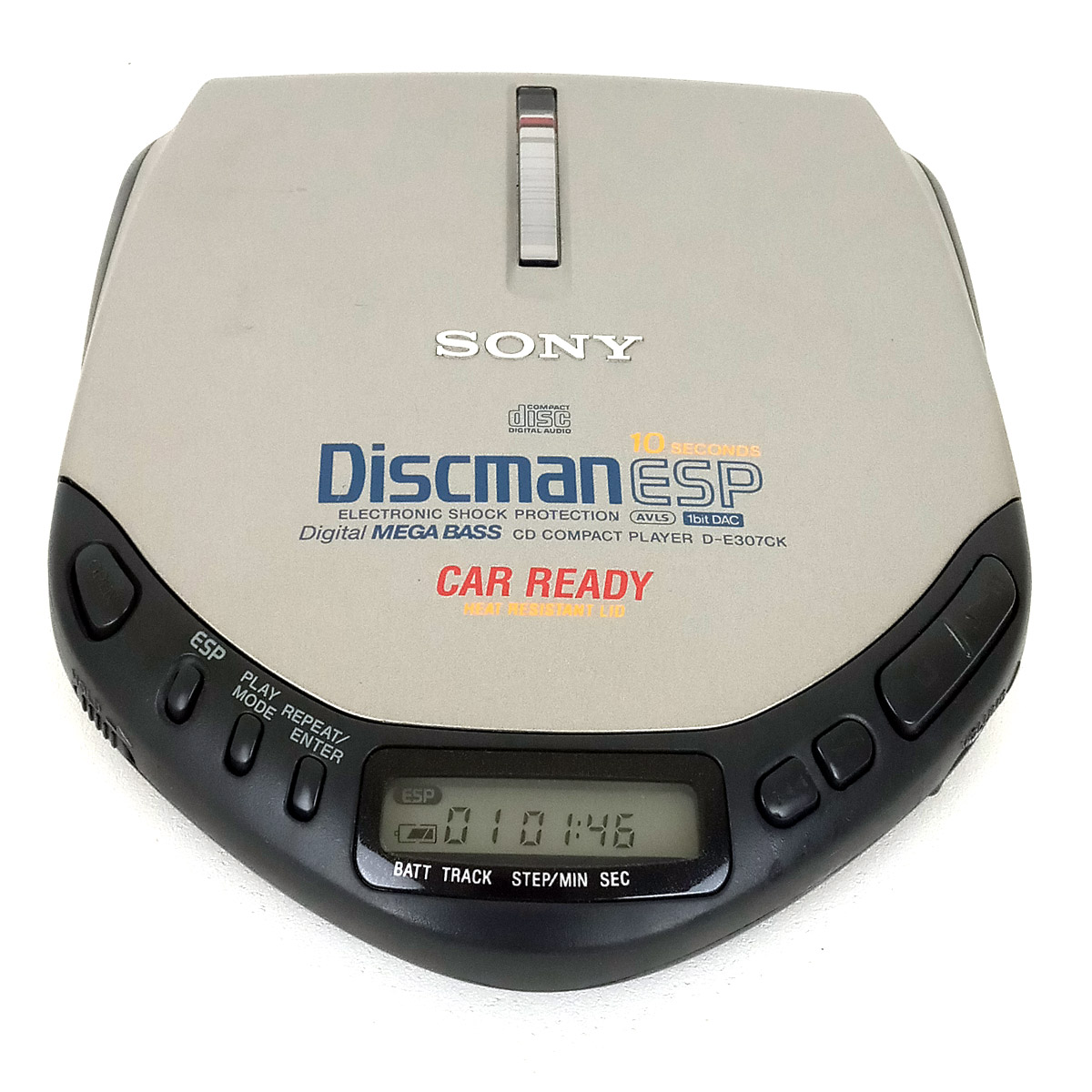
Discman & CD Binders
The ritual of portable CD life: a Sony Discman clipped to your waist or backpack, Electronic Skip Protection bragged on the box, and a zip-up CD binder holding exactly 24 discs — the ones that defined you. CD binders like Case Logic wallets replaced jewel cases, turning your music taste into curated, tangible proof of personality.