Dr. Dre — The Chronic

Dr. Dre's solo debut, released December 15, 1992, defined G-funk—whining synth leads over deep bass and laid-back drawl—and introduced Snoop Doggy Dogg to the world as the breakout star. The Chronic went multi-platinum, won a Grammy, hit #2 on the Hot 100 with 'Nuthin' but a 'G' Thang,' and reshaped the sound of hip-hop radio for the rest of the decade.
Dr. Dre's The Chronic, released on Death Row Records/Interscope on December 15, 1992, arrived as the sonic reinvention of West Coast hip-hop after N.W.A's fractious breakup. Producing almost everything himself, Dre constructed an album built on Parliament-Funkadelic DNA: deep analog bass, whining synthesizers that would define 'G-funk,' and a laid-back drawl that made aggression sound effortless. Snoop Doggy Dogg—then unknown, plucked from Long Beach obscurity—emerged as the album's defining featured voice and one of the most charismatic rappers of the era. Tracks like "Nuthin' but a 'G' Thang" (#2 on the Hot 100, built around a loop of Leon Haywood's 'I Want'a Do Something Freaky to You') and "Let Me Ride" became generation-defining songs.
The Chronic went multi-platinum, won the 1994 Grammy for Best Rap Solo Performance for "Let Me Ride," and established G-funk as hip-hop's dominant sonic template through the mid-90s. Dre's production became the most imitated sound in rap music; every West Coast label and many East Coast producers rushed to capture the album's swagger. The Chronic didn't just launch Snoop's career—it fundamentally rewired how mainstream hip-hop sounded. It remains a cornerstone album in West Coast hip-hop history and one of the most influential hip-hop releases of all time.
Similar items
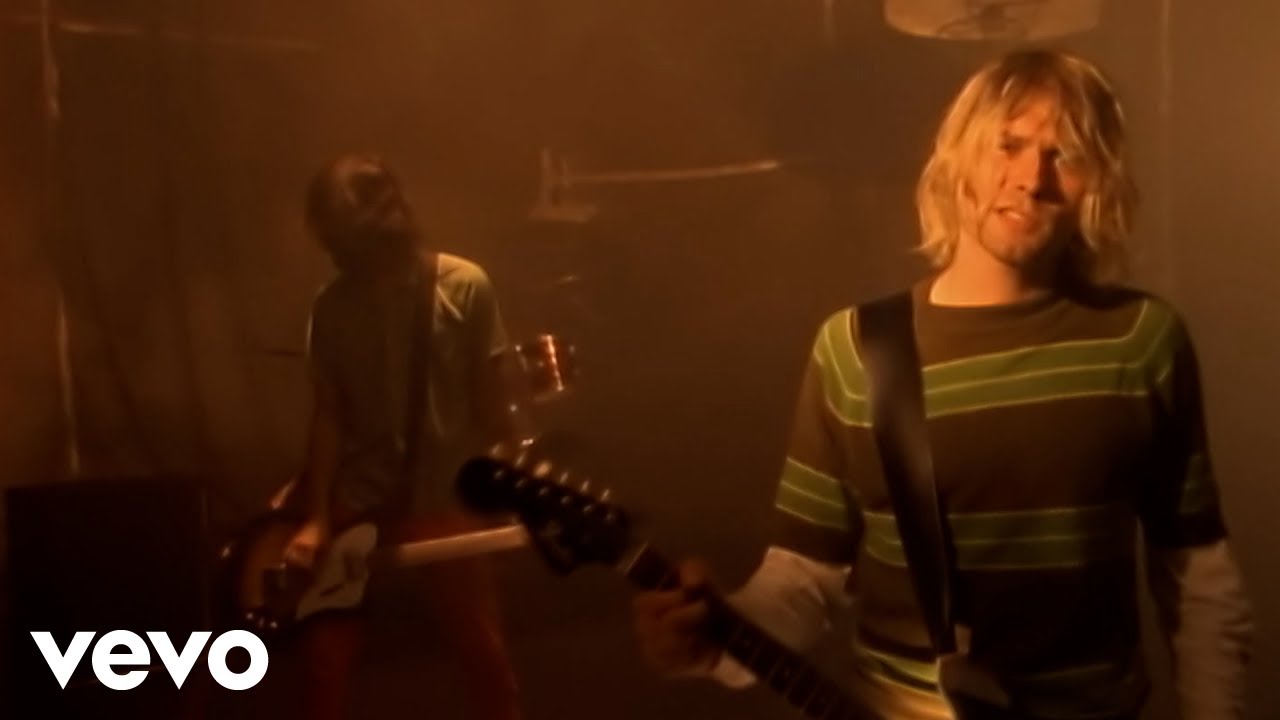
Nirvana
Kurt Cobain, Krist Novoselic, and Dave Grohl didn't invent grunge—but their 1991 album Nevermind accidentally blew it up worldwide, displacing Michael Jackson from #1 and making flannel shirts and angst the uniform of the decade.

MTV
MTV's 1990s golden era transformed the channel from music-video jukebox into a cultural force, with Total Request Live (TRL), The Real World, Beavis and Butt-Head, MTV Unplugged, and a rotation of music videos that defined the decade's soundtrack. Music Television delivered exactly what it promised: a place where youth culture, music, and rebellion converged on cable.
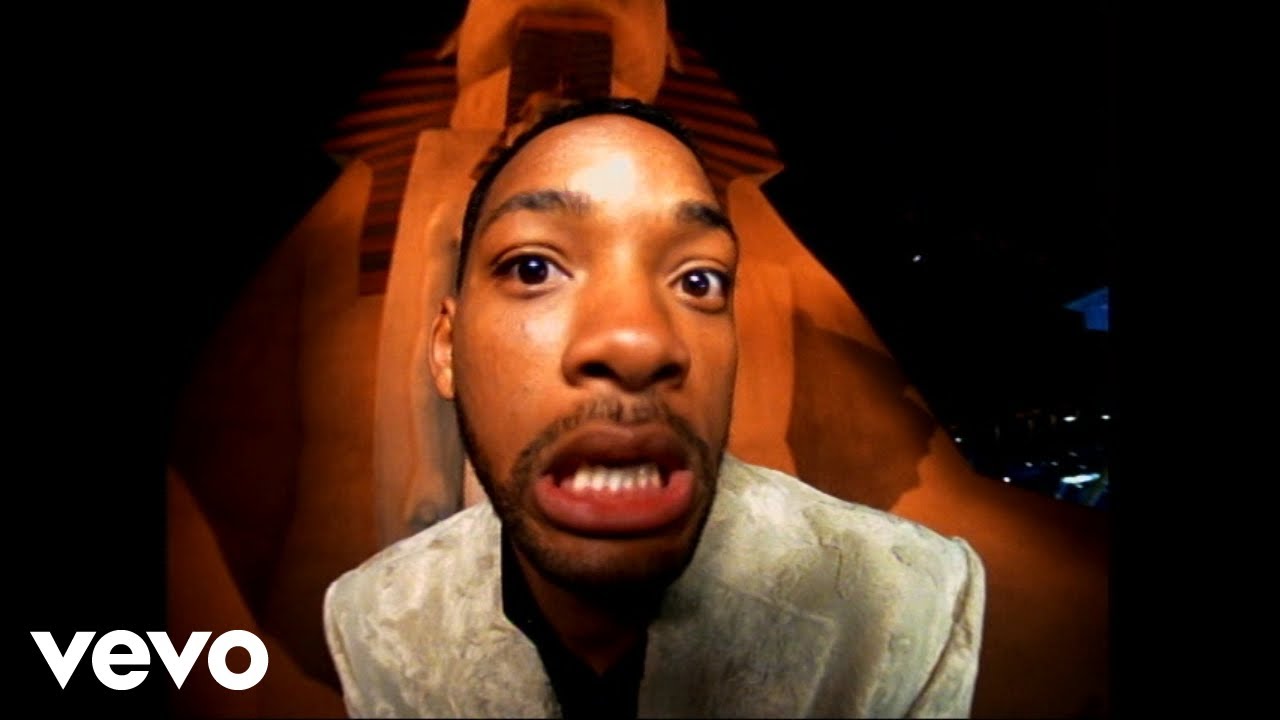
Will Smith
Fresh from his Grammy-winning rap career, Will Smith became the biggest movie star of the '90s—charismatic, relatable, and seemingly incapable of releasing a film that didn't top the summer box office. By 1999 he was untouchable.
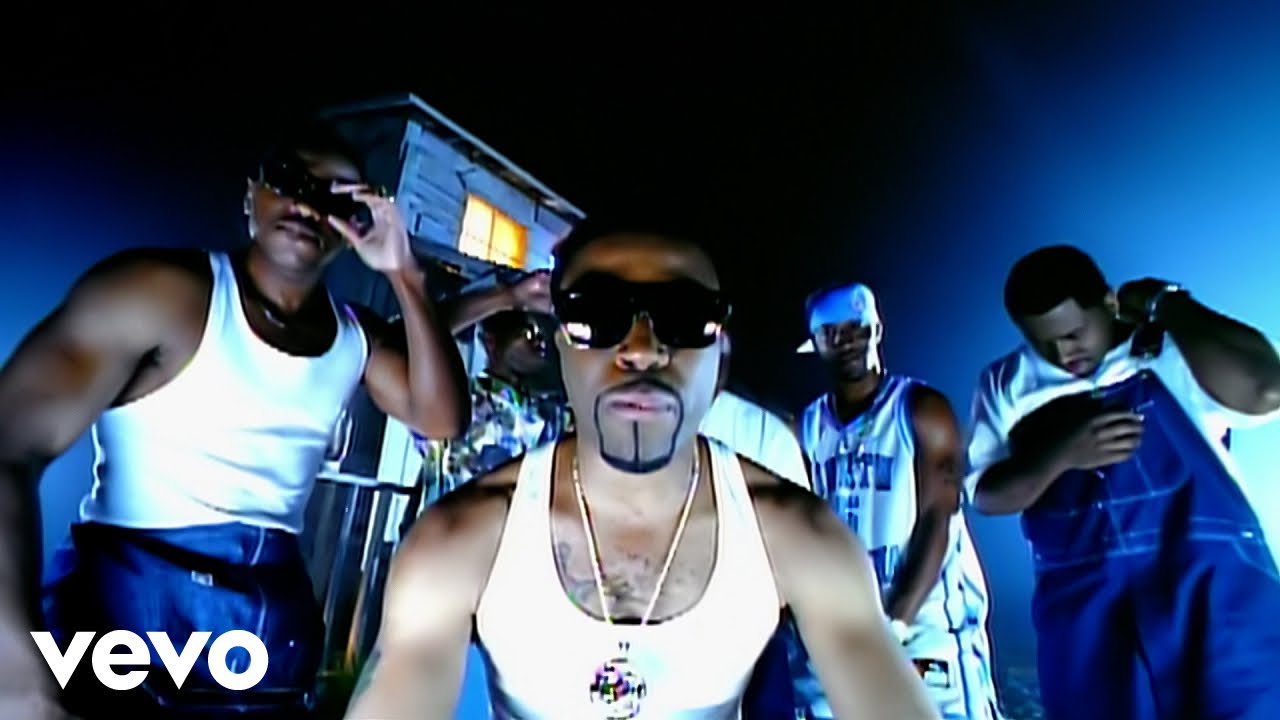
No Diggity
That piano loop, that Bill Withers sample, Dr. Dre's shoulder-brushing opening rap — 'No Diggity' was instant cool in 1996 and has never once stopped being cool since. Blackstreet's smooth-with-an-edge chart-topper is the 90s R&B song everybody still knows every word to.