Rihanna
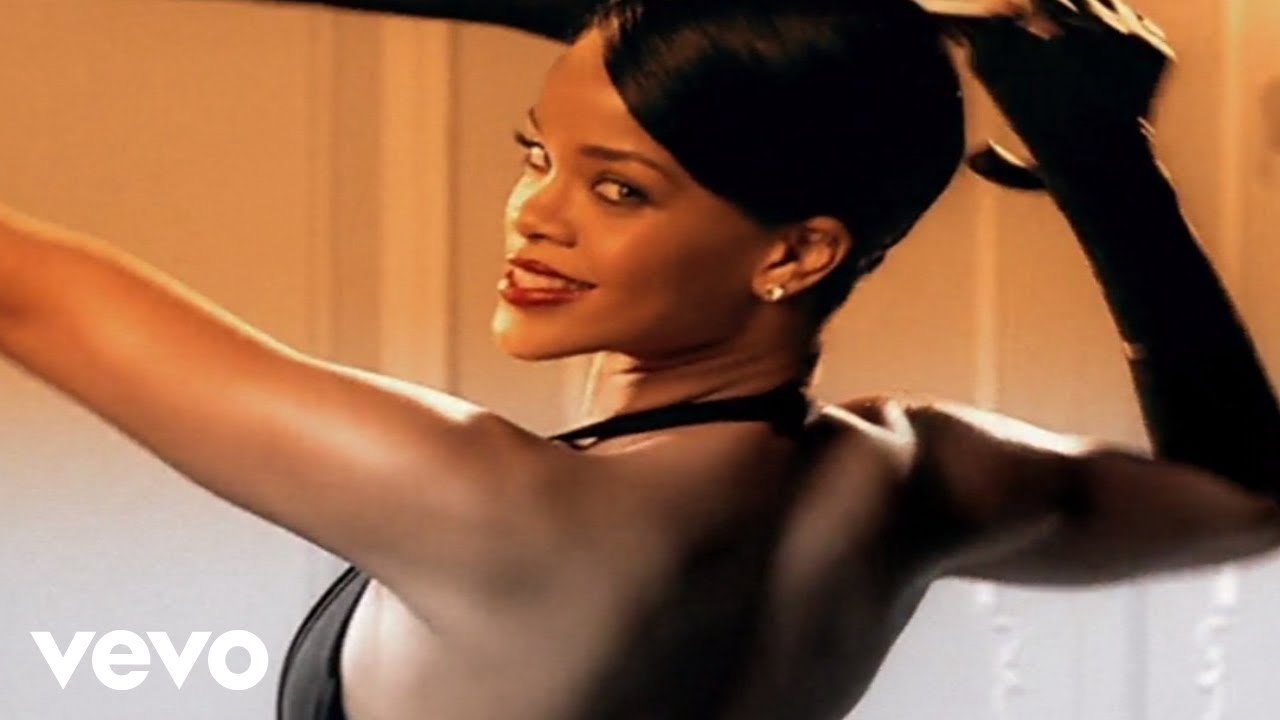
A teenager from Barbados who walked into a New York audition and walked out with a six-album deal, then spent the back half of the 2000s taking over pop radio. From the steel-drum bounce of 'Pon de Replay' to the umbrella-ella-ella hook that owned the summer of 2007, Robyn Rihanna Fenty went from island newcomer to global star before she turned 21.
Born February 20, 1988, in Saint Michael, Barbados, Robyn Rihanna Fenty was 16 when a demo reached Jay-Z, the newly installed president of Def Jam. At an early-2005 audition she sang for Jay-Z and L.A. Reid in a New York office; Reid's advice was not to let her leave the building without a deal, and she came away with a six-album contract. Her first single, 'Pon de Replay,' arrived that May and shot to No. 2 on the Billboard Hot 100, and her debut album 'Music of the Sun' followed in August 2005.
The breakthrough to the top came fast. 'SOS,' the lead single from 'A Girl Like Me' (April 2006), became her first No. 1 on the Hot 100. Then came the record that changed everything: 'Good Girl Gone Bad' (May 2007) and its lead single 'Umbrella,' featuring Jay-Z, which held No. 1 on the Hot 100 for seven straight weeks and topped the UK chart for ten. The 'under my umbrella, ella, ella' hook was inescapable, and the song won the Grammy for Best Rap/Sung Collaboration at the 50th Grammy Awards.
The hits kept landing: 'Disturbia' topped the Hot 100, and 'Take a Bow' (2008), its lyrics written by Ne-Yo with production by Stargate, did the same. This 2005–2009 run was the ascent — her most dominant years, and the transformation of pop stardom into something bigger, arrived in the 2010s, past the window this site covers. But by the end of the decade the newcomer from Barbados was already one of the biggest names in music.
Similar items
![Video thumbnail — Ne-Yo - Miss Independent [Official Video]](https://i.ytimg.com/vi/k6M5C-oKw9k/maxresdefault.jpg)
Ne-Yo
The guy who wrote some of the biggest R&B songs of the mid-2000s before his own voice became equally unavoidable. Ne-Yo went from invisible hitmaker to chart-dominating artist in one album cycle — and never stopped being both at once.

Jay-Z
Shawn Corey Carter rose from Marcy Projects hustler to rap's defining CEO, making the 2000s the decade when hip-hop conquered the boardroom. His Imperial period—from Hard Knock Life through The Black Album and beyond—turned street rap into stadium singalongs and Grammy gold. Jay-Z didn't just make hits; he made an industry, proving rappers could own their own records and empires. The 2000s belonged to him.

"Weird Al" Yankovic
The king of musical parody, Alfred Matthew Yankovic turned accordion jokes and lyrical hijinks into a decade-long MTV empire. He made fun of the songs everyone loved—and everyone watched him do it.
50 Cent
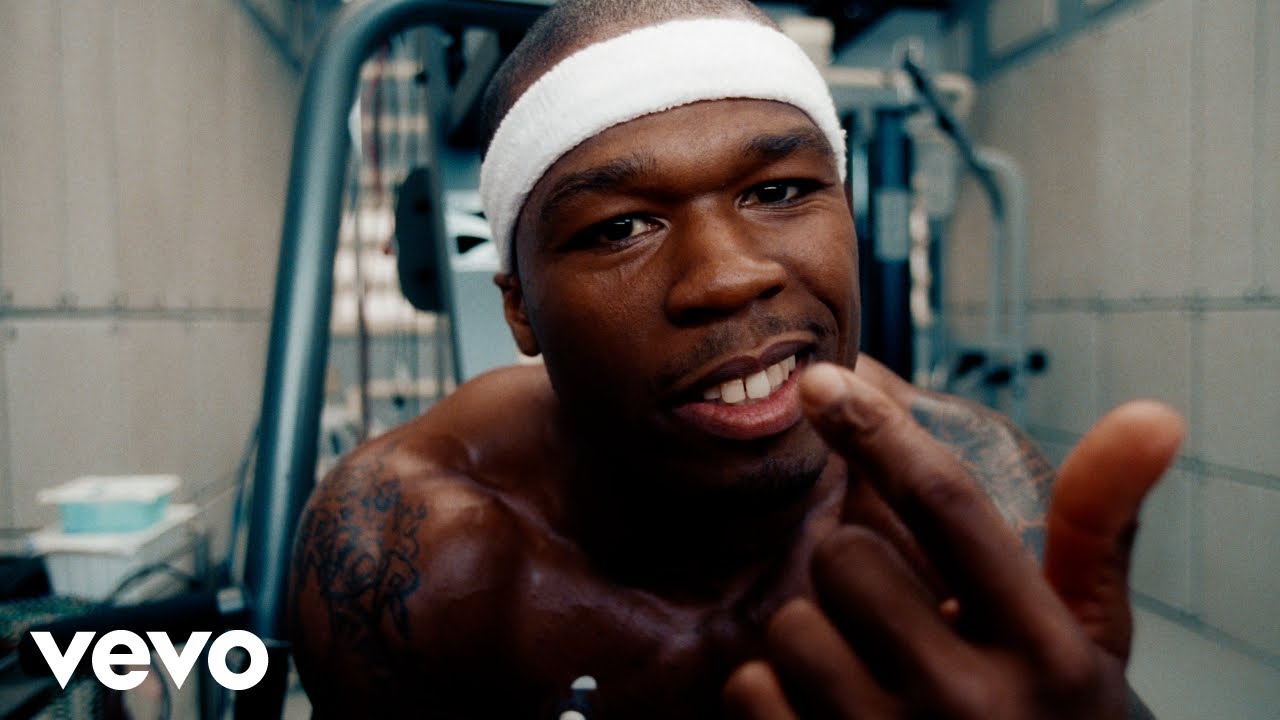
The Queens mixtape king who survived being shot nine times, got signed by Eminem and Dr. Dre, and turned his bulletproof origin story into one of the biggest rap debuts of the decade. For a few years in the mid-2000s, 'In da Club' and 'Get Rich or Die Tryin'' were everywhere, and 50 Cent was the most bankable name in hip-hop.