Dragon Ball Z

The after-school anime that taught a generation of American kids the words "Super Saiyan." Adapted from Akira Toriyama's manga and animated by Toei, Dragon Ball Z turned multi-episode power-ups, screaming energy charges, and glowing gold hair into appointment television — most of all on Cartoon Network's Toonami block.
Dragon Ball Z ran in Japan on Fuji TV from April 1989 to January 1996, spanning 291 episodes. It reached the United States on September 13, 1996 in first-run syndication, in a heavily edited dub produced by Funimation with a Vancouver-based Ocean Studios cast. Ratings were decent but the syndication deal was scaled back, and the original American run stalled after two seasons in 1998.
The show's real explosion came through Cartoon Network's Toonami block. Reruns began there in August 1998 — the block's iconic robot host TOM arrived the following summer — and Funimation resumed the dub in-house with a new Texas cast and Bruce Faulconer's replacement score. New dubbed episodes aired from September 13, 1999 to April 7, 2003, and DBZ became a phenomenon — in the week ending September 22, 2002 it was the number-one program on all of television among tweens and among boys aged 9 to 14.
What kids remember is the ritual: the Toonami countdown after school, villains and heroes charging up for entire episodes, and the dub's most quotable line — Vegeta reading a power level and yelling "It's over 9,000!" The franchise never really left, spawning Dragon Ball GT, Kai re-edits, and Dragon Ball Super, but the Toonami-era Z is the version burned into American memory.
Similar items

Toonami
Cartoon Network's action block where a generation of American kids met anime. Hosted first by Moltar, then by TOM — the robot captain of the Absolution — it made Dragon Ball Z and Sailor Moon after-school rituals and treated its young audience like the stories mattered.

Pokémon Red & Blue
Nintendo's Game Boy sensation that turned playground trading into a global phenomenon. Pokémon Red and Blue made 1998 the year school ceased all productive function in the pursuit of catching 'em all.

Yu-Gi-Oh! Cards
Konami's trading card game swept US schoolyards in the early 2000s, rivaling Pokémon for card-game dominance. Players dueled with powerful monsters — Blue-Eyes White Dragon, Dark Magician, and the feared five-piece Exodia combo — and the phrase "It's time to duel!" echoed through lunch periods. Teachers confiscated decks, and schools debated bans.
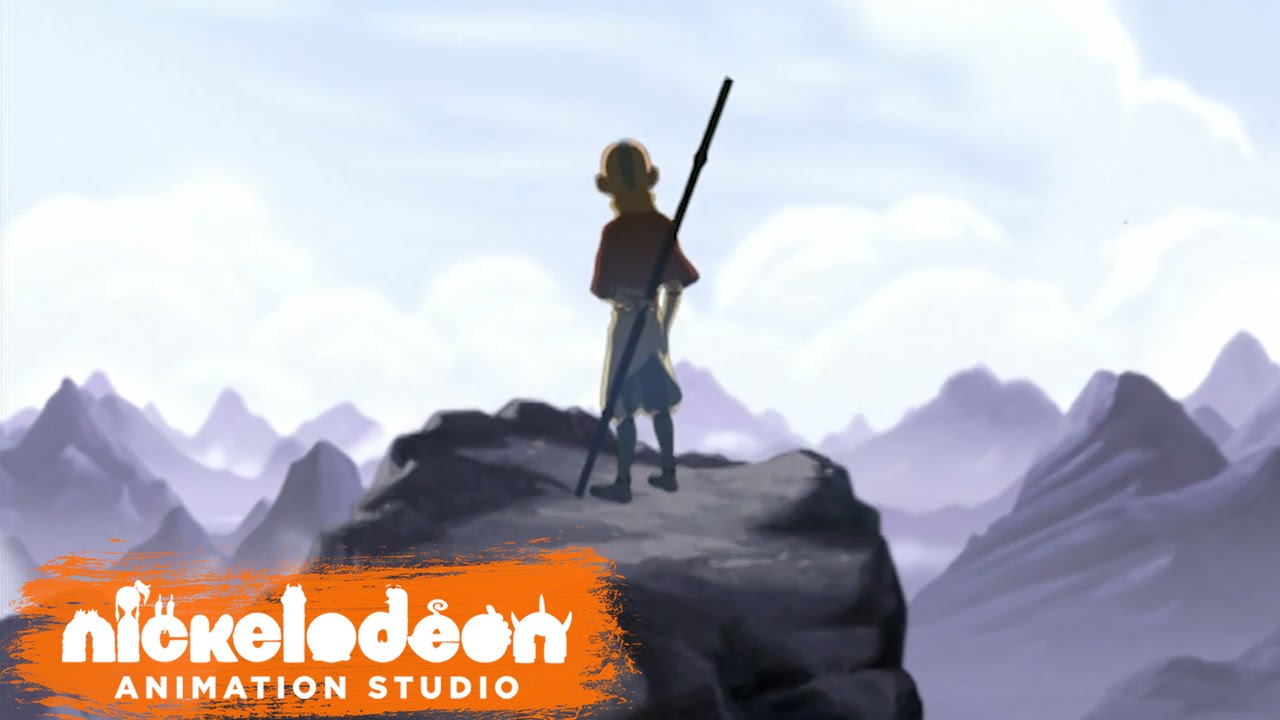
Avatar: The Last Airbender
Nickelodeon's animated epic about the last Airbender and a world where people bend the four elements. The show's serialized storytelling, humor, and character arcs (especially Zuko's redemption) proved surprisingly mature and acclaimed for kids' television. It ran three seasons from 2005 to 2008 and spawned an enduring fandom.