The Magic School Bus

Ms. Frizzle's class rode the Magic School Bus into the bloodstream, through outer space, and into a volcano—all while learning science in four seasons of PBS's most unforgettable animated series. Lily Tomlin's fearless teacher and Bruce Degen's original illustrations made learning an adventure, and every kid left knowing 'Take chances, make mistakes, get messy!'
The Magic School Bus debuted on PBS in September 1994, adapted from the bestselling Scholastic book series written by Joanna Cole and illustrated by Bruce Degen. The show ran for four seasons and 52 episodes through 1997, becoming a staple of classroom viewing and afterschool TV. Lily Tomlin voiced Ms. Frizzle, the eccentric teacher whose red school bus could shrink, fly, or submerge into any environment—a device that allowed the show to venture into the human circulatory system, the Arctic tundra, the depths of the ocean, and the rings of Saturn.
What made the show revolutionary was its dedication to accuracy layered beneath the fantastical premise: every field trip was a genuine lesson. The class traveled inside a beehive and ventured deep into the Earth's crust—all while the show wove educational content into natural dialogue and problem-solving. 'Take chances, make mistakes, and get messy!' became the unofficial motto of 90s science education. Reruns never stopped airing, and the show remains so beloved that Netflix launched a revival in 2017.
Similar items

Scholastic Book Fairs
The ritual: your school gym transforms overnight into a pop-up bookstore of rolling display cases, and you wander the aisles with a wish list and a budget. Scholastic Book Fairs dominated the 90s market, though what kids actually bought — glittery gel pens, novelty pencils, poster books — often had nothing to do with the Goosebumps stacks they wandered past.

Goosebumps
R.L. Stine's mass-produced horror series for kids, where every book's drippy cover could stop your heart in the school library. Goosebumps sold roughly 4 million copies a month at its mid-90s peak and by 1996 accounted for nearly 15% of Scholastic's entire revenue.
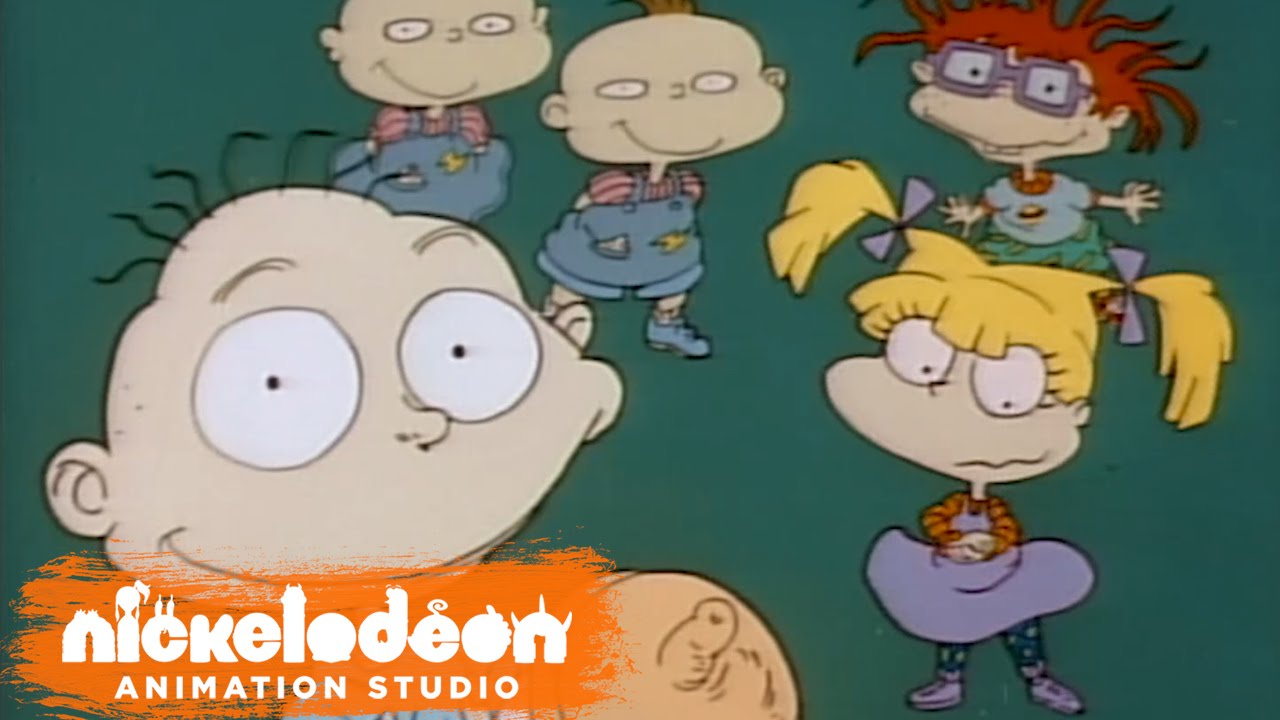
Rugrats
Nickelodeon's 1991 animated series gave the world the Pickles household — a group of talking babies narrating their daily adventures and misadventures with brilliant, absurdist humor. Rugrats proved that cartoons for kids didn't need to be dumbed down; the show's clever writing and wild imagination made it appointment TV for 90s kids and their parents.

Mr. Wizard's World
Don Herbert's calm, deadpan science show where the magic was real: dry ice, eggs pulled into bottles, chemistry that made sense. Each episode, Mr. Wizard sat down with a rotating kid assistant and made the world work. No costume, no cartoon, no nonsense — just a patient man and genuine wonder.