Sex and the City

Four single women navigate New York nightlife, relationships, and Manolo Blahnik shoes. HBO's June 1998 breakout became the defining show of female friendship and the cosmopolitan—literally.
Developed for television by Darren Star from Candace Bushnell's New York Observer column (later a book), Sex and the City premiered on HBO on June 6, 1998. The show followed four single women in Manhattan: sex columnist Carrie Bradshaw (Sarah Jessica Parker), whose voice-over narrated each episode, and her friends Samantha Jones (Kim Cattrall), Charlotte York (Kristin Davis), and Miranda Hobbes (Cynthia Nixon). The formula was simple and addictive: friendship, dating, work, and the occasional philosophical reckoning over cocktails.
Carrie's romantic entanglement between Mr. Big (Chris Noth) and Aidan Shaw (John Corbett) became a national debate that transcended television. Manolo Blahnik heels and Cosmopolitan cocktails transformed into cultural shorthand. The show won the Primetime Emmy for Outstanding Comedy Series in 2001 and accumulated 7 Emmys and 8 Golden Globes across its 94-episode run. Over six seasons (1998–2004), it redefined television's portrayal of female sexuality and independence—a rare mainstream show centered on women's desire and agency.
After the series finale in February 2004, Sex and the City continued as a 2008 feature film that grossed approximately $418.8 million worldwide, proving the characters' cultural staying power. But the 1998–2004 run remains the show's artistic peak: four women, one city, and conversations that felt like eavesdropping on your sharpest friends.
Similar items

The Sopranos
Tony Soprano walks into a psychiatrist's office with panic attacks—and changed television forever. HBO's landmark 1999 drama paired mob violence with suburban therapy, making prestige TV a thing.
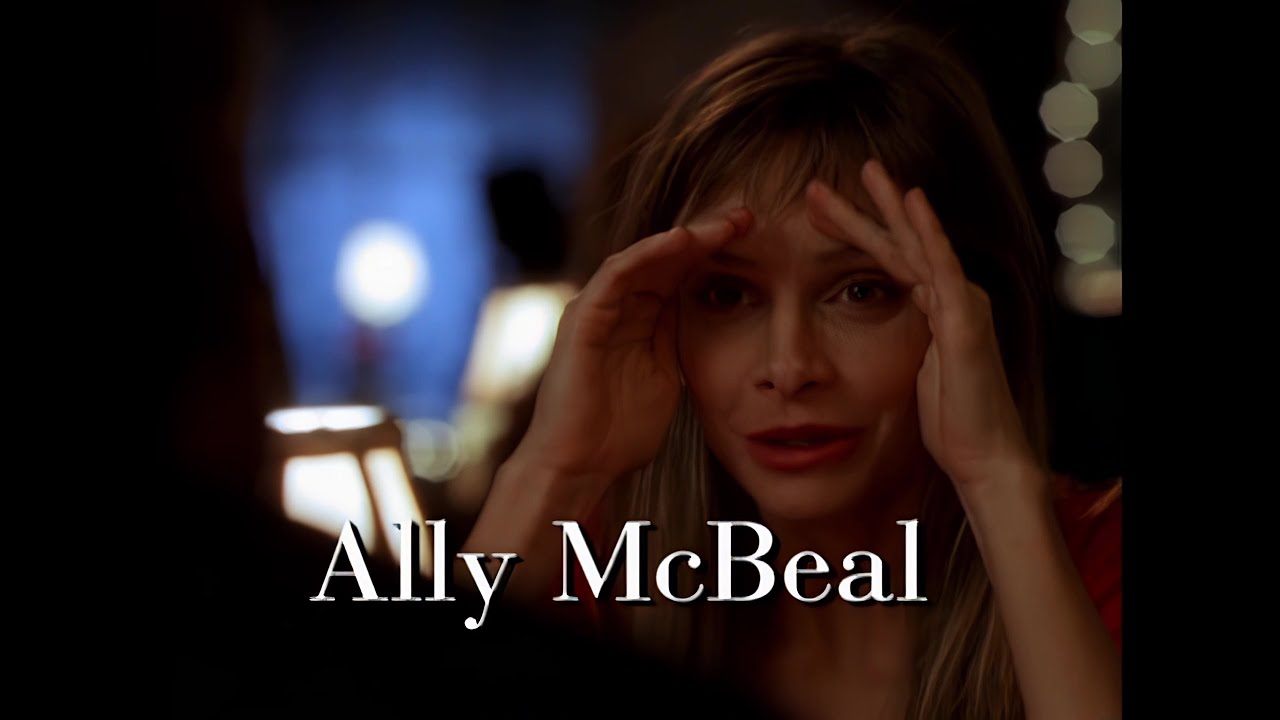
Ally McBeal
A neurotic Boston lawyer's inner life plays out as bizarre fantasies at Fox's weirdly winning legal dramedy. The dancing baby became one of the internet's earliest viral images; the show became a feminist flashpoint.

Eastbound & Down
A profane, darkly funny HBO series about a washed-up baseball pitcher who returns to his hometown with nothing but a mullet and monumental delusions. Created by Danny McBride (who also stars), it turned small-town mediocrity into comedy gold.

Entourage
One movie star, his three guys from Queens, and the super-agent screaming them all toward the top. Entourage was HBO's mid-2000s fantasy of Hollywood — Maseratis, premieres, Malibu — and Jeremy Piven's Ari Gold turned "let's hug it out" into the decade's boardroom catchphrase. Aspiration as entertainment, and for a few years it absolutely worked.