Babylon 5
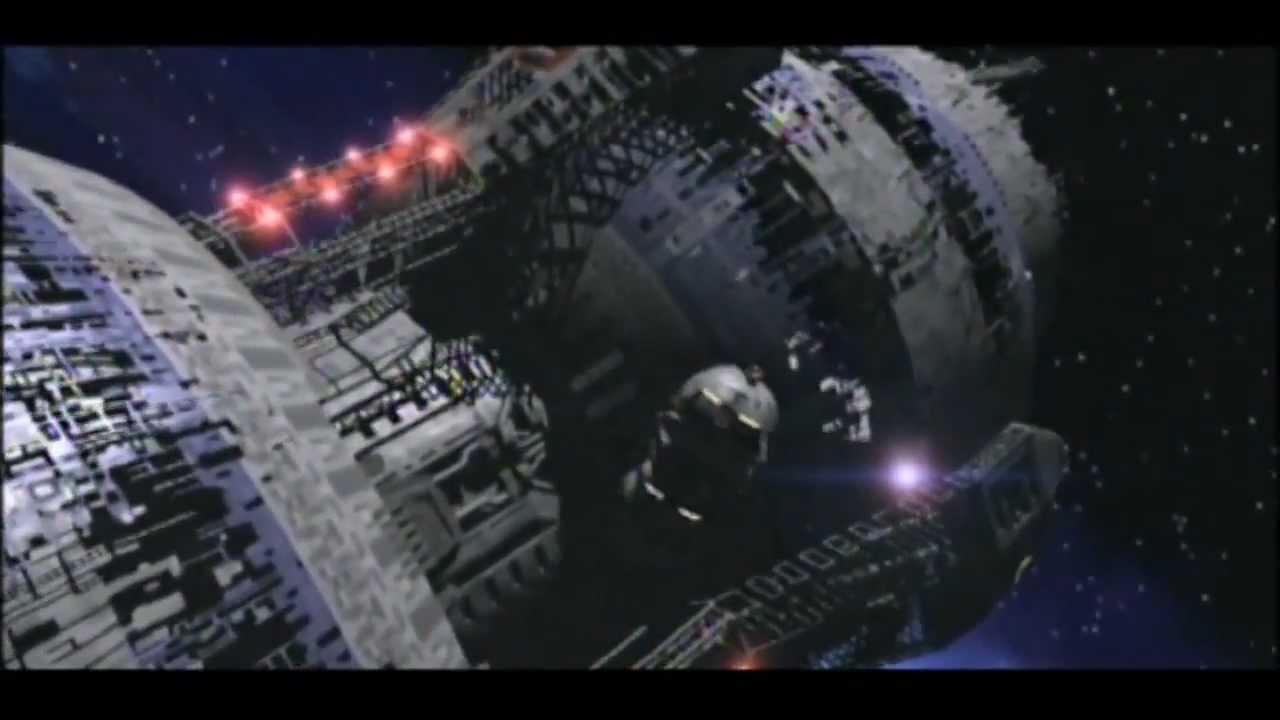
Before serialized television was the norm, J. Michael Straczynski pitched a "novel for television" — one five-year story with a planned beginning, middle, and end, most of it written by him alone. Babylon 5 was the scrappy syndicated space station that proved appointment sci-fi didn't need a Trek badge.
The pilot movie "The Gathering" aired on February 22, 1993, introducing a space station in neutral territory where humans, Centauri, Narn, and other species uneasily kept the peace. The series proper ran from January 26, 1994 to November 25, 1998 — five seasons and 110 episodes, planned from the start as a single five-year story years before serialized arcs became the American default. Creator J. Michael Straczynski's commitment was the stuff of legend: he wrote 92 of the 110 episodes, including every one of the 44 across seasons three and four, a feat without precedent in American television.
The show survived on grit. It aired on the syndicated PTEN network, and when PTEN folded, TNT rescued the fifth season to let the story finish. It was a technical pioneer too: Foundation Imaging created the space battles for the pilot and first three seasons — desktop CGI born on Amiga-based Video Toasters, with LightWave 3D on ordinary workstations carrying the load as the toolchain evolved — and earned an Emmy for the pilot's effects; Netter Digital produced the effects for the final two seasons.
The emotional heart belonged to Londo Mollari (Peter Jurasik) and G'Kar (Andreas Katsulas), the Centauri and Narn ambassadors whose entwined fall and redemption became one of television's great tragic pairings. Recognition came in back-to-back Hugo Awards: "The Coming of Shadows" won in 1996 and "Severed Dreams" in 1997. And the asterisk fans still argue about: Straczynski had pitched Babylon 5 to Paramount in the late 1980s, and the parallel arrival of Deep Space Nine — another serialized space-station drama — has fueled a never-settled debate ever since. Whatever the truth, both shows pushed TV storytelling forward.
Similar items

Star Trek
The franchise that started in 1966 hit its cultural zenith in the 1990s, when two series aired simultaneously, a film franchise thrived alongside them, and Trek's technobabble and ethics debates penetrated the mainstream. From TNG's syndication dominance to Voyager's network-launching premiere, Star Trek was inescapable.

The X-Files
Fox's paranoia engine: FBI agents Mulder and Scully investigating UFOs, monsters, and government cover-ups one case file at a time. Created by Chris Carter, The X-Files turned "I Want to Believe" into a mantra and proved that prime-time TV could do serialized mythology decades before the streaming age demanded it.
The Adventures of Brisco County, Jr.
Bruce Campbell's chin under a cowboy hat: a Harvard-educated lawyer turned bounty hunter, an outlaw gang to catch, and a mysterious golden Orb granting superhuman strength. Fox gave it one Friday-night season — viewers voted to save it in TV Guide's poll, and Fox canceled it anyway. The cult never let go.

7th Heaven
The WB's gentlest family drama: Reverend Eric Camden and his wife Annie raising seven kids in fictional Glen Oak, California. Every episode was a moral crossroads—dating, drugs, peer pressure, faith—and families watched it together. For a decade it was the show your parents approved of, and it made Jessica Biel a star.