Pokémon (Animated Series)
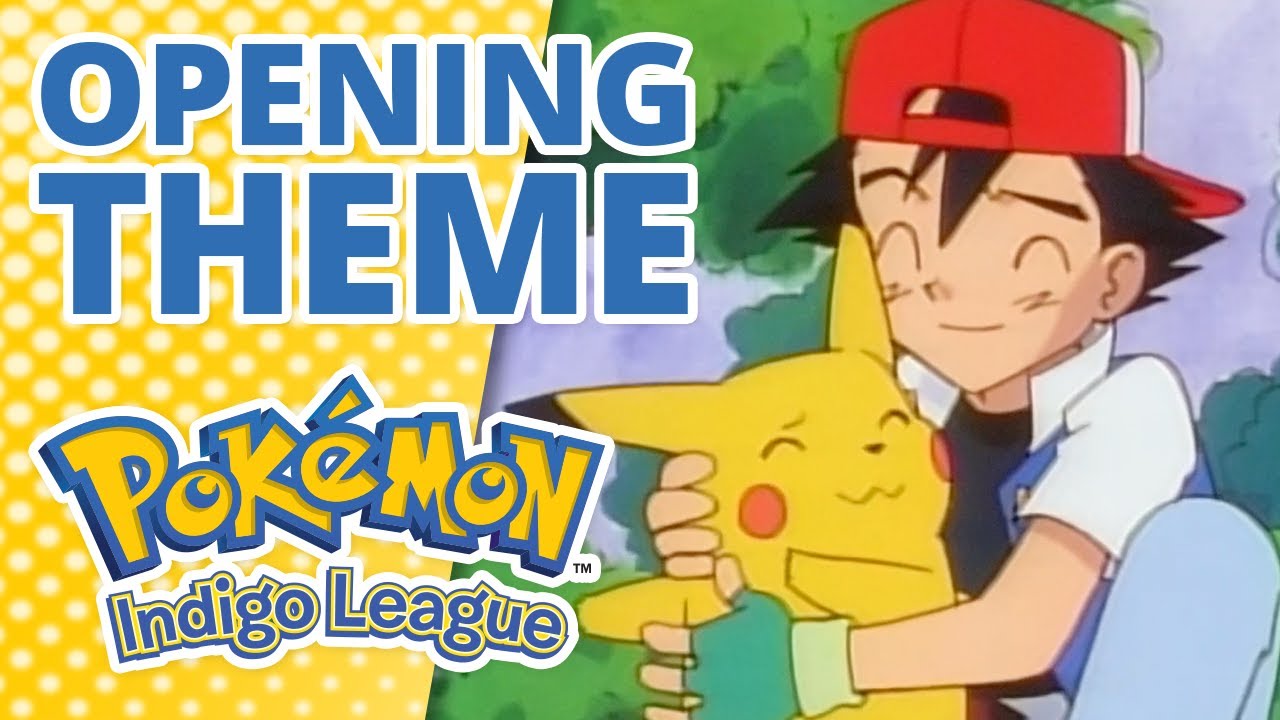
Ash Ketchum's journey to be the very best became a national obsession when the 4Kids English dub hit US syndication in 1998 and moved to Kids' WB in 1999. Pokémon wasn't just a show — it was your Saturday morning, your lunch-table trading-card argument, and one organism with the Game Boy games on every playground in America. Team Rocket blasting off again was the ritual you tuned in for, every single week.
The anime debuted in Japan on April 1, 1997 on TV Tokyo, riding the wave of the Game Boy games. It introduced Ash Ketchum of Pallet Town and his partner Pikachu, traveling with Misty and Brock, battling gym leaders through the Indigo League — with Team Rocket's Jessie, James, and Meowth chasing them and getting sent "blasting off again" every episode. 4Kids Entertainment licensed the series and dubbed it into English for American audiences.
The dub premiered in US first-run syndication on September 8, 1998, landing on kids already primed by the games, and moved to Kids' WB as a Saturday-morning anchor in February 1999. The English "Pokémon Theme" — sung by Jason Paige, written by John Siegler and John Loeffler, recorded in four hours — opened with "I wanna be the very best" and became a playground mantra virtually synonymous with the franchise itself.
The show's infamous chapter came before America even met it: on December 16, 1997, the Japanese episode featuring Porygon used a strobing flash effect (from Pikachu's attack) that sent 685 children to hospitals with seizures and seizure-like symptoms. The episode never aired outside Japan, surviving abroad only as urban legend — the episode everyone had heard about and no one had seen.
Then came the movie. Pokémon: The First Movie opened in US theaters on November 10, 1999 and earned $10.1 million on its opening Wednesday — a day schools remember for waves of "Pokéflu" absences — then $31 million over the weekend and $50.8 million in its first five days, Warner Bros.' biggest animated-film opening to that point. It finished with about $85.7 million domestic and roughly $172.7 million worldwide, proof the show had outgrown television entirely.
The series never stopped: over 1,300 episodes and counting since 1997. But the memory most people carry is that window from 1998 to 2002, when the anime, the trading cards, and the Game Boy cartridges were one single living thing — impossible to separate, impossible to escape, impossible to forget.
Similar items

Pokémon Red & Blue
Nintendo's Game Boy sensation that turned playground trading into a global phenomenon. Pokémon Red and Blue made 1998 the year school ceased all productive function in the pursuit of catching 'em all.

Pokémon Trading Card Game
Trading cards that turned every backpack into a vault and every playground into a market. Pokémon cards hit US schools in 1999 and became instant contraband — the holographic Charizard was the mythical grail, and somehow every kid in your class claimed to have a mint copy.

Pokémon Yellow
The 'Special Pikachu Edition' of Pokémon that let you start with the anime's poster mouse instead of Bulbasaur or Squirtle. Unlike Red and Blue, Pikachu followed you on screen instead of riding in its Poké Ball, and its mood changed based on how you treated it—making you actually care if your electric mouse was happy.

Game Boy Color
Nintendo's leap to color: the Game Boy Color arrived in 1998 painting 56 colors on screen at once, with full backward compatibility with original Game Boy games. The screen upgrade alone made Pokémon finally pop in actual colors, and the GBC became essential playground hardware.