Zoom by Istvan Banyai

The fever-dream Nickelodeon interstitial that pulled back and back forever — each image revealed to be a tiny detail inside a bigger one, pulling back until the whole world shrinks away. A strange, hypnotic minute wedged between the goofier bumpers.
"Zoom" was a mid-1990s Nickelodeon interstitial by the illustrator Istvan Banyai. Instead of a gag, it offered a single unbroken camera move — a continuous pull-back in which whatever you were looking at kept turning out to be one small piece of a much larger picture, on and on until the whole world shrank away beneath you.
The short adapted Banyai's 1995 wordless picture book Zoom (Viking), which worked the same trick page by page and became a quiet phenomenon — published in eighteen languages and named a best book of the year by both The New York Times and Publishers Weekly. Translating its endless zoom into motion made it perfectly suited to the between-shows slot.
Banyai (1949–2022) was a Hungarian-American illustrator whose work ran in The New Yorker and beyond, and who produced animated shorts for Nickelodeon and MTV Europe. Amid a schedule full of slime and slapstick, "Zoom" stood out for its calm, dreamlike strangeness — the kind of thing a kid half-remembered for years afterward without ever knowing what it was called.
Similar items

Nickelodeon Bumpers
The wacky five-to-thirty-second interstitials wedged between shows — the orange splat that could be anything, the goofy stop-motion and live-action idents, and the sung "Nickelodeon" jingle. There were a million of them, and 90s kids remember them as fondly as the shows.

SNICK
Saturday Night Nickelodeon — the legendary two-hour Saturday-evening programming block that launched in 1992. SNICK was must-watch weekend TV for 90s kids, featuring shows like Clarissa Explains It All, Are You Afraid of the Dark?, All That, and Kenan & Kel, with the iconic orange-couch bumper.
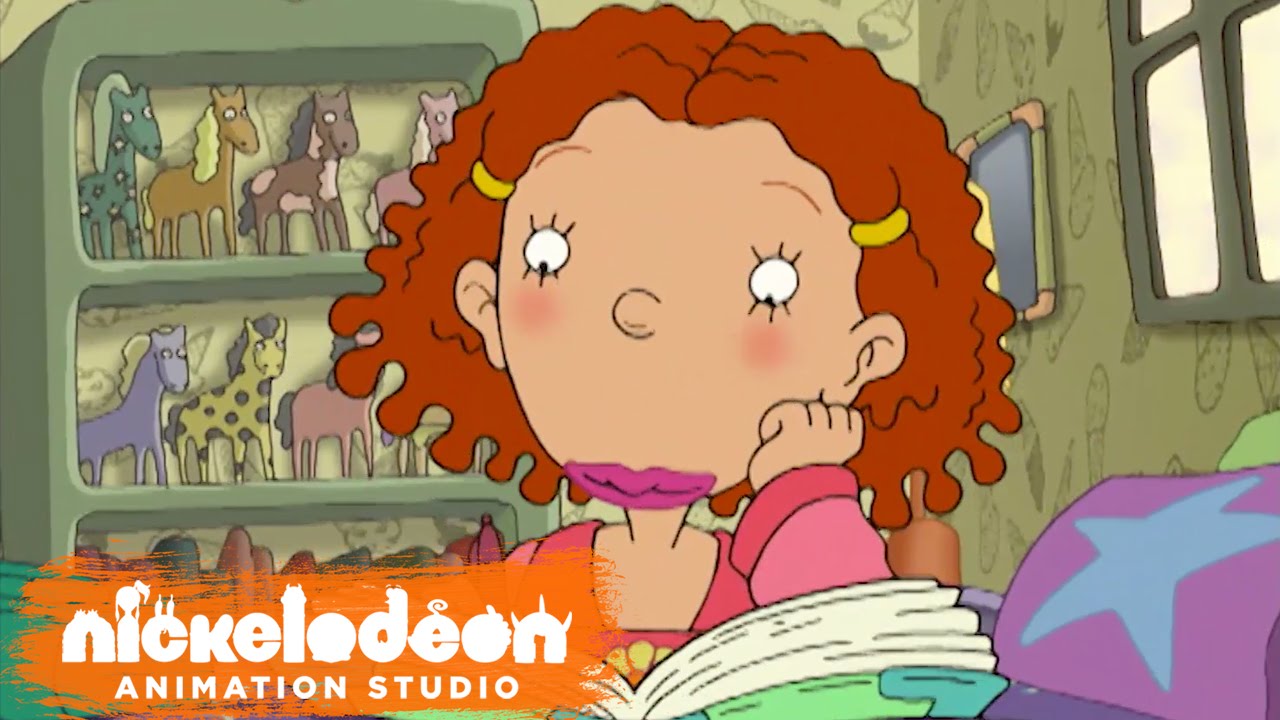
As Told by Ginger
The Nicktoon that took middle school seriously — Ginger Foutley navigating the popularity food chain while her characters did something almost no cartoon characters did: aged, grew, and actually changed their clothes.
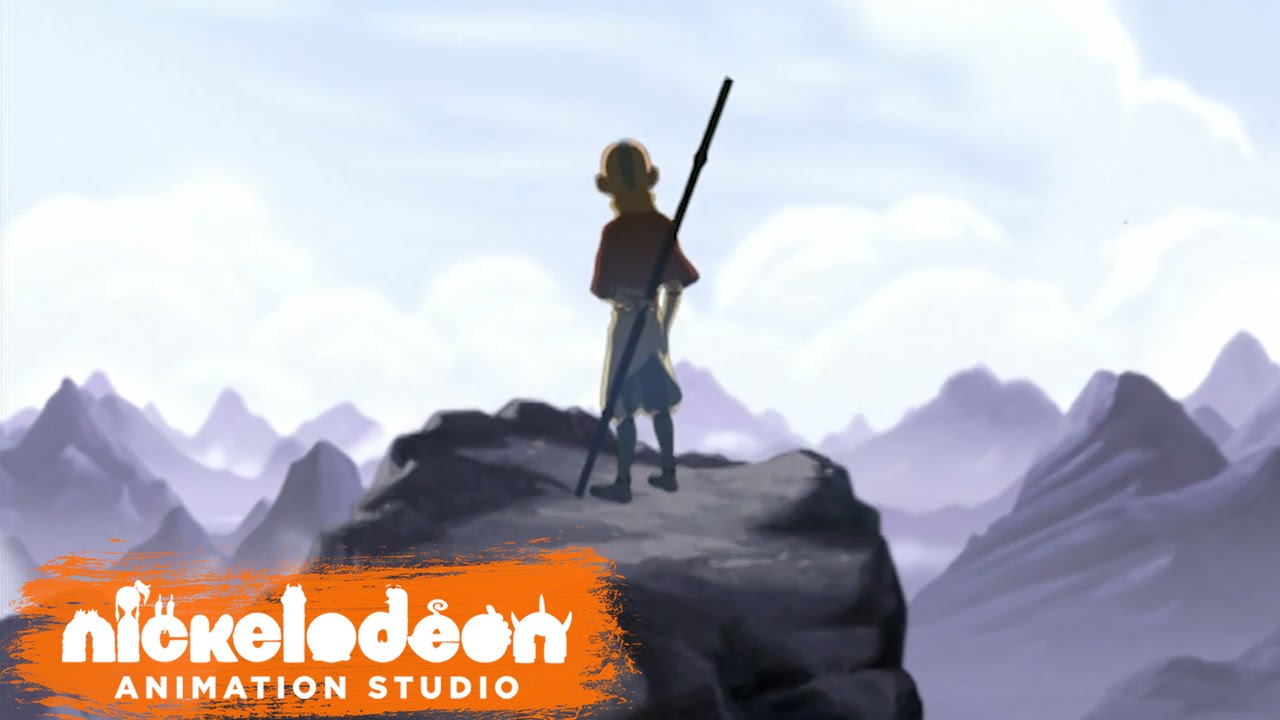
Avatar: The Last Airbender
Nickelodeon's animated epic about the last Airbender and a world where people bend the four elements. The show's serialized storytelling, humor, and character arcs (especially Zuko's redemption) proved surprisingly mature and acclaimed for kids' television. It ran three seasons from 2005 to 2008 and spawned an enduring fandom.