UPN

The United Paramount Network launched in January 1995 on the back of a Star Trek premiere that drew 21 million viewers — a number it spent the next eleven years chasing. UPN was scrappy, ambitious, and chronically broke, but it gave us Voyager, Moesha, SmackDown, and Buffy's final seasons — and in your town it wasn't "UPN," it was UPN 9, or UPN 50, or whatever your channel was.
On January 16, 1995, the United Paramount Network launched with Star Trek: Voyager's two-hour premiere, "Caretaker," which drew 21.3 million viewers — a figure the network would never see again. A joint venture between Chris-Craft Industries and Viacom's Paramount Television, UPN arrived in the same mid-90s "netlet" land rush as The WB. And because it lived on existing local stations, everyone knew it by their affiliate's branding: "UPN 9" in New York (WWOR-TV channel 9), "UPN 13" in Los Angeles, a different number in every market. For most viewers, that local tag WAS the network.
The mid-90s slate mixed sitcoms with genre shows: Moesha premiered on January 23, 1996 and gave Brandy a hit that ran six seasons, with The Sentinel (1996) and Malcolm & Eddie filling out the lineup. But the network was bleeding money — an estimated $800 million lost by 2000. What saved it was wrestling: WWF SmackDown! premiered on August 26, 1999 and became UPN's most-watched show, widely credited with keeping the lights on.
In 2001 UPN pulled off its most audacious move, outbidding The WB for Buffy the Vampire Slayer and picking up Roswell alongside it, airing the two together on Tuesday nights. It bought the network prestige, if never profit. On September 15, 2006, UPN ceased broadcasting and merged with its old rival The WB to form The CW, which launched three days later. The scrappy fifth network never won the ratings war, but it launched Voyager, saved Buffy, and gave a generation of viewers a channel number they still say reflexively.
Similar items

Star Trek
The franchise that started in 1966 hit its cultural zenith in the 1990s, when two series aired simultaneously, a film franchise thrived alongside them, and Trek's technobabble and ethics debates penetrated the mainstream. From TNG's syndication dominance to Voyager's network-launching premiere, Star Trek was inescapable.
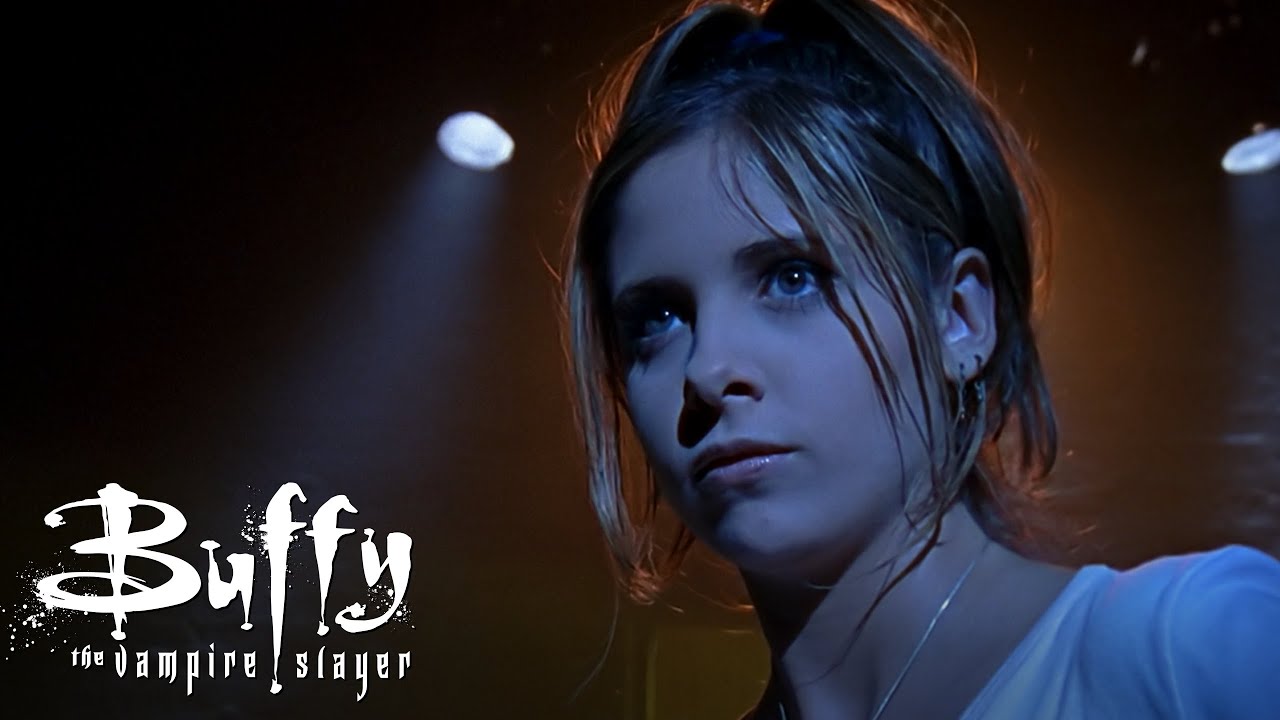
Buffy the Vampire Slayer
The cheerleader who was also the chosen one. Sarah Michelle Gellar's Buffy Summers staked vampires over the Hellmouth beneath her high school, and the show's mix of monster-of-the-week horror, teen angst, and quippy dialogue made it a genre-defining WB touchstone.

Roswell
Alien teens hiding in plain sight in a New Mexico high school — sci-fi wrapped in teen romance, set around a kitschy diner where everything came doused in Tabasco. It only ran three seasons, but its fans mounted one of TV's most famous save-our-show campaigns, mailing bottles of hot sauce to the network.
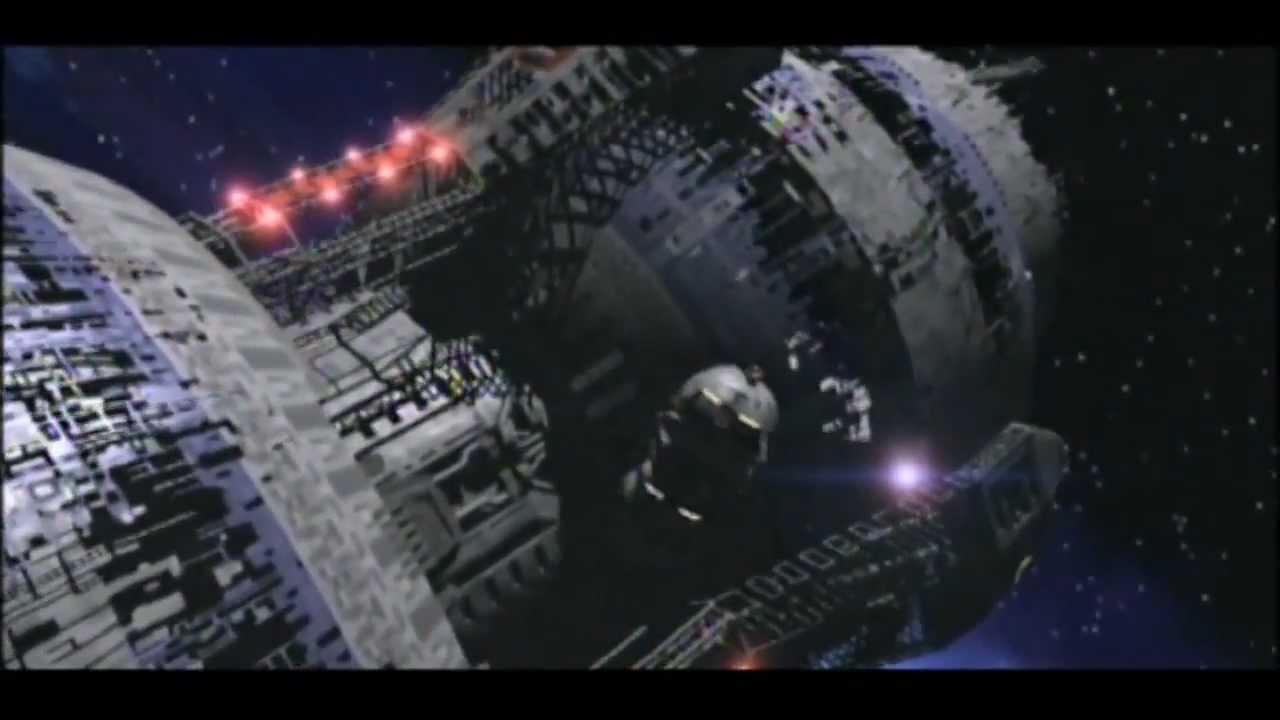
Babylon 5
Before serialized television was the norm, J. Michael Straczynski pitched a "novel for television" — one five-year story with a planned beginning, middle, and end, most of it written by him alone. Babylon 5 was the scrappy syndicated space station that proved appointment sci-fi didn't need a Trek badge.