King of the Hill
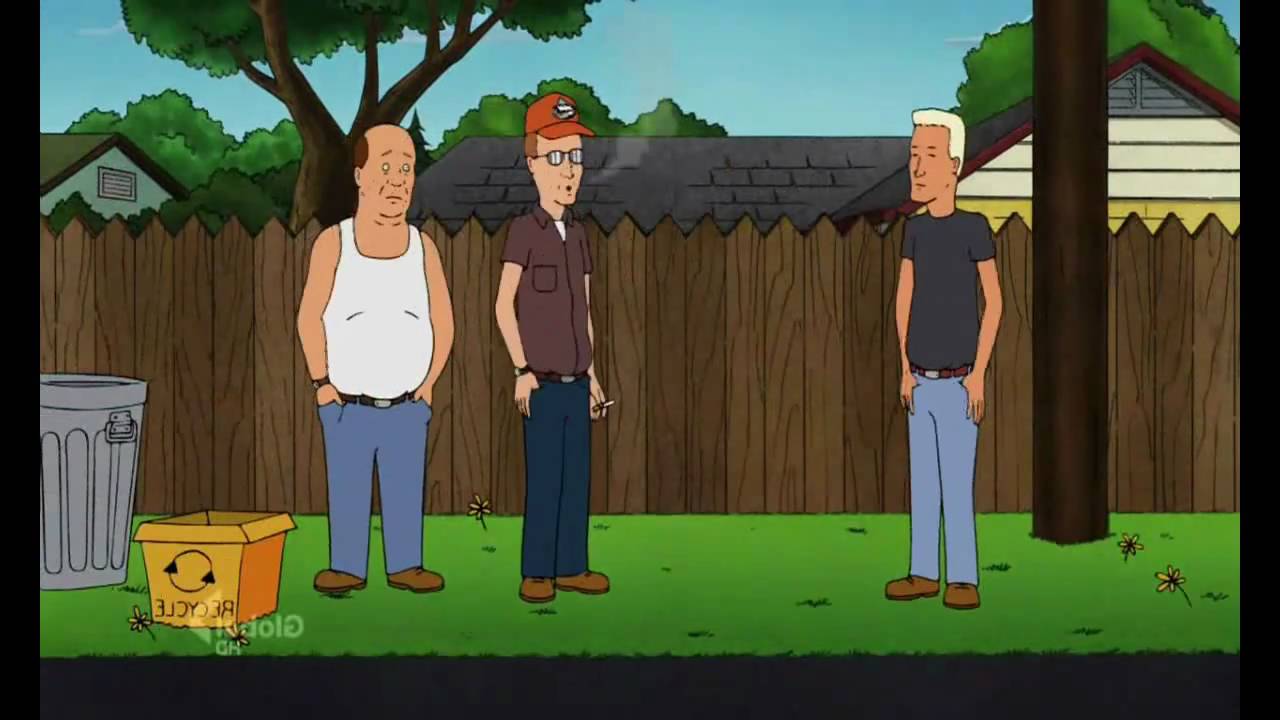
In the fictional Texas suburb of Arlen, Hank Hill tends his post as assistant manager at Strickland Propane—where he sells 'propane and propane accessories' with the understated decency that defines him. Mike Judge and Greg Daniels created a grounded animated comedy that treated its working-class characters with genuine affection, centered on the beer-drinking alley banter of Hank and his neighbors. Premiering on Fox in 1997, King of the Hill won an Emmy in 1999 and became a quiet landmark of late-90s television, proving that a show about a propane salesman could outrun trends and speak to the heart of American ordinariness.
Mike Judge and Greg Daniels created King of the Hill for Fox, premiering on January 12, 1997. The show is set in the fictional Texas suburb of Arlen and centers on Hank Hill, the assistant manager of Strickland Propane, a man defined by his dedication to selling propane and propane accessories with quiet professionalism. Hank's family includes his wife Peggy and son Bobby; his closest friends are his neighbors Dale Gribble (an unshakeable conspiracy theorist) and Bill Dauterive. Their daily ritual of standing in the alley drinking beer and saying 'Yep' became the show's meditative heart.
King of the Hill won the Primetime Emmy for Outstanding Animated Program in 1999, cementing its status as a late-90s cultural touchstone. The show's genius lay in its refusal to mock its characters—instead, Judge and Daniels treated Hank and his working-class neighbors with genuine respect and affection, finding comedy in their ordinariness rather than their failures.
The series ran for an impressive thirteen seasons, ending on September 13, 2009. Though King of the Hill extended well into the 2000s, its identity and peak impact belong to the late 1990s, when it proved that a show about a propane salesman could speak to something fundamental about American life.
Similar items
![Video thumbnail — Beavis and Butthead Do America (1996) Theatrical Trailer [4K] [5.1] [FTD-1015]](https://i.ytimg.com/vi/RzYWKWtRmzQ/maxresdefault.jpg)
Beavis and Butt-Head Do America
MTV's cackling couch potatoes trade their couch for a cross-country road trip when their TV gets stolen. It's chaotic, it's vulgar, and it opened #1 with the biggest December weekend any film had ever managed at the time. Mike Judge's feature debut turned a controversial TV phenomenon into a theatrical event that felt impossibly big.

Family Guy
The Griffin family of Quahog, Rhode Island—led by bumbling dad Peter, his wife Lois, and their motley crew of kids and pets—became a Fox phenomenon after its Super Bowl XXXIII premiere in 1999. A sharp departure from typical sitcom fare, Family Guy was built on rapid-fire cutaway gags and irreverent humor. Though Fox canceled it after just three seasons, a DVD renaissance in 2003 became so successful it sparked a network reversal—the show's comeback is considered television's first revival based on DVD sales.

Futurama
Delivery boy Fry cryogenically freezes and wakes in the year 3000 to join a space-shipping crew led by the sardonic Leela and foul-mouthed robot Bender. Created by Matt Groening, this sci-fi comedy was staffed with Ph.D.s—the writers brought genuine math-smart humor and surprising emotional depth. Fox premiered it in 1999, but it became a cult phenomenon on Comedy Central; episodes like 'Jurassic Bark' showed its tearjerking side, and it won six Emmy Awards over its life.
The Critic
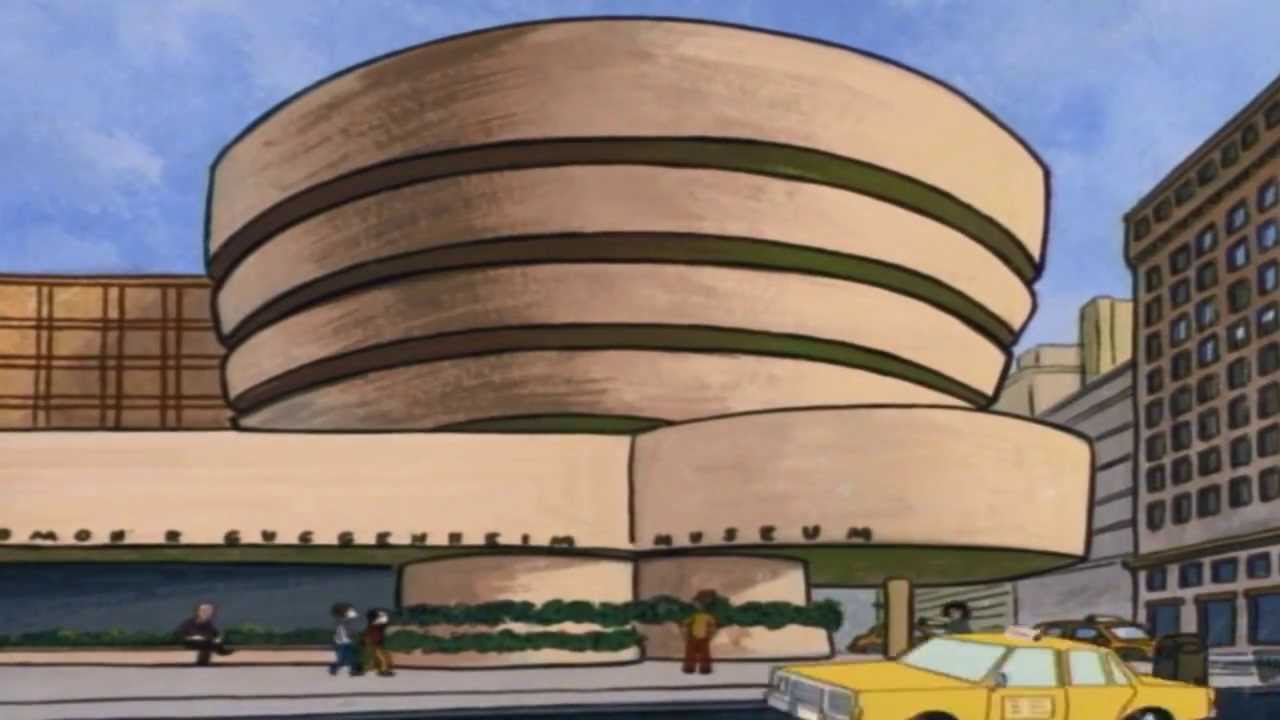
"It stinks!" Jon Lovitz voiced Jay Sherman, a New York film critic — cold and elitist on the air, gentle and self-doubting everywhere else — whose review show tore apart movie parodies like Honey, I Ate the Kids and Abe Lincoln: Pet Detective. Cancelled by two networks in two years, it became one of the 90s' great cult cartoons.