#Tech

27 items

Video thumbnail — msn messenger - TV Ad 1 - Australia 2004
Trends 1997–2007

AIM & MSN Messenger

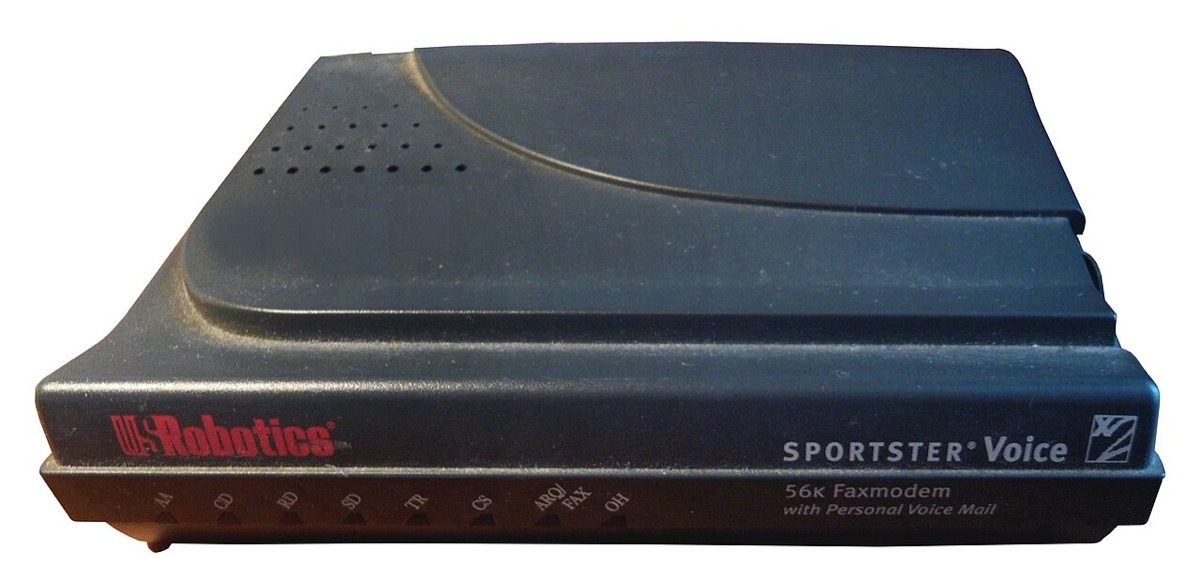
The after-school ritual: logging on to a dial-up modem, scanning your buddy list, typing AIM away messages packed with song lyrics and veiled drama, and knowing your 12-year-old screen name would haunt you forever. AIM and MSN Messenger were the social nervous system of the '90s and 2000s — instant, informal, and utterly addictive.

Video thumbnail — Antitrust Official Trailer #1 - Richard Roundtree Movie (2001) HD

Antitrust

A tech-industry thriller starring Ryan Phillippe as a young programmer recruited by a charming but sinister software CEO (Tim Robbins) who steals code and eliminates threats. Released with Microsoft's real antitrust battle still in the headlines, it became a cult artifact of the dot-com era despite critical and commercial failure.

Video thumbnail — AOL Prog | Rampage Toolz
Trends 1994–1999

AOL Punters & Progs

Homemade Visual Basic programs that exploited and weaponized the AOL client. AOHell kicked off the era; "punters" crashed users offline; the scene thrived in secret warez rooms until AOL clamped down.

Video thumbnail — Early AOL Commercial (1995)
Tech 1993–2002 peak

AOL

The dial-up gateway that wired up America. AOL's "You've Got Mail" voice, aggressive free-trial CD carpet-bombing, and shift to unlimited $19.95/month pricing triggered the legendary busy-signal crisis — millions of Americans' first taste of the internet.

Video thumbnail — CompuServe Commercial 1996
Tech 1979–1998 peak

CompuServe

The online service before AOL was AOL. CompuServe numbered its users with octal digits, ran tight moderated forums instead of chaotic chat rooms, and invented the GIF. By 1995 it claimed 3 million subscribers — then AOL's cheap flat-rate marketing machine ran it over.

Video thumbnail — Hackers Official Trailer #1 - Matthew Lillard Movie (1995) HD

Hackers

A young Angelina Jolie and Jonny Lee Miller rollerblade through a neon-drenched, absurdly rendered version of hacking where code is visualized as 3D graphics and 'Hack the planet!' became an unironic battle cry. Iain Softley's 1995 box-office flop became a beloved cult classic on the strength of its aesthetic audacity and a landmark electronic soundtrack.

Video thumbnail — Iconic Ads - iPod Silhouette commercial
Tech 2001–2007

iPod

Steve Jobs unveiled the iPod on October 23, 2001, promising "1,000 songs in your pocket." The original model packed a 5GB hard drive, mechanical scroll wheel, and FireWire connection—Mac-only, $399. The click wheel, iTunes Music Store (2003), and later Windows support made it the gateway device to digital music and one of the most influential electronics ever built.

Video thumbnail — Napster - Changing an Industry
Trends 1999–2010

LimeWire & Napster

The lawless era of free music: you queued up a download that would take three hours on dial-up, crossed your fingers it wasn't mislabeled, and hoped even harder it wasn't a virus. Napster and LimeWire were the P2P revolution that detonated the music industry, made kids into accidental outlaws, and eventually gave way to iTunes.

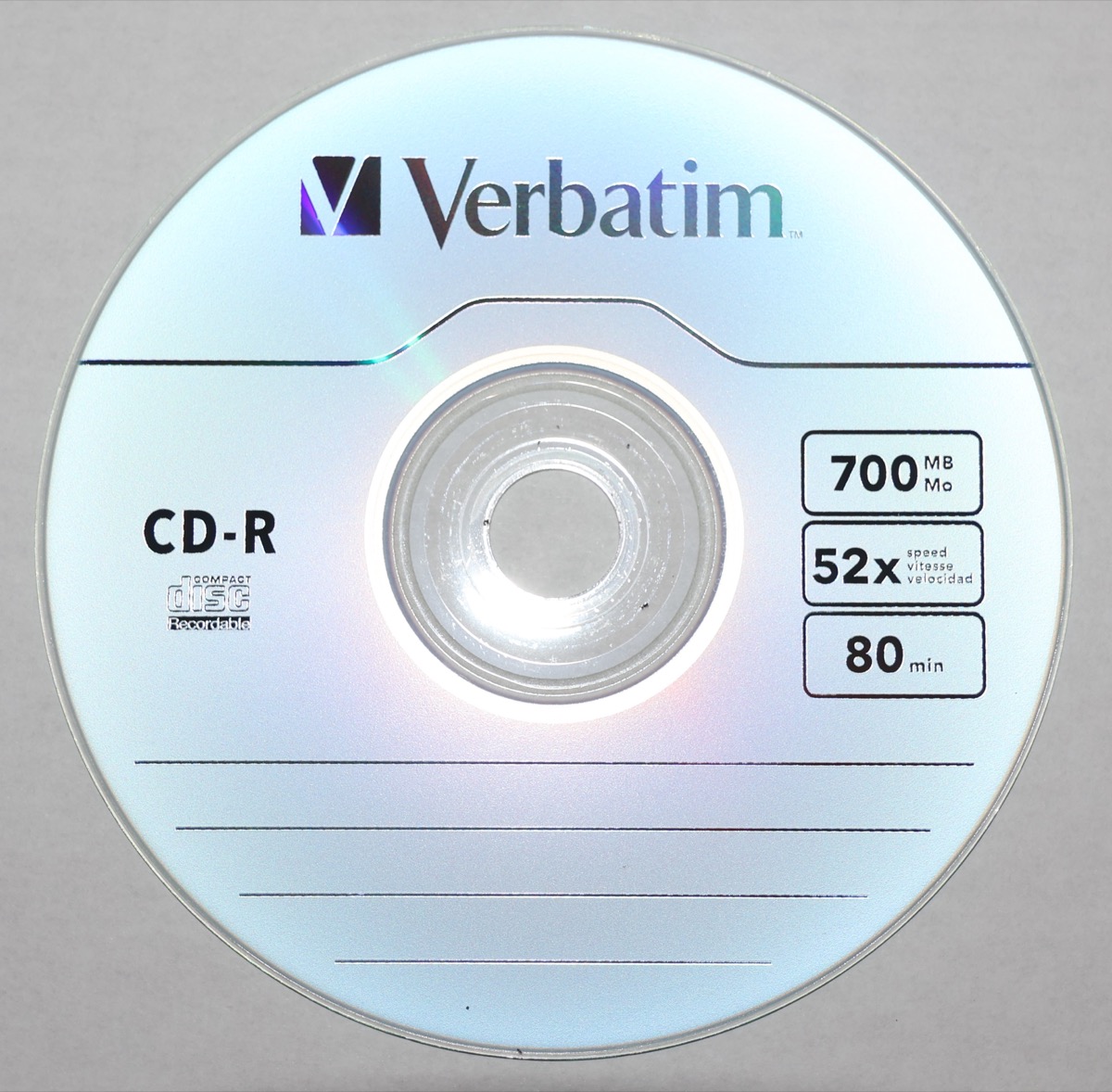
A blank Verbatim CD-R disc, 700MB / 52x / 80 min
Trends 1998–2008

Mix CDs

The mixtape of the CD-R era: download MP3s from file-sharing sites, burn them to a blank disc in Nero or iTunes, label it with Sharpie, and pray it didn't skip. Mix CDs were the late-90s and 2000s ritual—track order agonized over, burnable only by those with a CD-R drive, given as love offerings and road-trip soundtracks.

Video thumbnail — Motorola Razr V3 Commercial
Tech 2004–2007

Motorola Razr

The Razr V3 launched in late 2004 as the world's thinnest clamshell phone at a shocking $500. Its anodized-aluminum body, laser-etched keypad, and impossible thinness made it a fashion statement. When the price dropped in 2005–2006, everyone had one—and snapping it shut after a call was the whole point.

The mid-2000s MySpace logo: 'myspace.com — a place for friends' wordmark with the three-person silhouette icon
Trends 2003–2008

MySpace

MySpace launched in August 2003 and became the social network that swallowed the mid-2000s internet — where everyone's first friend was Tom. Top 8 rankings sparked drama, profile songs played on auto-load, and DIY HTML customization meant glitter graphics and autoplay music ruled. Bands broke careers there; it was the most-visited website in the US by 2006.

Video thumbnail — Nokia 3310 Commercial
Tech 2000–2005

Nokia 3310

The brick phone that became a meme—Nokia's 3310 was the phone that survived drops that would kill any modern device. Released in 2000 and sold over 126 million times, it was famous for its indestructibility, the built-in Snake II game, interchangeable colored covers, and the iconic Nokia tune ringtone. It was the anti-smartphone years before the smartphone era, representing the peak of durable simplicity.

Video thumbnail — 1994 Motorola Pagers Commercial | How We Communicated In The 1990s | Bravo Express Beepers
Trends 1987–1999

Pagers (Beepers)

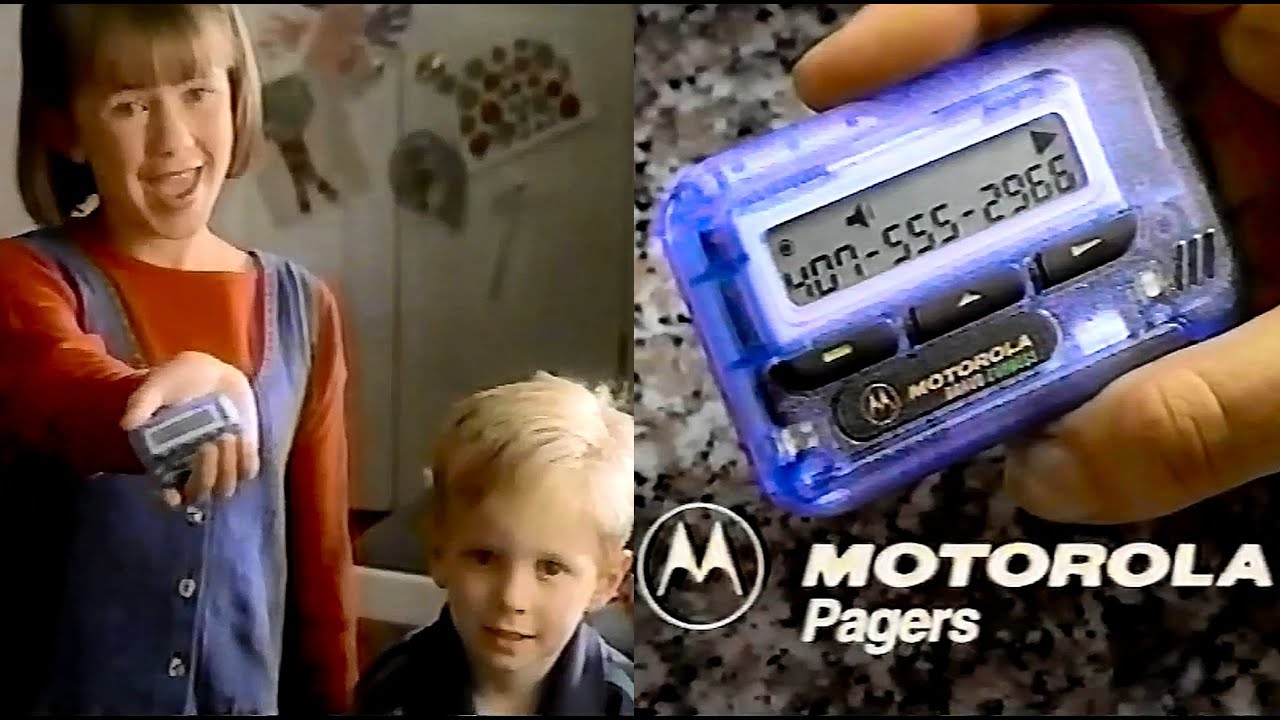
The numeric pager that showed callback numbers and cryptic codes: 143 meant 'I love you,' 911 meant call me NOW, 411 was gossip time. Clipped to your waistband, getting beeped meant hunting for a payphone with a quarter—and by 1994, 61 million pagers were in use, with Motorola owning roughly 80% of the market.

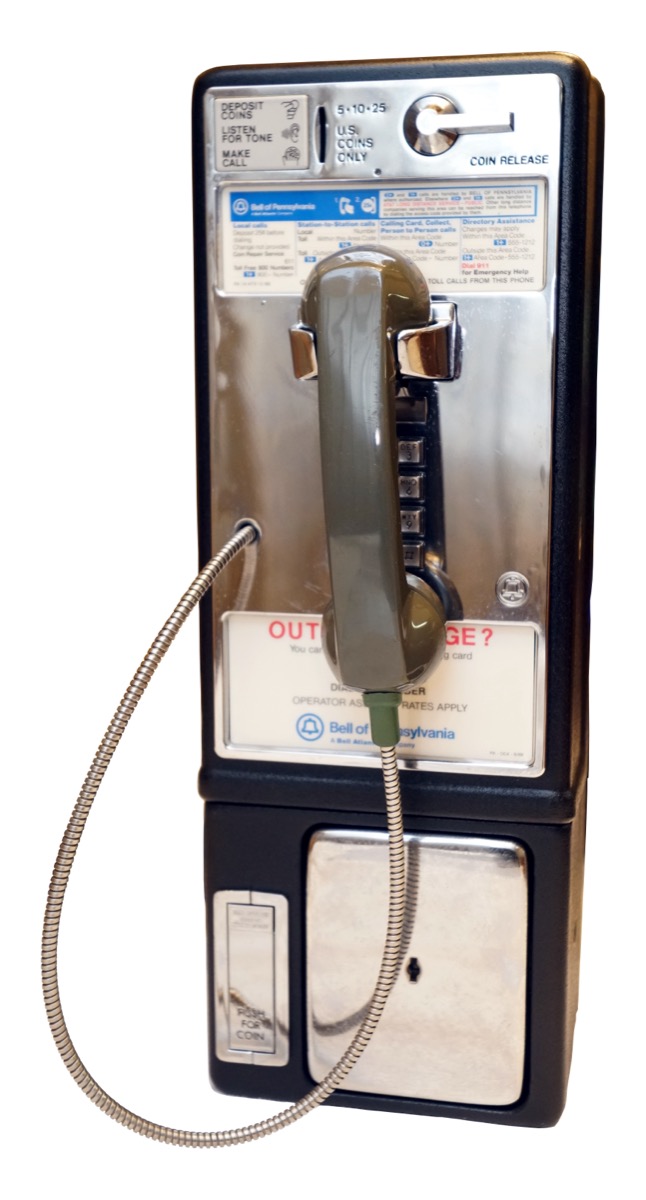
A Bell of Pennsylvania coin-operated payphone with a chrome faceplate, dial-instruction card, and metal-armored handset cord
Tech 1990–2007

Pay Phones

Coin-operated public telephones on street corners, in malls, and outside every gas station — the fallback when you needed to call home or were out of pocket change. At their 1990s peak, the US had over 2 million payphones; by the 2010s, they'd nearly vanished.

An Ameritech prepaid calling card reading 'Effective immediately, dial 1-800-AMERITECH to make your calling card calls'
Tech 1992–2005

Prepaid Phone Cards

Scratch off the panel, punch in the PIN, dial the access number, and talk until your minutes ran out — prepaid phone cards were the pre-cell-plan answer to long-distance calls and international dialing. Stacked in convenience stores and gas stations, they were lifelines for travelers and immigrants.

Video thumbnail — Ionic Breeze - Quadra Commercial Sharper Image (2002)
Trends 1990s–2000s

Sharper Image

The mall store where you'd test-nap in a $400 massage chair while pretending to shop. Sharper Image was a playground of high-end gadgets, gizmos, and dubious contraptions—air purifiers, personal robots, noise machines, and the infamous Ionic Breeze, which looked futuristic but barely worked.

Video thumbnail — The Story Of SmarterChild - AOL/AIM
Tech 2001–2008

SmarterChild

A chatbot on your buddy list that never slept, always answered, and never quite cursed no matter how hard you tried. SmarterChild answered trivia, cracked jokes back, and proved millions of kids were ready to talk to an AI — they just didn't know that's what it was.

Video thumbnail — Jamster Sweety the Chick Mobile Ringtone commercial [2005, HQ]
Trends 1999–2008

T9 Texting & Ringtones

Typing "home" and getting "good," texting blind from inside your pocket, and a computerized frog selling ringtone subscriptions between every cartoon. The whole keypad-phone universe, in one glorious, beeping memory.

Video thumbnail — Windows XP commercial 2001 - Ray of Light
Tech 2001–2014

Windows XP

The operating system with the rolling green hill wallpaper—Windows XP arrived in October 2001 with Luna's glossy blue taskbar, the green Start button, and the cheerful startup chime that defined a generation's relationship with computers. It was stable, beloved, and so enduring that users clung to it long after Microsoft stopped supporting it, making it the most iconic OS of the 2000s.

Video thumbnail — Vintage Commercial - US WEST Caller ID Box
Tech 1989–2000

Caller ID Box

A little LCD slab that sat beside the phone and did exactly one thing: showed you who was calling before you picked up. For about a decade, knowing that required buying a second device and paying the phone company a monthly fee for the privilege. Then telephones learned to do it themselves and the box quietly vanished.

Video thumbnail — AIM should have lasted forever | Version History
Trends 1999–2006 peak

AIM Away Messages

The cryptic, ever-changing status you left up for your buddy list to decode — song lyrics aimed at nobody in particular, inside jokes, coded hints about your mood and your crush. AIM away messages were half diary entry, half performance art, and everyone was reading.

Video thumbnail — Don't Dream Machine it's over - Sony's last clock radio (ICF-C1)
Trends 1950s–2000s (then the phone took over)

Bedside Alarm Clocks

The glowing red digits on the nightstand, the snooze bar slapped in the dark, the 12:00 blink after every power outage — a device so mundane you didn't think of it as technology until it vanished from every bedroom at once. The smartphone didn't just beat the bedside alarm clock; it quietly deleted the whole category.

Video thumbnail — Blackberry commercial from 2008
Tech 2005–2010 peak

BlackBerry

The thumb-typed email machine that owned the boardroom, then the teen universe — the hottest phone in America right up until the iPhone ate it. Push email, the blinking red light, BBM: BlackBerry was so addictive that Webster's New World made "CrackBerry" its 2006 Word of the Year.

Video thumbnail — When Seconds Matter: Nextel Direct Connect
Trends 1996–2013

Nextel Push-to-Talk Chirp

The two-tone chirp that echoed across every construction site, warehouse, and parking lot of the 2000s. Nextel's Direct Connect made a cellphone work like a walkie-talkie — press the side button, talk instantly — and everyone within fifty feet heard both sides of the conversation.

Video thumbnail — RealPlayer: The media player from the 90s that was spyware
Trends 1995–2005

RealPlayer Buffering

The ritual of early streaming: the "Buffering..." wheel, the mid-song stutter, the postage-stamp video window, the eternal nag to download the player. By 2000, more than 85% of streaming content on the internet ran on RealNetworks' format — which meant everyone, everywhere, was buffering.

trillian
Trends 2000–2007 peak

Trillian

AIM, ICQ, MSN and Yahoo in one window — and AOL hated it. Trillian was the power user's messenger, locked in a patch-versus-block war with the biggest network of the IM era.

Video thumbnail — Basshunter - Vi sitter i ventrilo och spelar DotA
Trends 2002–2010 peak

Ventrilo

The voice server of 2000s PC gaming — "Vent" to everyone who ever memorized an IP, a port, and a password to get on it. The crackle of raid nights, the guildmate who paid for the server, the push-to-talk key you forgot to release. Then Discord arrived, and the servers emptied out.