Y2K Panic

Computers stored the year as two digits, so 2000 looked identical to 1900. By the late '90s, the fear that systems worldwide would catastrophically fail on January 1st had built to a fever pitch — and the world spent hundreds of billions of dollars to prevent a disaster that, when midnight arrived, barely happened at all.
The concern had roots in computing architecture, but became a full cultural panic through the 1990s. Peter de Jager's 1993 Computerworld article "Doomsday 2000" was pivotal in raising the alarm, and David Eddy's June 12, 1995 email popularized the term "Y2K" itself. By 1998 the US government passed the Year 2000 Information and Readiness Disclosure Act and formed a President's Council on Year 2000 Conversion, headed by John Koskinen, to coordinate the federal response.
The scale of anxiety was immense. Survival guides flew off shelves, people stockpiled bottled water and generators, and television news countdowns to New Year's Eve took on an apocalyptic tone. January 1, 2000 arrived to scenes of people watching midnight celebrations with genuine trepidation — would the lights stay on?
What actually happened was anticlimactic: bus-ticket machines in Australia briefly malfunctioned, some Japanese station ticket dispensers had minor glitches, and that was largely it. No infrastructure collapsed anywhere. Whether the fix worked perfectly or whether Y2K was overstated became an unresolved debate — one camp credits the remediation efforts, the other notes that countries which spent far less (Italy, Russia, South Korea) suffered the same negligible problems. The legacy: Y2K became shorthand for overhyped technological doom, and decades later, "Y2K" began naming a fashion and design aesthetic revival of that very era.
Similar items

Nostradamus
A 16th-century French seer who came roaring back as the year 2000 approached, thanks to one ominous quatrain about '1999, seventh month' and a King of Terror falling from the sky. Paperbacks, TV specials, and a spooky old Orson Welles documentary made Nostradamus the patron saint of millennium dread — and scared a lot of kids in the process.

The ILOVEYOU Virus
The email you absolutely should not have opened. On May 4, 2000, an email landed in inboxes worldwide with the subject line "ILOVEYOU" and an attachment promising a love letter — then it quietly sent itself to everyone in your address book and overwrote your files. Within ten days, tens of millions of computers were infected, and the damage estimates eventually climbed toward $10 billion. It was the moment the internet learned not to trust attachments.
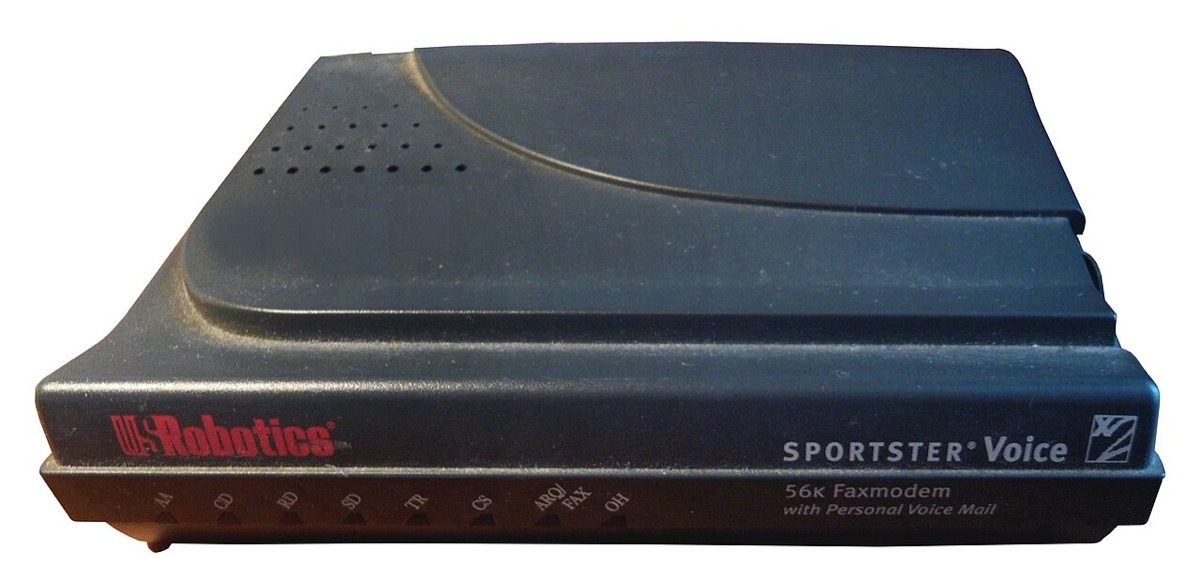
Dial-Up Internet
That modem squeal. The frozen phone line. "Get off the internet, I need to make a call." Dial-up was the sound and the ritual of getting online for a generation of American homes — peaking in the dot-com years, overtaken by broadband around 2004, and lingering until AOL finally hung up in 2025.

Millennium (Robbie Williams)
"We've got stars directing our fate" over sweeping James Bond strings — Robbie Williams' pre-2000 anthem gave him his first solo UK number one in September 1998. In America it was supposed to be his big breakthrough; it stalled at #72, which tells you the whole strange story of his career on this side of the Atlantic.