#Mall Culture

18 items

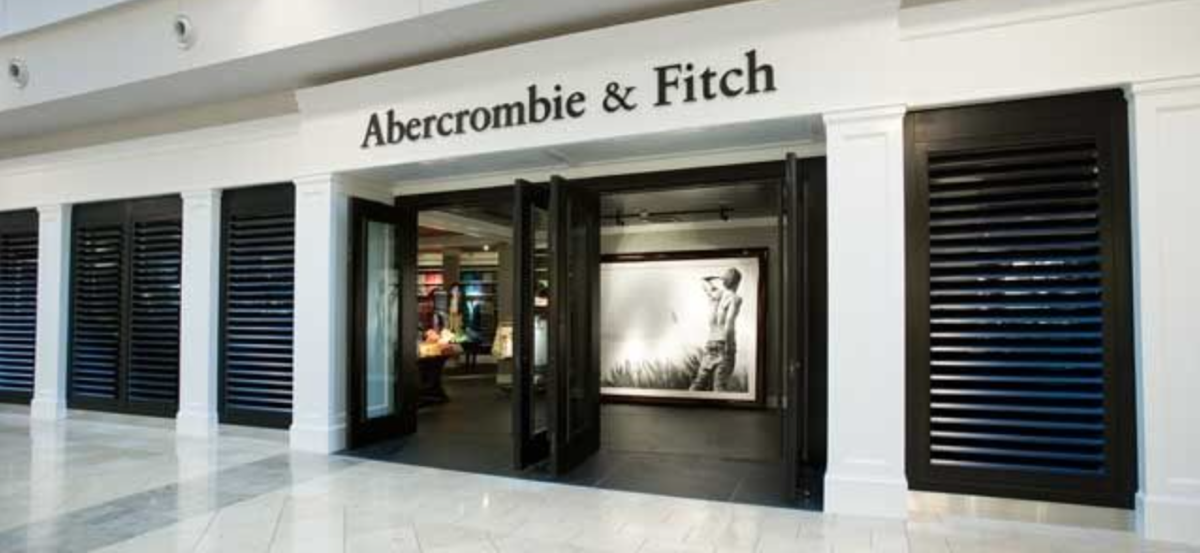
An Abercrombie & Fitch storefront with the brand's wordmark sign
Fashion 2000–2008

Abercrombie & Fitch

The dim-lit mall temple with impossibly loud music, a signature cologne so thick it hit you at thirty paces, and shopping bags plastered with shirtless male models. The Abercrombie & Fitch moose logo on polos and tees became a middle-school currency of cool in the 2000s. Wearing it meant you had money, taste, or both—or at least that's what everyone pretended to think. The brand launched its spinoff, Hollister, in 2000, spreading the gospel even wider.
Video thumbnail — The Rise & Fall And Resurgence Of Auntie Anne's
Food 1988–present

Auntie Anne's

You smelled it before you saw it. The mall pretzel counter where the dough got rolled and twisted right in front of you, then came over the counter hot, salted, and slightly too big to finish. Butter or cinnamon sugar, a paper sleeve, and a cup of Dutch Ice — the food court's most reliable pleasure.

Placeholder graphic for Body Glitter
Fashion 1997–2003

Body Glitter

Roll-on, gel, or powder with a puff — applied to the collarbones, the eyelids, and eventually the entire upper body before a school dance. It came in every color imaginable, and its single defining property was that it never came off. Not that night, not that week, not from your bedsheets.

Video thumbnail — Cargo Pants: The Trend That Keeps Coming Back
Fashion 1938–present

Cargo Pants

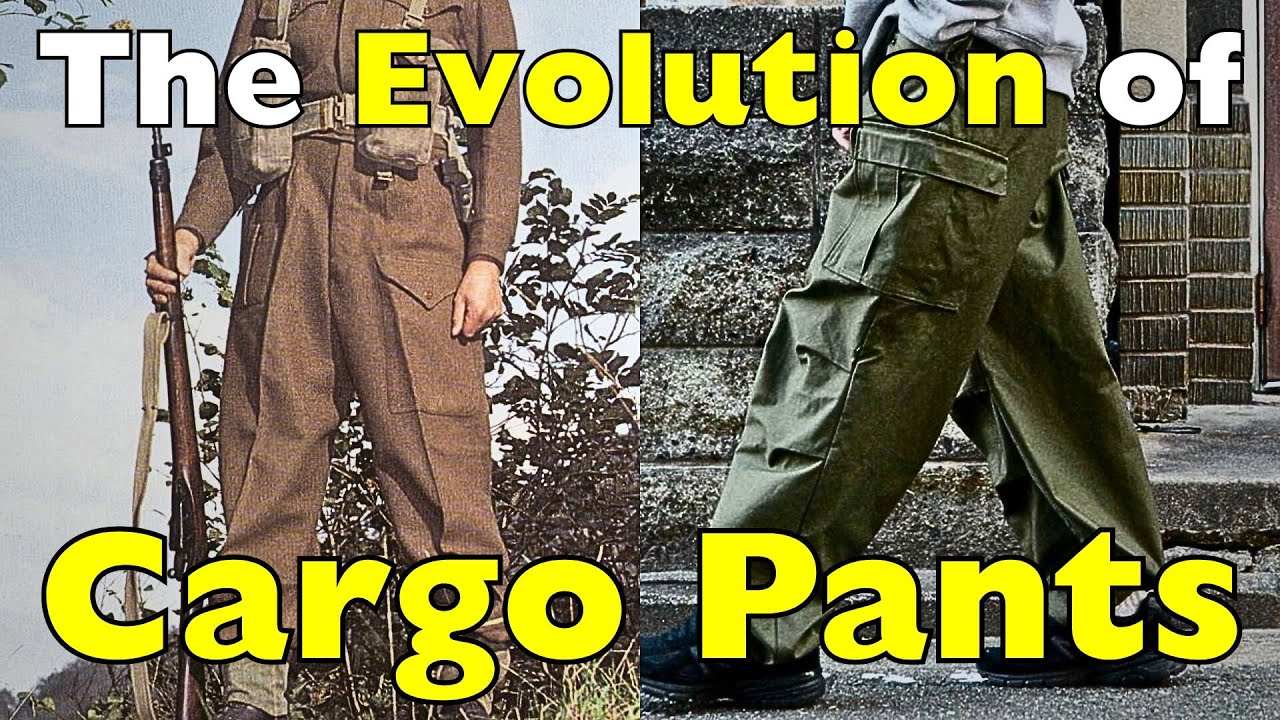
Baggy, khaki, and covered in pockets you never put anything in. Six to eight compartments, minimum, most of them flapping empty against your thigh. For a few years in the early 2000s they were simply what pants were, and then everyone agreed to never mention it again — until they came back.

Video thumbnail — How Cinnabon Outlasted The Mall
Food 1985–present

Cinnabon

A cinnamon roll the size of a dinner plate, buried under cream cheese frosting that pooled in the box. You could smell the counter from the other end of the mall, which was not an accident. Nobody ever finished one alone and everybody ordered one anyway.

Video thumbnail — Why Is Curve STILL so GOOD?
Fashion 1996–present

Curve

The fruity-floral (blue bottle, women) and green-aromatic (yellow-green bottle, men) that Liz Claiborne launched in 1996 as the affordable fragrance for everyone. Two complementary scents that became the default drugstore/department-store smell of late-90s teenagers — the scent of school dances, first dates, and hallways thick with Curve. A mall-culture essential that somehow outlived the malls.

Video thumbnail — deLiA*s catalog flip-through - Spring 1999
Trends 1993–2015

The dELiA*s Catalog

It came in the mail and your afternoon was over. The teen-girl catalog you read cover to cover, dog-eared, circled, and fought your friends over — baby tees, butterfly clips, platform sandals, and girls in the photos who were never, ever smiling politely. For a lot of teenagers it was the only place the trendy clothes actually existed.

Video thumbnail — We Found an Original Old Disney Store Stuck in Time from the 90s!
Trends 1987–present

The Disney Store

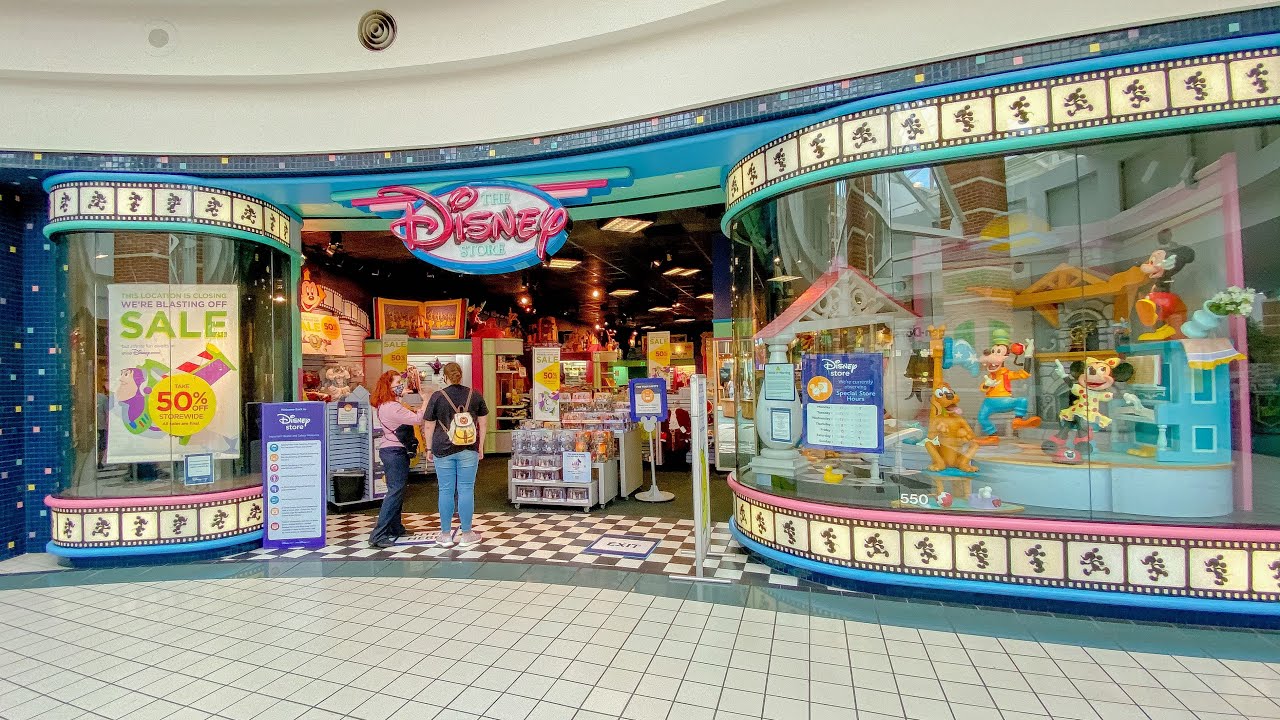
The closest thing to the parks that existed within driving distance of most kids — a bright box of plush, videos, and costume dresses parked between the shoe store and the food court. In the 1990s there were nearly 750 of them. Today there are about twenty.

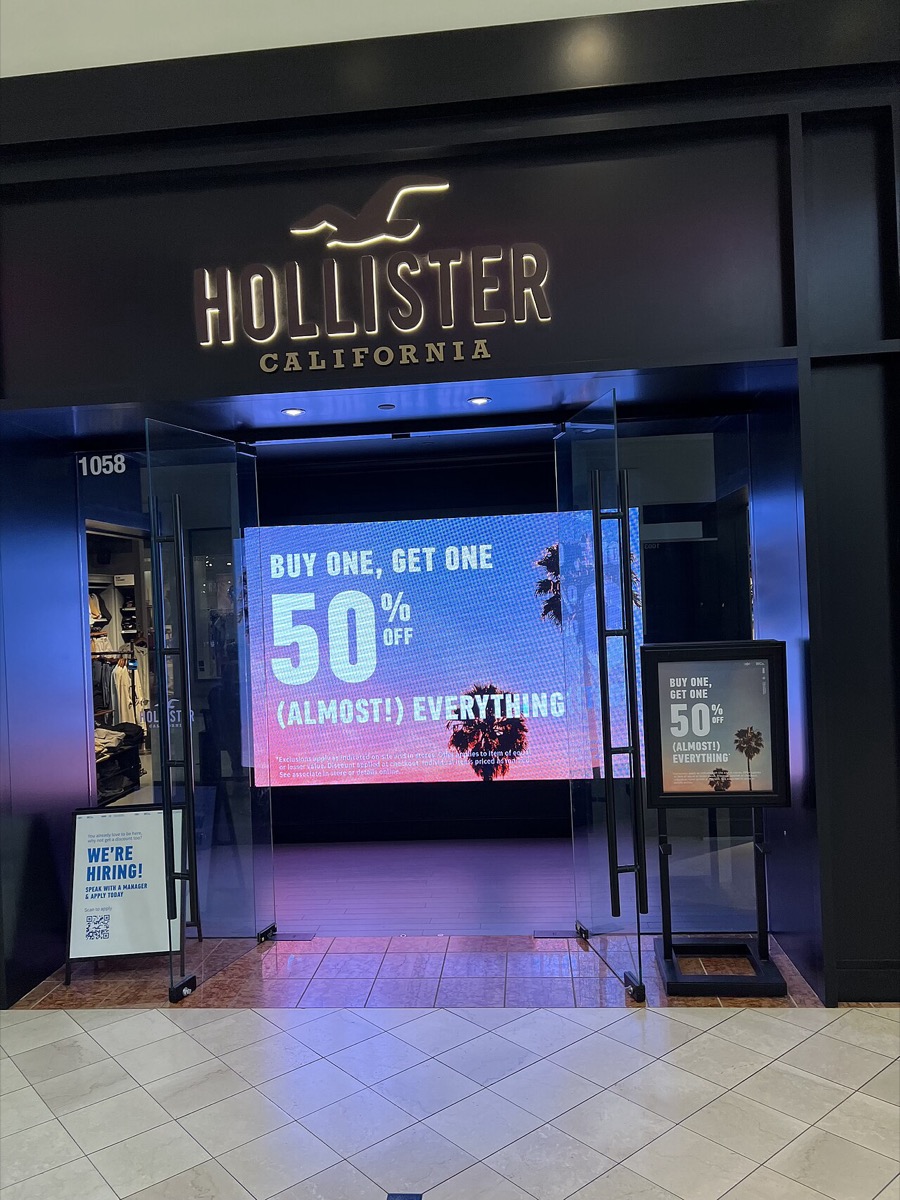
a Hollister Co. mall storefront — dark facade, glowing seagull logo
Fashion 2000–2009

Hollister Co.

Abercrombie & Fitch's Southern-California-surf-themed spinoff brand, launched in 2000 and aimed at teens. Hollister stores were deliberately dim, cave-like spaces with beachy decor, a seagull logo, and an overwhelming signature cologne. Logo hoodies and tees were a 2000s teen status marker.

Video thumbnail — The History Of HOT TOPIC
Fashion 1989–present

Hot Topic

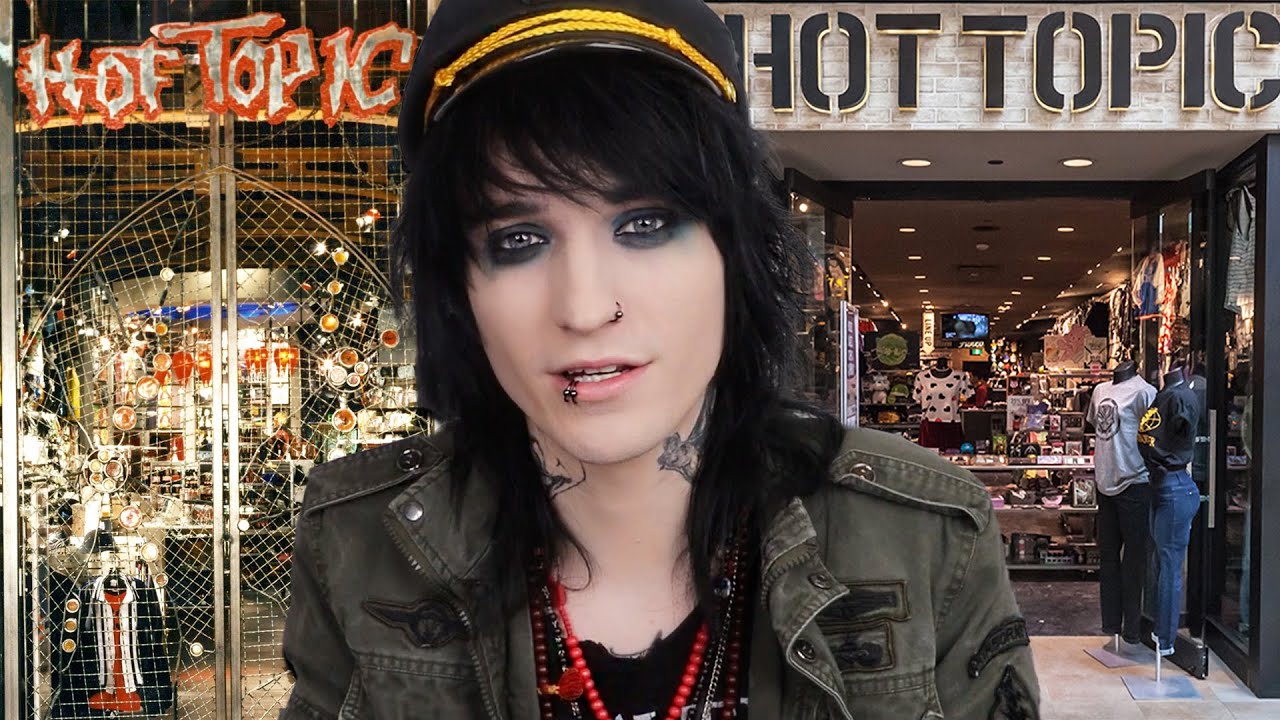
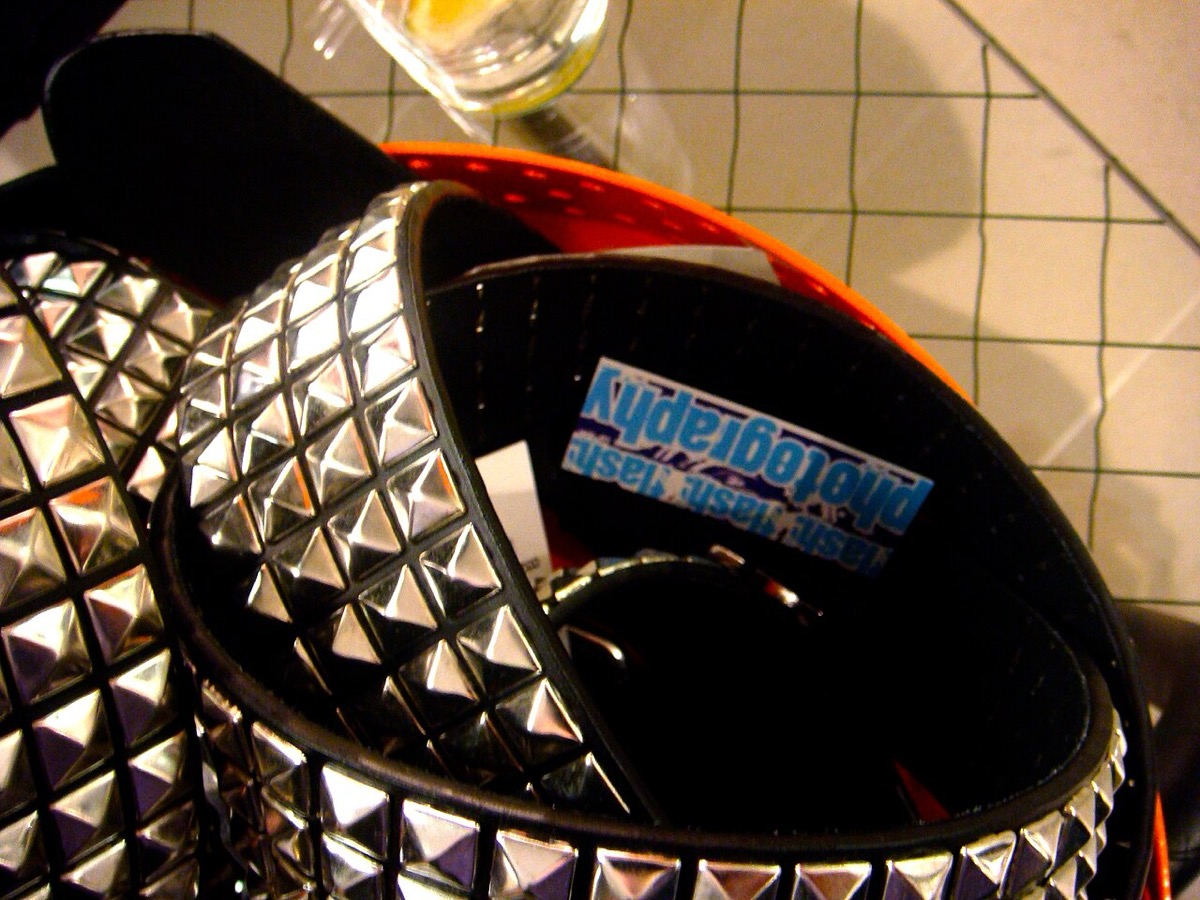
The black-walled store at the end of the mall where the music was too loud and the T-shirts had bands your parents had never heard of. Studded belts, band merch, hair dye, and a smell of incense you could identify from thirty feet away. For a certain kind of teenager, walking in felt like finding your people.

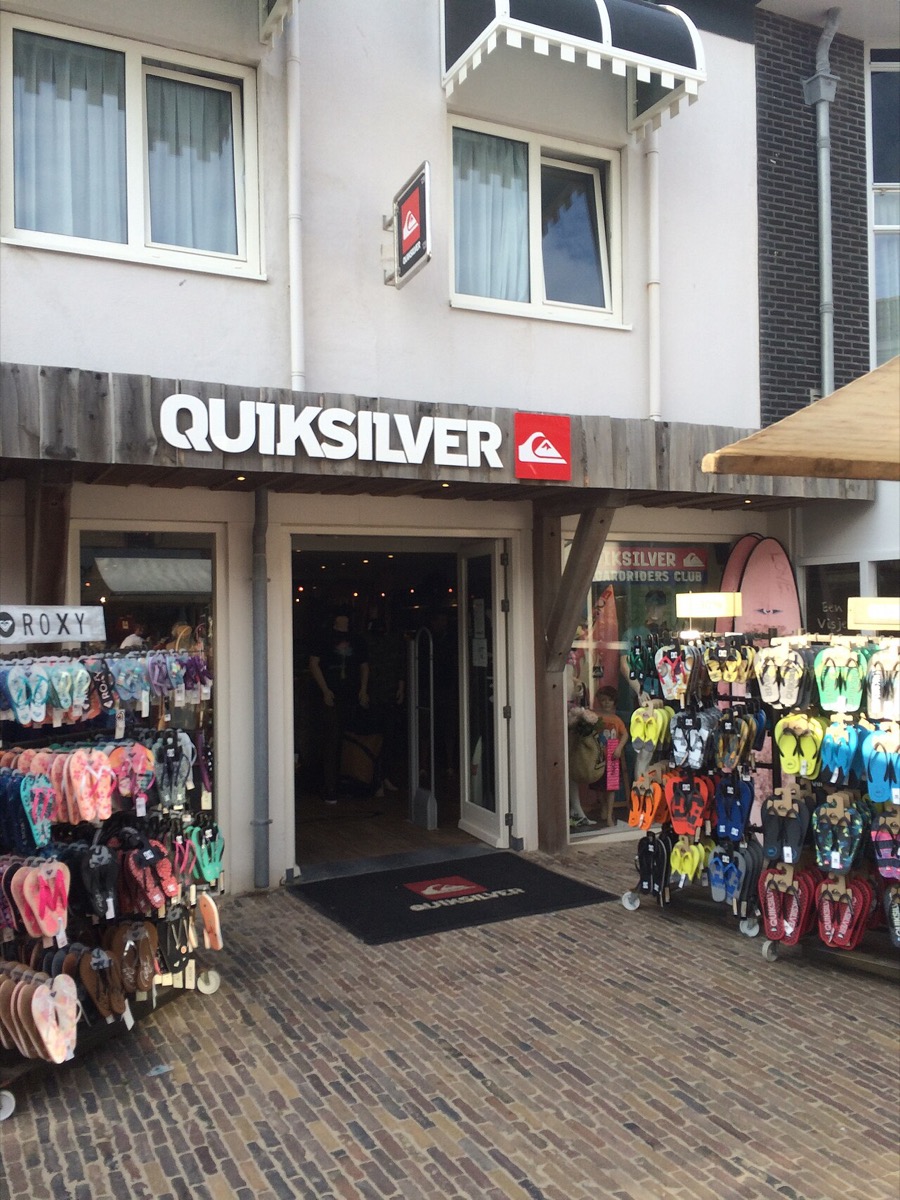
A Quiksilver shop entrance with the mountain-and-wave logo and wordmark over the door, a Roxy sign beside it
Fashion 1969–present

Quiksilver

The mountain-and-wave logo that ruled 90s school hallways a thousand miles from any ocean — spelled Quiksilver, no "c". Boardshorts built for surfers became a hallway uniform for landlocked kids who'd never touched a board.

Video thumbnail — Sam Goody Commercial 2000
Trends 1951–2006

Sam Goody

The ubiquitous mall record store where 90s kids bought CDs, cassettes, and band tees. Sam Goody was the go-to destination for new releases and the social hub of music shopping before big-box discounters and digital downloads reshaped retail.

Video thumbnail — The Rise & Fall And Resurgence Of Sbarro
Food 1956–present

Sbarro

The enormous rectangular slab of pizza under the heat lamp, sold by the slice from a counter with a guy waving you over. It was the food court's default answer to "what do you want," and the slice was always bigger than the paper plate it came on.

Video thumbnail — Ionic Breeze - Quadra Commercial Sharper Image (2002)
Trends 1990s–2000s

Sharper Image

The mall store where you'd test-nap in a $400 massage chair while pretending to shop. Sharper Image was a playground of high-end gadgets, gizmos, and dubious contraptions—air purifiers, personal robots, noise machines, and the infamous Ionic Breeze, which looked futuristic but barely worked.

the 1987 Spencer Gifts logo — "spencer" in rounded black lettering with "Gifts" in red script
Trends 1947–present

Spencer Gifts

The dark, loud, faintly disreputable novelty store your parents walked past and you did not. Lava lamps, gag gifts, rude T-shirts, Halloween masks, and a whole lot of merchandise a twelve-year-old had no business examining closely. Every mall had one, and going in was its own small act of rebellion.

Video thumbnail — Toys R Us Commercial - Jingle - I Don't Wanna Grow Up (1990)
Trends 1957–2018

Toys "R" Us

The cathedral of childhood shopping. Charles Lazarus's toy superstore — the backwards "R," aisle upon aisle of Christmas lists waiting to happen, and Geoffrey the Giraffe's unmissable jingle — defined how kids experienced wanting. Then a leveraged buyout, five billion in debt, and a 2018 collapse ended the era.

the Urban Outfitters wordmark
Fashion 1970–present

Urban Outfitters

The store where art-school aspiration got merchandised: ironic graphic tees, distressed denim, a wall of novelty books, and housewares nobody needed but everybody wanted. Every location was built inside a renovated building, so no two ever looked quite alike. It started in 1970 as a tiny secondhand shop near a college campus, and by the 2000s it was where you went to buy a personality.

Video thumbnail — Retro Tech: 1990's V-Link Teen "Cell phone".
Toys 1996–1998

V-Link

Half walkie-talkie, half cell phone, the V-Link let 90s kids call each other's handsets — and even leave voicemail — years before any of them had a real phone. It was chunky, it was expensive, and if your whole crew had one, it was the coolest gadget on the block.