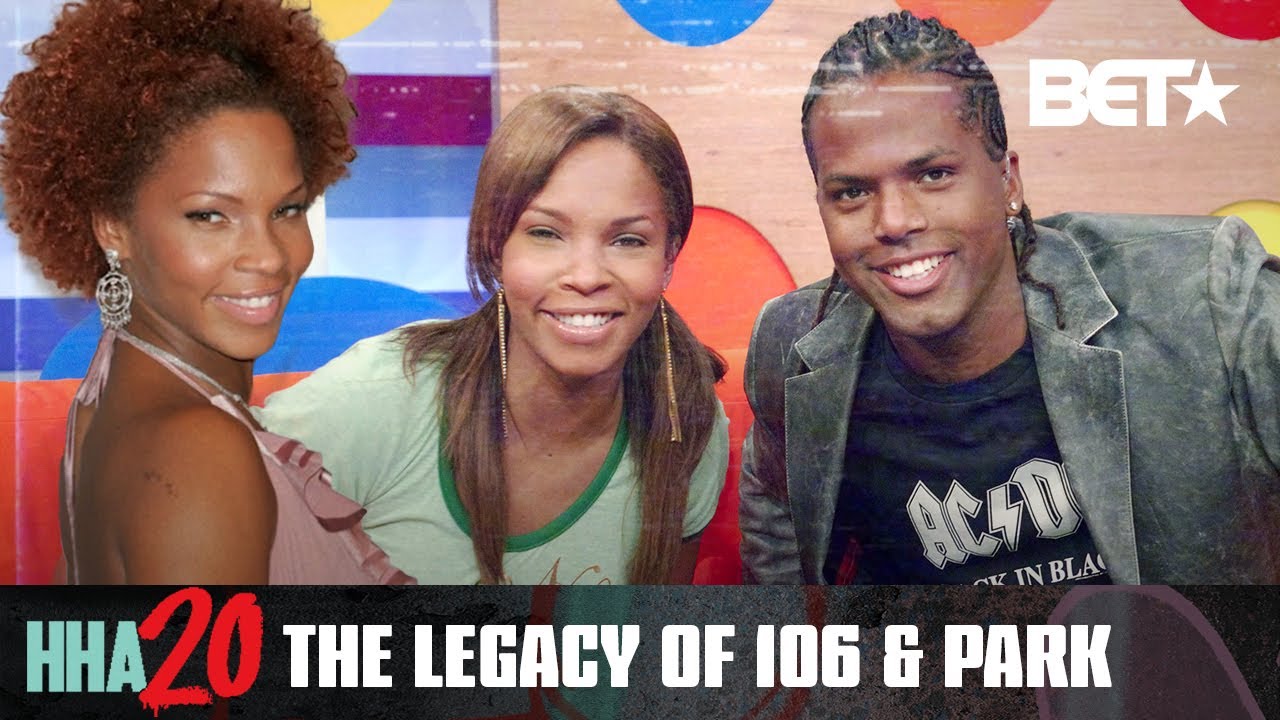
106 & Park
BET's live countdown couch — AJ and Free, a screaming studio audience, Freestyle Friday battles, and the top hip-hop and R&B videos of the day. For fourteen years, this was where rap premieres actually happened.
65 items
BET's live countdown couch — AJ and Free, a screaming studio audience, Freestyle Friday battles, and the top hip-hop and R&B videos of the day. For fourteen years, this was where rap premieres actually happened.
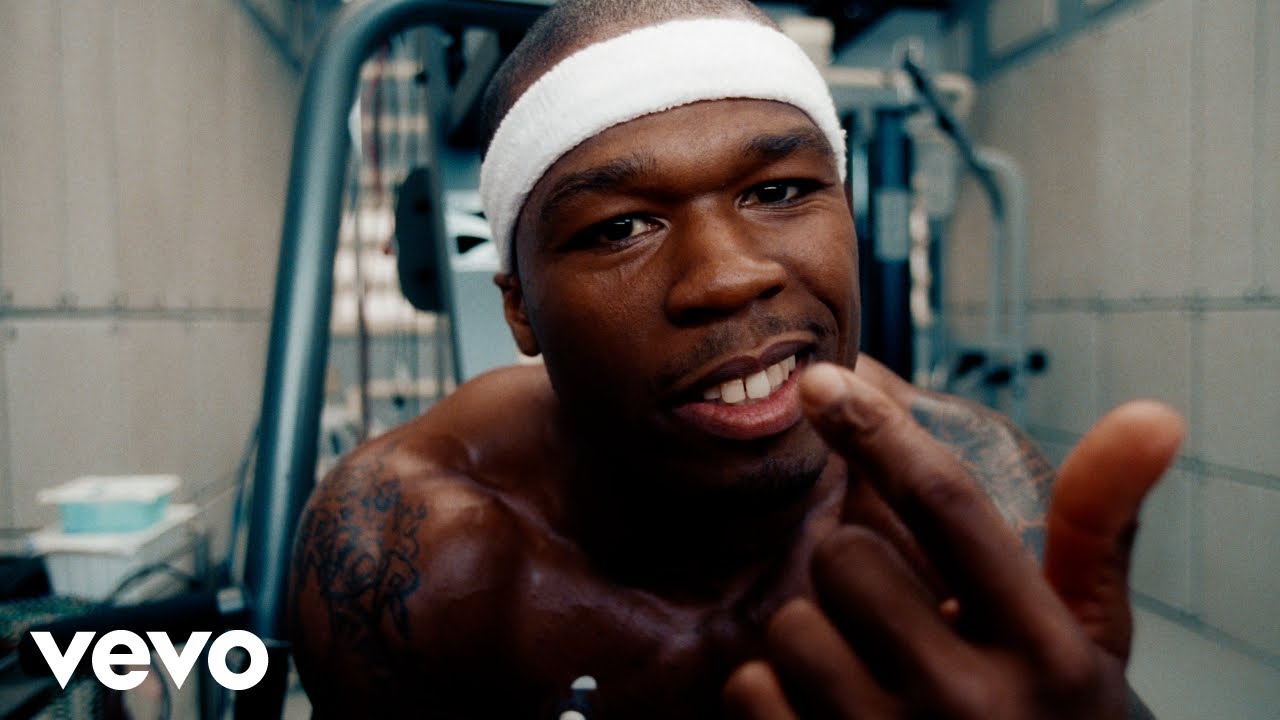
The Queens mixtape king who survived being shot nine times, got signed by Eminem and Dr. Dre, and turned his bulletproof origin story into one of the biggest rap debuts of the decade. For a few years in the mid-2000s, 'In da Club' and 'Get Rich or Die Tryin'' were everywhere, and 50 Cent was the most bankable name in hip-hop.
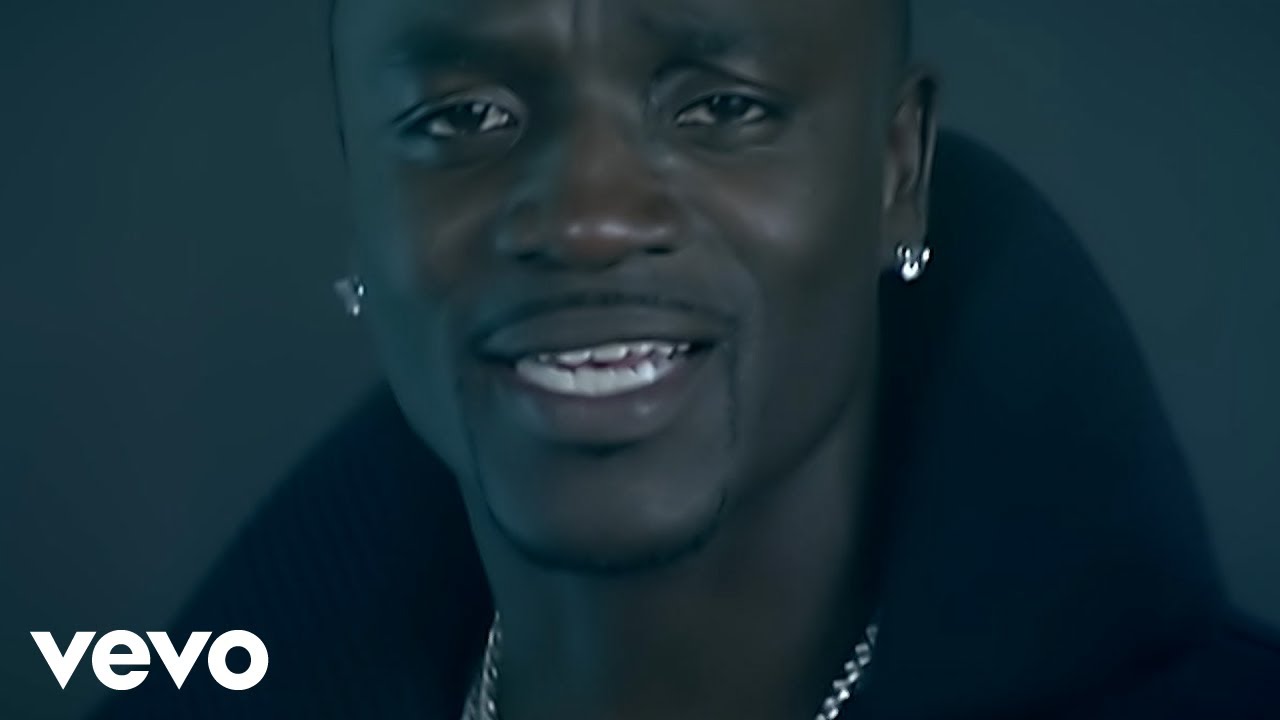
The voice on half of late-2000s radio. Akon went from "Locked Up" to "Lonely" to "Smack That" — and guested on 23 Hot 100 hits for other artists while his labels signed Lady Gaga and T-Pain.
![Video thumbnail — [March 12, 1997] When Allen Iverson crossed up Michael Jordan | SportsCenter | ESPN Archives](https://i.ytimg.com/vi/C977RCbuqFk/maxresdefault.jpg)
Six feet even, 165 pounds — the crossover, the cornrows, the arm sleeve, and a swagger that rewrote what an NBA player could look like. Allen Iverson didn't just play basketball; he's credited with transforming the league's entire culture.
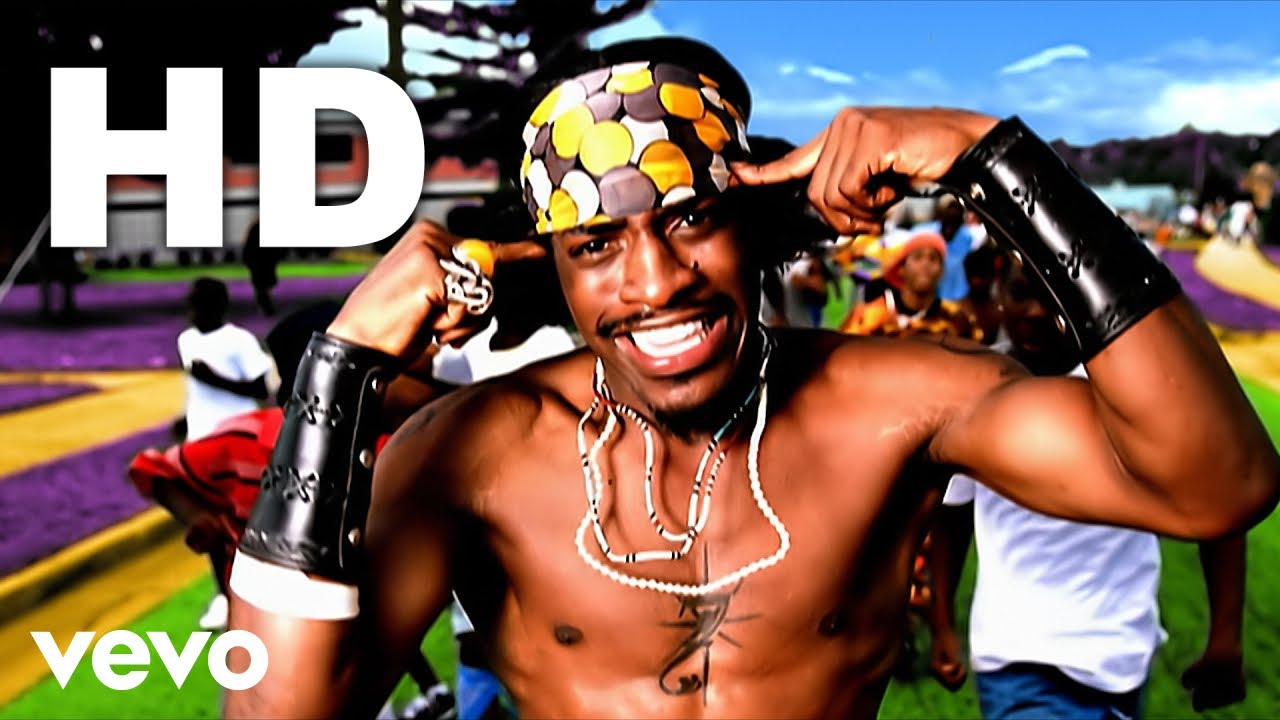
Stankonia's impossible lead single—drum'n'bass breakbeats, wailing guitar, organ, gospel choir—that radio was too scared to play in 2000. The song critics eventually crowned the decade's best.

"Oh, my God, Becky — look at her butt." Sir Mix-a-Lot's anthem to big butts spent five weeks at number one, got briefly banned by MTV, won a Grammy, and never once left the party playlist.

The Fresh Prince goes solo — and takes over the planet. 'Gettin' Jiggy Wit It,' 'Miami,' 'Just the Two of Us': radio-owning, profanity-free hip-hop from the guy who was simultaneously the biggest movie star alive. Nineteen ninety-eight belonged to Will.
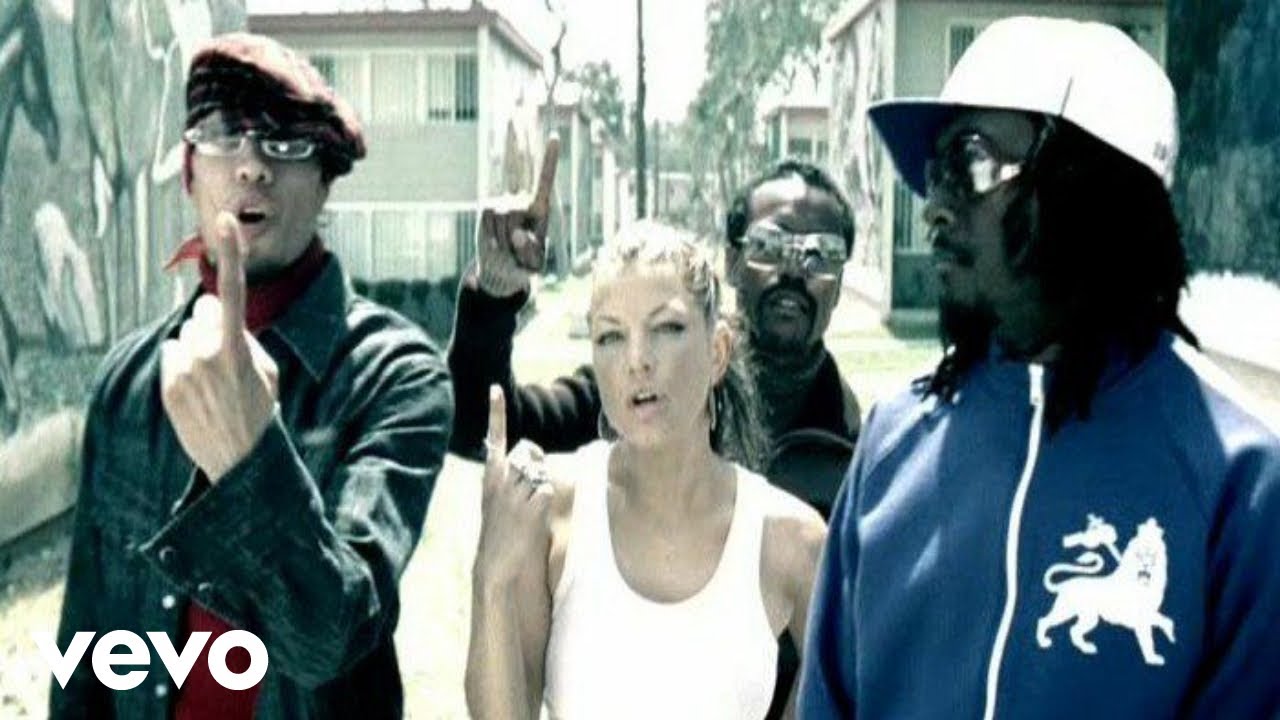
An underground L.A. hip-hop crew added a singer named Fergie and became the sound coming out of every speaker in the 2000s. From "Where Is the Love?" to "I Gotta Feeling," the Black Eyed Peas owned graduation parties, sports arenas, and wedding dance floors for the better part of a decade.
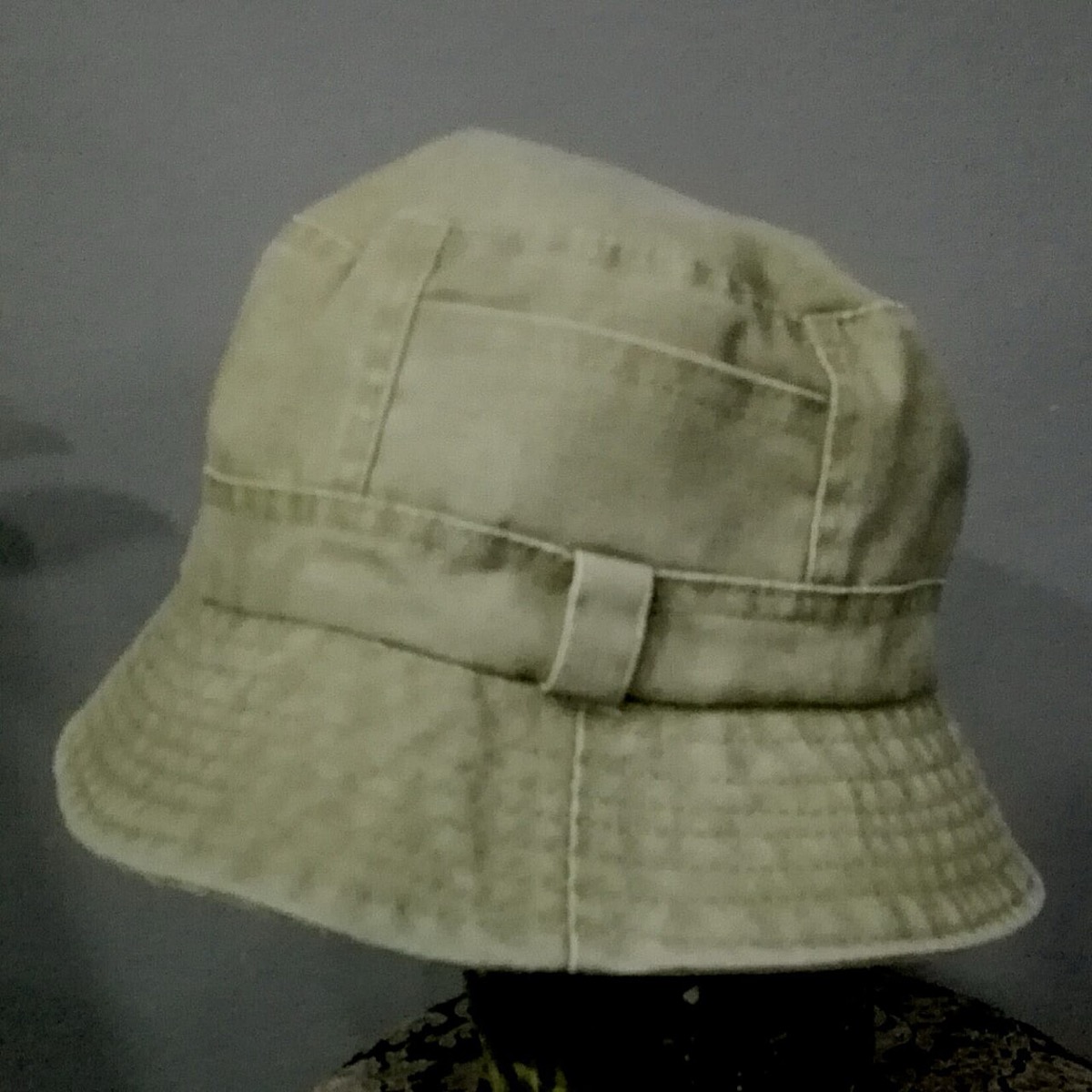
A soft crown, a downward brim you never had to shape, and no wrong way to wear it — the bucket hat was the 1990s street-fashion staple that asked nothing of anyone. Rappers made it cool in the '80s; by the '90s it sat on heads that had never heard of its farm-and-fishing past.
![Video thumbnail — Busta Rhymes - Woo-Hah!! Got You All In Check (Official Video) [Explicit]](https://i.ytimg.com/vi/EQzvQO2LcA4/maxresdefault.jpg)
The human cartoon of 90s rap—hip-hop's most watchable man, a blur of dreadlocks and rubbery limbs who moved like he was made of springs. Trevor Smith stole posse cuts for a living and built a solo career on being impossible to look away from.
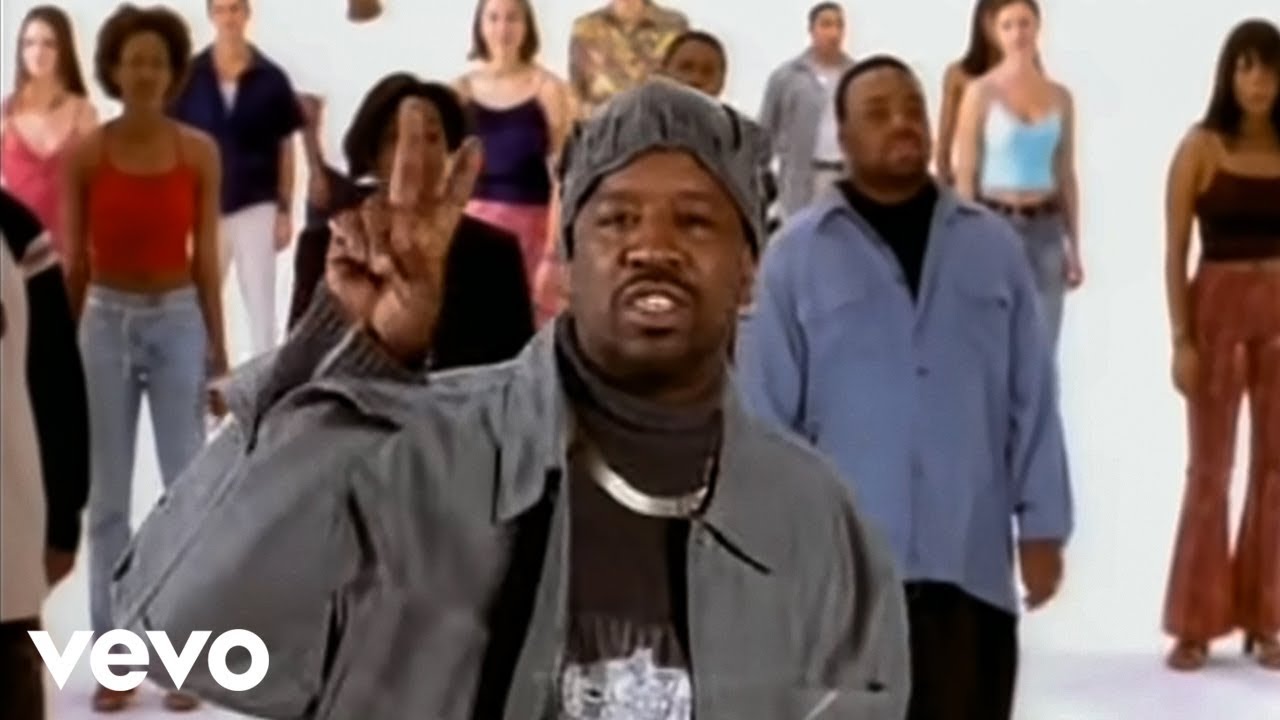
A song that came with built-in instructions. Chicago's DJ Casper wrote the routine as an aerobics exercise for his nephew in 1998; the 2000 release hit radio and never left. It didn't need to be a big chart hit — it became the one dance every wedding, school event, and skating rink could count on, because the song tells you exactly what to move.
Let it rain, and clear it out. "Chicken Noodle Soup" rode a Harlem dance from the block to grainy YouTube uploads to the Billboard charts — part of the first wave of dance crazes the internet taught America.
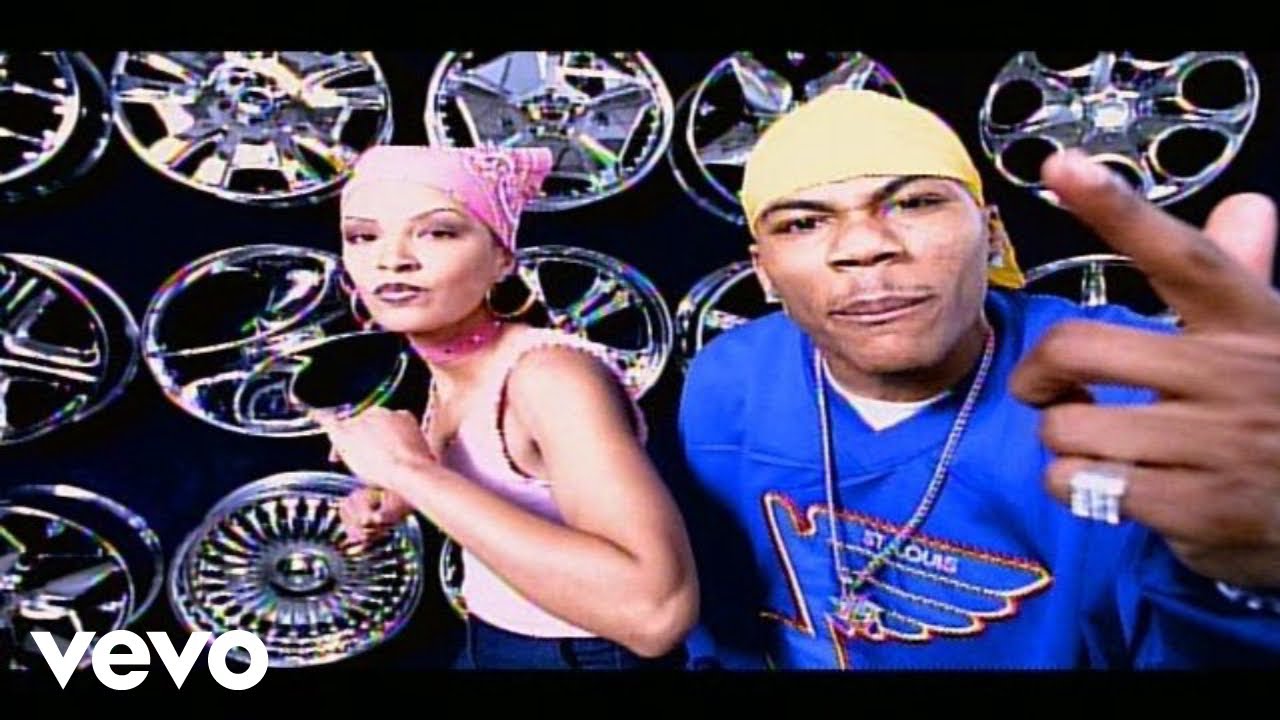
"I'm goin' down down baby, yo' street in a Range Rover..." — Nelly built his breakout single on the playground clap chant every kid already knew, and it carried St. Louis rap onto every radio in America in the summer of 2000.

Color-blocked jeans, bold-lettered tees, and a message stitched into every garment: "Clothing Without Prejudice." Cross Colours dressed the Fresh Prince, half of early-90s hip-hop, and every kid who wanted to look like MTV — then vanished almost overnight when its biggest retailer went bankrupt.
![Video thumbnail — Gym Class Heroes: Cupid's Chokehold ft. Patrick Stump [OFFICIAL VIDEO]](https://i.ytimg.com/vi/eiiU-Fky18s/maxresdefault.jpg)
"Take a look at my girlfriend" — a hook borrowed from Supertramp, sung by Fall Out Boy's Patrick Stump, rapped around by Travie McCoy. "Cupid's Chokehold" shouldn't have worked, and then it was everywhere in 2007.
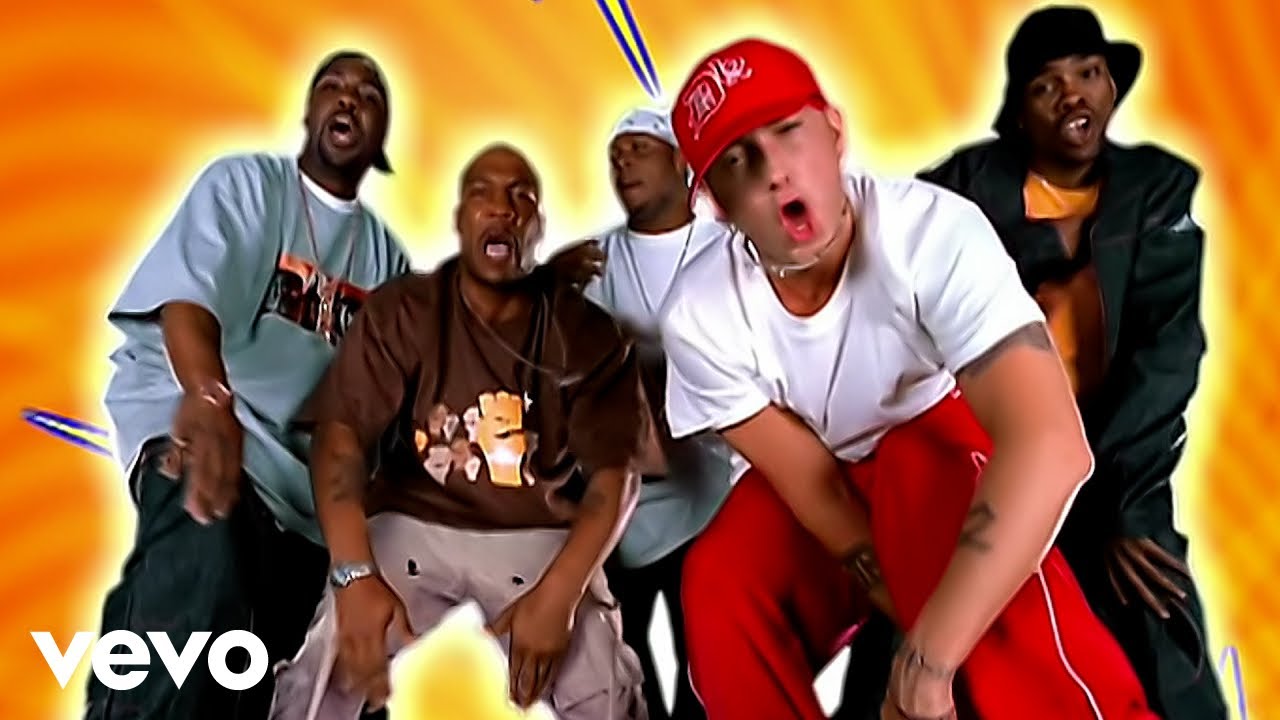
The goofy hip-hop anthem that existed in two versions simultaneously — and somehow that made it more legendary. Eminem and his Detroit crew D12 dropped a track so unapologetically silly that radio stations invented an entirely different song around it, and nobody minded.
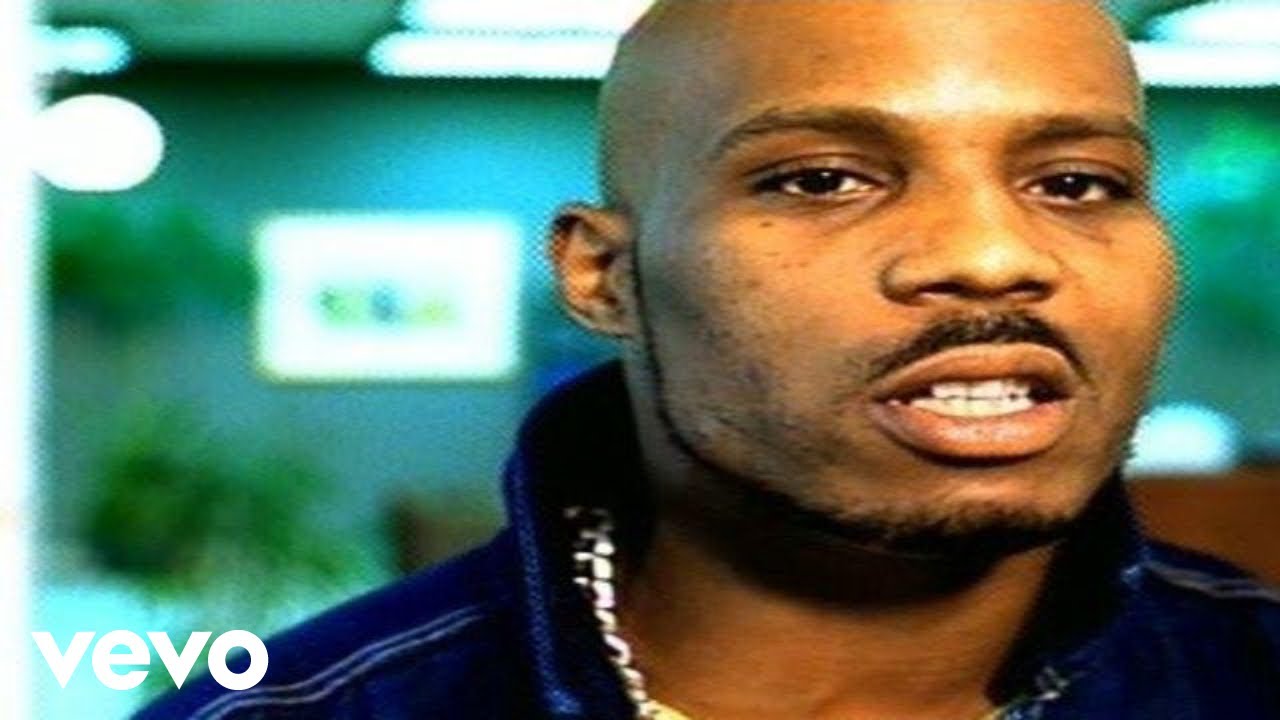
The barking Yonkers growl who crash-landed on the glossy late-90s rap charts like a dog off its chain. Earl Simmons snarled prayers over Swizz Beatz beats, made Ruff Ryders a household name, and opened a #1 movie at the box office. Equal parts menace and open wound, he was hip-hop's most ferocious voice when it needed one most.
Tongue clicks, a skeletal beat, and total confidence. The Neptunes stripped hip-hop down to almost nothing in 2004, and it became the biggest rap song of the decade — and, incredibly, Snoop Dogg's first #1 ever.
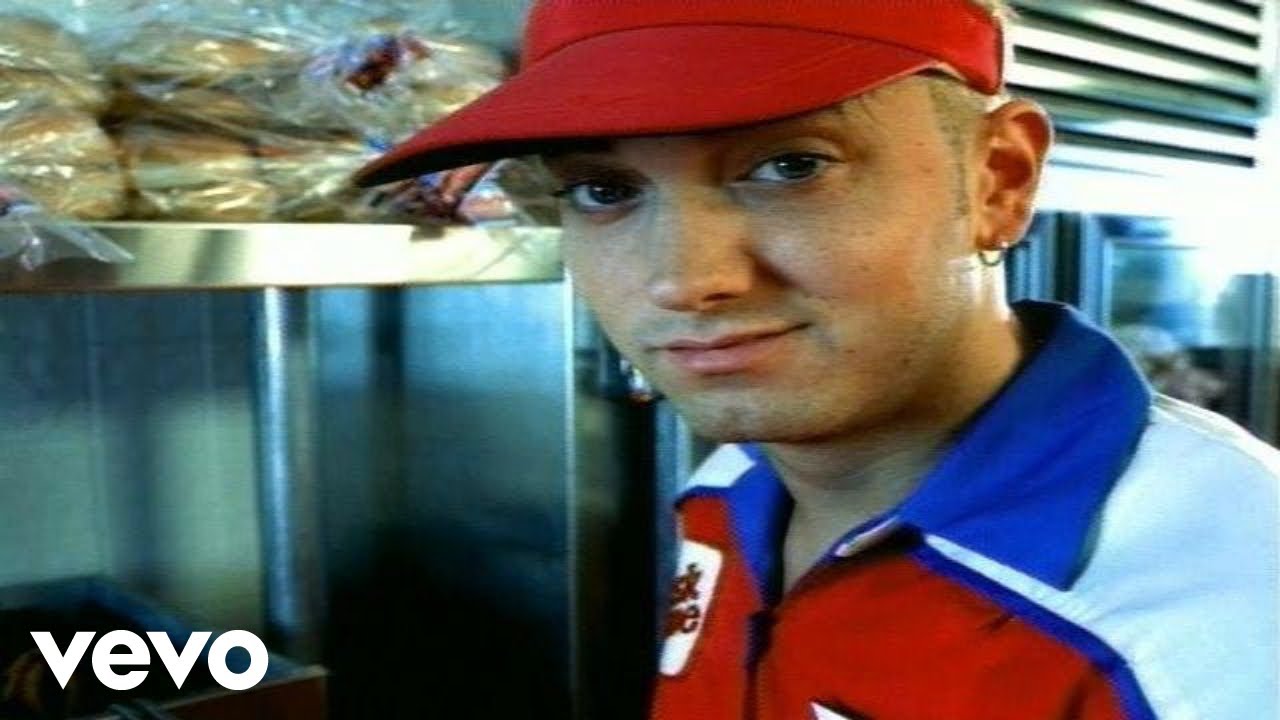
Marshall Mathers from Detroit, a white rapper in a Black art form, exploded into stardom with shock-rap alter ego Slim Shady and relentless rhymes. The blond buzzcut, unapologetic controversy, Dr. Dre mentorship, and hits like 'Stan' and 'The Real Slim Shady' made him the biggest and most polarizing star in music during the early 2000s.
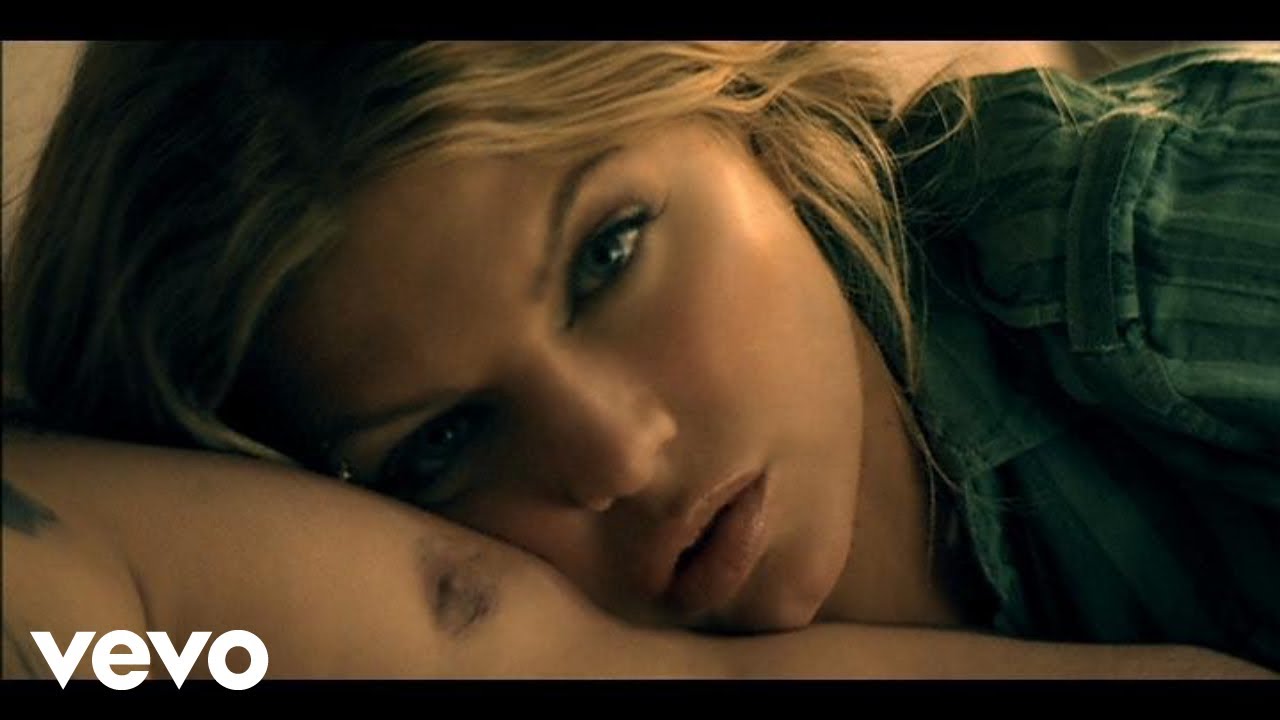
Stacy Ann Ferguson went from Saturday-morning TV to the voice that powered the Black Eyed Peas' commercial earthquake, then walked straight into solo stardom in 2006. "London Bridge," "Glamorous," "Big Girls Don't Cry" — three Hot 100 chart-toppers off one album — sewed her into the fabric of 2000s pop.
![Video thumbnail — Flo Rida - Low (feat. T-Pain) [Official Video]](https://i.ytimg.com/vi/U2waT9TxPU0/hqdefault.jpg)
Apple bottom jeans, boots with the fur. One line, and Flo Rida's 2007 debut single became the ringtone anthem of school cafeterias and bus seats everywhere — ten straight weeks at number one, and Billboard's #1 song of 2008.
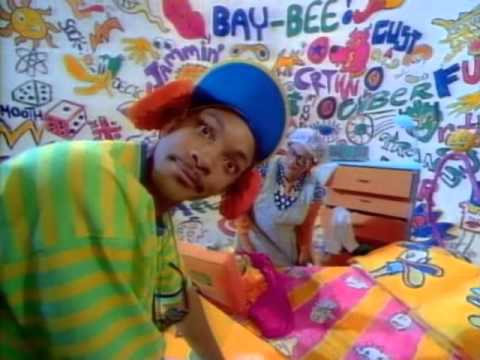
NBC's six-season hit brought hip-hop culture to mainstream network TV, launching Will Smith from music-industry crisis to acting stardom. A sitcom pitched by music manager Benny Medina about his own rags-to-riches story, it gave the world one of the most recited theme songs ever — and Alfonso Ribeiro's Carlton Dance defined a generation's pop-culture moves.
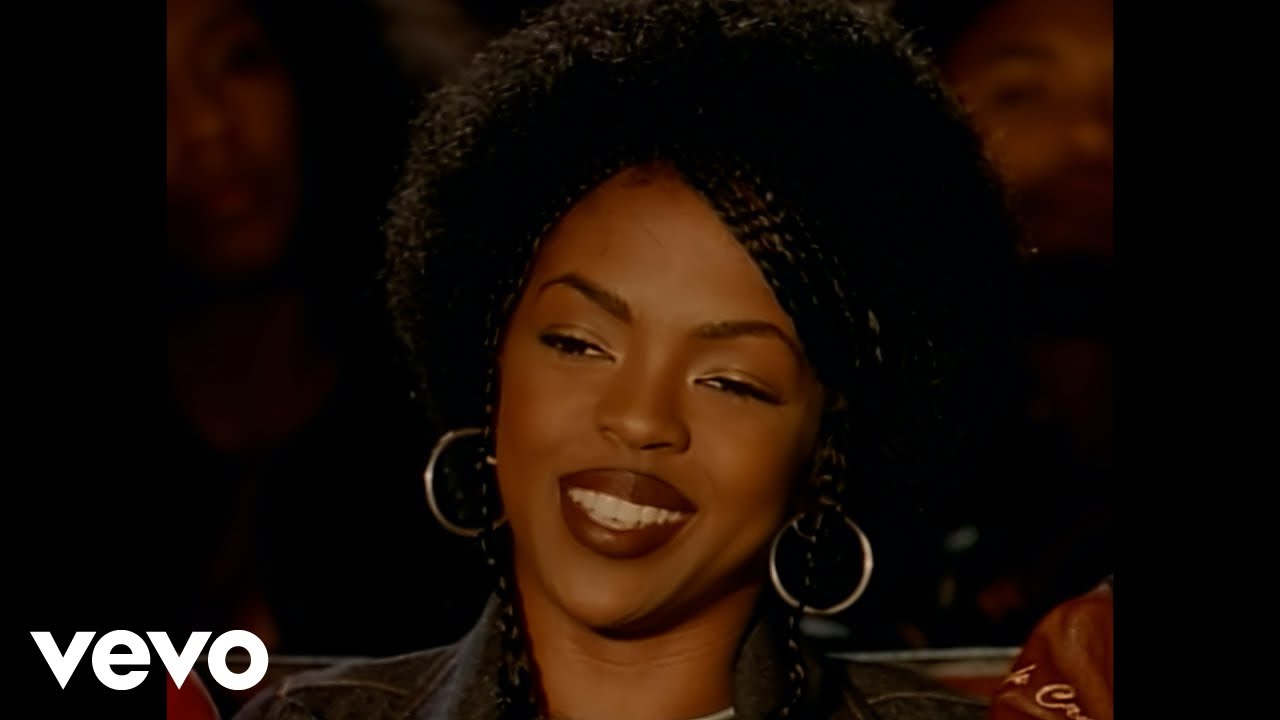
Lauryn Hill, Wyclef Jean, and Pras turned a 1973 soul classic into a hip-hop anthem and reminded the world that cover songs could dominate the charts. The Fugees' second album was one of the best-selling hip-hop albums ever — and also, mysteriously, their last.
![Video thumbnail — Coolio - Gangsta's Paradise (feat. L.V.) [Official Music Video]](https://i.ytimg.com/vi/fPO76Jlnz6c/maxresdefault.jpg)
The rare rap song that made parents and teenagers converge on the same chorus, and the moment gangsta rap genuinely crossed over into the mainstream. Coolio's dead-serious delivery over a gospel choir and an interpolation of Stevie Wonder proved that the genre had gone everywhere.
50 Cent's explosive 2003 debut album, released on Eminem's and Dr. Dre's labels (Shady/Aftermath/Interscope), became one of the best-selling albums of the era. Anchored by massive hits like "In da Club," "21 Questions," and "P.I.M.P.," the album announced 50 Cent as a superstar and defined early 2000s rap radio. His backstory — surviving being shot nine times — became central to his larger-than-life persona.
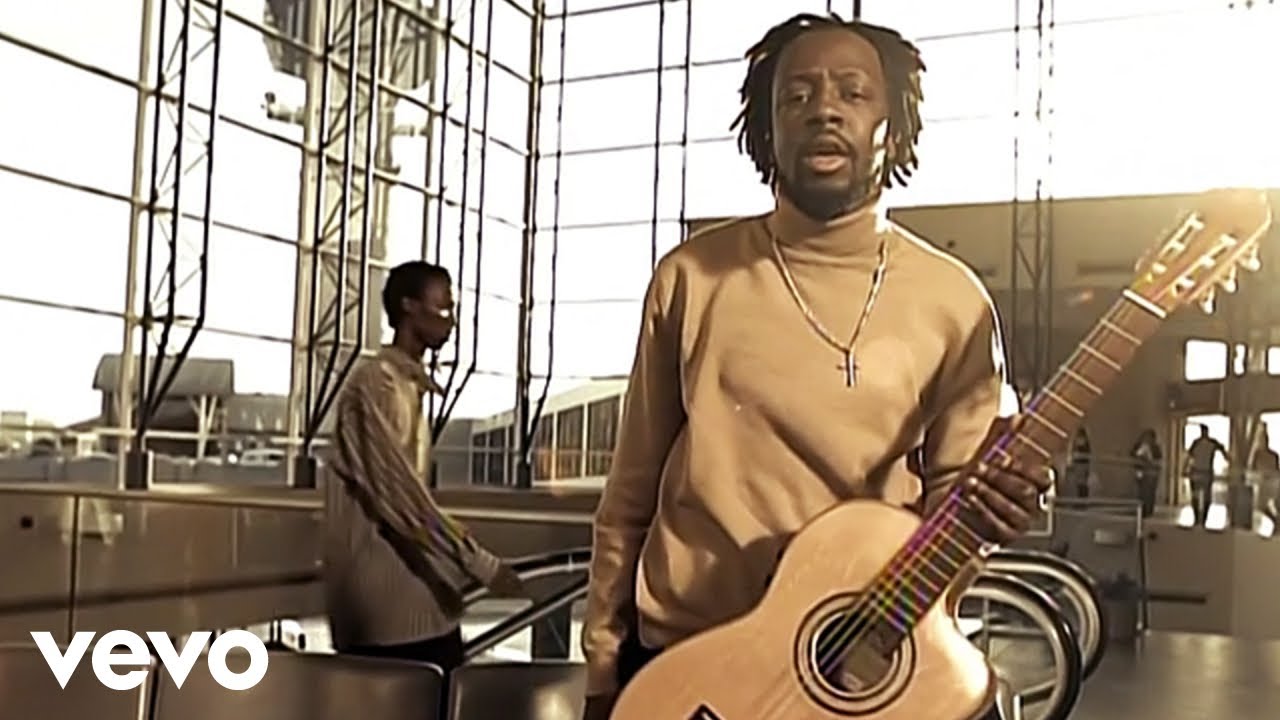
A drug runner's goodbye letter set to strings performed by the New York Philharmonic — the tenderness wrapped around an unsentimental story is the whole song. Released in late 1997 from The Carnival, it hit #7 on the Hot 100 and proved a solo Wyclef could carry a hit without the Fugees.
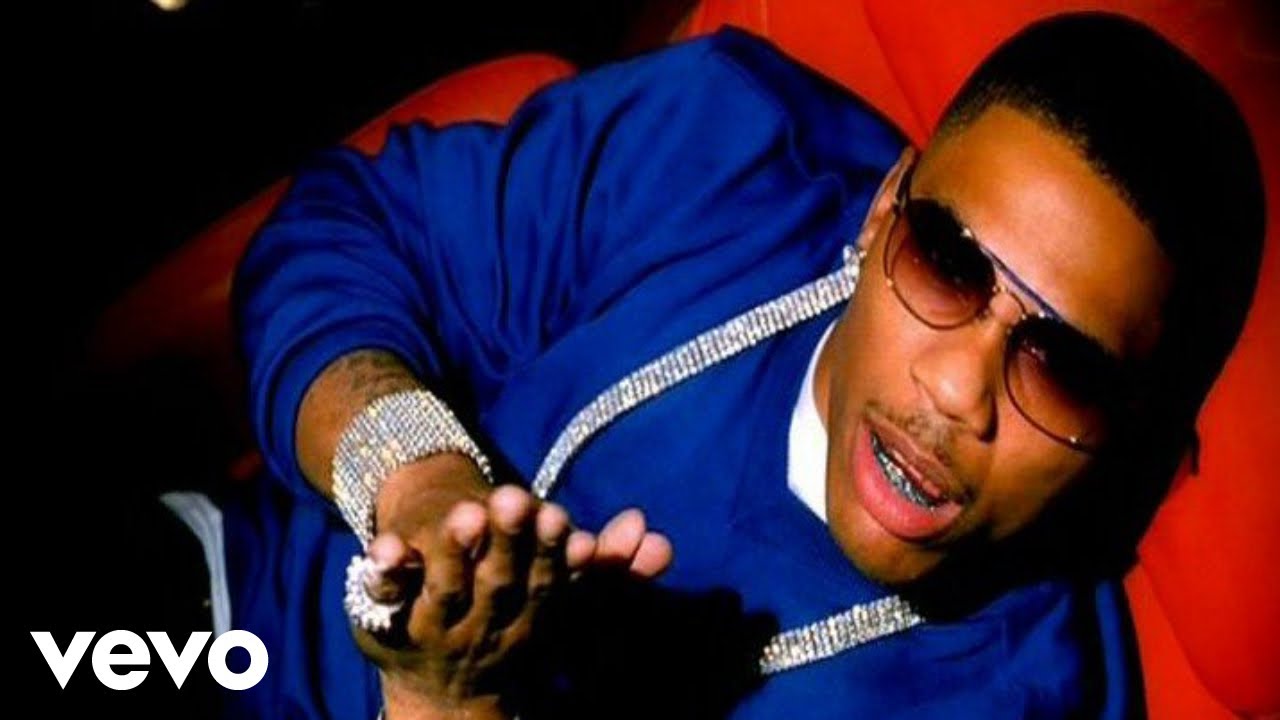
Removable gold and diamond teeth went from Southern hip-hop signature to national obsession, and for a couple of years the shiniest thing at the mall kiosk was dental. Nelly put the moment on wax — "Grillz" hit number one — and every yearbook from 2006 has at least one kid flashing a mouthful of metal.
Stop, collaborate and listen: the B-side nobody wanted became the first hip-hop single ever to top the Billboard Hot 100. Vanilla Ice rode the "Under Pressure" bassline to the top of the charts — without crediting Queen or David Bowie, sparking one of music's landmark copyright fights.

Keenen Ivory Wayans brought irreverent Black sketch comedy to primetime and stacked the cast with unknowns named Jim Carrey, Jamie Foxx, and David Alan Grier — while the Fly Girls' dance breaks included a young Jennifer Lopez. It won an Emmy in its first season, and its live Super Bowl halftime stunt rewrote how the NFL books the big game.

Shawn Corey Carter rose from Marcy Projects hustler to rap's defining CEO, making the 2000s the decade when hip-hop conquered the boardroom. His Imperial period—from Hard Knock Life through The Black Album and beyond—turned street rap into stadium singalongs and Grammy gold. Jay-Z didn't just make hits; he made an industry, proving rappers could own their own records and empires. The 2000s belonged to him.

Rick Rubin stripped Jay-Z down to bare guitar and cowbell, and the Marcy Projects kid recited a real 1994 traffic stop so precisely that a law professor later published a journal article dissecting it. "99 Problems" was endlessly quotable, taught in law schools, and inescapable in 2004—the sound of Jay-Z staging his own exit.
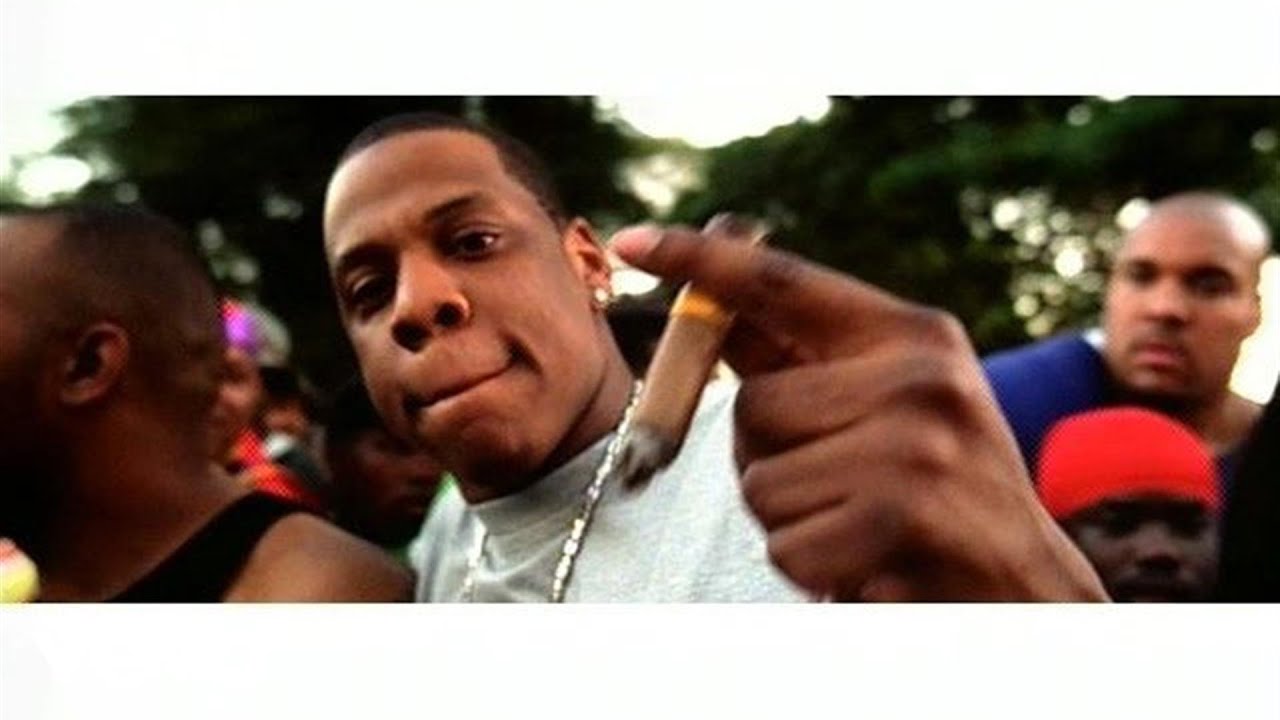
Timbaland looped a flute line from a 1957 Egyptian melody, Houston's UGK traded verses with Jay-Z, and the result was the yacht-party anthem of 2000. The song was iconic enough to fuel a decade-long copyright fight—and brash enough that Jay-Z himself later disowned the lyrics in the Wall Street Journal.

Jay-Z's breakthrough single samples the orphans' chorus from Broadway's Annie, turning the hardest block-level rap into a stadium singalong. The song that taught America—and taught Broadway—that hip-hop didn't need permission to reinvent itself. A masterclass in audacity that cleared the charts and rewrote the rules.

The kangaroo-logo hat that lived three lives: a British beret maker from 1938, the crown of 80s hip-hop, and — the moment this entry exists for — the backwards Kangol 504 on Samuel L. Jackson's head in Jackie Brown, which put the brand right back on the map for the late 90s.

An in-house producer known for chopping soul samples into "chipmunk soul" beats insists he's also a rapper. Nobody buys it. Then he nearly dies in a car crash, records a single about it with his jaw wired shut, and delivers one of the defining debuts in hip-hop history.
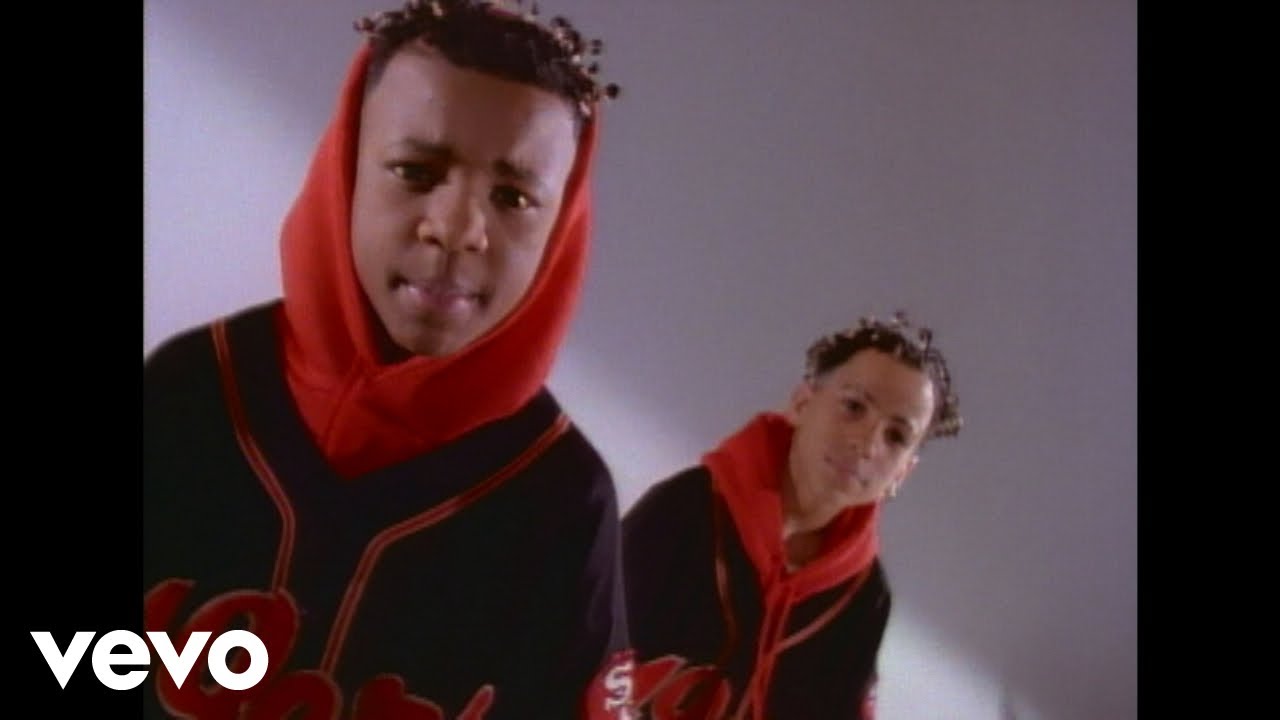
Two Atlanta kids in backwards clothes spent eight weeks at No. 1 with "Jump" — at 13, charting at an age no hip-hop group had matched. For one glorious stretch of 1992, half the playgrounds in America turned their jeans around.

Crunk's king — jeweled goblet, dark shades, dreads, and a three-word vocabulary delivered at maximum volume. Jonathan Smith came up through Atlanta's rap scene and spent the mid-2000s making the loudest, most fun records on the radio. He didn't just ride the decade; he supplied its energy.
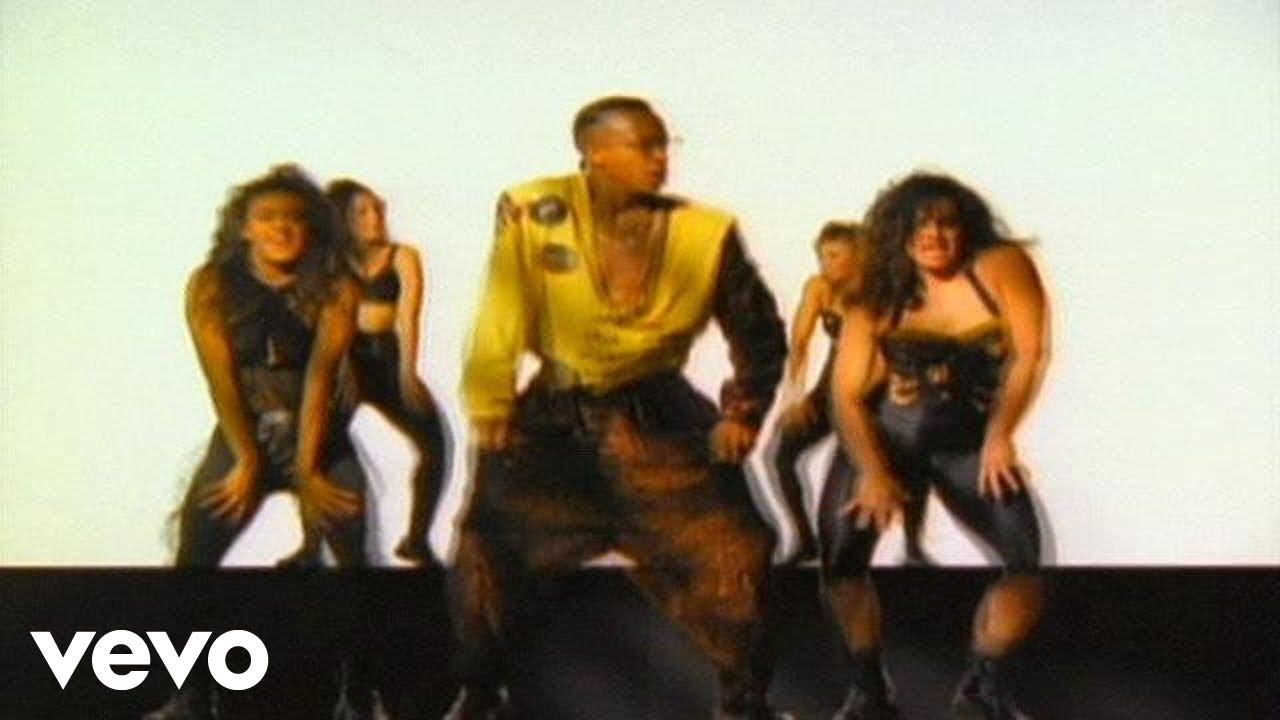
Parachute pants, nonstop choreography, and a chart run nobody could touch: in 1990 MC Hammer turned Oakland showmanship into the first diamond-certified hip-hop album and a one-man merchandise empire — dolls, lunchboxes, his own Saturday-morning cartoon. By 1996 the fortune was gone, but the silhouette of those pants is stamped on the decade forever.

A Houston rapper who said his own name until you couldn't forget it — "Who? Mike Jones!" — then gave out his real cell number and actually answered when you called. Before social media, Mike Jones WAS the direct line.
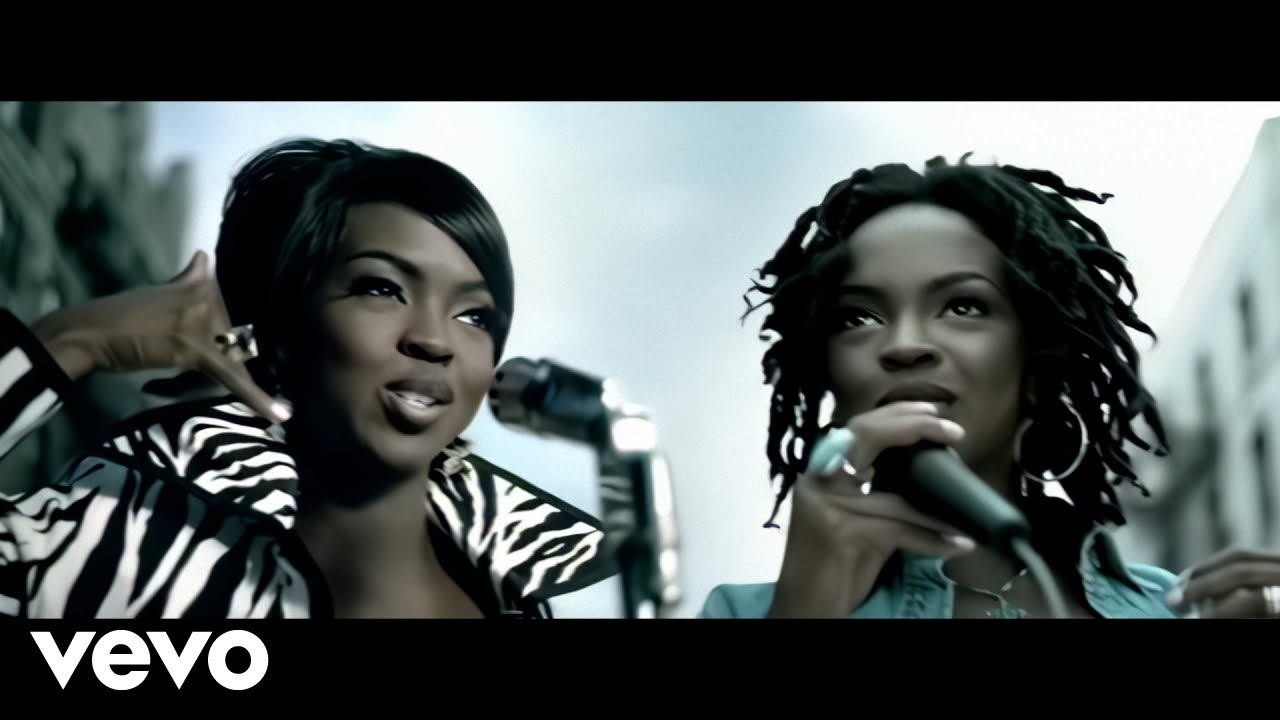
Lauryn Hill's solo debut album, a genre-blending masterpiece that merged hip-hop, neo-soul, and R&B into a landmark release. Released in August 1998, it featured the hit singles "Doo Wop (That Thing)" and "Ex-Factor," establishing Hill as a solo artist of remarkable range and depth.
![Video thumbnail — Missy Elliott - Work It [Official Music Video]](https://i.ytimg.com/vi/cjIvu7e6Wq8/maxresdefault.jpg)
A shape-shifting visionary who moved between producer, rapper, and video icon — the futurist behind "The Rain," "Get Ur Freak On," and "Work It," whose jaw-dropping videos defined how hip-hop looked in the early 2000s. Simultaneously avant-garde and wildly successful.
![Video thumbnail — Ne-Yo - Miss Independent [Official Video]](https://i.ytimg.com/vi/k6M5C-oKw9k/maxresdefault.jpg)
The guy who wrote some of the biggest R&B songs of the mid-2000s before his own voice became equally unavoidable. Ne-Yo went from invisible hitmaker to chart-dominating artist in one album cycle — and never stopped being both at once.
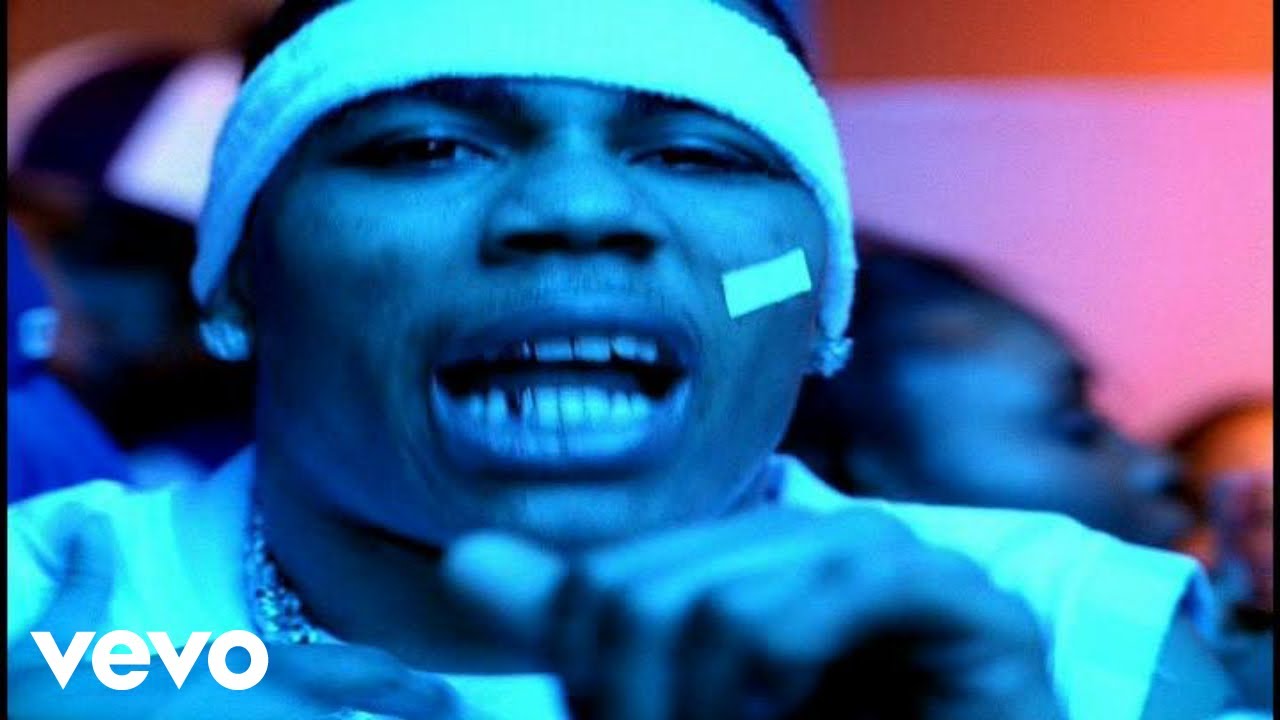
For the first half of the 2000s, Nelly was pop-rap's biggest crossover star — the Band-Aid-cheeked St. Louis rapper behind "Hot in Herre" and "Dilemma," a run of singalong hits that owned radio, MTV, and the charts.

White-on-white, box-fresh, and heaven help whoever stepped on them. A 1982 basketball shoe became THE sneaker of 2000s hip-hop — bought two pairs at a time, wiped down mid-day, and immortalized when Nelly wrote a whole song about needing them.
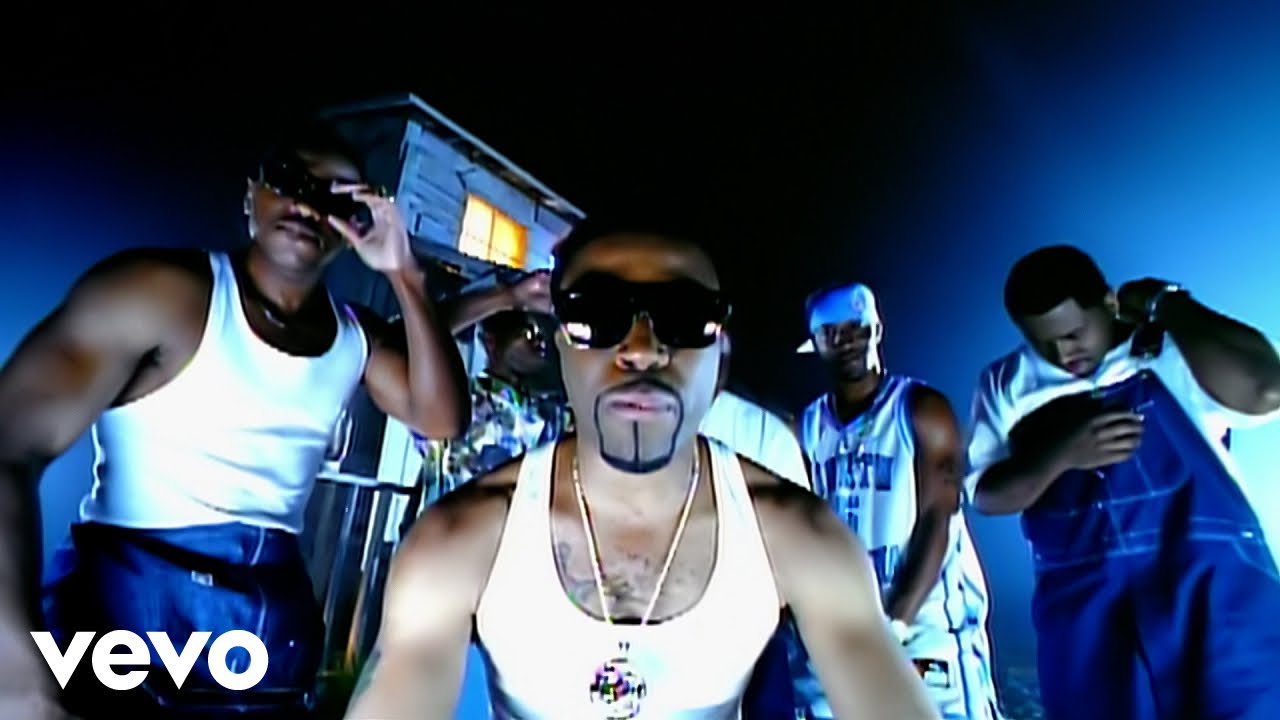
That piano loop, that Bill Withers sample, Dr. Dre's shoulder-brushing opening rap — 'No Diggity' was instant cool in 1996 and has never once stopped being cool since. Blackstreet's smooth-with-an-edge chart-topper is the 90s R&B song everybody still knows every word to.
![Video thumbnail — The Notorious B.I.G. - Juicy (Official Video) [4K]](https://i.ytimg.com/vi/_JZom_gVfuw/maxresdefault.jpg)
Brooklyn's rap king — Christopher Wallace, aka Biggie Smalls — whose effortless flow and vivid street storytelling made him the defining East Coast voice of the mid-90s. His 1997 murder, still unsolved, cut short one of hip-hop's greatest careers at just 24.
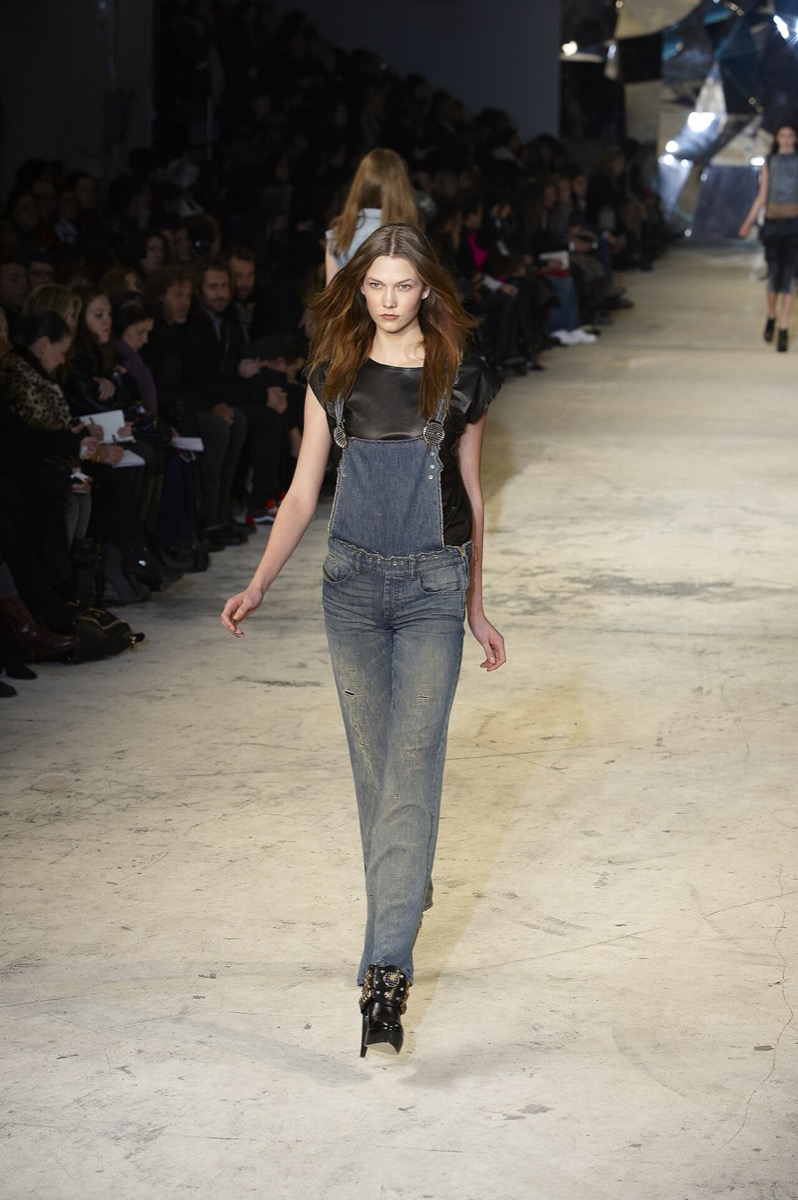
Overalls with one shoulder strap deliberately unhooked and dangling — a 1990s look straight out of hip-hop — Will Smith made it Fresh Prince canon — copied by every kid with access to denim. The buckle clanked when you ran. Fastening both straps meant you weren't cool.
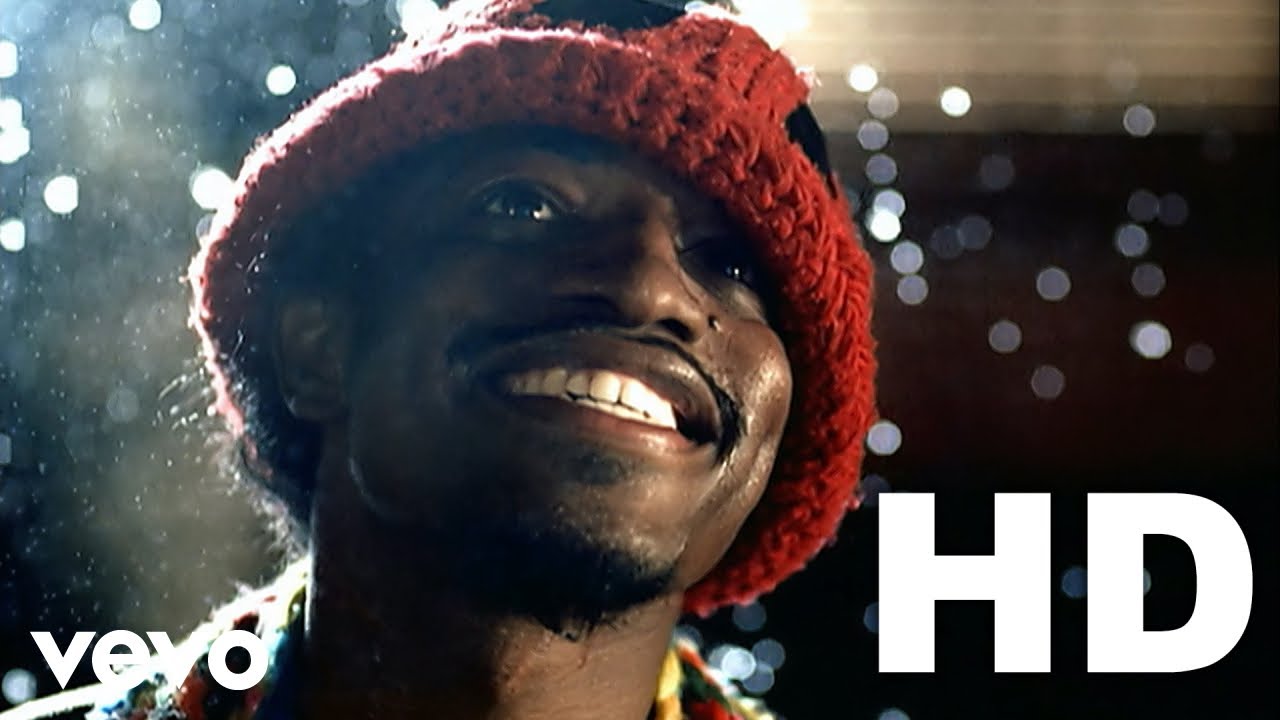
André 3000 and Big Boi met as teenagers at Lenox Square mall in Atlanta and launched one of hip-hop's most fearless acts. The South got something to say—literally—and hip-hop would never ignore it again.
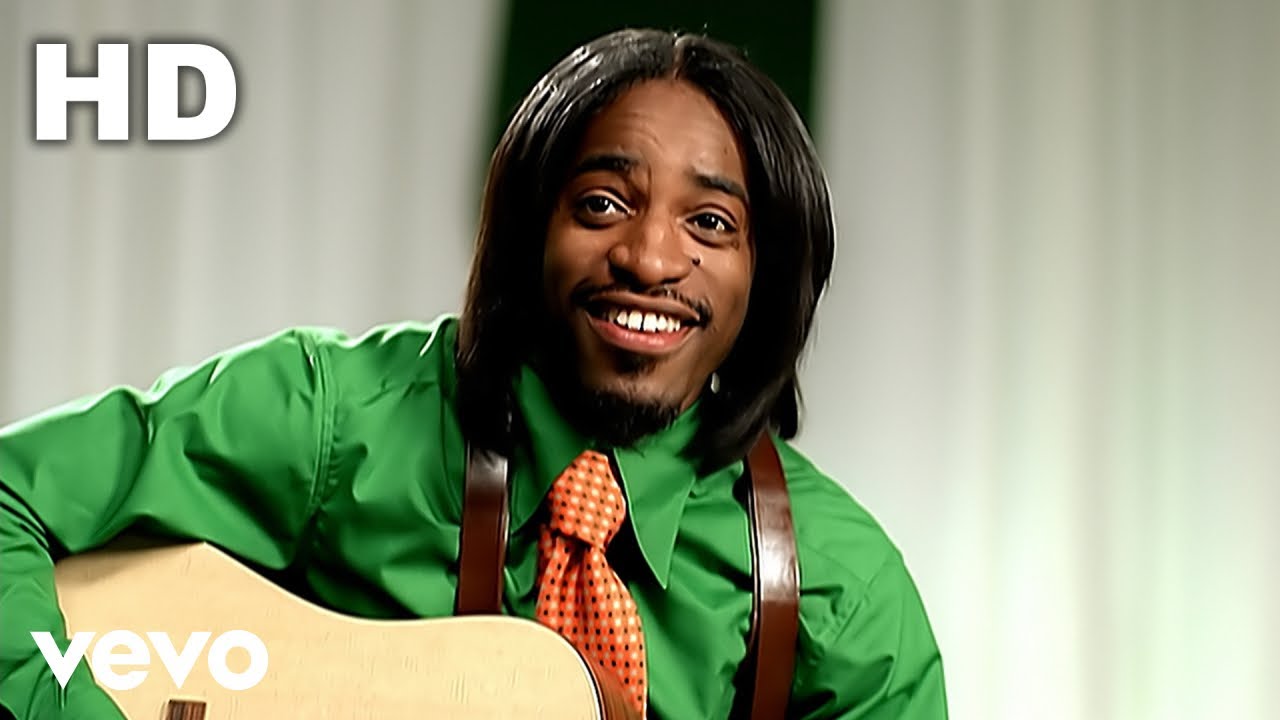
OutKast's 2003 double album—one solo disc each for André 3000 and Big Boi—became an unstoppable cultural force. Anchored by the inescapable #1 hit "Hey Ya!" ("shake it like a Polaroid picture") and the smooth groover "The Way You Move," the album won a Grammy for Album of the Year and achieved diamond certification. Radio and MTV were inundated.
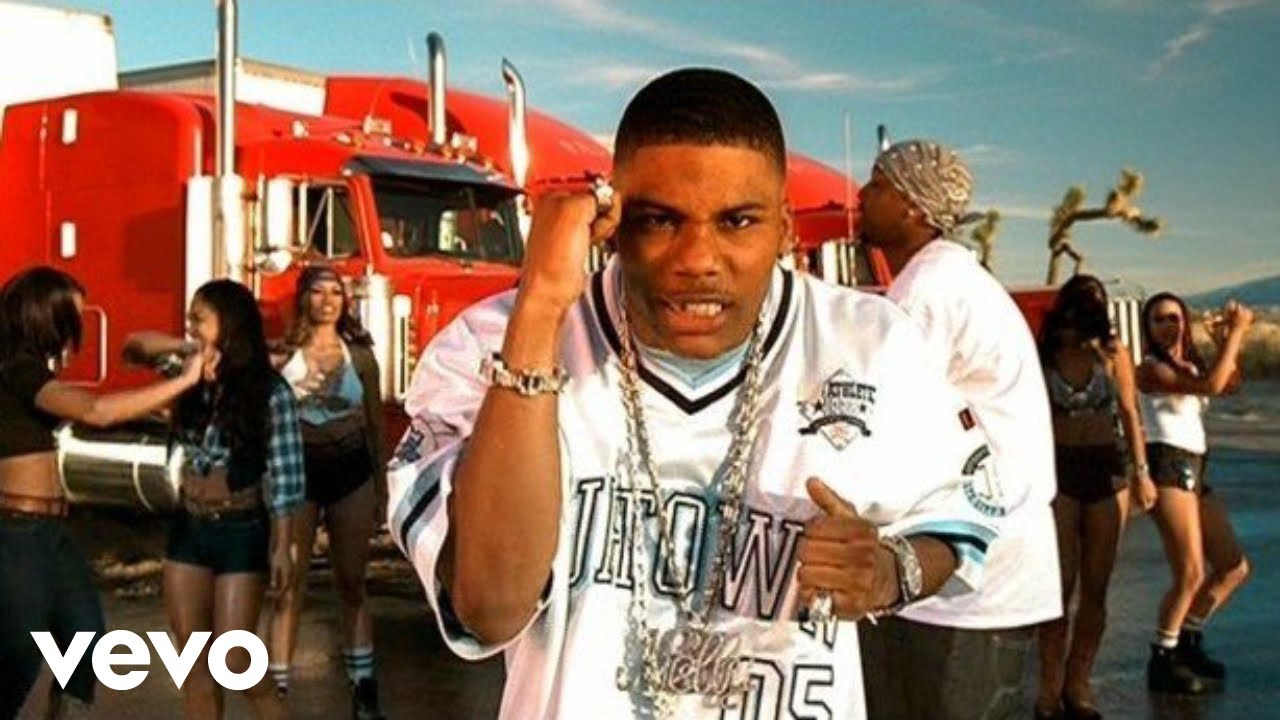
"If you wanna go and take a ride wit me..." — HEY, MUST BE THE MONEY! Nelly's acoustic-guitar bounce was the sound of every radio, mall, and school bus in 2001, the laid-back victory lap off Country Grammar.
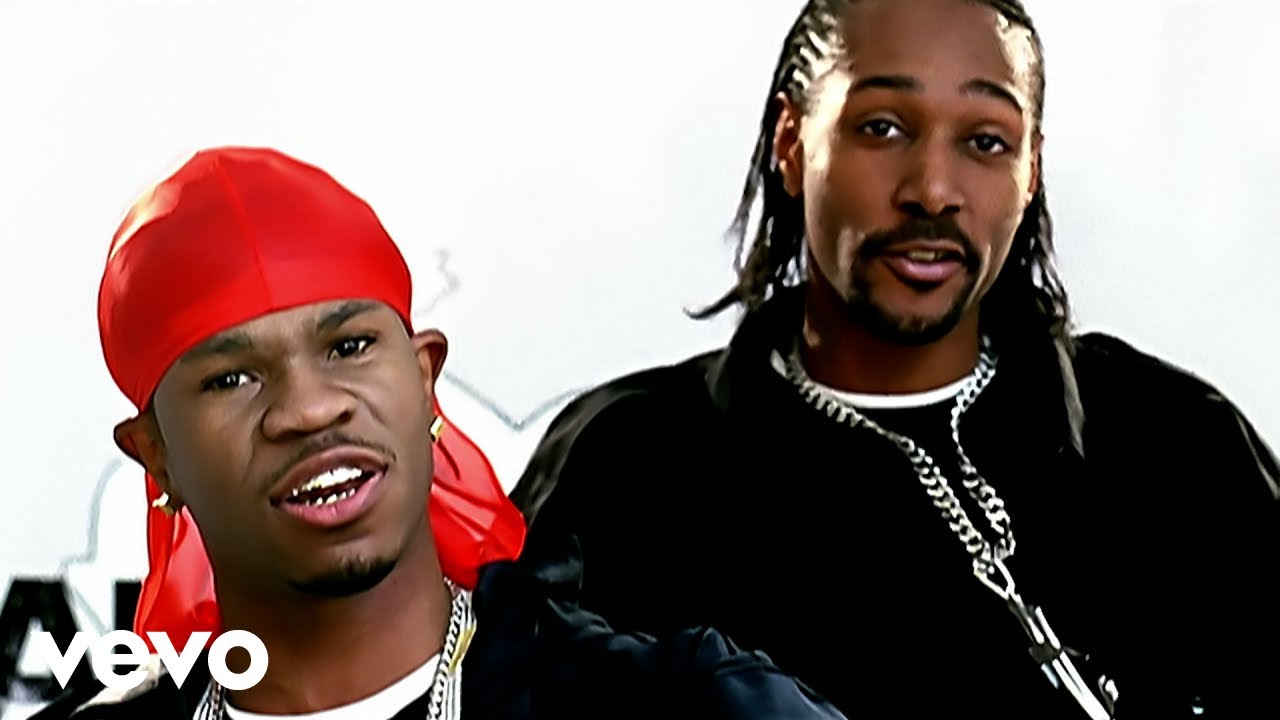
A Houston rapper's song about profiling that climbed to No. 1, spent 31 weeks on the chart, and became the best-selling ringtone of 2006. "They see me rollin', they hatin'" echoed from every flip phone in America.
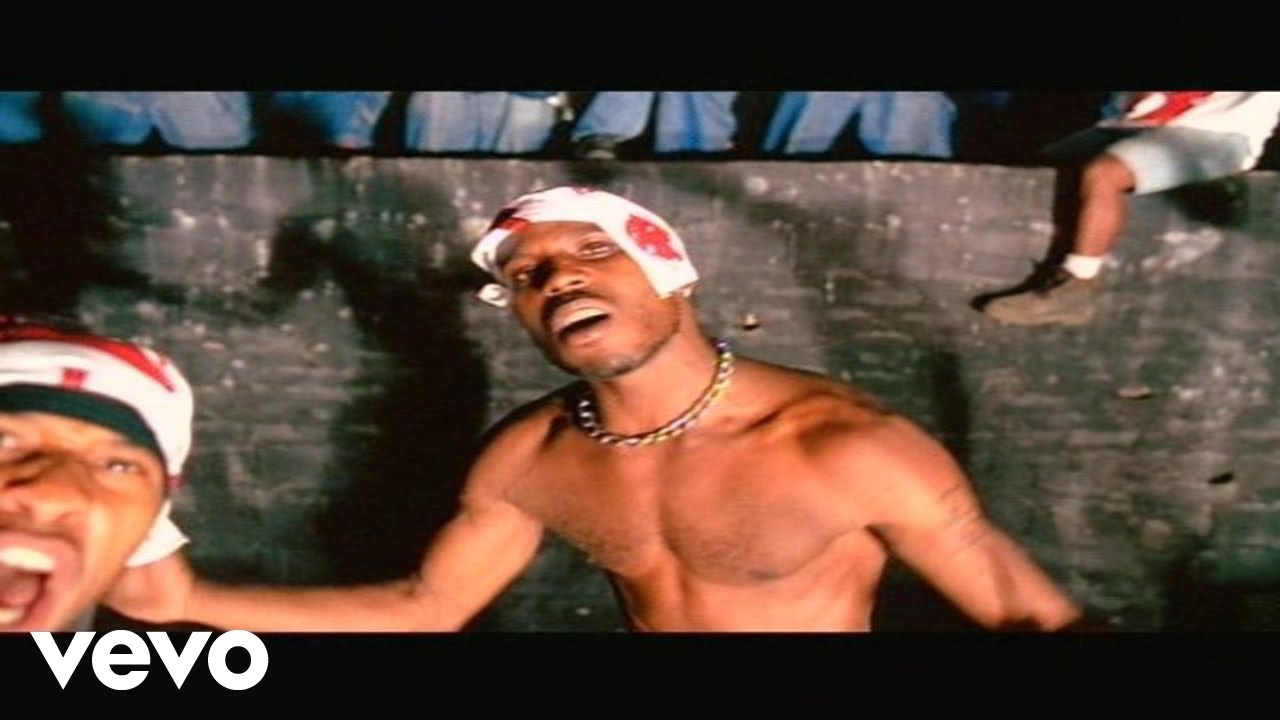
DMX's signature moment wasn't supposed to happen. A 19-year-old producer's first beat sale, nearly rejected by the star himself for sounding "too rock 'n' roll," became one of the most iconic hooks of its era—all "stop, drop, shut 'em down, open up shop" and dirt-bike imagery.
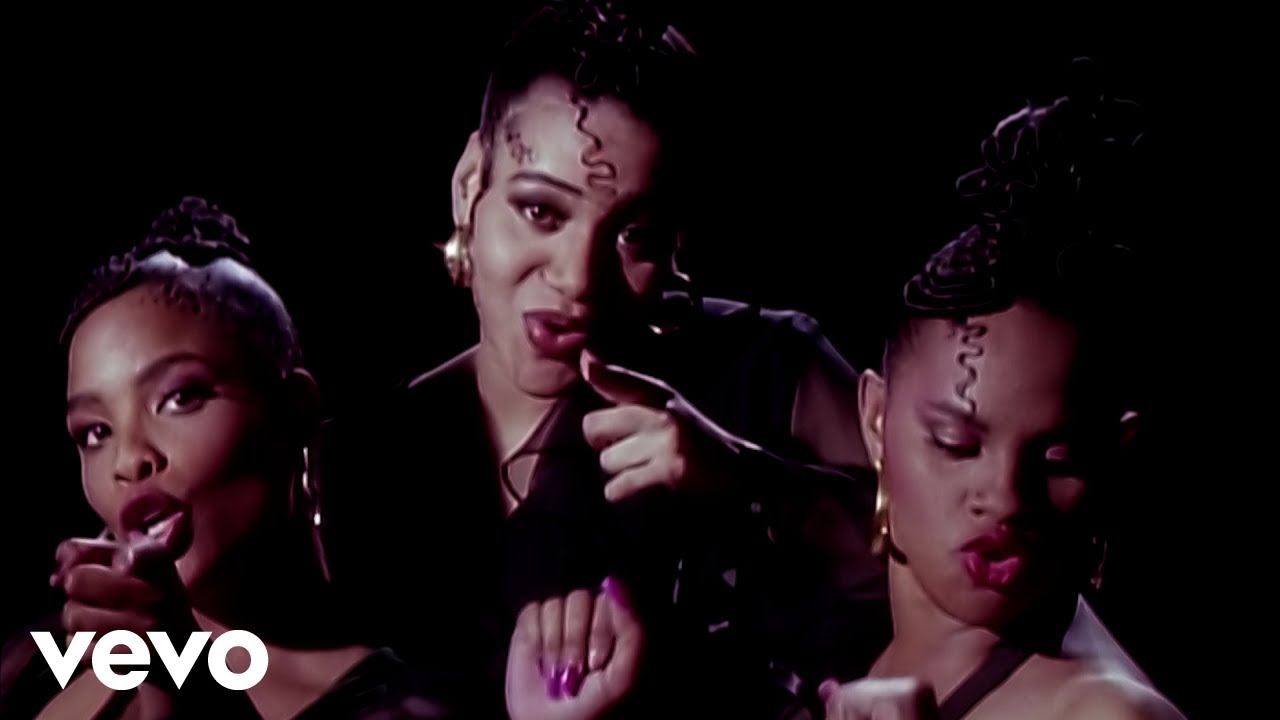
Three women put frank, funny, sex-positive talk on pop radio at the height of the AIDS crisis, daring stations to blink and winning with a wink. Salt-N-Pepa turned consent and pleasure into a chart singalong—and later spun the same beat into an act of public health, rewriting the verse to preach AIDS prevention.
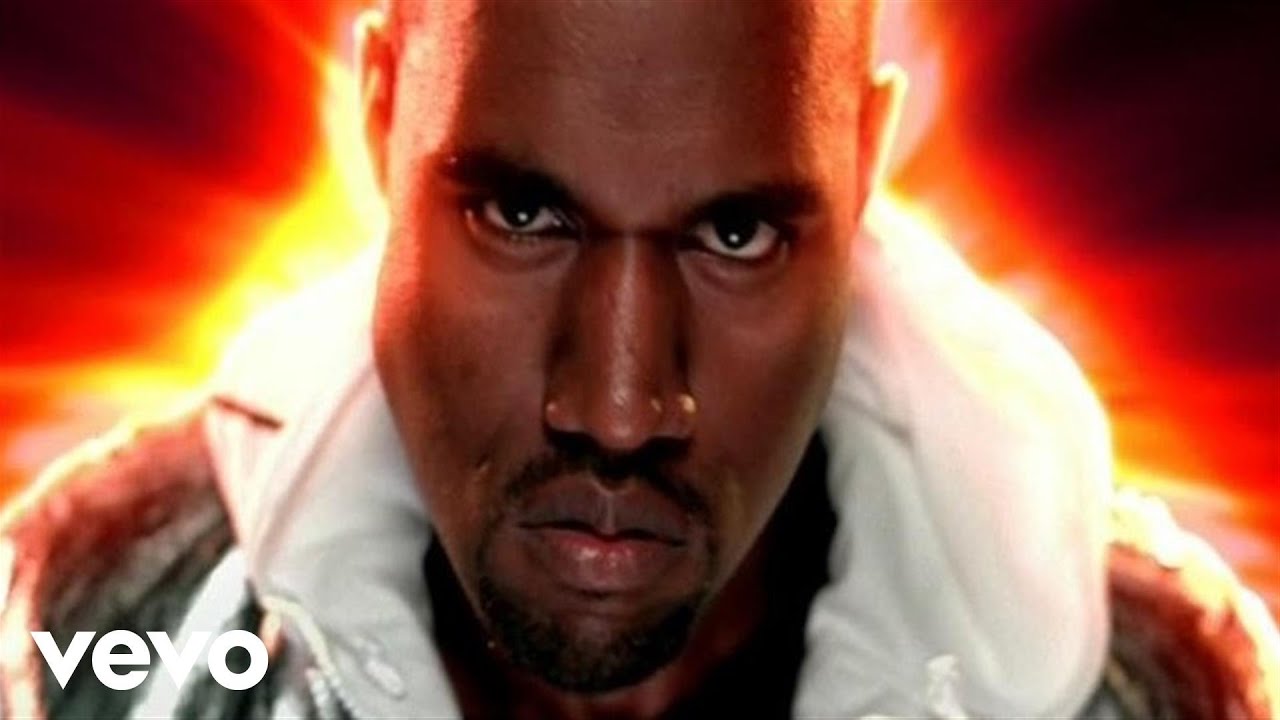
Sunglasses with no lenses — just plastic slats, like Venetian blinds for your face. After Kanye West wore a white pair in the "Stronger" video, shutter shades conquered every mall kiosk, party photo, and MySpace profile picture of 2007–2008, despite being objectively worse than sunglasses at everything sunglasses do.
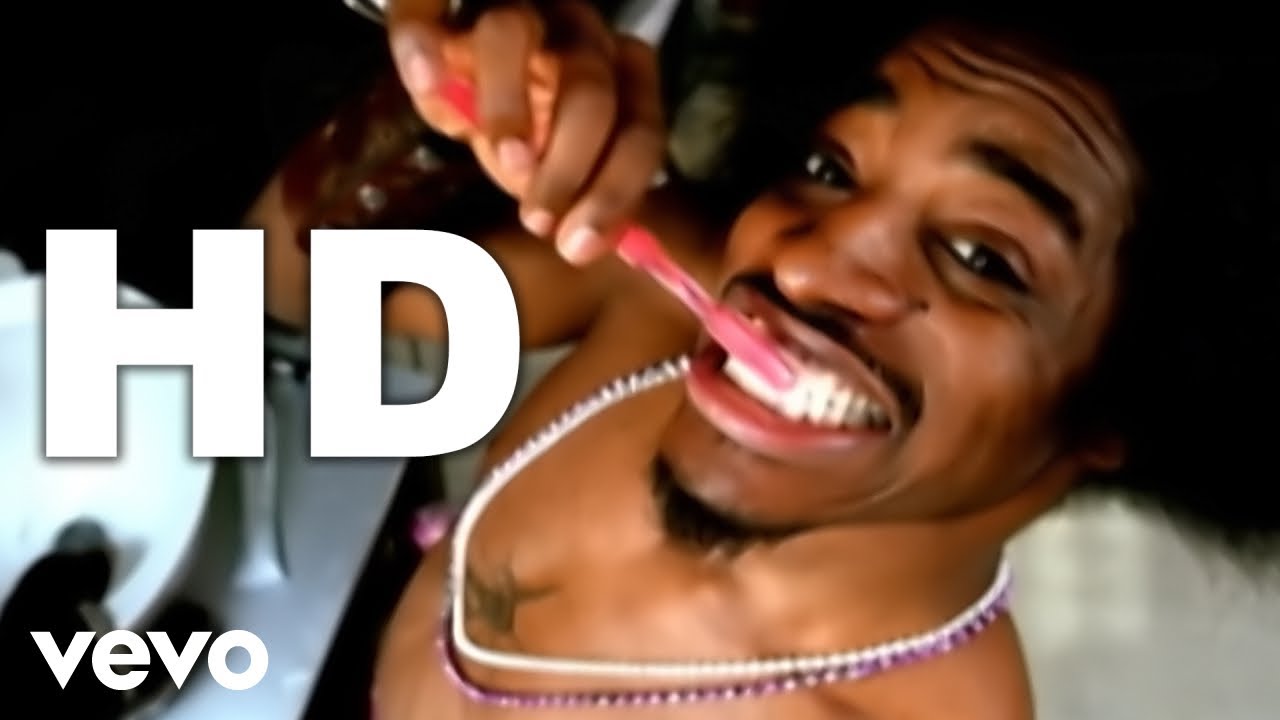
OutKast's getting-dressed anthem and cultural forever-favorite. A Sleepy Brown hook over a Joe Simon soul sample that became the decade's smoothest flex. The video was a visual extravaganza—CGI backdrops, a beauty parlor, church scenes, and cameos from Ludacris, Chilli, and Goodie Mob.
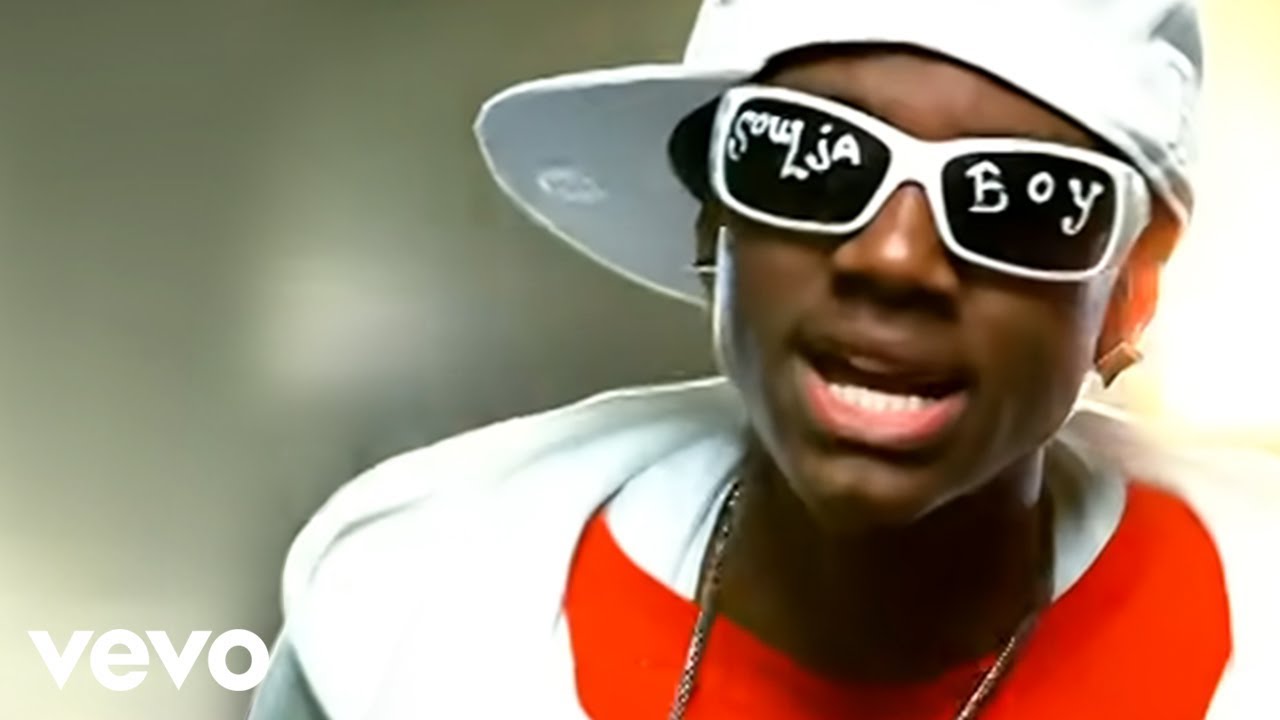
A 16-year-old self-produced a ringtone rap that conquered MySpace, YouTube, and every school talent show. The Superman dance was inescapable, the song spent weeks at #1, and nobody asked permission from traditional radio.
![Video thumbnail — Dr Dre - Nuthin' But A "G" Thang [Official Music Video]](https://i.ytimg.com/vi/8GliyDgAGQI/hqdefault.jpg)
Dr. Dre's solo debut, released December 15, 1992, defined G-funk—whining synth leads over deep bass and laid-back drawl—and introduced Snoop Doggy Dogg to the world as the breakout star. The Chronic went multi-platinum, won a Grammy, hit #2 on the Hot 100 with 'Nuthin' but a 'G' Thang,' and reshaped the sound of hip-hop radio for the rest of the decade.
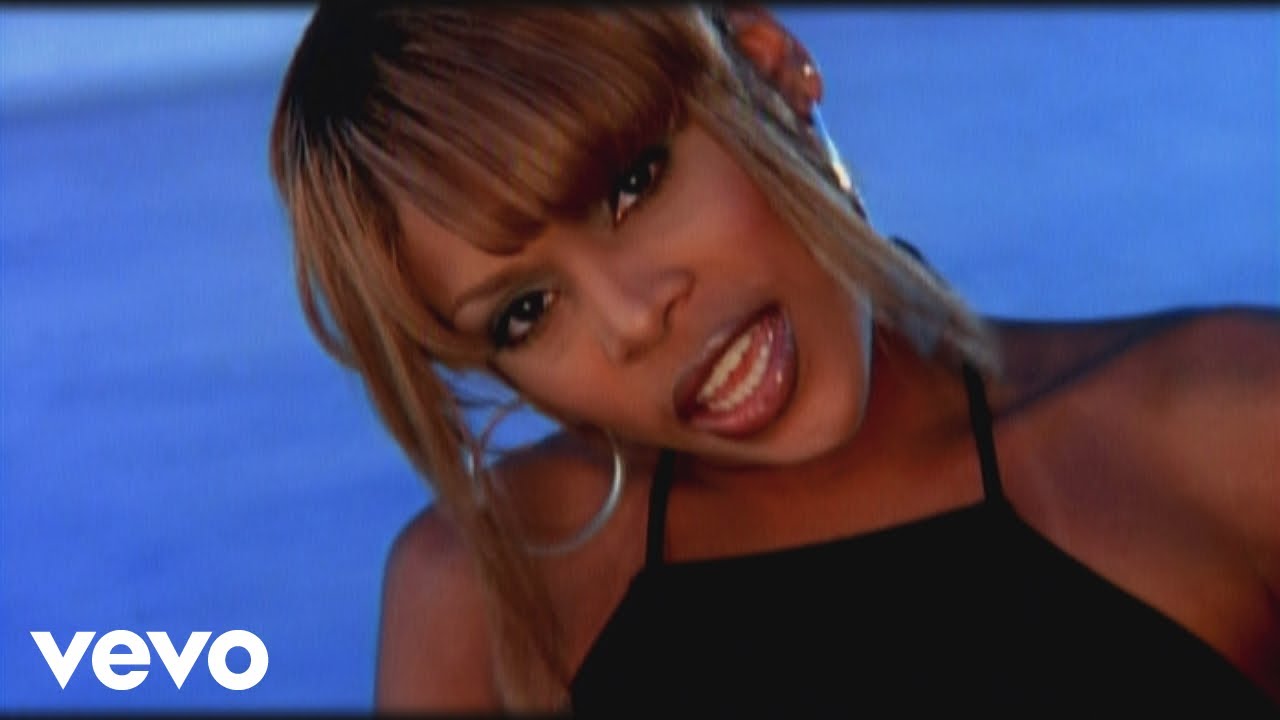
The best-selling American girl group since the Supremes. T-Boz, Left Eye, and Chilli fused hip-hop, R&B, and a playful safe-sex message into era-defining hits — "Waterfalls," "No Scrubs," "Creep" — in baggy streetwear that a generation copied.
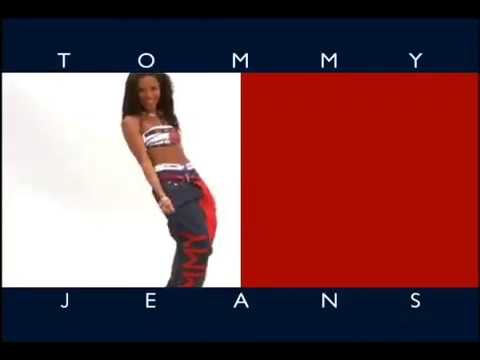
Prep meets hip-hop: the flag logo of a 1985 New York label, co-opted by Snoop Dogg, Aaliyah, and every mall kid of the 90s who wore it oversized and felt instantly cooler. The red-white-and-blue became a uniform.

Poet, movie star, and the most magnetic voice hip-hop ever produced — Tupac Shakur went from Digital Underground backup dancer to the center of the rap universe in five furious years. Then a Las Vegas drive-by ended his life at 25, and the legend only grew.
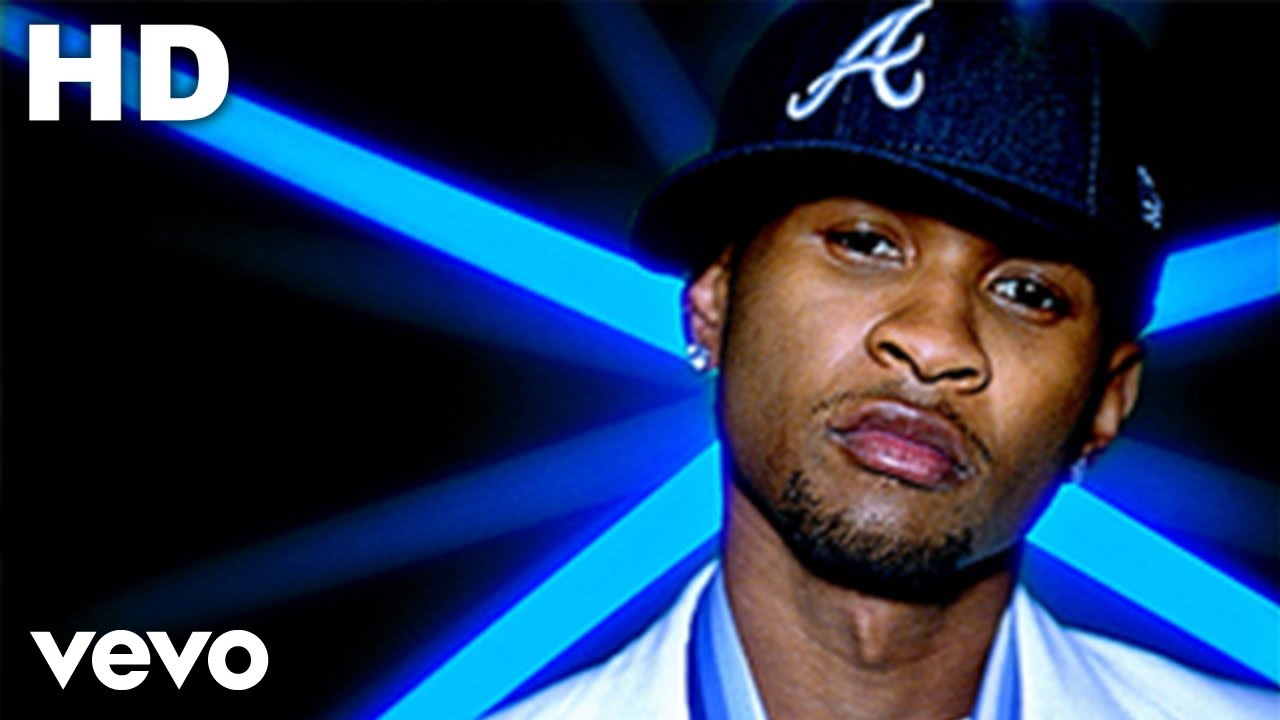
Usher's 2004 album that opened with 1.1 million copies sold its first week and owned every school dance for the next year. "Yeah!" with Lil Jon and Ludacris became the crunk-and-B blueprint, and Confessions proved Usher was untouchable at the peak of 2000s R&B.

Two words that could fill any gym, wedding, or stadium in the 90s. Tag Team's 1993 anthem "Whoomp! (There It Is)" was pure call-and-response bass-music joy — and one of the best-selling singles of the decade.
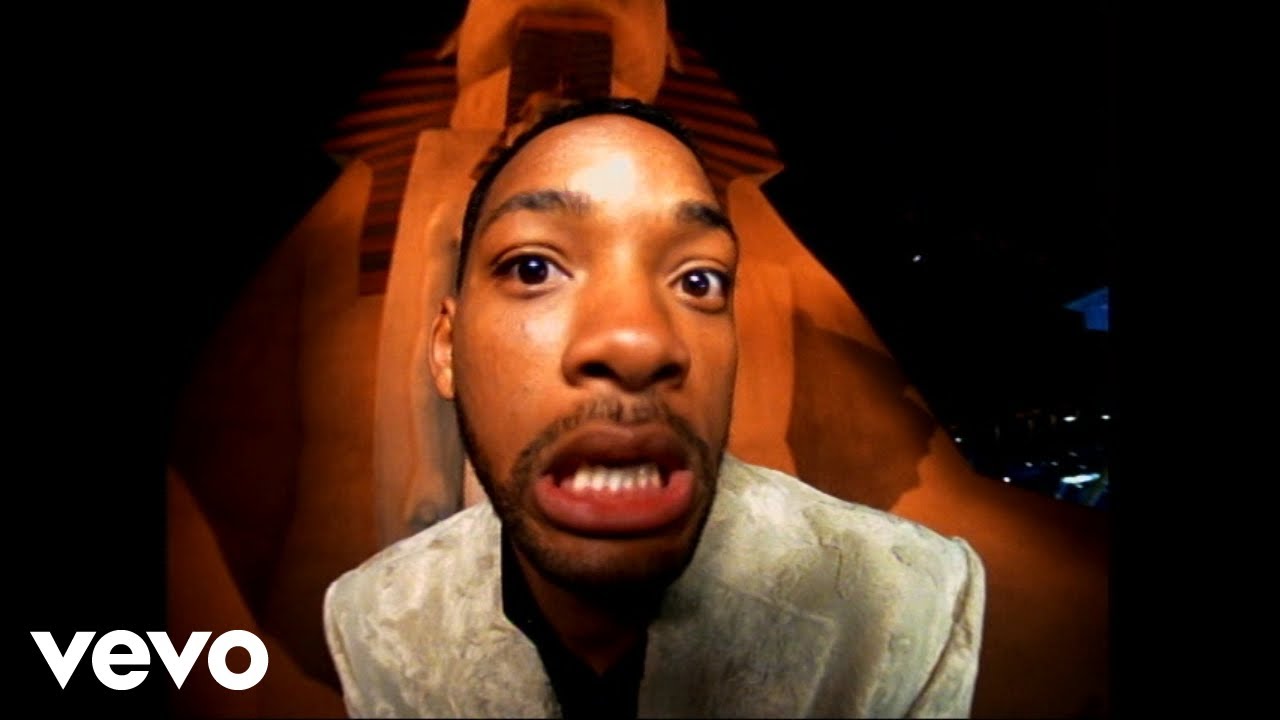
Fresh from his Grammy-winning rap career, Will Smith became the biggest movie star of the '90s—charismatic, relatable, and seemingly incapable of releasing a film that didn't top the summer box office. By 1999 he was untouchable.
A modest 2002 soundtrack cut that became a cultural explosion thirteen years later when Deadpool hijacked it for its entire identity. For one generation it's a 2003 film track; for another, it's the Deadpool song—DMX's snarl reborn for audiences who weren't born for the original run.
![Video thumbnail — YOU GOT SERVED [2004] - Official Trailer (HD)](https://i.ytimg.com/vi/zs6JKMHDjqM/maxresdefault.jpg)
The dance-battle movie so quotable its title became a nationwide diss. B2K, Marques Houston, a warehouse full of head-spins — critics hated it, audiences made it #1 in America, and every school hallway in 2004 turned into a battle circle.