D12 — Purple Pills
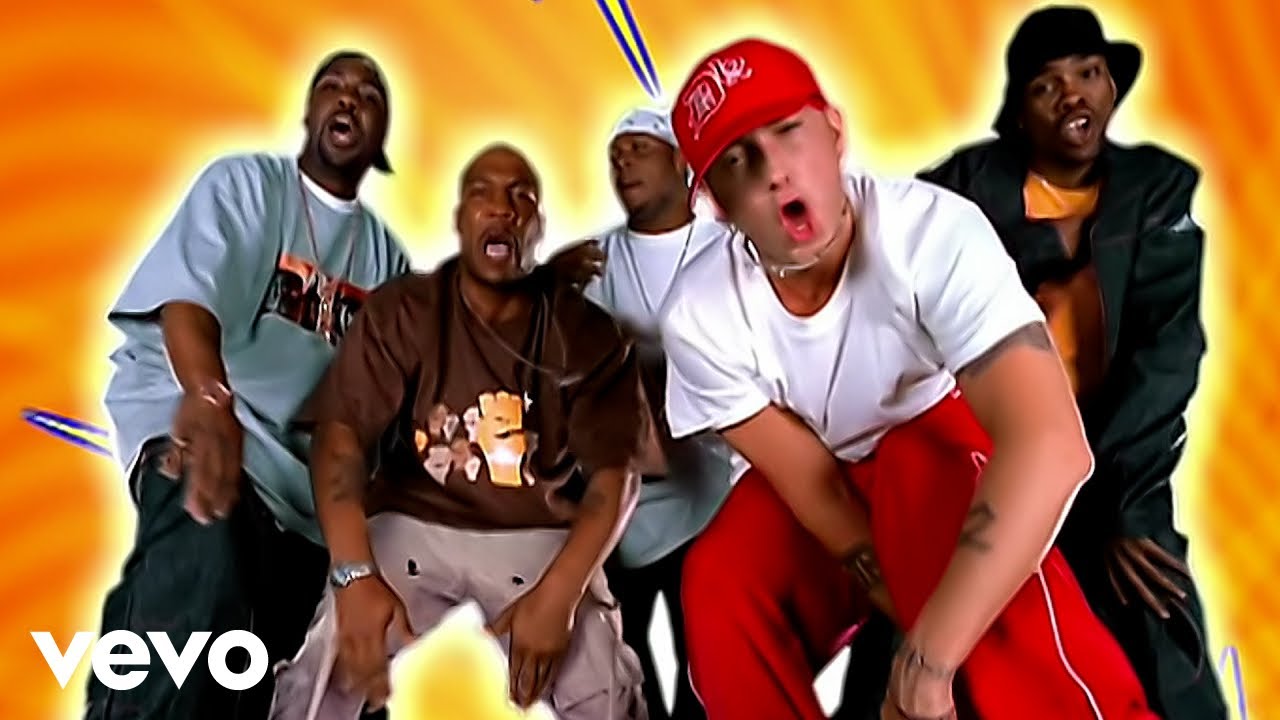
The goofy hip-hop anthem that existed in two versions simultaneously — and somehow that made it more legendary. Eminem and his Detroit crew D12 dropped a track so unapologetically silly that radio stations invented an entirely different song around it, and nobody minded.
Released June 5, 2001, from D12's debut album Devil's Night, 'Purple Pills' was Eminem's gift to his Detroit crew: he produced the beat and traded verses with Bizarre, Proof, Swifty, Kuniva, and Kon Artis over a track that sounded like nothing else on radio. The track was exactly what its title promised: goofy, drug-addled, and unapologetic, with a hook that was impossible to forget.
But radio couldn't play it. So a second version emerged, 'Purple Hills,' with the lyrics rewritten to travel imagery — the 'mushroom mountain' became 'the highest mountain' — and suddenly there were two songs circulating under almost the same name. In the US and the UK, radio played only 'Purple Hills,' while the explicit 'Purple Pills' lived on the album, in clubs, and on the burned copies kids traded at school. A generation grew up knowing the song under two names — and plenty only discovered years later that the version they'd memorized off the radio wasn't the real one.
The single peaked at No. 19 on the Billboard Hot 100 and climbed all the way to No. 2 in the UK, Ireland, and Norway. Both versions got slick Joseph Kahn music videos, and the track arrived at a perfect cultural moment: Eminem mania was at a fever pitch between The Marshall Mathers LP (2000) and The Eminem Show (2002), and his willingness to just let D12 be their ridiculous selves felt rebellious and wild. It was the kind of song that got banned and celebrated in the same breath — and the fact that it existed in two competing canonical versions only made it more legendary in retrospect.
Similar items
Eminem
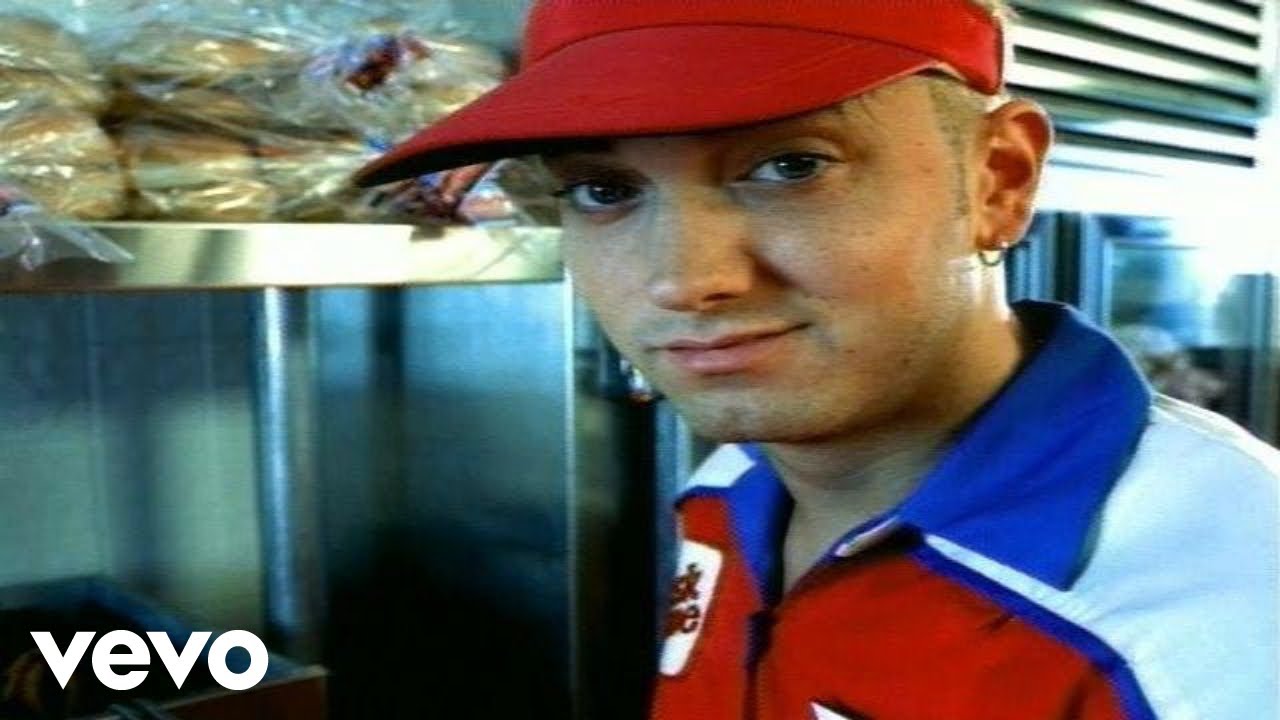
Marshall Mathers from Detroit, a white rapper in a Black art form, exploded into stardom with shock-rap alter ego Slim Shady and relentless rhymes. The blond buzzcut, unapologetic controversy, Dr. Dre mentorship, and hits like 'Stan' and 'The Real Slim Shady' made him the biggest and most polarizing star in music during the early 2000s.
![Video thumbnail — Dr Dre - Nuthin' But A "G" Thang [Official Music Video]](https://i.ytimg.com/vi/8GliyDgAGQI/hqdefault.jpg)
Dr. Dre — The Chronic
Dr. Dre's solo debut, released December 15, 1992, defined G-funk—whining synth leads over deep bass and laid-back drawl—and introduced Snoop Doggy Dogg to the world as the breakout star. The Chronic went multi-platinum, won a Grammy, hit #2 on the Hot 100 with 'Nuthin' but a 'G' Thang,' and reshaped the sound of hip-hop radio for the rest of the decade.
50 Cent — Get Rich or Die Tryin'
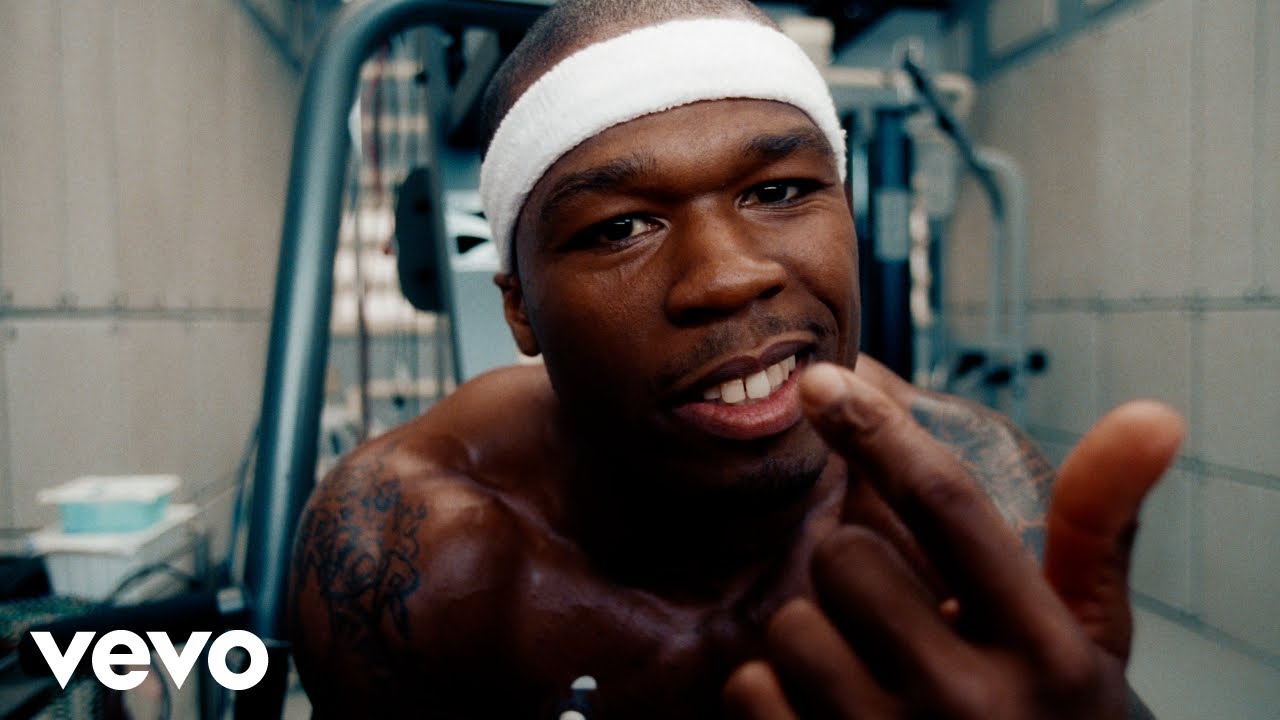
50 Cent's explosive 2003 debut album, released on Eminem's and Dr. Dre's labels (Shady/Aftermath/Interscope), became one of the best-selling albums of the era. Anchored by massive hits like "In da Club," "21 Questions," and "P.I.M.P.," the album announced 50 Cent as a superstar and defined early 2000s rap radio. His backstory — surviving being shot nine times — became central to his larger-than-life persona.

8 Mile
Eminem's semi-autobiographical 2002 drama, following a broke Detroit kid chasing rap glory from a trailer park to the battle stage. Its climactic freestyle showdown and the Oscar-winning anthem "Lose Yourself" made it far more than a vanity project.