DMX
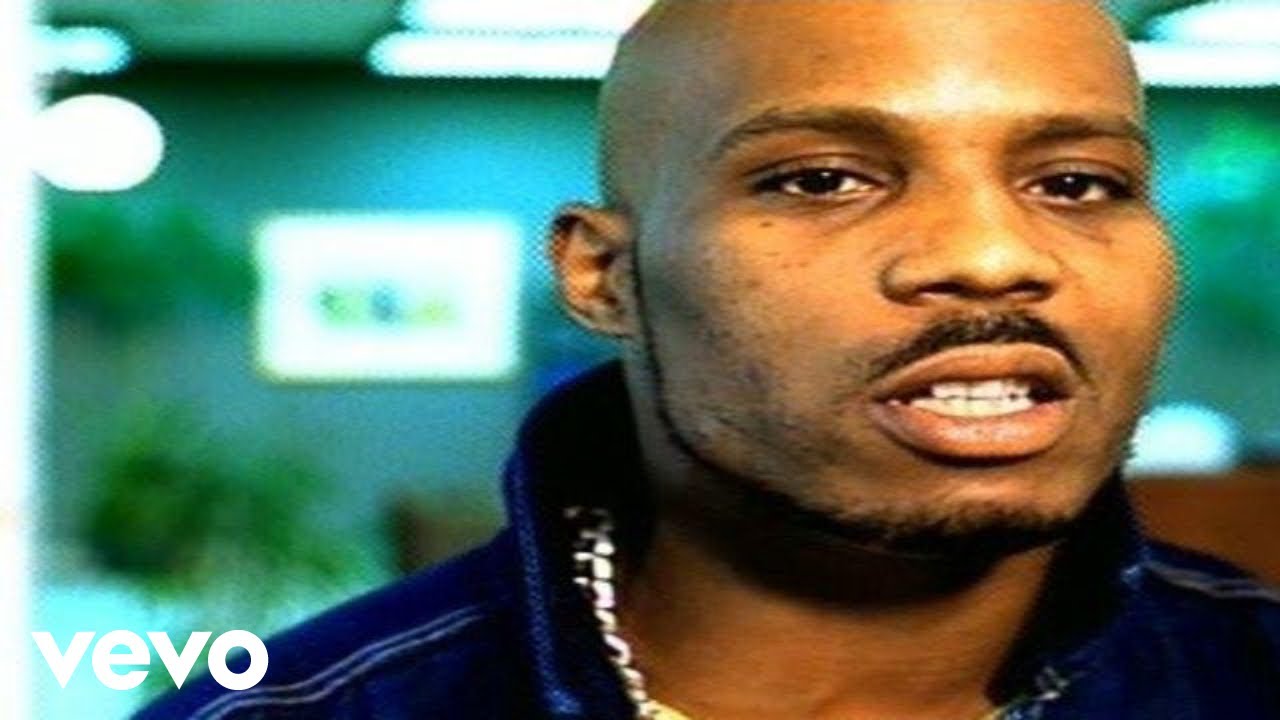
The barking Yonkers growl who crash-landed on the glossy late-90s rap charts like a dog off its chain. Earl Simmons snarled prayers over Swizz Beatz beats, made Ruff Ryders a household name, and opened a #1 movie at the box office. Equal parts menace and open wound, he was hip-hop's most ferocious voice when it needed one most.
Earl Simmons, born December 18, 1970, grew up hard in Yonkers, New York, and never softened the edges of that childhood in his music—the struggle was his subject from the start. He signed with the Ruff Ryders crew in 1991 and spent years grinding before the moment came. It's Dark and Hell Is Hot arrived in May 1998 and debuted at number one with 251,000 first-week copies, a staggering entrance that announced a new force had arrived. By December 1998, just seven months later, Flesh of My Flesh, Blood of My Blood had also launched at number one—two chart-toppers in a single calendar year, in the middle of an era of radio-friendly rap that his growl was the antidote to.
The velocity only accelerated. ...And Then There Was X arrived in December 1999 and became his biggest seller, anchored by "Party Up (Up in Here)," a Swizz Beatz production that became his signature moment in the streets and on the radio. From 1998 onward he was everywhere: Belly in 1998, Romeo Must Die in 2000, Exit Wounds in 2001 opening at number one with $18.5 million domestically and topping out at $80 million worldwide. He became the first artist whose first five studio albums all debuted at number one on the Billboard 200, a streak that carried him through Grand Champ in 2003. His records swung between snarling street anthems and recorded prayers—he would close albums talking directly to God, a duality that made his brand of hip-hop both ferocious and vulnerable.
The years after Grand Champ brought more turbulence than triumph, but his place in the culture never wavered. DMX died on April 9, 2021, at age 50, of a heart attack, and the outpouring that followed made the point plain: the fiercest voice in hip-hop had also been its most open one.
Similar items
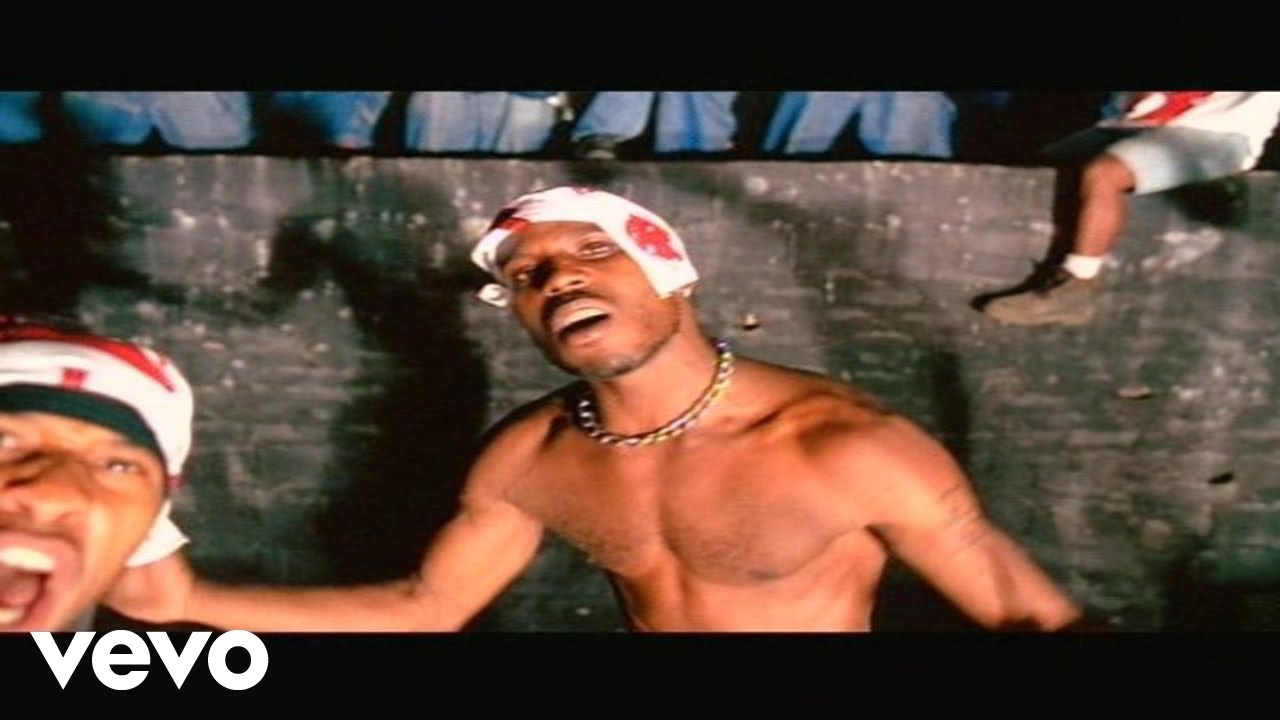
Ruff Ryders' Anthem
DMX's signature moment wasn't supposed to happen. A 19-year-old producer's first beat sale, nearly rejected by the star himself for sounding "too rock 'n' roll," became one of the most iconic hooks of its era—all "stop, drop, shut 'em down, open up shop" and dirt-bike imagery.
X Gon' Give It to Ya
A modest 2002 soundtrack cut that became a cultural explosion thirteen years later when Deadpool hijacked it for its entire identity. For one generation it's a 2003 film track; for another, it's the Deadpool song—DMX's snarl reborn for audiences who weren't born for the original run.

Jay-Z
Shawn Corey Carter rose from Marcy Projects hustler to rap's defining CEO, making the 2000s the decade when hip-hop conquered the boardroom. His Imperial period—from Hard Knock Life through The Black Album and beyond—turned street rap into stadium singalongs and Grammy gold. Jay-Z didn't just make hits; he made an industry, proving rappers could own their own records and empires. The 2000s belonged to him.
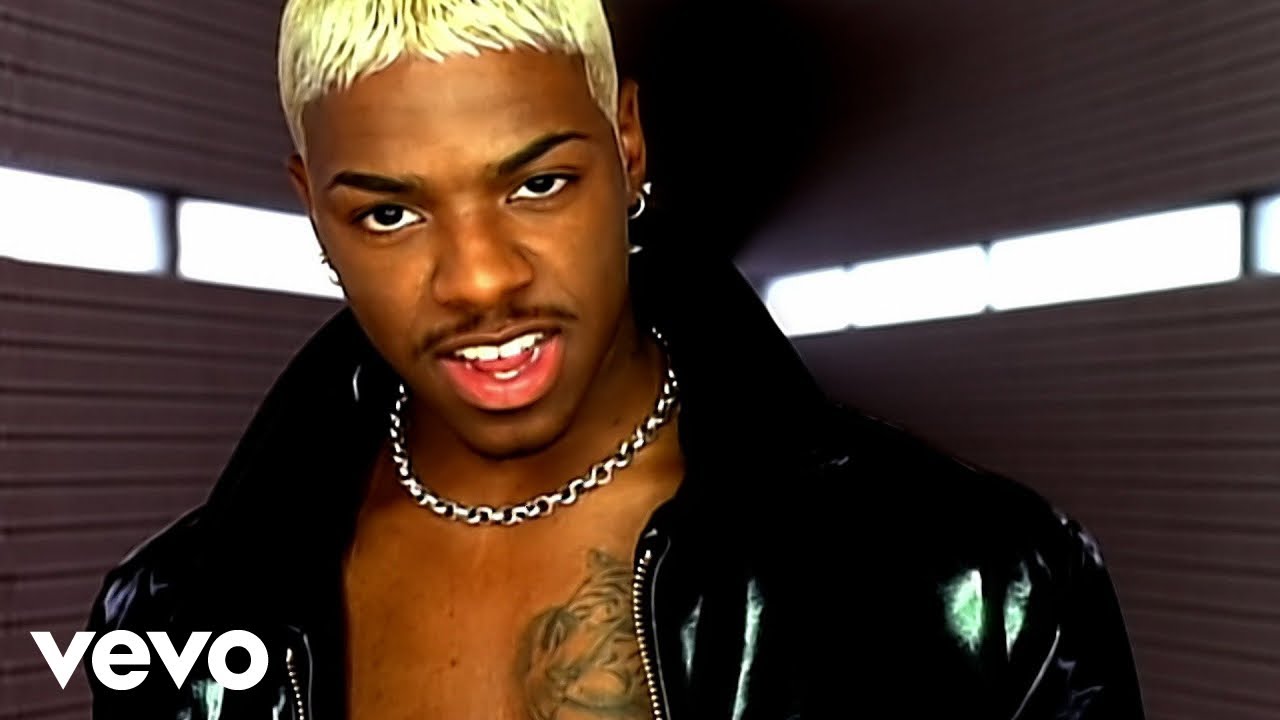
Dru Hill
Baltimore's harmony-stacked R&B quartet — Sisqó, Nokio, Jazz, and Woody — behind late-'90s slow jams like "In My Bed" and "Never Make a Promise." Named after the city's Druid Hill Park, they were one of the defining male R&B groups of the era, right up until Sisqó's platinum-blond "Thong Song" solo fame both lifted the group and splintered it.