99 Problems

Rick Rubin stripped Jay-Z down to bare guitar and cowbell, and the Marcy Projects kid recited a real 1994 traffic stop so precisely that a law professor later published a journal article dissecting it. "99 Problems" was endlessly quotable, taught in law schools, and inescapable in 2004—the sound of Jay-Z staging his own exit.
Recorded in July 2003 and released as a single on April 27, 2004, from The Black Album—the album Jay-Z had announced as his final work—"99 Problems" was produced by Rick Rubin in a stripped-down, guitar-heavy mode that recalled Rubin's 1980s rap-rock experiments. Cowbell, raw guitar slabs, minimal percussion: a blank canvas for Jay-Z's voice. The hook borrowed from Ice-T's 1993 track "99 Problems", but Jay-Z's version was a rewrite, each verse a different story.
The second verse was the engine: Jay-Z re-staged a real traffic stop he'd survived in 1994—a cop demanding to search the locked trunk, the threat of the K-9 unit on the way. His narration was so legally meticulous—the exact dialogue, the precise assertion of rights ("see, I ain't passed the bar, but I know a little bit"), the warrant talk—that it caught the attention of legal scholars. In 2012, law professor Caleb Mason published "Jay-Z's 99 Problems, Verse 2: A Close Reading with Fourth Amendment Guidance for Cops and Perps" in the Saint Louis University Law Journal. The song had become a teaching text.
Director Mark Romanek shot the music video in black and white around the Marcy Houses, the project that birthed Jay-Z. The video's climax was stark: Jay-Z, framed in slow motion, gunned down in the street. It was the staging of his own death—a symbolic ending, a farewell to the Jay-Z of the streets before his retirement announcement. The video won four MTV Video Music Awards, including Best Rap Video and Best Director. When the Grammy Awards came in 2005, "99 Problems" won Best Rap Solo Performance—a coda to an album that had been meant as an ending.
Similar items

Jay-Z
Shawn Corey Carter rose from Marcy Projects hustler to rap's defining CEO, making the 2000s the decade when hip-hop conquered the boardroom. His Imperial period—from Hard Knock Life through The Black Album and beyond—turned street rap into stadium singalongs and Grammy gold. Jay-Z didn't just make hits; he made an industry, proving rappers could own their own records and empires. The 2000s belonged to him.

Hard Knock Life (Ghetto Anthem)
Jay-Z's breakthrough single samples the orphans' chorus from Broadway's Annie, turning the hardest block-level rap into a stadium singalong. The song that taught America—and taught Broadway—that hip-hop didn't need permission to reinvent itself. A masterclass in audacity that cleared the charts and rewrote the rules.
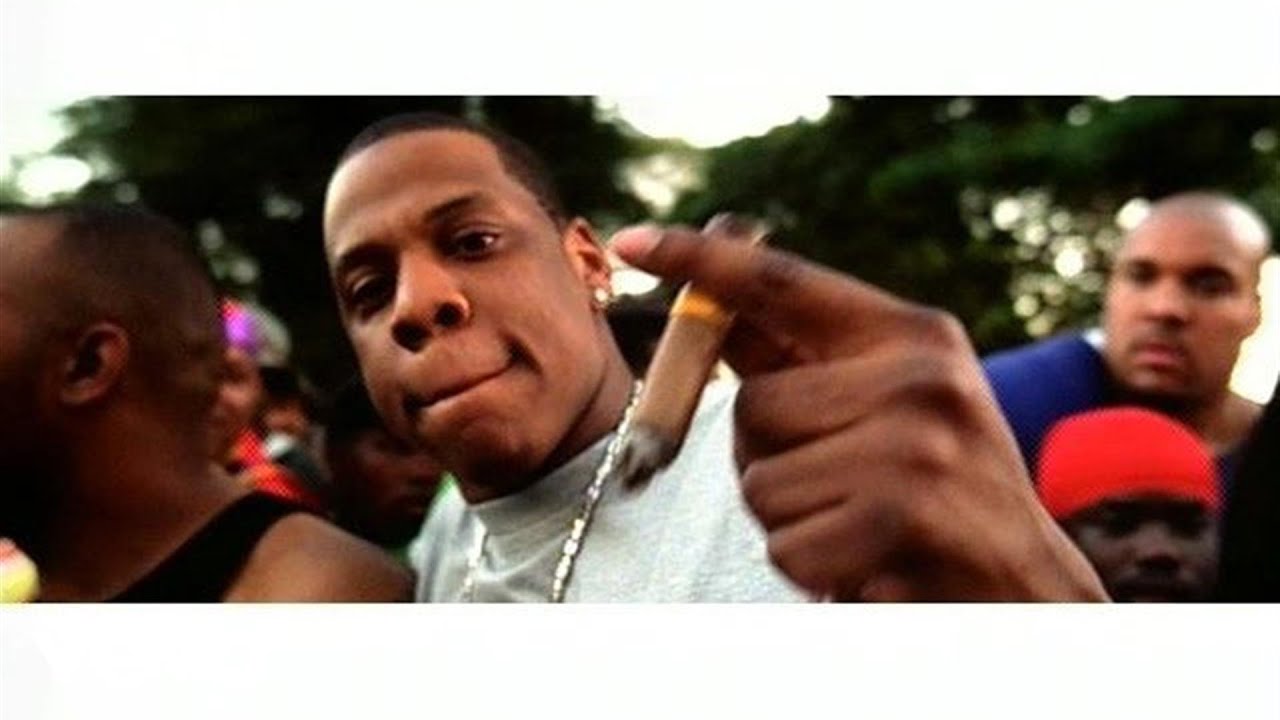
Big Pimpin'
Timbaland looped a flute line from a 1957 Egyptian melody, Houston's UGK traded verses with Jay-Z, and the result was the yacht-party anthem of 2000. The song was iconic enough to fuel a decade-long copyright fight—and brash enough that Jay-Z himself later disowned the lyrics in the Wall Street Journal.
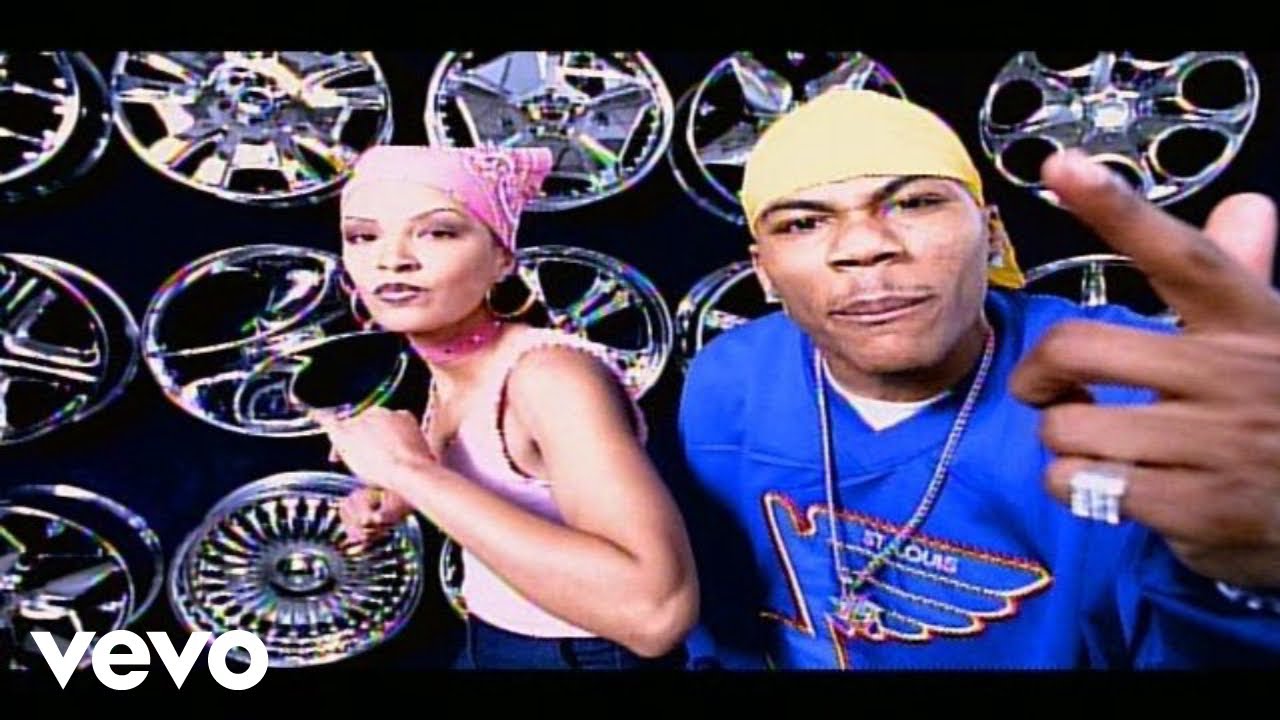
Nelly — "Country Grammar"
"I'm goin' down down baby, yo' street in a Range Rover..." — Nelly built his breakout single on the playground clap chant every kid already knew, and it carried St. Louis rap onto every radio in America in the summer of 2000.