Busta Rhymes

The human cartoon of 90s rap—hip-hop's most watchable man, a blur of dreadlocks and rubbery limbs who moved like he was made of springs. Trevor Smith stole posse cuts for a living and built a solo career on being impossible to look away from.
Trevor George Smith Jr. was born May 20, 1972, in East Flatbush, Brooklyn, and moved to Uniondale, Long Island at 12. Chuck D of Public Enemy gave him the name Busta Rhymes after NFL receiver George "Buster" Rhymes, a perfect christening for one of the most explosive presences hip-hop would ever see. He came up in the group Leaders of the New School, formed in 1986 alongside Charlie Brown, Dinco D, and Cut Monitor Milo, but his real moment came on A Tribe Called Quest's "Scenario" in 1991—a posse cut where Busta's verse was so incandescent, so fast, that he stole the whole song and made everyone else sound still.
His solo debut The Coming arrived in 1996, launching "Woo-Hah!! Got You All in Check" in February—number 8 on the Hot 100, platinum, with a Hype Williams video that announced a new visual language for hip-hop. When Disaster Strikes... followed in September 1997 with "Put Your Hands Where My Eyes Could See," and by 1998 he was one of the genre's most visually inventive performers. E.L.E. (Extinction Level Event): The Final World Front, released in late 1998, brought "Gimme Some More" and "What's It Gonna Be?!" with Janet Jackson in March 1999—that last one climbed to number 3 on the Hot 100. The Hype Williams video for "What's It Gonna Be?!" cost upwards of $2 million, among the most expensive music videos ever made, and it showed—a fever dream of primary colors and digital excess that perfectly captured the late-90s moment.
His whole late-90s identity was visual: the fisheye lens, the rubber-limbed double-time flow, dreadlocks flying, technicolor sets and impossible choreography—MTV couldn't look away, and neither could anyone else. He led the Flipmode Squad crew, kept scoring hits with Genesis in November 2001 (platinum, carrying "Pass the Courvoisier, Part II"), and though the fisheye era eventually cooled, he never left—a decade into his solo run he landed his first number 1 album with The Big Bang in 2006 and "Touch It," proving the energy of 1996 never truly left him.
Similar items
![Video thumbnail — The Notorious B.I.G. - Juicy (Official Video) [4K]](https://i.ytimg.com/vi/_JZom_gVfuw/maxresdefault.jpg)
The Notorious B.I.G.
Brooklyn's rap king — Christopher Wallace, aka Biggie Smalls — whose effortless flow and vivid street storytelling made him the defining East Coast voice of the mid-90s. His 1997 murder, still unsolved, cut short one of hip-hop's greatest careers at just 24.
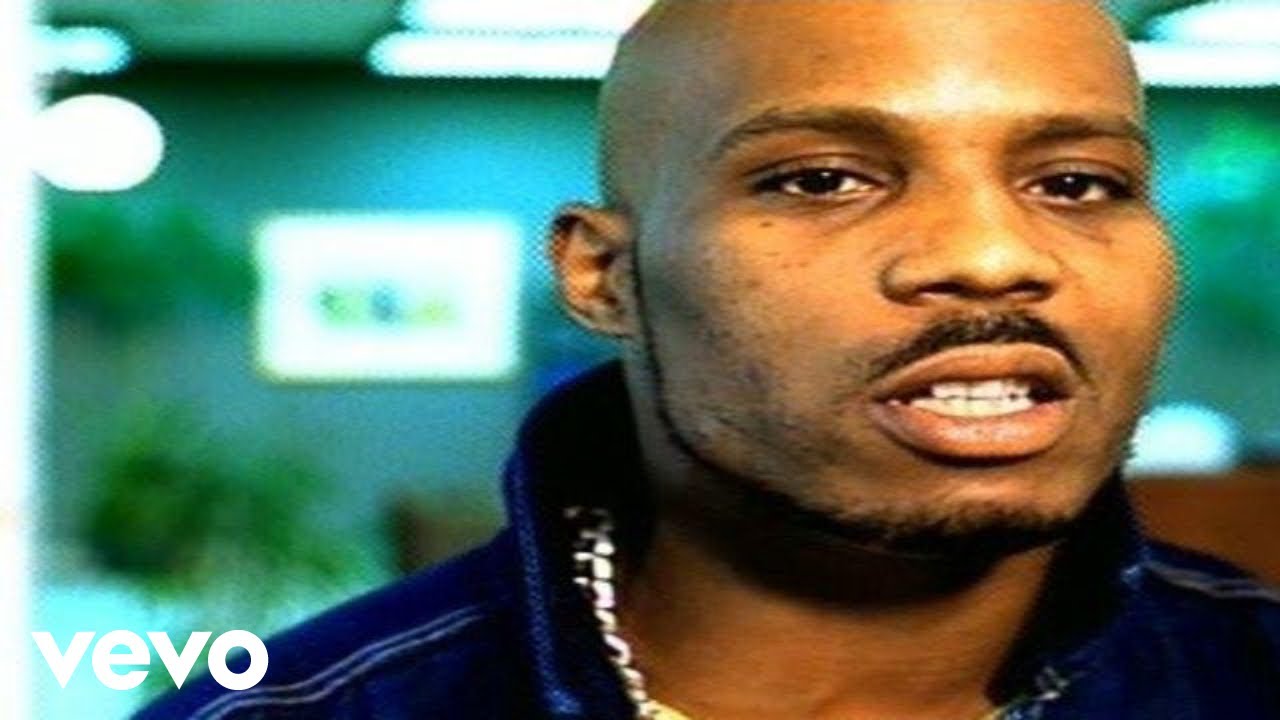
DMX
The barking Yonkers growl who crash-landed on the glossy late-90s rap charts like a dog off its chain. Earl Simmons snarled prayers over Swizz Beatz beats, made Ruff Ryders a household name, and opened a #1 movie at the box office. Equal parts menace and open wound, he was hip-hop's most ferocious voice when it needed one most.
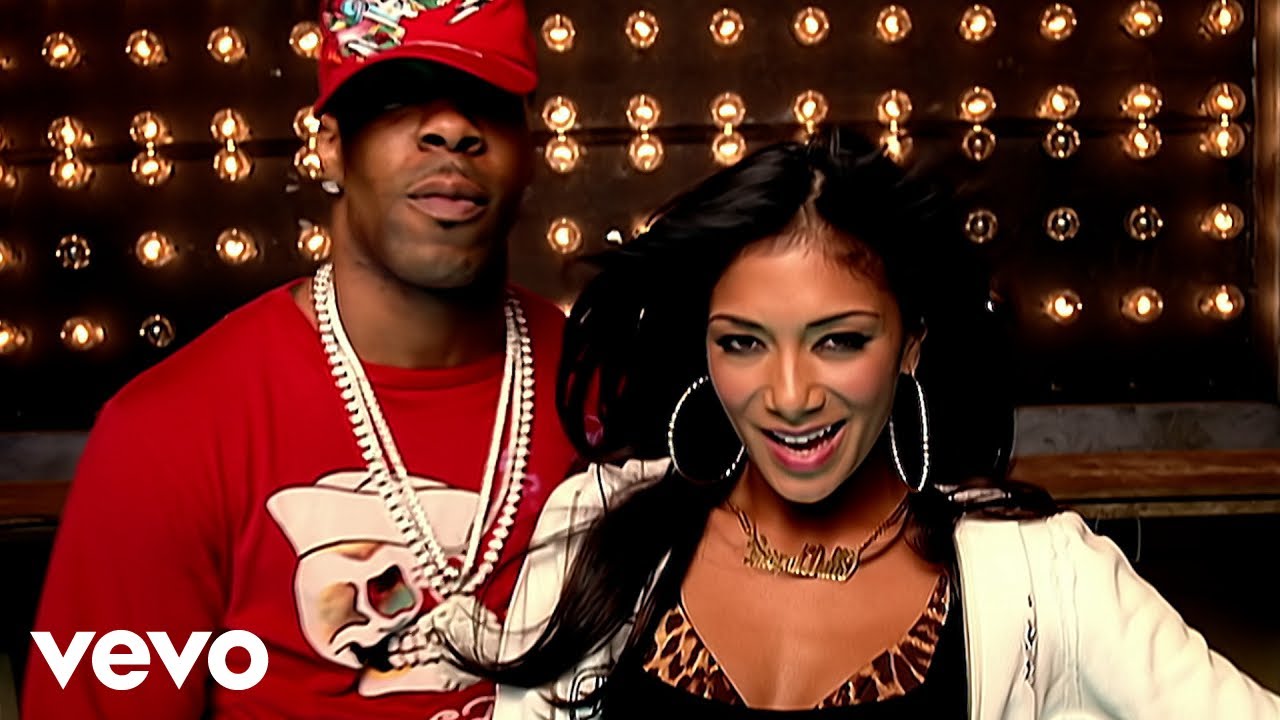
The Pussycat Dolls
"Don't Cha" wish your girlfriend was hot like them — the question every radio in 2005 asked roughly once an hour. The Pussycat Dolls arrived fully formed in matching choreography and smoky eyeliner, a burlesque act reverse-engineered into a chart juggernaut, with Nicole Scherzinger doing most of the singing and all six doing the strut.

Jay-Z
Shawn Corey Carter rose from Marcy Projects hustler to rap's defining CEO, making the 2000s the decade when hip-hop conquered the boardroom. His Imperial period—from Hard Knock Life through The Black Album and beyond—turned street rap into stadium singalongs and Grammy gold. Jay-Z didn't just make hits; he made an industry, proving rappers could own their own records and empires. The 2000s belonged to him.