Let's Talk About Sex
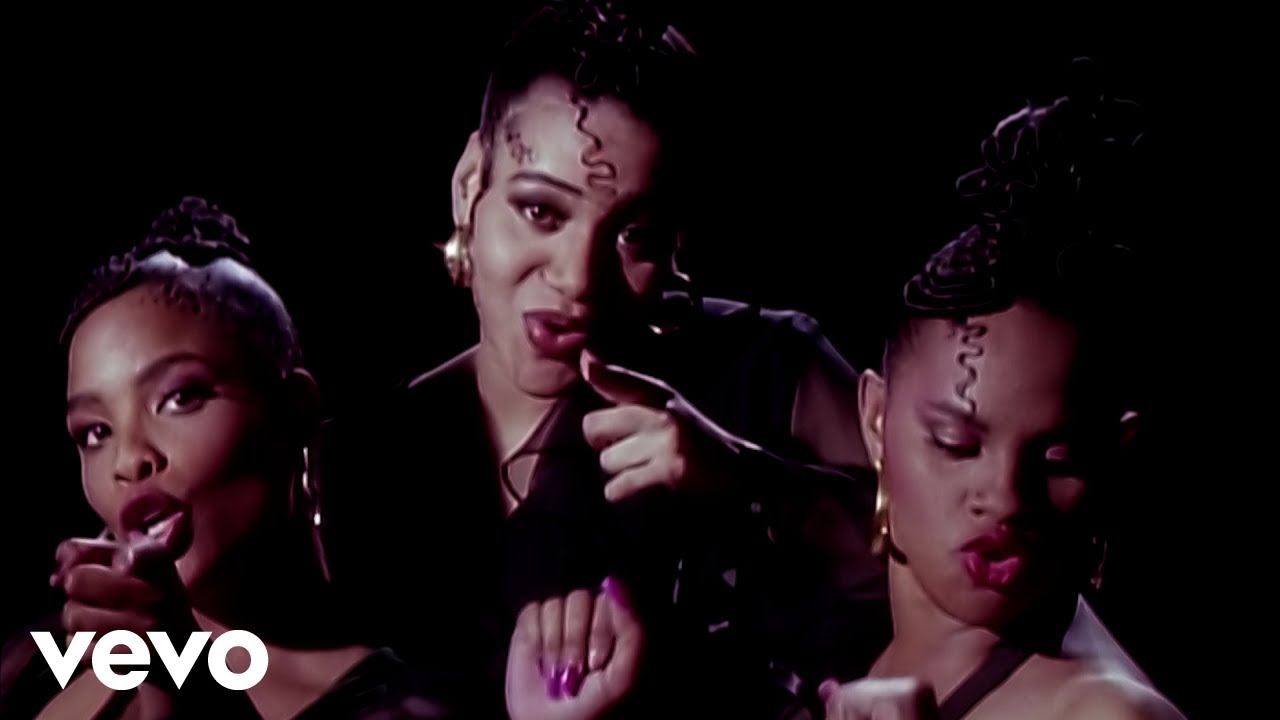
Three women put frank, funny, sex-positive talk on pop radio at the height of the AIDS crisis, daring stations to blink and winning with a wink. Salt-N-Pepa turned consent and pleasure into a chart singalong—and later spun the same beat into an act of public health, rewriting the verse to preach AIDS prevention.
Released August 6, 1991, as the fourth single from Salt-N-Pepa's 1990 album Blacks' Magic, "Let's Talk About Sex" was written and produced by Hurby "Luv Bug" Azor, the producer who'd helped define the group's early sound. Salt-N-Pepa—Cheryl James, Sandra Denton, and Deidra "DJ Spinderella" Roper—had been making hip-hop since the mid-1980s, but this song became their statement of purpose. It peaked at #13 on the Billboard Hot 100 and #2 in the UK, and topped the charts in Germany, Australia, the Netherlands, Switzerland, and Austria. The single earned a Grammy nomination for Best Rap Performance by a Duo or Group in 1992.
The genius was its openness. In 1991, with the AIDS crisis at its peak and radio still treating the word "sex" as a profanity, three women walked into the mainstream and said: "Let's talk about sex." The opening line—delivered as hesitant mock-innocence—was a dare: "Yo, I don't think we should talk about this..." Enough of radio played along to make it a top-15 American hit and a #1 across Europe. The song became an anthem of sexual agency and plain-speaking health talk, teaching a generation that you could be funny and serious about desire and bodies at the same time.
The cultural reach didn't stop with a single. Salt-N-Pepa re-recorded "Let's Talk About Sex" as "Let's Talk About AIDS", rewriting the verses to directly address HIV and AIDS prevention, mortality, and protection—turning the beat and their charisma into public-health education. The AIDS version was released as a promotional single and B-side, turning a hit song's platform into life-saving information. It was pop as public health, delivered with the same wit and warmth that had made the original unforgettable.
Similar items
TLC
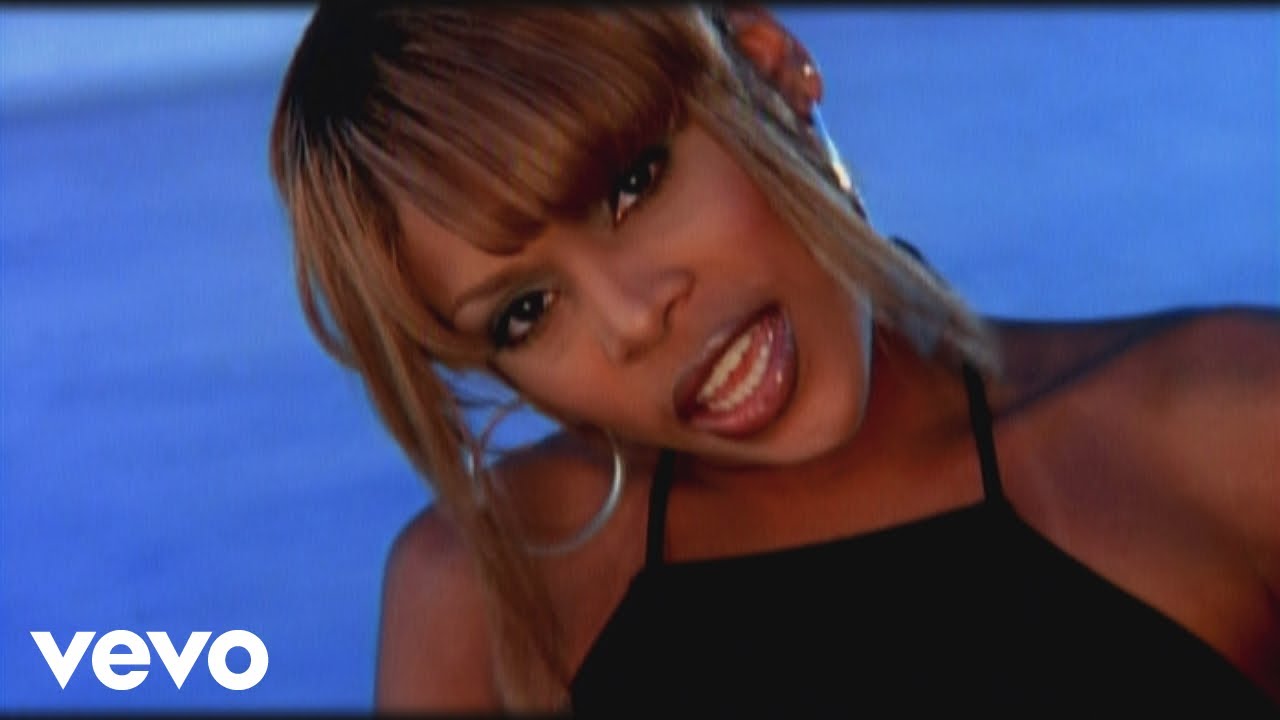
The best-selling American girl group since the Supremes. T-Boz, Left Eye, and Chilli fused hip-hop, R&B, and a playful safe-sex message into era-defining hits — "Waterfalls," "No Scrubs," "Creep" — in baggy streetwear that a generation copied.

"Baby Got Back"
"Oh, my God, Becky — look at her butt." Sir Mix-a-Lot's anthem to big butts spent five weeks at number one, got briefly banned by MTV, won a Grammy, and never once left the party playlist.
"Drop It Like It's Hot" by Snoop Dogg ft. Pharrell
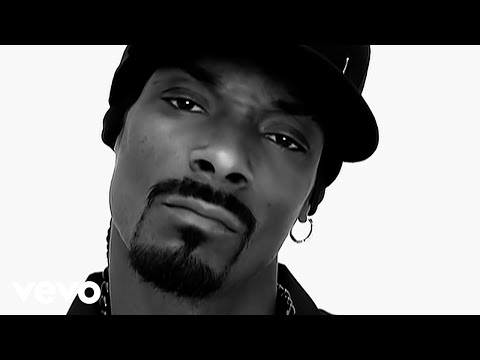
Tongue clicks, a skeletal beat, and total confidence. The Neptunes stripped hip-hop down to almost nothing in 2004, and it became the biggest rap song of the decade — and, incredibly, Snoop Dogg's first #1 ever.
"Ice Ice Baby"
Stop, collaborate and listen: the B-side nobody wanted became the first hip-hop single ever to top the Billboard Hot 100. Vanilla Ice rode the "Under Pressure" bassline to the top of the charts — without crediting Queen or David Bowie, sparking one of music's landmark copyright fights.