Jay-Z

Shawn Corey Carter rose from Marcy Projects hustler to rap's defining CEO, making the 2000s the decade when hip-hop conquered the boardroom. His Imperial period—from Hard Knock Life through The Black Album and beyond—turned street rap into stadium singalongs and Grammy gold. Jay-Z didn't just make hits; he made an industry, proving rappers could own their own records and empires. The 2000s belonged to him.
Born in 1969 in Brooklyn's Marcy Houses, Shawn Carter learned the streets first, then the studio. After no label would sign him in the mid-1990s, he co-founded Roc-A-Fella Records in 1995 with Damon Dash and Kareem Burke—an act of self-determination that foreshadowed his entire arc. His debut album, Reasonable Doubt (1996), was a critical and underground favorite: bars so precise and self-aware they felt like chess moves. But it didn't cross over.
Vol. 2... Hard Knock Life (September 29, 1998) changed everything. The album went to #1 with over 350,000 copies sold in its first week, eventually selling over 5 million and winning the Grammy for Best Rap Album. The title track sampled Broadway's Annie—a calculation so audacious it worked: street credibility collided with arena singalongs, and Jay-Z became a superstar. The Blueprint — released on September 11, 2001, of all days — opened his imperial era, and The Black Album (2003) was pitched as the exit: on November 25, 2003, he played what was billed as his farewell concert at Madison Square Garden, then traded the booth for the boardroom, becoming president of Def Jam in late 2004.
But the retirement proved short-lived. Jay-Z returned to recording within a few years, and The Blueprint 3 (2009) became his eleventh #1 album, breaking Elvis Presley's record for the most chart-topping albums by a solo artist. He married Beyoncé in April 2008, formalizing a partnership that would define the next decade. By 2009, Jay-Z had transformed from a Marcy Houses hustler into a global brand—not just a rapper, but a template for how young Black artists could own their own work and their own future.
Similar items

Hard Knock Life (Ghetto Anthem)
Jay-Z's breakthrough single samples the orphans' chorus from Broadway's Annie, turning the hardest block-level rap into a stadium singalong. The song that taught America—and taught Broadway—that hip-hop didn't need permission to reinvent itself. A masterclass in audacity that cleared the charts and rewrote the rules.

99 Problems
Rick Rubin stripped Jay-Z down to bare guitar and cowbell, and the Marcy Projects kid recited a real 1994 traffic stop so precisely that a law professor later published a journal article dissecting it. "99 Problems" was endlessly quotable, taught in law schools, and inescapable in 2004—the sound of Jay-Z staging his own exit.
Big Pimpin'
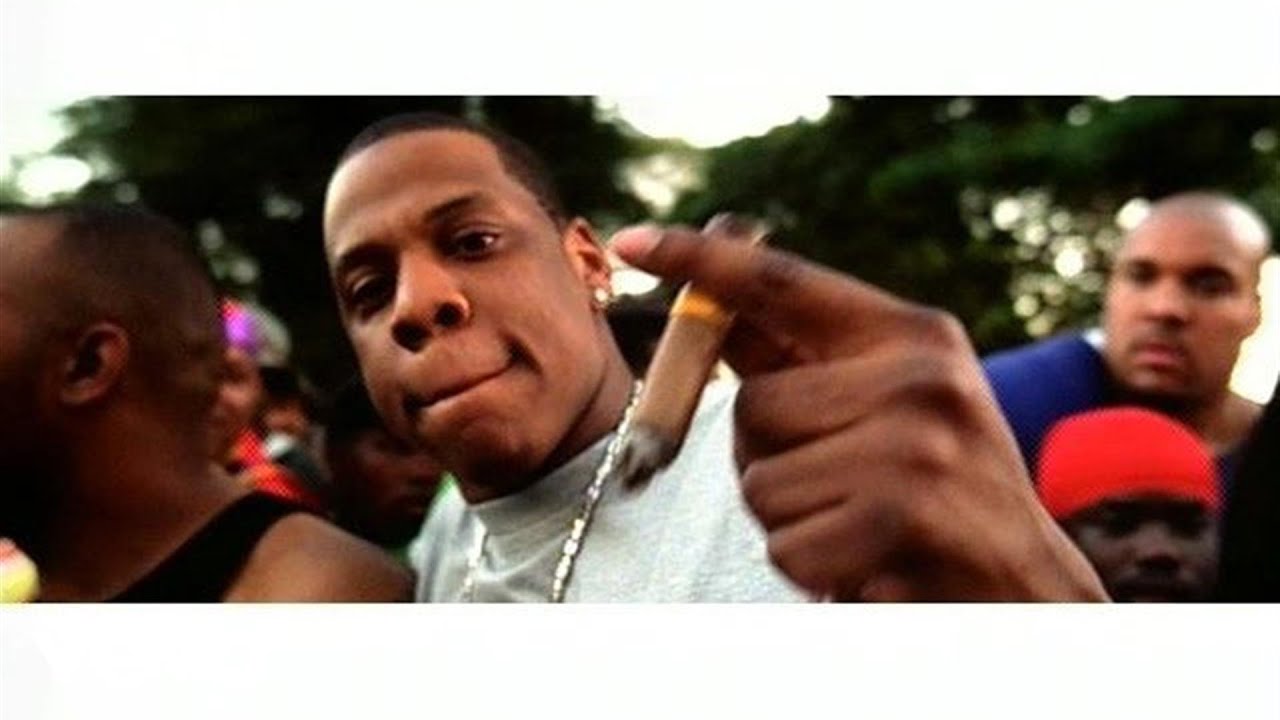
Timbaland looped a flute line from a 1957 Egyptian melody, Houston's UGK traded verses with Jay-Z, and the result was the yacht-party anthem of 2000. The song was iconic enough to fuel a decade-long copyright fight—and brash enough that Jay-Z himself later disowned the lyrics in the Wall Street Journal.
DMX
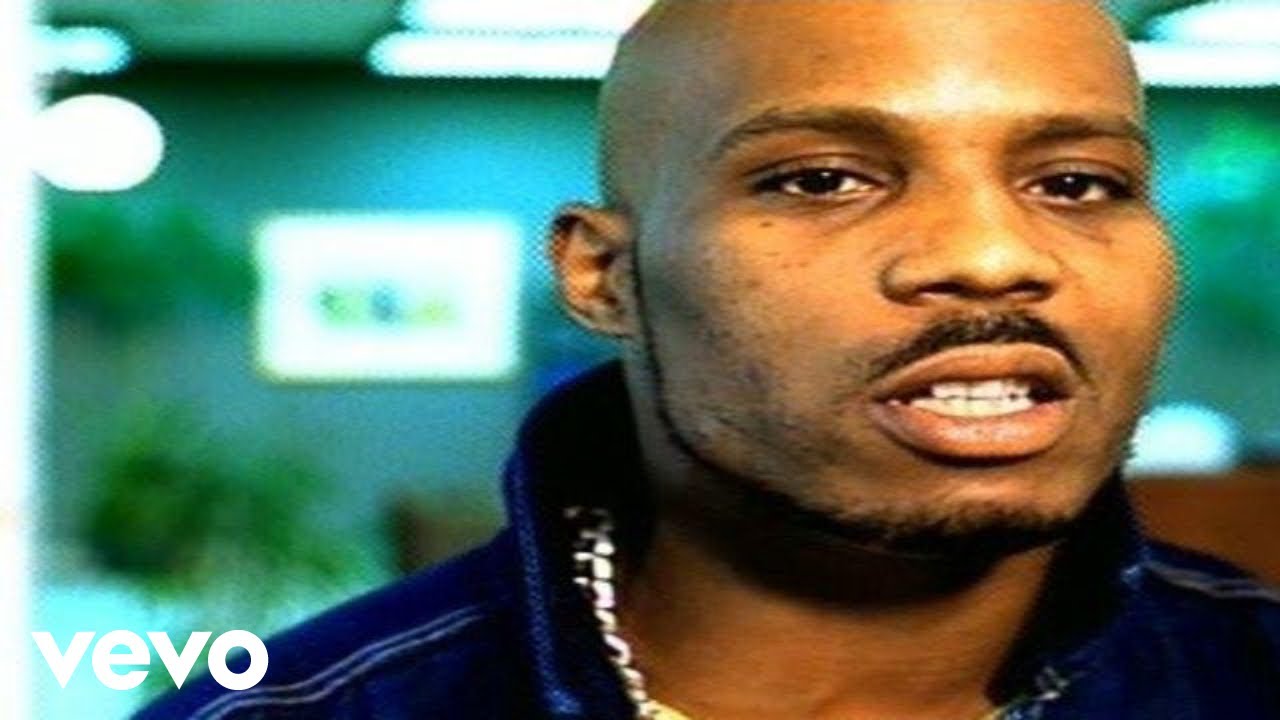
The barking Yonkers growl who crash-landed on the glossy late-90s rap charts like a dog off its chain. Earl Simmons snarled prayers over Swizz Beatz beats, made Ruff Ryders a household name, and opened a #1 movie at the box office. Equal parts menace and open wound, he was hip-hop's most ferocious voice when it needed one most.