The Notorious B.I.G.
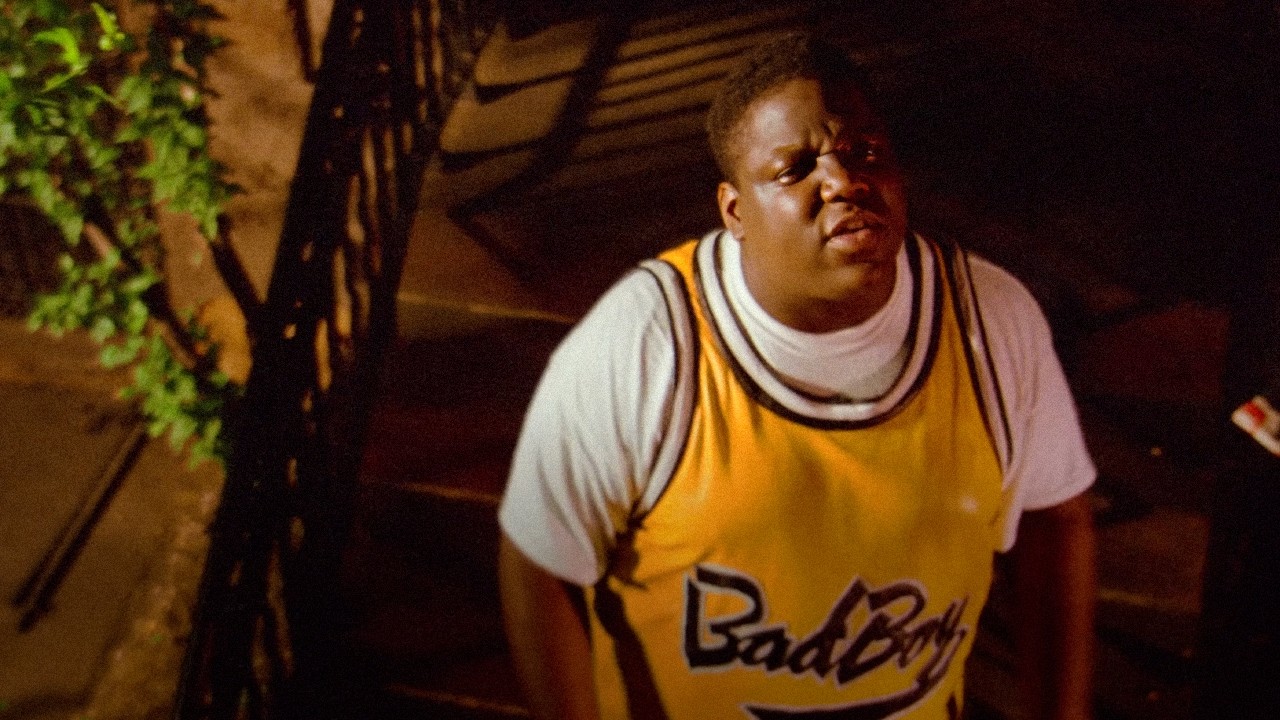
Brooklyn's rap king — Christopher Wallace, aka Biggie Smalls — whose effortless flow and vivid street storytelling made him the defining East Coast voice of the mid-90s. His 1997 murder, still unsolved, cut short one of hip-hop's greatest careers at just 24.
Christopher Wallace, born in Brooklyn in 1972, became the first artist signed to Sean "Puffy" Combs' Bad Boy Records in 1993. His 1994 debut, Ready to Die, introduced a rapper of rare charisma — the rags-to-riches anthem "Juicy" and the smooth "Big Poppa" — and sold multiple millions, reviving East Coast hip-hop at a moment when the West Coast dominated.
That regional rivalry curdled into the infamous East Coast–West Coast feud, pitting Biggie and Bad Boy against Tupac Shakur and Death Row Records. The beef played out in interviews and diss records until Tupac was murdered in Las Vegas in September 1996.
Six months later, on March 9, 1997, Wallace was shot and killed in a drive-by in Los Angeles at age 24; the case remains officially unsolved. His second album, Life After Death, arrived just 16 days afterward, debuted at number one, and spun off the chart-topping hits "Hypnotize" and "Mo Money Mo Problems" — sealing a posthumous legend.
Similar items
Eminem
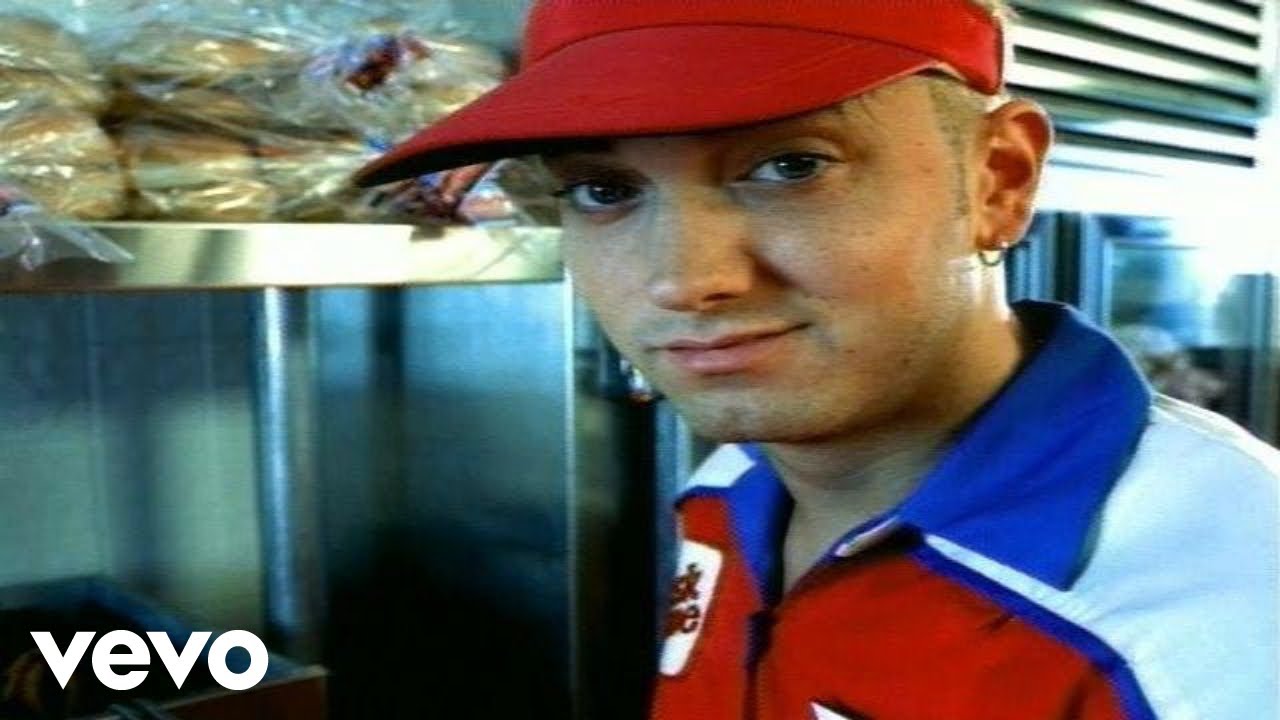
Marshall Mathers from Detroit, a white rapper in a Black art form, exploded into stardom with shock-rap alter ego Slim Shady and relentless rhymes. The blond buzzcut, unapologetic controversy, Dr. Dre mentorship, and hits like 'Stan' and 'The Real Slim Shady' made him the biggest and most polarizing star in music during the early 2000s.

Jay-Z
Shawn Corey Carter rose from Marcy Projects hustler to rap's defining CEO, making the 2000s the decade when hip-hop conquered the boardroom. His Imperial period—from Hard Knock Life through The Black Album and beyond—turned street rap into stadium singalongs and Grammy gold. Jay-Z didn't just make hits; he made an industry, proving rappers could own their own records and empires. The 2000s belonged to him.
![Video thumbnail — Busta Rhymes - Woo-Hah!! Got You All In Check (Official Video) [Explicit]](https://i.ytimg.com/vi/EQzvQO2LcA4/maxresdefault.jpg)
Busta Rhymes
The human cartoon of 90s rap—hip-hop's most watchable man, a blur of dreadlocks and rubbery limbs who moved like he was made of springs. Trevor Smith stole posse cuts for a living and built a solo career on being impossible to look away from.

Tupac Shakur
Poet, movie star, and the most magnetic voice hip-hop ever produced — Tupac Shakur went from Digital Underground backup dancer to the center of the rap universe in five furious years. Then a Las Vegas drive-by ended his life at 25, and the legend only grew.