Coolio — Gangsta's Paradise
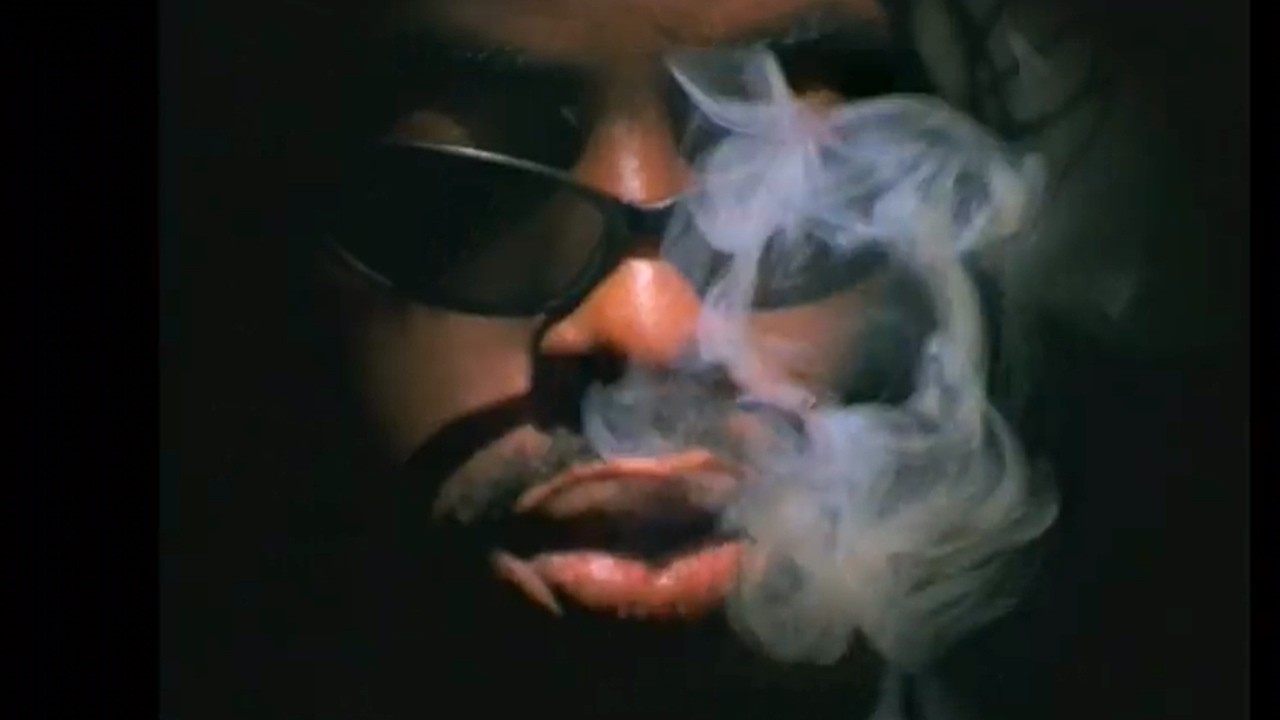
The rare rap song that made parents and teenagers converge on the same chorus, and the moment gangsta rap genuinely crossed over into the mainstream. Coolio's dead-serious delivery over a gospel choir and an interpolation of Stevie Wonder proved that the genre had gone everywhere.
Released August 1, 1995, as the lead single from the Dangerous Minds soundtrack (the Michelle Pfeiffer film about an inspirational teacher), 'Gangsta's Paradise' was Coolio featuring L.V., built on an interpolation of Stevie Wonder's 'Pastime Paradise' from Songs in the Key of Life (1976). That sample was the key to everything: it gave the track a spiritual quality, a groove that felt almost holy beneath the lyrics that definitely weren't. Coolio played it dead straight — no wink, no party hook — over choir-backed production, and the combination made it impossible to dismiss.
The chart run was dominating: three weeks at No. 1 on the Billboard Hot 100, plus nine more weeks parked at No. 2, and it was the top-selling single of 1995 outright. Antoine Fuqua's music video — Coolio and Michelle Pfeiffer, in character, locked in a smoky face-to-face staredown — became iconic enough that it has since crossed two billion views on YouTube. The song won Coolio the Grammy for Best Rap Solo Performance and two MTV VMAs (Best Rap Video and Breakthrough Video), and sold over five million copies across the US, UK, and Germany.
But the real cultural moment came from what happened next. Weird Al Yankovic recorded 'Amish Paradise' in 1996 — a parody that swapped the gangsta content for Amish-country humor — without, Coolio would later insist, proper permission. Coolio was furious; Yankovic apologized, explaining he believed approval had come through intermediaries. Years later, Coolio reflected that his objection 'was probably one of the least smart things I've done,' which is a remarkable amount of grace.
What made 'Gangsta's Paradise' historic wasn't just that it was a rap song played on MTV or that it topped the charts. It was that every parent in America also knew the hook. The video ran constantly. The song became inescapable across all demographics. It was the moment gangsta rap didn't just break into the mainstream — it became the mainstream, for one perfect stretch of 1995.
Similar items
![Video thumbnail — Dr Dre - Nuthin' But A "G" Thang [Official Music Video]](https://i.ytimg.com/vi/8GliyDgAGQI/hqdefault.jpg)
Dr. Dre — The Chronic
Dr. Dre's solo debut, released December 15, 1992, defined G-funk—whining synth leads over deep bass and laid-back drawl—and introduced Snoop Doggy Dogg to the world as the breakout star. The Chronic went multi-platinum, won a Grammy, hit #2 on the Hot 100 with 'Nuthin' but a 'G' Thang,' and reshaped the sound of hip-hop radio for the rest of the decade.
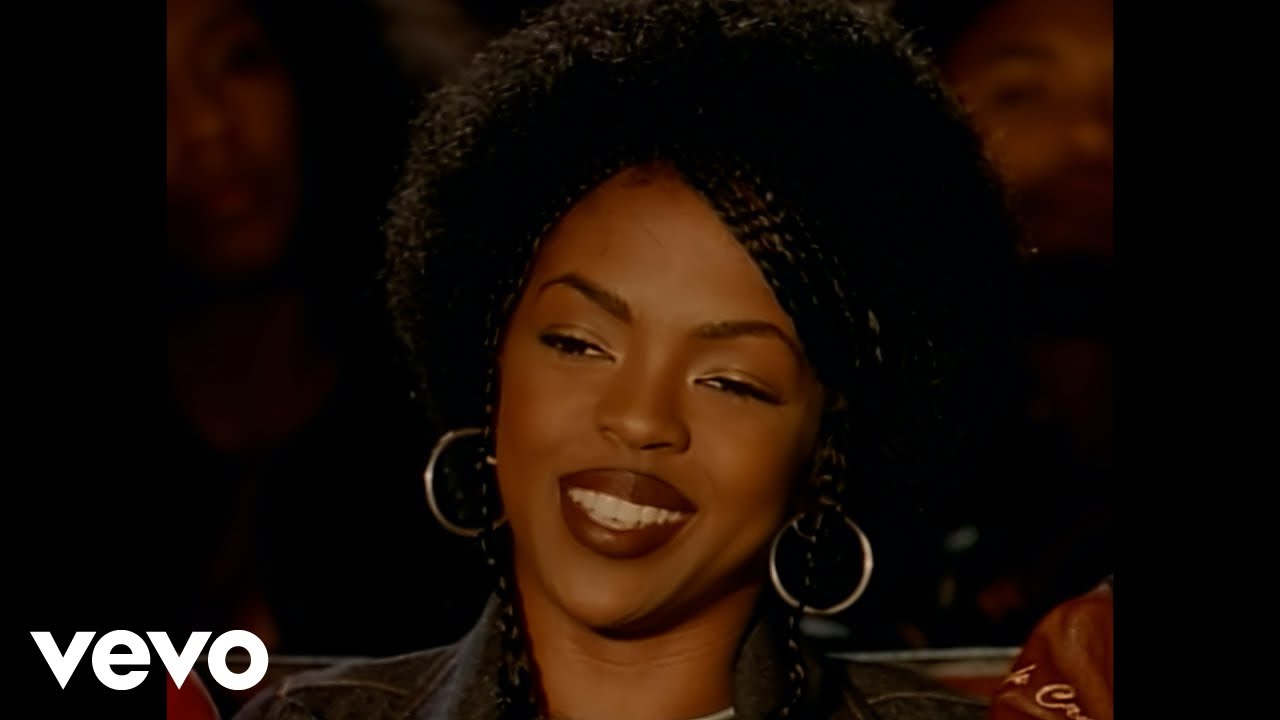
Fugees — The Score
Lauryn Hill, Wyclef Jean, and Pras turned a 1973 soul classic into a hip-hop anthem and reminded the world that cover songs could dominate the charts. The Fugees' second album was one of the best-selling hip-hop albums ever — and also, mysteriously, their last.

"Weird Al" Yankovic
The king of musical parody, Alfred Matthew Yankovic turned accordion jokes and lyrical hijinks into a decade-long MTV empire. He made fun of the songs everyone loved—and everyone watched him do it.

Hard Knock Life (Ghetto Anthem)
Jay-Z's breakthrough single samples the orphans' chorus from Broadway's Annie, turning the hardest block-level rap into a stadium singalong. The song that taught America—and taught Broadway—that hip-hop didn't need permission to reinvent itself. A masterclass in audacity that cleared the charts and rewrote the rules.