#Mania

20 items

Video thumbnail — 1990s News Report on Beanie Babies Toy Craze
Toys 1993–1999

Beanie Babies

Ty Warner's small, under-stuffed plush animals launched in 1993 with a genius (and cynical) business strategy: artificial scarcity through deliberate 'retirements' sparked a mid-90s speculative mania. Kids and desperate adults bought price guides, protected tags with plastic sleeves, camped out for McDonald's Teenie Beanies, and treated them as retirement investments before the bubble collapsed around 1999.

Video thumbnail — BeyBlade Blizzard Bowl Let em Rip Commerical 15 second (2002) Bey Blade
Toys 2002–2005

Beyblades

These spinning-top battle toys from Takara launched a worldwide mania in the early 2000s. You loaded a Beyblade into a rip-cord launcher, shouted "Let it rip!", and battled rivals in plastic arena bowls called Beystadiums. Customizable parts (attack, defense, stamina types) and the anime tie-in made them trading-post essentials.

Video thumbnail — Bop it ad from 1996 Hasbro
Toys 1996–present

Bop It

The barking baton that shouted commands — Bop it! Twist it! Pull it! — faster and faster until somebody fumbled and somebody else gloated. Simple enough to learn in ten seconds, merciless enough to end friendships, and loud enough that parents hid it on top of the fridge.

Video thumbnail — Bratz 2001 1st Edition Doll Commercial! (Original Audio) HD
Toys 2001–2008

Bratz

Fashion dolls from MGA Entertainment launched in 2001; the original four 'girls with a passion for fashion' (Yasmin, Cloe, Jade, Sasha) had oversized heads, big almond eyes, glossy pouty lips, and removable snap-off feet, with edgy trend-forward outfits. They seriously challenged Barbie's dominance in the mid-2000s and sparked a long legal battle with Mattel.

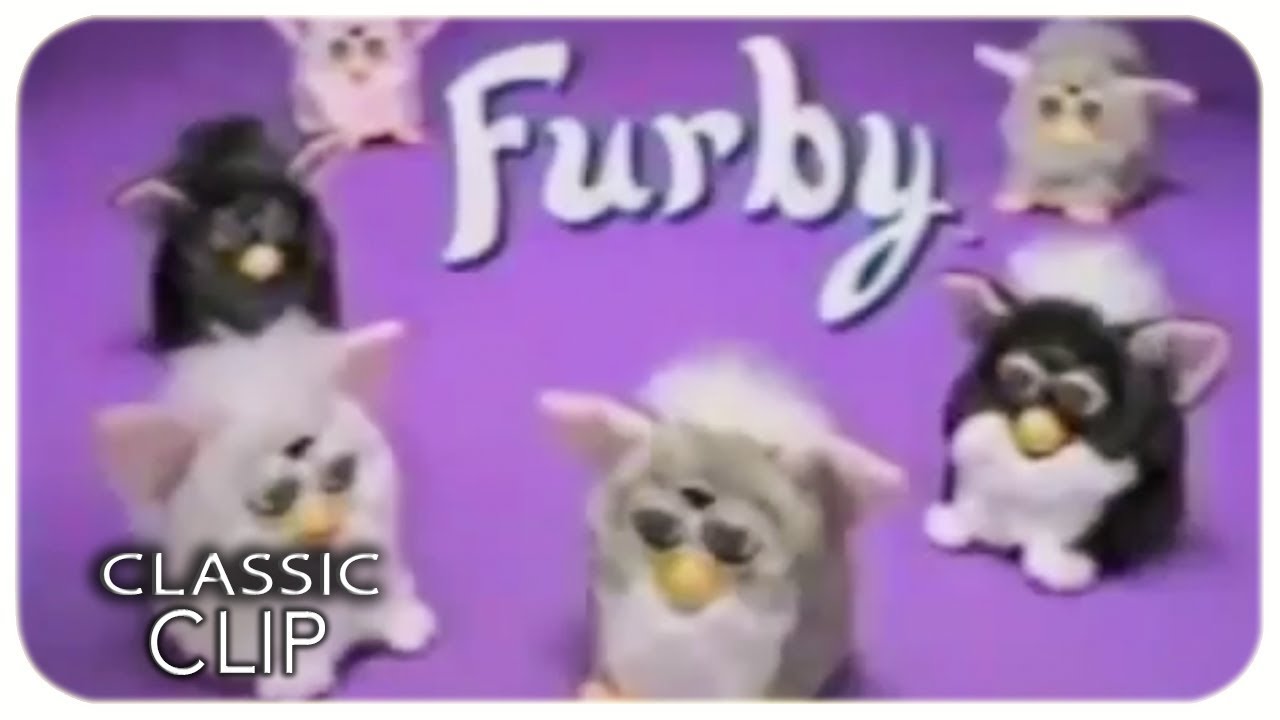
Video thumbnail — FURBY Original Commercial (1998)
Toys 1998–2000

Furby

A furry owl-hamster gremlin that spoke gibberish and slowly "learned" English, making it feel genuinely alive. Tiger Electronics' Furby became the holiday craze of 1998—resale prices hit $100, and the NSA banned it from its offices out of sheer paranoia.

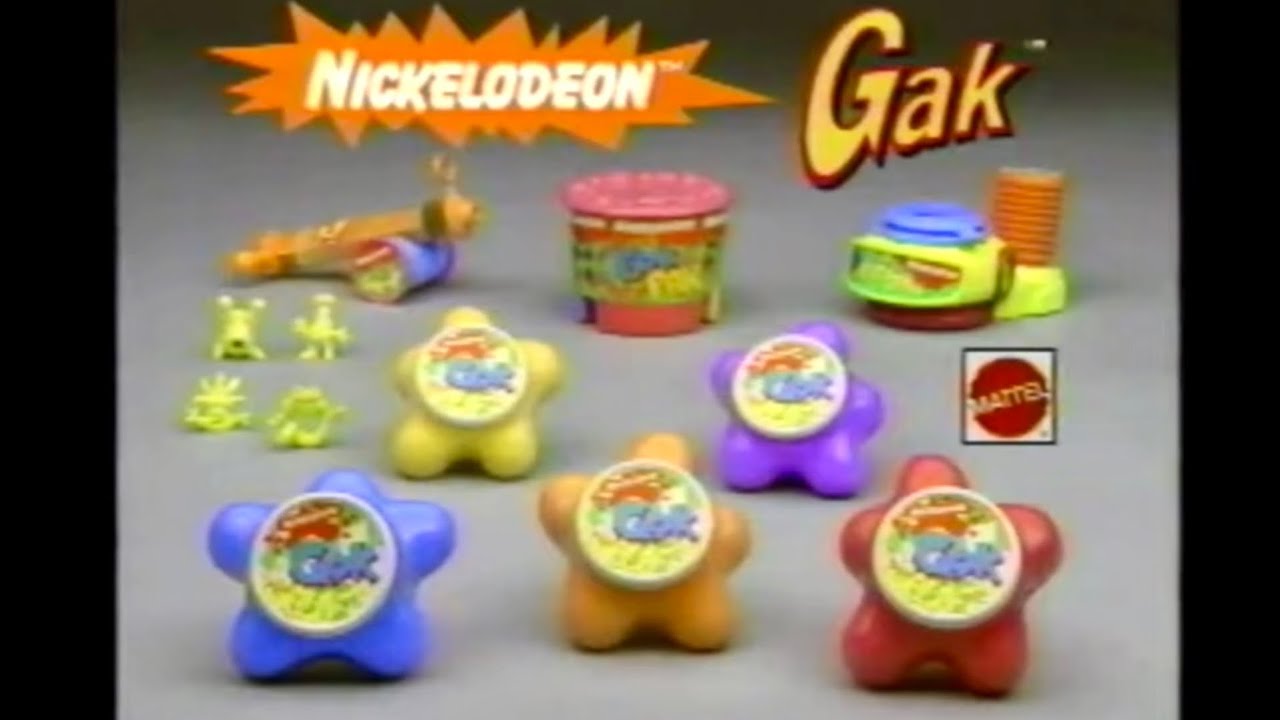
Video thumbnail — 1992 Nickelodeon Gak Commercial
Toys 1992–2004

Nickelodeon Gak

Mattel's stretchy, squishy neon compound that made a loud fart noise when you squished it back into its star-shaped container. Named after what the Double Dare crew called the show's on-set slime messes, Gak's genius was the noise—which was the entire point for most kids.

Video thumbnail — Heelys Commercial
Fashion 2000–2008

Heelys

Sneakers with a hidden wheel in the heel that made kids feel like they were gliding through the mall in ways shoes were never meant to allow. Schools banned them almost as fast as they sold, malls put up 'no Heelys' signs, and the fad burned from the early 2000s to its 2006–07 peak before the cool factor evaporated.

Placeholder graphic for Jelly Bracelets
Fashion 1983–1996

Jelly Bracelets

Thin, neon plastic hoops that came in every color imaginable and were stacked up the arm like jewelry—the fashion accessory that cost almost nothing and became trading currency on every playground. Sparked by Madonna's 1980s stacked-arm look, they dominated the early 80s and stayed essential into the 90s, cheap enough to lose constantly and buy again without guilt.

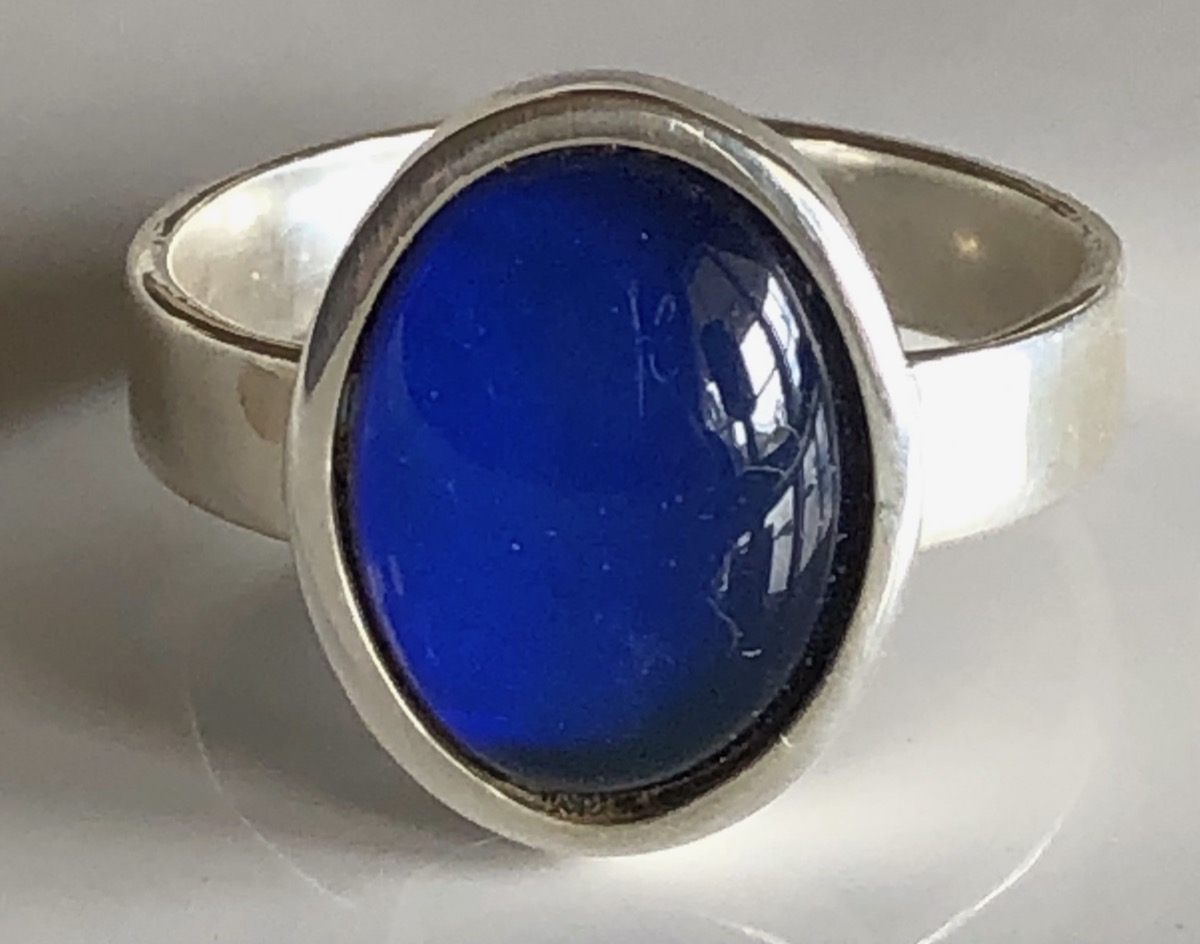
An original 1970s sterling-silver Mood Stone ring with its color-changing stone
Fashion 1991–1994 (90s revival)

Mood Rings

A thermochromic crystal that supposedly read your emotions—blue meant calm, black meant stressed—except it mostly just measured how cold your hands were. The stone changed color with finger temperature, not feelings, but that didn't stop every kid from testing one against its color chart and knowing, deep down, it was a scam.

Video thumbnail — POGS - 90s Commercial
Toys 1993–1997

Pogs

Circular cardboard caps stacked and slammed on playgrounds from coast to coast. A simple game descended from Hawaiian milk-cap traditions, Pogs spiraled into a full-blown craze—until schools banned them as gambling and the market collapsed.

Video thumbnail — Razor Scooter Commercials
Toys 2000–2004

Razor Scooters

The folding aluminum kick scooter that showed up in 2000 and sold millions before parents and shin guards became mandatory equipment. Named Spring/Summer Toy of the Year in 2000, Razor Scooters were on every driveway and schoolyard by 2001 — until suddenly they weren't, and the brand settled into a comfortable half-life of summer rentals and nostalgia.

Video thumbnail — POG Slammers from the 1990s
Toys 1993–1997

POG Slammers

The heavy disc you hurled at a stack of pogs to flip them face-up and make them yours. Brass beasts, holographic foils, skull art, thin plastic lightweights—your slammer was your signature piece, and it was a whole collecting culture of its own.

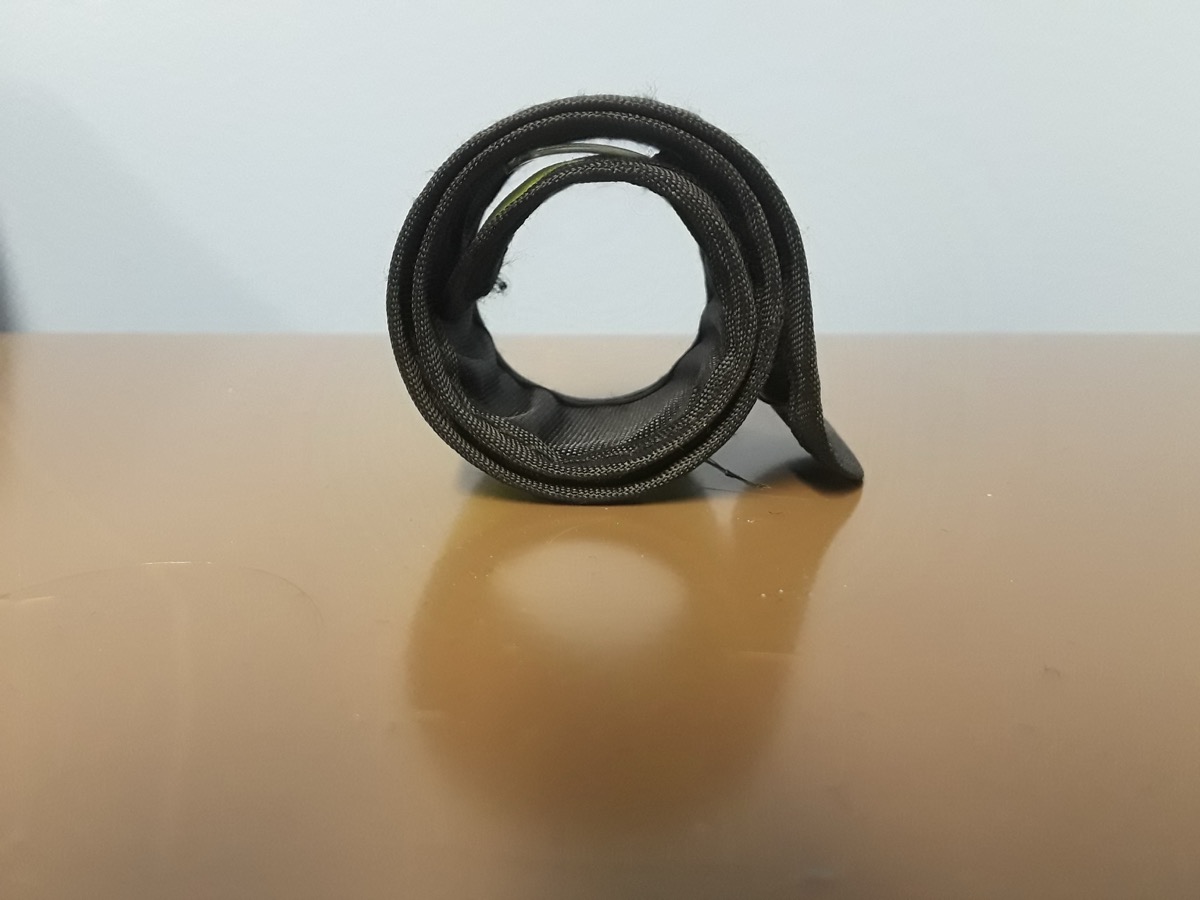
A slap bracelet coiled into its snapped-closed spiral, photographed from the side
Fashion 1990–1991

Slap Bracelets

A spring-steel band in a fabric sleeve that snapped flat around your wrist when slapped on — equal parts accessory and weapon. Stuart Anders's invention became a summer craze that vanished just as fast when cheap knockoffs cut kids' wrists and schools banned them outright.

Placeholder graphic with the text 'Tattoo Chokers' — no freely licensed photo of the plastic tattoo-style choker exists
Fashion 1994–1999

Tattoo Chokers

The tight, lace-patterned plastic necklace that mimicked a hand-drawn tattoo band—one size fits all, no clasp, just stretch it over your head and let it snap snug. Worn by Kate Moss, Drew Barrymore, Gwen Stefani, and every kid with an allowance, the choker's actual origin is lost to history, and it simply appeared everywhere at once.

Video thumbnail — Tech Deck: Fingers of Fury (1999)
Toys 1998–2003

Tech Deck Fingerboards

Miniature fingerboards the size of trading cards that let you do tricks on your desk. Tech Deck's genius move was licensing graphics from real skate brands like Birdhouse and World Industries, turning a novelty into a collecting frenzy — and a classroom contraband item teachers confiscated by the drawerful.

Video thumbnail — McDonald's Ad- Teenie Beanie Babies 1 (1997)
Toys 1997–2000

Teenie Beanies

When McDonald's put tiny Beanie Babies in Happy Meals in spring 1997, the craze jumped from collector shops to the drive-thru window—100 million toys, gone in two weeks, and a national apology campaign for running out.

Video thumbnail — The Sims 1 Commercial (2000)
Video Games 2000–present

The Sims

Will Wright's dollhouse simulator where you controlled virtual lives, sent them to work, made them fall in love, and then deleted the pool ladder and watched them drown. Launched in February 2000 by Maxis and EA, The Sims became the best-selling PC game of its era—a mania that never ended, spawning sequels that kept the franchise dominant for decades.

Video thumbnail — Tickle Me Elmo (Tyco Preschool) TV Commercial - 1996
Toys 1996

Tickle Me Elmo

The furry red monster that laughed when you tickled it — and triggered a holiday stampede that redefined toy panic. Released in July 1996 at $28.99, Tickle Me Elmo became the blueprint for every must-have frenzy to follow, complete with store stampedes and thousand-dollar scalper asks.

Video thumbnail — YOMEGA "Yo-Yo" COMMERCIAL (1999)
Trends 1997–1999

The Yo-Yo Craze

In the late 90s, playgrounds erupted into a worldwide yo-yo arms race fueled by technological breakthroughs—Yomega's "Brain" with its magical automatic return, ball-bearing transaxles that spun for ages, and trick hierarchies that drove kids to master walk-the-dog and around-the-world. Schools banned them, championships crowned them, and by decade's end it all collapsed just as suddenly.

Video thumbnail — Zhu Zhu Pets (Commercial 2009)
Toys 2009–2011

Zhu Zhu Pets

Robotic plush hamsters that scurried, squeaked, and detonated the 2009 holiday season. Mr. Squiggles and friends retailed for nine bucks and resold for forty when the shelves went bare.