Teenie Beanies

When McDonald's put tiny Beanie Babies in Happy Meals in spring 1997, the craze jumped from collector shops to the drive-thru window—100 million toys, gone in two weeks, and a national apology campaign for running out.
By April 1997, Ty Warner's Beanie Babies had reached a fever pitch. Secondary-market bidding wars erupted over rare animals, and Ty seemed to print money with every retirement and release. So in April, McDonald's made a decision that seemed obvious: put miniature Beanie Babies in Happy Meals and feed the madness. The promotion launched April 11, 1997, with ten different Teenie Beanies to collect—two new animals each week over a five-week run through May 15. McDonald's ordered 100 million toys, 10 million of each style.
Most styles sold out the day they appeared. The entire promotion was effectively over by late April, scarcely two weeks in—three weeks ahead of schedule. The result was bedlam. Adults bought Happy Meals by the dozen and discarded the food to get the toys. Some locations ran dry. McDonald's ran frantic damage-control ads on television, radio, and in full-page newspaper spreads apologizing for running out. The Beanie Baby mania, already white-hot, had jumped to a new frontier: the family restaurant, where elementary-school kids and their parents collided with collectors willing to buy thirty burgers for thirty toys.
McDonald's brought the Teenie Beanies back year after year through 1998, 1999, and 2000—each run producing more toys than the last even as demand cooled. The ugliest scenes actually came with the 1998 sequel: fights broke out at McDonald's locations, police were called, criminal charges were filed, and injuries were reported. Yet the secondary market still commanded premiums for rare Teenie Beanies, selling for multiples of the Happy Meal price. It was Beanie Baby bubble culture distilled: the child's toy, the collector's obsession, and the capitalist machinery of convenience all colliding in the most American of settings.
Similar items

Beanie Babies
Ty Warner's small, under-stuffed plush animals launched in 1993 with a genius (and cynical) business strategy: artificial scarcity through deliberate 'retirements' sparked a mid-90s speculative mania. Kids and desperate adults bought price guides, protected tags with plastic sleeves, camped out for McDonald's Teenie Beanies, and treated them as retirement investments before the bubble collapsed around 1999.

McDonald's Monopoly
Peel the game piece off the fries carton, hold your breath: Park Place. Again. Everyone had a drawer full of Park Places — because the Boardwalks were the whole game. What nobody knew was where the Boardwalks were actually going.

Burger King Kids Club
Burger King's animated kids-meal gang, launched 1990: Kid Vid, I.Q., Boomer, Snaps, Wheels, Lingo, Jaws, and J.D. the dog. They lived on tray liners, toy packaging, and Saturday morning TV — except there was no show. The characters were the marketing.
Happy Meal Toys
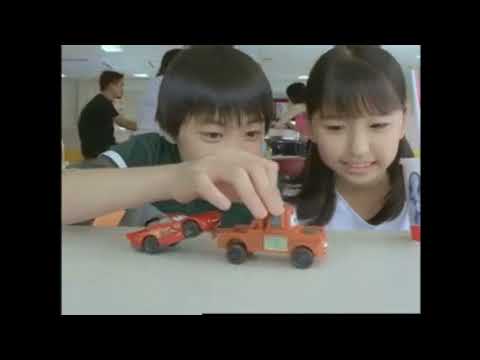
The toy was the point; the burger was an afterthought. McDonald's Happy Meal turned a quick lunch into ritual theater, where the real prize waited in the box. For generations of kids, the question wasn't what's for dinner — it was which toy is it this week.