Zhu Zhu Pets

Robotic plush hamsters that scurried, squeaked, and detonated the 2009 holiday season. Mr. Squiggles and friends retailed for nine bucks and resold for forty when the shelves went bare.
Zhu Zhu Pets came from Cepia LLC, a small St. Louis toy company, created by toy inventor Russ Hornsby and launched in 2009: palm-sized robotic plush hamsters—Mr. Squiggles, Pipsqueak, Num Nums and the rest—that scurried around squeaking, with an ecosystem of hamster balls, tubes, and habitats to buy alongside. At about $9–10 each they were priced for recession-era stocking stuffers, and that was part of the magic.
Then came the panic. Zhu Zhu Pets became THE must-have toy of the 2009 holidays; shortages emptied shelves and resale prices hit $40 and up on eBay and Craigslist as parents hunted the little rodents down. December brought a scare when consumer group GoodGuide claimed Mr. Squiggles carried excess antimony—but the Consumer Product Safety Commission reviewed the toy, found it met the federal standard, and GoodGuide apologized, acknowledging its testing method differed from the government's. Like most craze pets, the frenzy cooled almost as fast as it ignited; within a couple of years the hamsters had scurried off to yard-sale bins, leaving one perfectly preserved memory of the last great pre-tablet toy panic.
Similar items
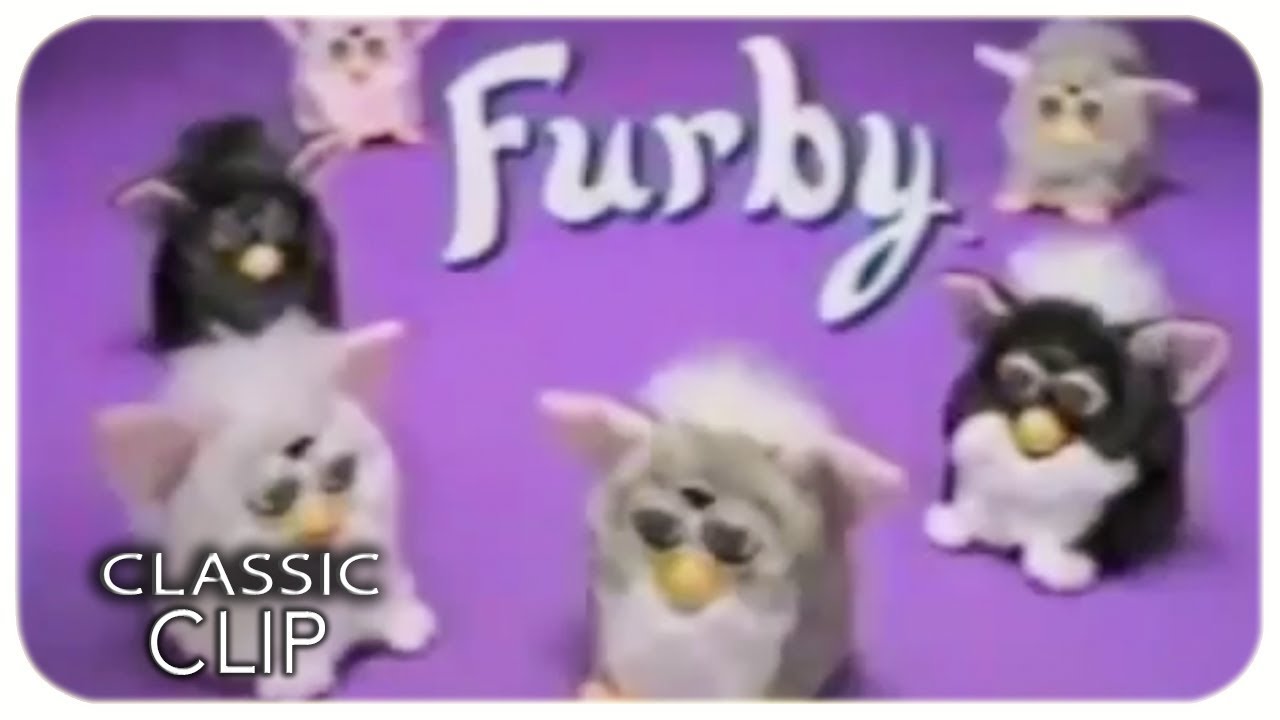
Furby
A furry owl-hamster gremlin that spoke gibberish and slowly "learned" English, making it feel genuinely alive. Tiger Electronics' Furby became the holiday craze of 1998—resale prices hit $100, and the NSA banned it from its offices out of sheer paranoia.

Webkinz
Adorable plush animals from Canadian maker Ganz that came with a Secret Code—enter it online, and a virtual version appeared in Webkinz World, your own customizable digital space. Feed it, play mini-games, decorate its room, and if you neglected it too long, it'd get cranky. The plush-plus-online hook made Webkinz a mid-to-late 2000s obsession, especially among kids who'd aged out of Tamagotchis but weren't ready to leave their digital pets behind.

Beanie Babies
Ty Warner's small, under-stuffed plush animals launched in 1993 with a genius (and cynical) business strategy: artificial scarcity through deliberate 'retirements' sparked a mid-90s speculative mania. Kids and desperate adults bought price guides, protected tags with plastic sleeves, camped out for McDonald's Teenie Beanies, and treated them as retirement investments before the bubble collapsed around 1999.
Bop It
The barking baton that shouted commands — Bop it! Twist it! Pull it! — faster and faster until somebody fumbled and somebody else gloated. Simple enough to learn in ten seconds, merciless enough to end friendships, and loud enough that parents hid it on top of the fridge.