The Sims

Will Wright's dollhouse simulator where you controlled virtual lives, sent them to work, made them fall in love, and then deleted the pool ladder and watched them drown. Launched in February 2000 by Maxis and EA, The Sims became the best-selling PC game of its era—a mania that never ended, spawning sequels that kept the franchise dominant for decades.
The Sims arrived on February 4, 2000, designed by Will Wright (who'd previously created SimCity) as a life simulator in the tradition of his earlier work—but whereas SimCity asked you to manage a city, The Sims asked you to micromanage a household. You created Sims, built their houses, watched them pursue careers and relationships, and experienced the universal crime of deleting the pool ladder and watching your neglected Sim drown. The Simlish gibberish they spoke was instantly iconic, and the 'rosebud' money cheat became the game's worst-kept secret — an infinite cash injection for your struggling Sims. The game sold millions within its first year and became a cultural touchstone for PC gaming.
The Sims 2 (2004) and The Sims 3 (2009) kept the franchise at the top of the PC-gaming heap, while a steady stream of expansions and spin-offs ensured there was always new content to buy. The franchise has never actually stopped—new mainline entries and spin-offs continue to this day, making The Sims not just a nostalgia artifact but an ongoing phenomenon that's been running in some form continuously since 2000.
Similar items

Tamagotchi
The egg-shaped digital pet that lived on a keychain and died if you ignored it during math class. Bandai's Tamagotchi demanded constant feeding, cleaning, and attention, sparking a global craze — and a wave of school bans.

MySpace
MySpace launched in August 2003 and became the social network that swallowed the mid-2000s internet — where everyone's first friend was Tom. Top 8 rankings sparked drama, profile songs played on auto-load, and DIY HTML customization meant glitter graphics and autoplay music ruled. Bands broke careers there; it was the most-visited website in the US by 2006.
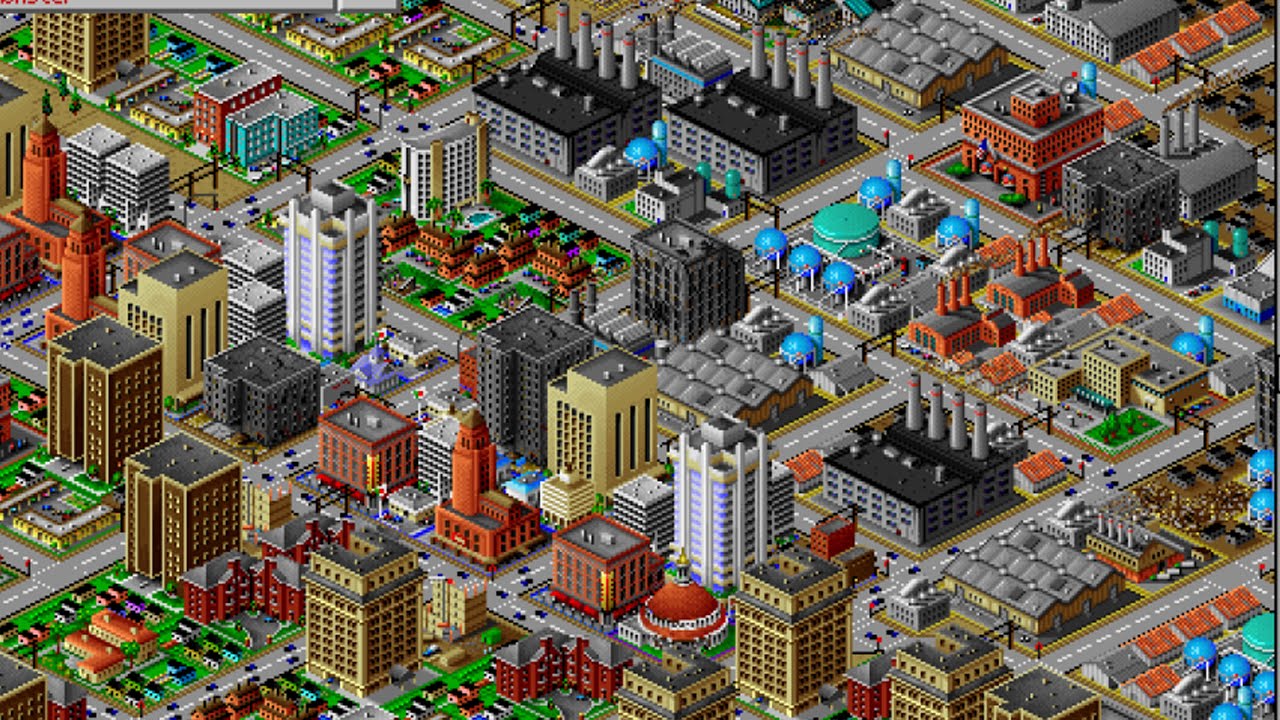
SimCity 2000
The city-building game that made zoning feel like destiny. SimCity 2000 traded the original's flat grid for a gorgeous isometric view with terrain elevation, underground layers, and a tech tree capped by arcologies — massive self-contained future cities that could blast into space. For a generation of 90s kids on the family PC, it was equal parts urban-planner simulator and disaster-unleashing sandbox.

Second Life
A world with no levels, no quests, and no way to win — just land you could buy and a currency you could cash out for real money. For about two years in the mid-2000s, Second Life was going to be the future, and every news network, embassy and corporation piled in to say so. It is still running, which surprises people.