Beanie Babies

Ty Warner's small, under-stuffed plush animals launched in 1993 with a genius (and cynical) business strategy: artificial scarcity through deliberate 'retirements' sparked a mid-90s speculative mania. Kids and desperate adults bought price guides, protected tags with plastic sleeves, camped out for McDonald's Teenie Beanies, and treated them as retirement investments before the bubble collapsed around 1999.
Ty Inc.'s Beanie Babies debuted in 1993 as small, bean-filled plush toys with a simple silhouette and minimal stuffing — cheap to produce, adorable, and crucially, limited. Ty's masterstroke was transparency: each Beanie had a birthdate on its tag, and the company announced 'retirements' of specific models, creating artificial scarcity. Collectors, initially just kids, began hunting for rare retired versions. By the mid-1990s, Beanie Mania had taken hold across America.
Peak insanity arrived in 1997 when McDonald's partnered with Ty for Teenie Beanies as Happy Meal prizes, triggering riots in fast-food parking lots as adults and kids fought over complete sets. Price guides appeared in bookstores (a Beanie worth $5 retail suddenly commanded $500 on the secondary market), tag protectors sold separately, and investors treated them like stock portfolios. Ty became a multibillion-dollar empire on the back of psychological scarcity manipulation. The bubble inevitably burst around 1999 as supply outpaced demand and the investment thesis collapsed. Most collections today are worth far less than their peak, though some rare first-editions still hold value. The phenomenon remains a textbook lesson in speculative bubbles and the power of artificial scarcity in driving mania.
Similar items

Tamagotchi
The egg-shaped digital pet that lived on a keychain and died if you ignored it during math class. Bandai's Tamagotchi demanded constant feeding, cleaning, and attention, sparking a global craze — and a wave of school bans.

Teenie Beanies
When McDonald's put tiny Beanie Babies in Happy Meals in spring 1997, the craze jumped from collector shops to the drive-thru window—100 million toys, gone in two weeks, and a national apology campaign for running out.

Baseball Card Collecting
Every kid's shoebox of commons was going to pay for college. Junk-wax-era baseball cards — Topps, Fleer, Donruss, Score, Upper Deck — were printed by the billions while Beckett price guides promised the binder was a portfolio.
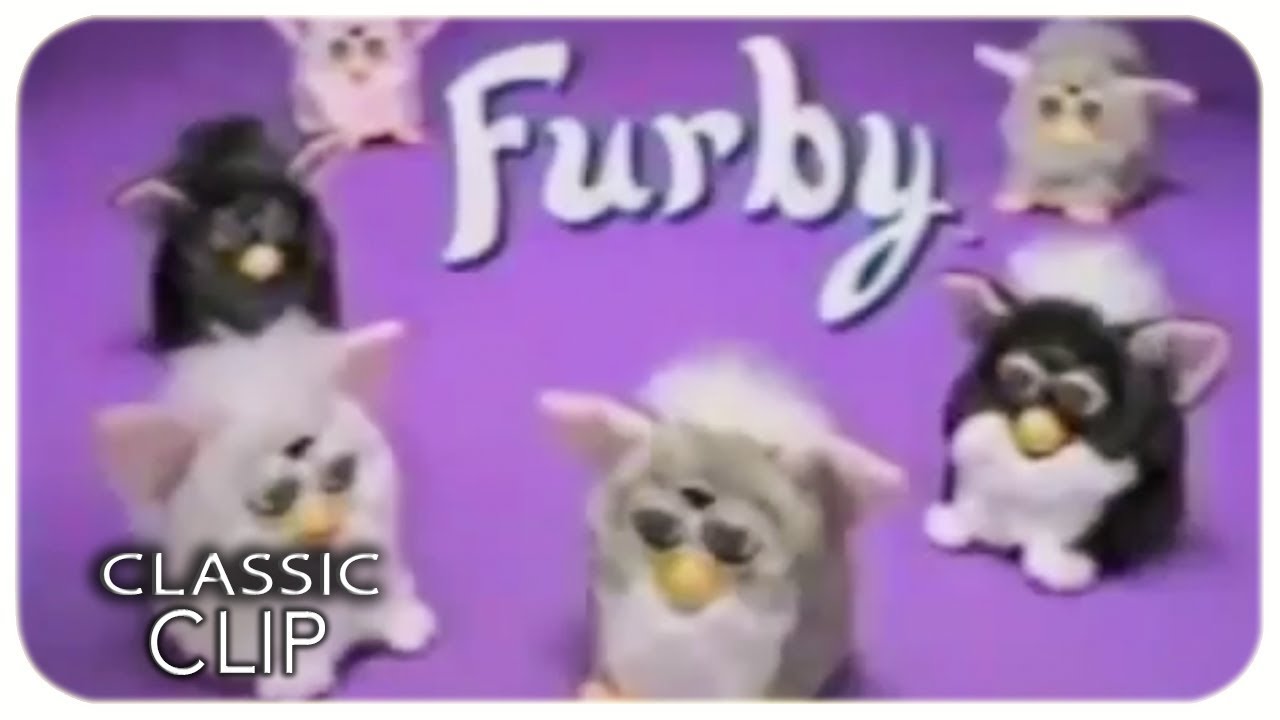
Furby
A furry owl-hamster gremlin that spoke gibberish and slowly "learned" English, making it feel genuinely alive. Tiger Electronics' Furby became the holiday craze of 1998—resale prices hit $100, and the NSA banned it from its offices out of sheer paranoia.