Tech Deck Fingerboards

Miniature fingerboards the size of trading cards that let you do tricks on your desk. Tech Deck's genius move was licensing graphics from real skate brands like Birdhouse and World Industries, turning a novelty into a collecting frenzy — and a classroom contraband item teachers confiscated by the drawerful.
Tech Deck launched in 1998 and immediately exploded through the licensing deals that made each deck feel authentic. Kids built ramp setups on binders, perfected ollies on textbook spines, and collected dozens of branded variants. The portability was the killer feature: endless tricks during math class, behind your back, in your pocket.
By the early 2000s, tech decks had become so ubiquitous that schools nationwide reported bulk confiscations. Teachers found them as distracting as pagers had been to an earlier generation. The fad cooled after 2003, though the brand persists today as a nostalgic niche collectible and occasional novelty revival.
Similar items

Pogs
Circular cardboard caps stacked and slammed on playgrounds from coast to coast. A simple game descended from Hawaiian milk-cap traditions, Pogs spiraled into a full-blown craze—until schools banned them as gambling and the market collapsed.

The Yo-Yo Craze
In the late 90s, playgrounds erupted into a worldwide yo-yo arms race fueled by technological breakthroughs—Yomega's "Brain" with its magical automatic return, ball-bearing transaxles that spun for ages, and trick hierarchies that drove kids to master walk-the-dog and around-the-world. Schools banned them, championships crowned them, and by decade's end it all collapsed just as suddenly.
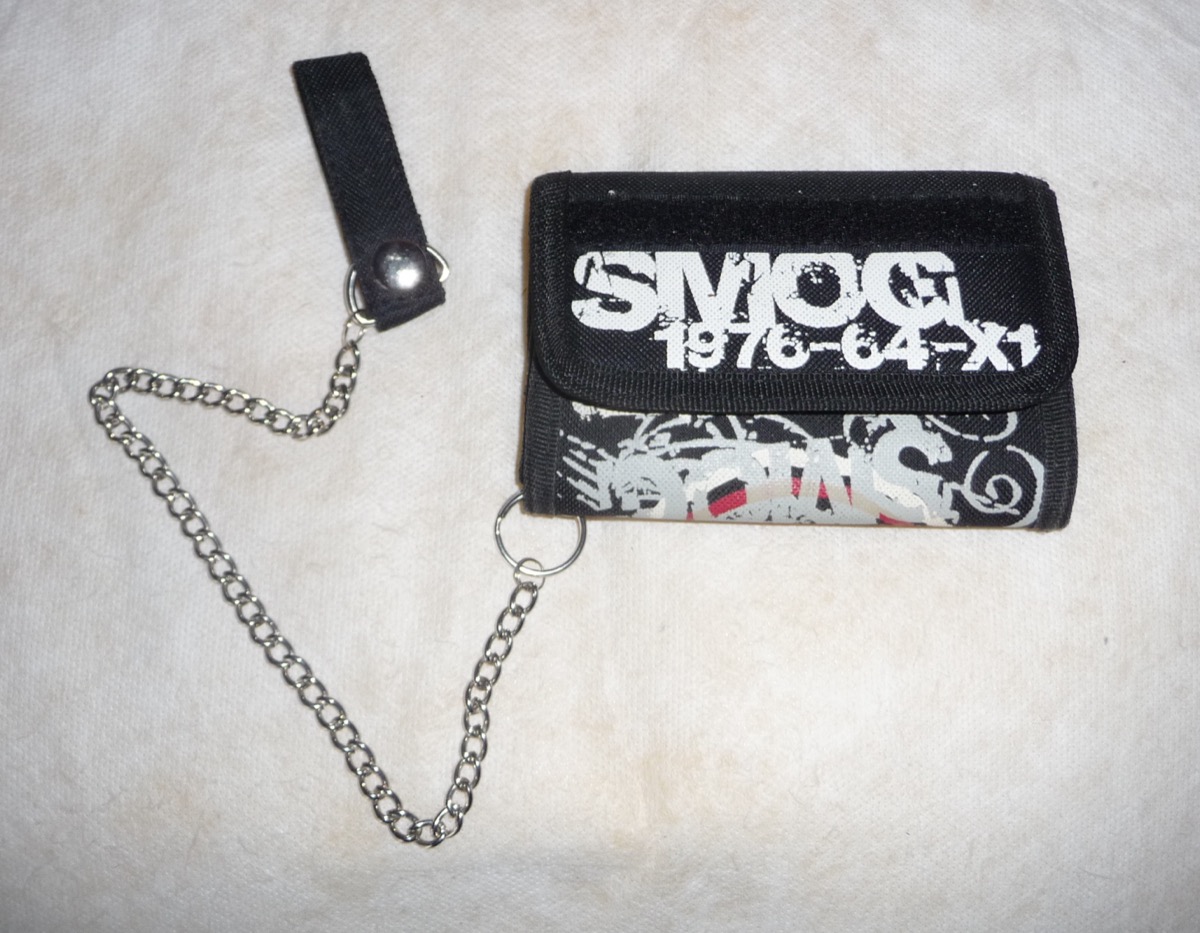
Chain Wallets
A metal chain connecting your trifold wallet to your belt loop—the ultimate 90s mall accessory that nobody actually needed for security but everyone desperately wanted anyway. Biker chic meets suburban shopping mall.

ZipZaps
RadioShack's palm-sized RC cars turned a strip-mall electronics store into toy-craze headquarters. You didn't just drive a ZipZap — you tuned it, with swappable motors, gears, and body shells, like a pocket garage for the Fast and Furious generation.