Betty Spaghetty
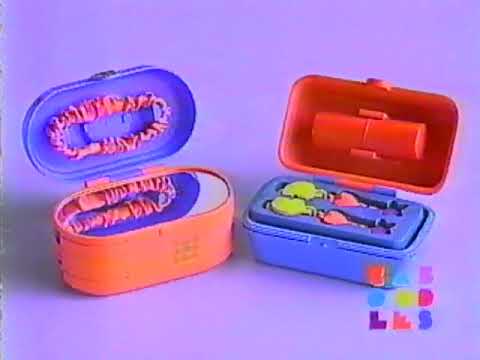
The bendy doll with rubbery spaghetti-strand hair you could braid, bead, and restyle forever—plus snap-off hands, feet, and shoes to swap between friends. Half doll, half fidget toy, all late-90s.
21 items
The bendy doll with rubbery spaghetti-strand hair you could braid, bead, and restyle forever—plus snap-off hands, feet, and shoes to swap between friends. Half doll, half fidget toy, all late-90s.
Fashion dolls from MGA Entertainment launched in 2001; the original four 'girls with a passion for fashion' (Yasmin, Cloe, Jade, Sasha) had oversized heads, big almond eyes, glossy pouty lips, and removable snap-off feet, with edgy trend-forward outfits. They seriously challenged Barbie's dominance in the mid-2000s and sparked a long legal battle with Mattel.
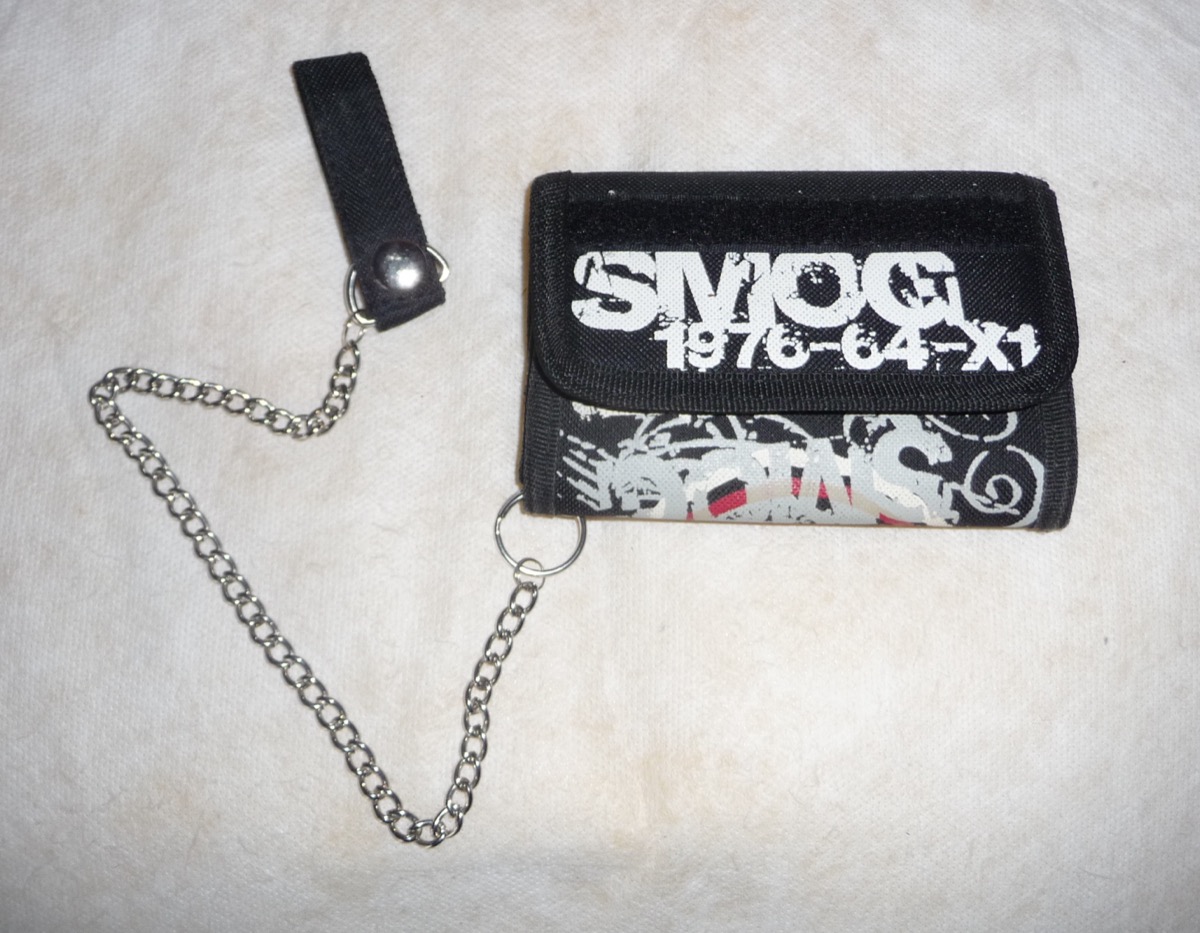
A metal chain connecting your trifold wallet to your belt loop—the ultimate 90s mall accessory that nobody actually needed for security but everyone desperately wanted anyway. Biker chic meets suburban shopping mall.
The mole, the mane, the Pepsi. Cindy Crawford was the supermodel era's all-American face — MTV's House of Style host, Super Bowl commercial legend, and the reason a generation's living rooms had a workout VHS parked in the VCR.
A German blonde discovered in a nightclub who became the face on a thousand magazine covers, the muse of Karl Lagerfeld, and — reportedly — the highest-paid model in the world. Claudia Schiffer was the supermodel of the supermodel era.
The mid-to-late-2000s youth subculture built around emo and pop-punk bands like My Chemical Romance, Fall Out Boy, Panic! at the Disco, and Dashboard Confessional. The look: long side-swept bangs over one eye, black skinny jeans, band tees, studded belts, thick eyeliner, Converse, and dyed or straightened hair. It lived on MySpace through dramatic high-angle selfies and Top 8 drama, shaping a generation's teenage aesthetic.
Before she became a name, Eva Mendes was the girl in the music videos—Aerosmith, Will Smith, Pet Shop Boys. Then she broke into film at exactly the right moment to become a defining screen presence of the 2000s multiplex.
Casio's G-Shock (first released in 1983) was the chunky, rugged, shock-resistant digital watch built to survive drops and abuse. The smaller, more colorful Baby-G line (launched 1994) targeted a younger audience and helped make the watches a 1990s fashion staple—big plastic bodies, digital displays, and durability marketing turned them into schoolyard status accessories.
After a decade fronting No Doubt, Gwen Stefani reinvented herself as a solo pop force in 2004 — dropping "Hollaback Girl," parading her Harajuku Girls, and launching a fashion empire. It was maximalist, brand-savvy 2000s pop at its peak.
Sneakers with a hidden wheel in the heel that made kids feel like they were gliding through the mall in ways shoes were never meant to allow. Schools banned them almost as fast as they sold, malls put up 'no Heelys' signs, and the fad burned from the early 2000s to its 2006–07 peak before the cool factor evaporated.
Thin, neon plastic hoops that came in every color imaginable and were stacked up the arm like jewelry—the fashion accessory that cost almost nothing and became trading currency on every playground. Sparked by Madonna's 1980s stacked-arm look, they dominated the early 80s and stayed essential into the 90s, cheap enough to lose constantly and buy again without guilt.
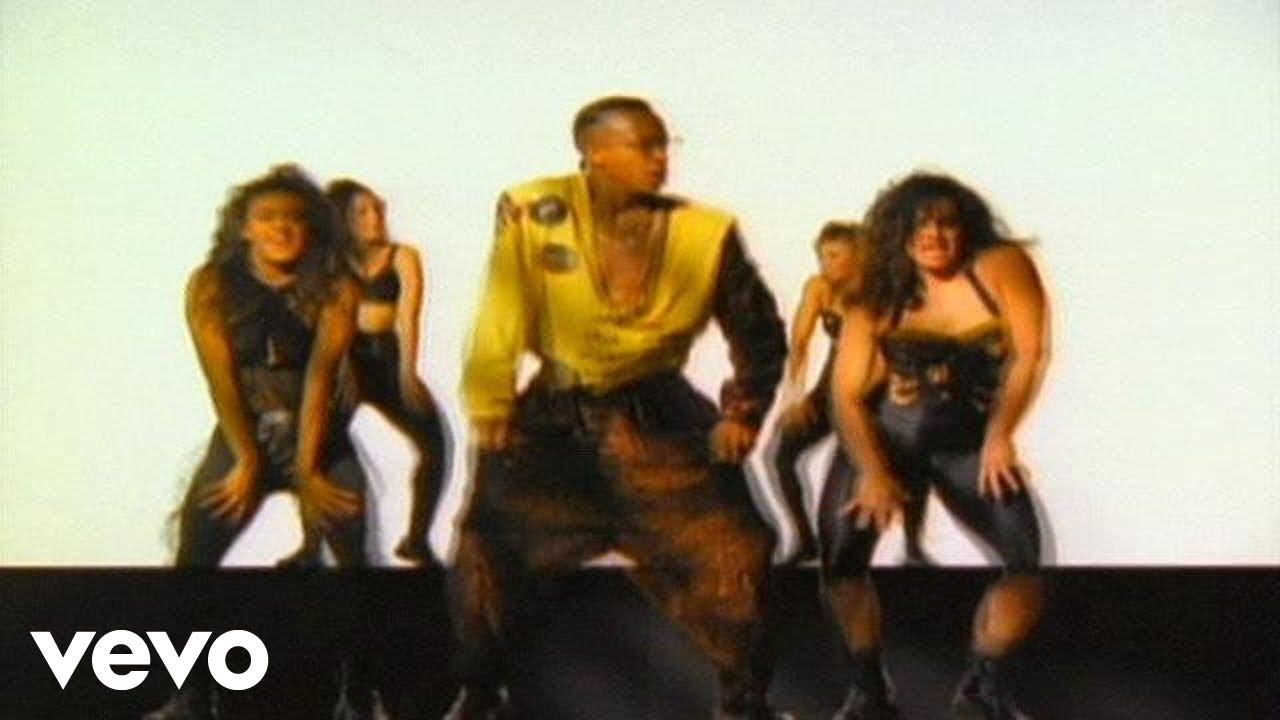
JNCO jeans were the uniform of 90s youth rebellion: outrageously baggy denim with cavernous pockets so deep you could lose a Walkman, decorated with zipper details and an attitude that rejected traditional fit. If you weren't tripping over your cuffs or making those pockets jingle, you weren't dressed for the decade.
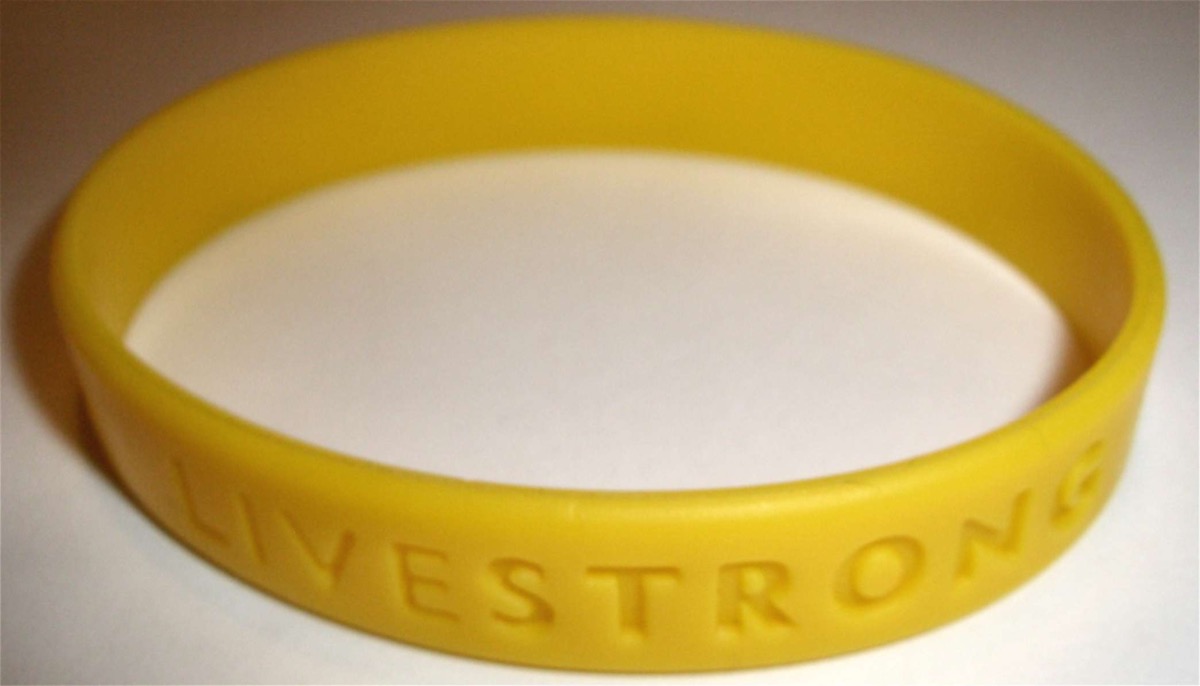
The yellow silicone gel wristband launched in 2004 by the Lance Armstrong Foundation with Nike, sold for $1 to support people affected by cancer. Tens of millions sold, and it ignited the entire cause-awareness rubber-bracelet craze—soon every color stood for a different charity, and everyone stacked them on their wrists like a visible moral portfolio.
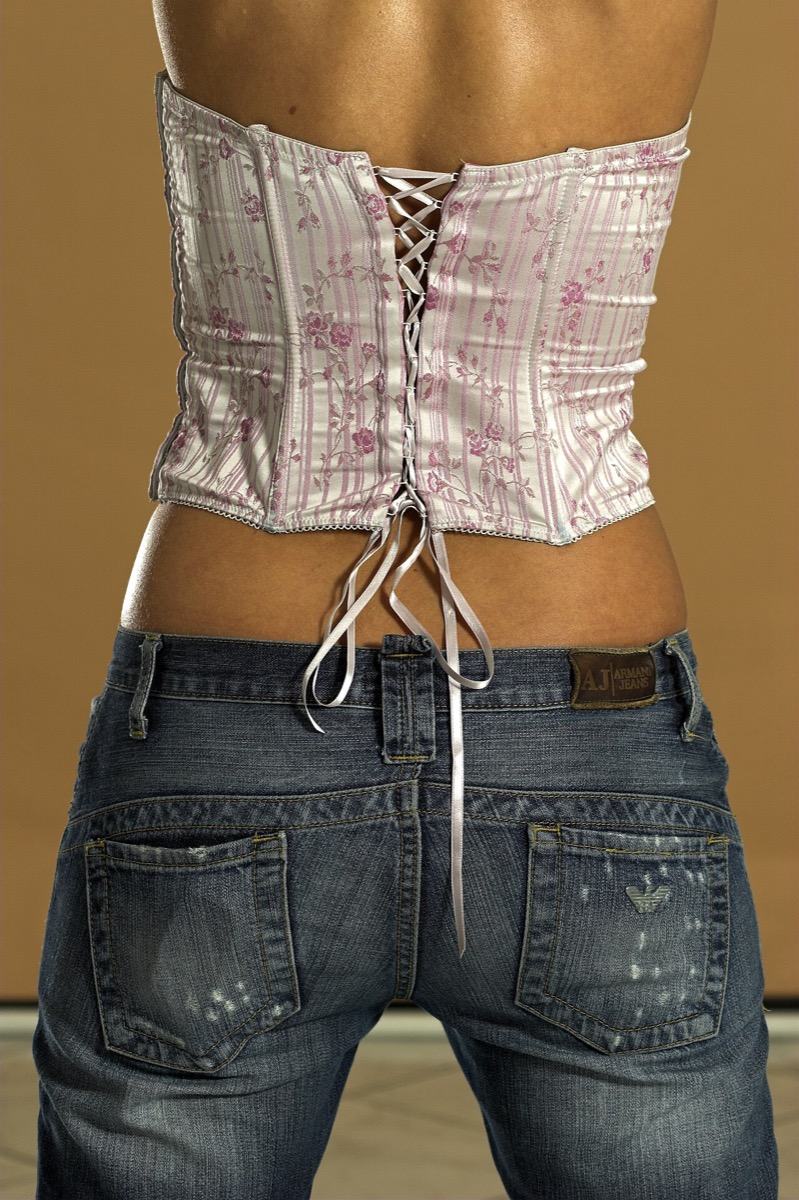
The denim silhouette that exposed everything — waistbands that barely qualified as clothing. Low-rise jeans paired with visible thongs and belly-button rings was THE Y2K uniform, and photos from this era still make you cringe.
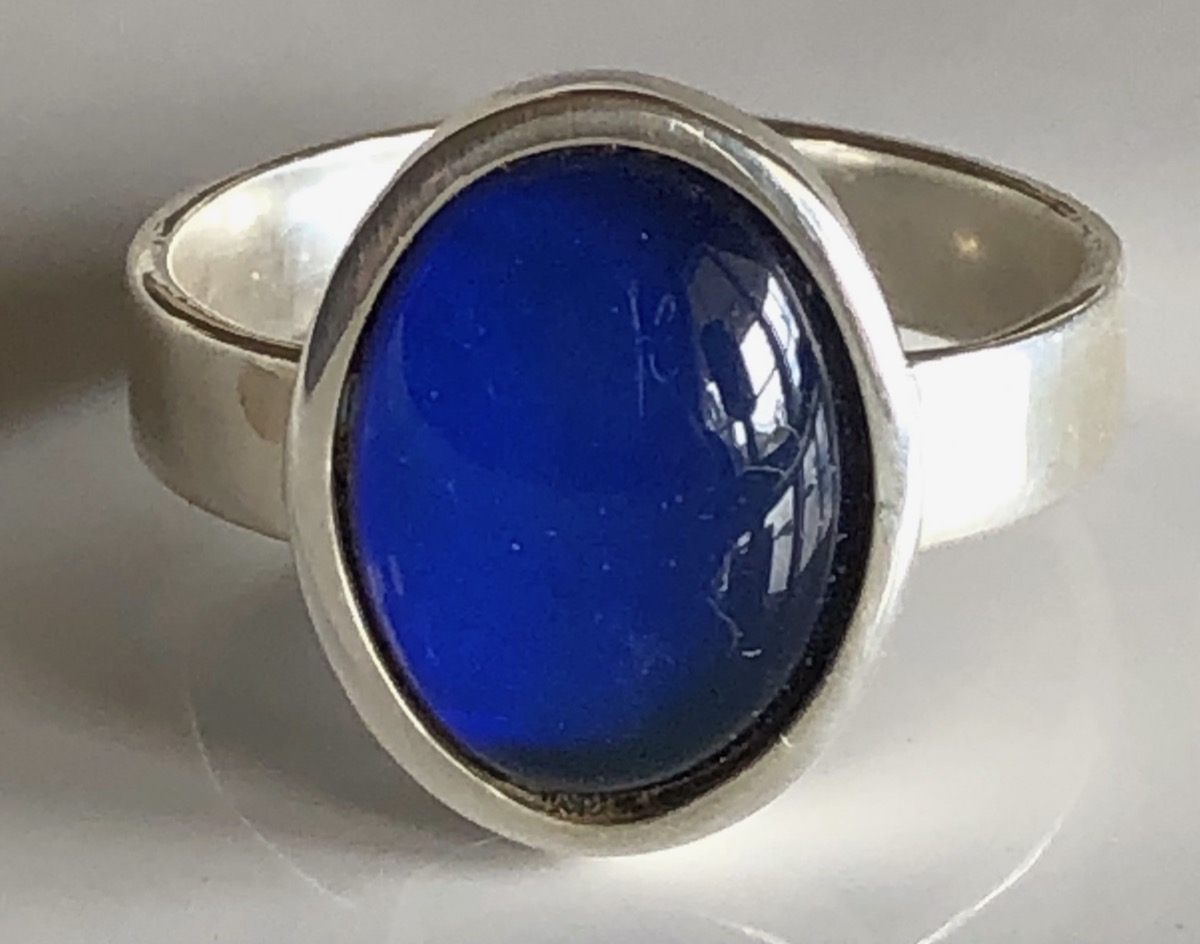
A thermochromic crystal that supposedly read your emotions—blue meant calm, black meant stressed—except it mostly just measured how cold your hands were. The stone changed color with finger temperature, not feelings, but that didn't stop every kid from testing one against its color chart and knowing, deep down, it was a scam.
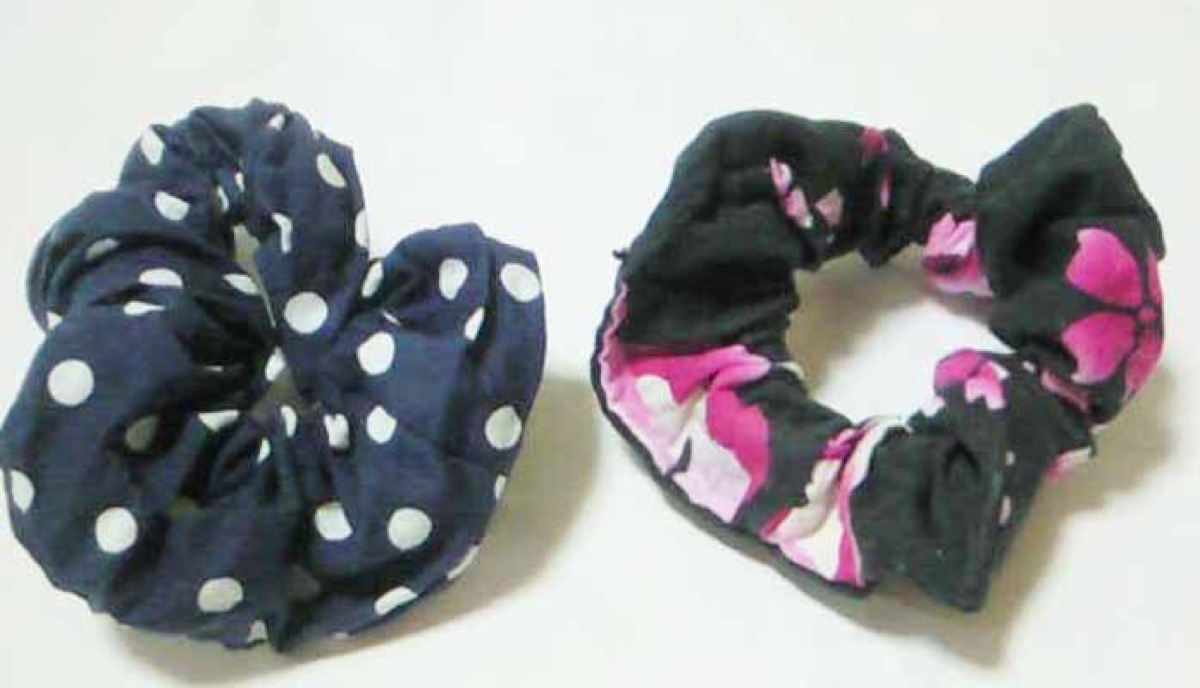
The elastic hair tie wrapped in fabric that came in every color, pattern, and fabric texture imaginable — velvet, neon, holographic, gingham. Patented by Rommy Revson in 1987 and sold as Scünci, scrunchies were the ubiquitous hair staple that defined how an entire generation held up their ponytails and side-swept bangs.
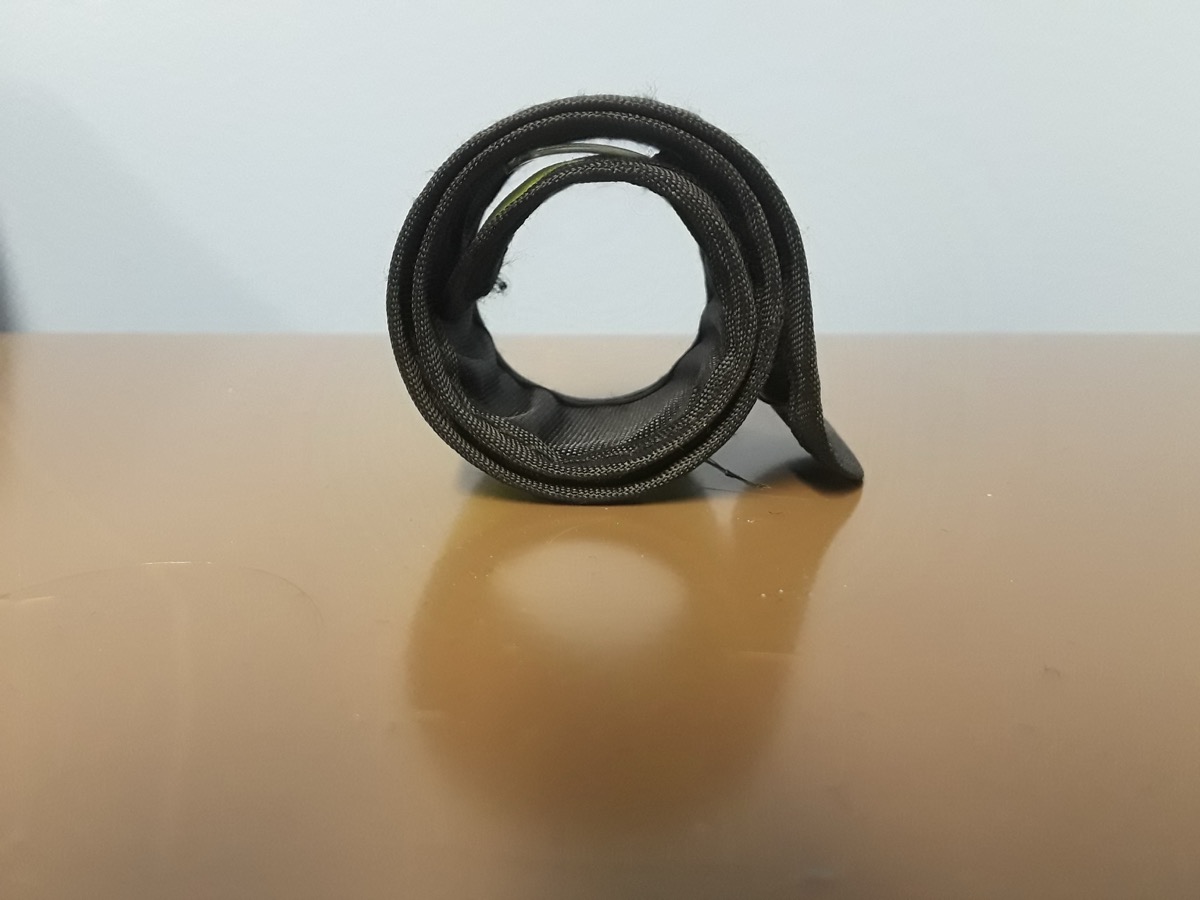
A spring-steel band in a fabric sleeve that snapped flat around your wrist when slapped on — equal parts accessory and weapon. Stuart Anders's invention became a summer craze that vanished just as fast when cheap knockoffs cut kids' wrists and schools banned them outright.
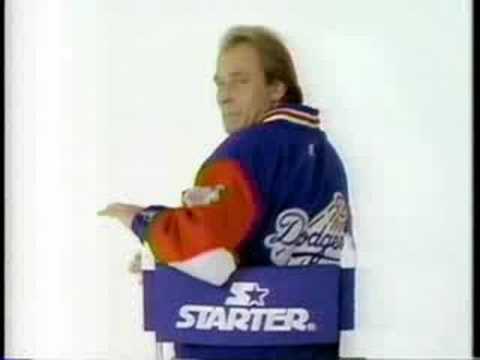
Starter's nylon and satin team jackets were the uniform of 90s cool — oversized windbreakers emblazoned with NBA and NFL team logos that transformed playground basketball courts and city streets into stadiums of style. Starter jackets became so coveted they sparked robberies, making them perhaps the decade's most dangerous fashion statement.
The tight, lace-patterned plastic necklace that mimicked a hand-drawn tattoo band—one size fits all, no clasp, just stretch it over your head and let it snap snug. Worn by Kate Moss, Drew Barrymore, Gwen Stefani, and every kid with an allowance, the choker's actual origin is lost to history, and it simply appeared everywhere at once.
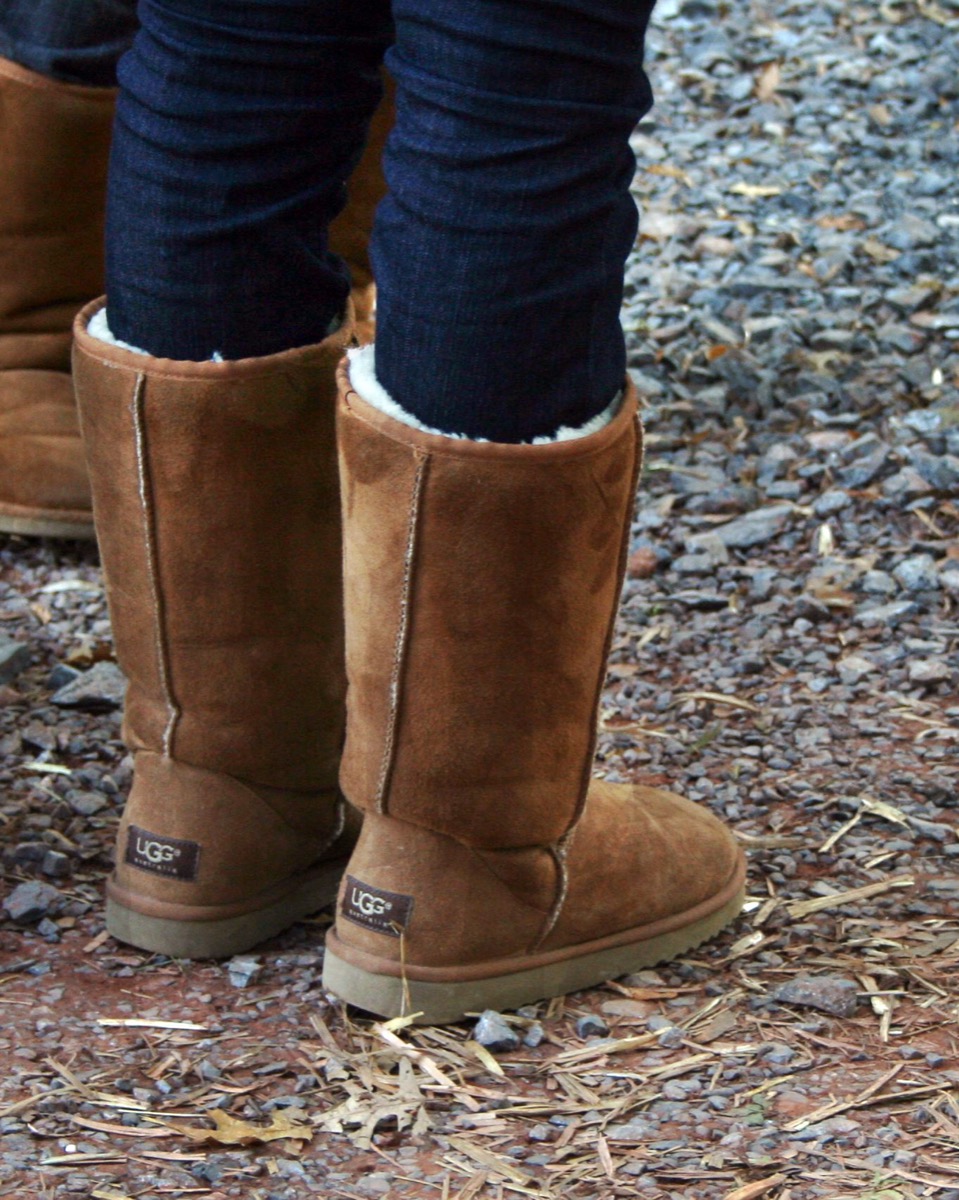
Sheepskin boots that conquered the world: the UGG brand exploded into a mid-2000s craze, worn year-round by celebrities and mall crowds alike. Paired with miniskirts in winter, sweatpants in summer, or tucked under jeans any season — comfort trumped couture, and comfort won.
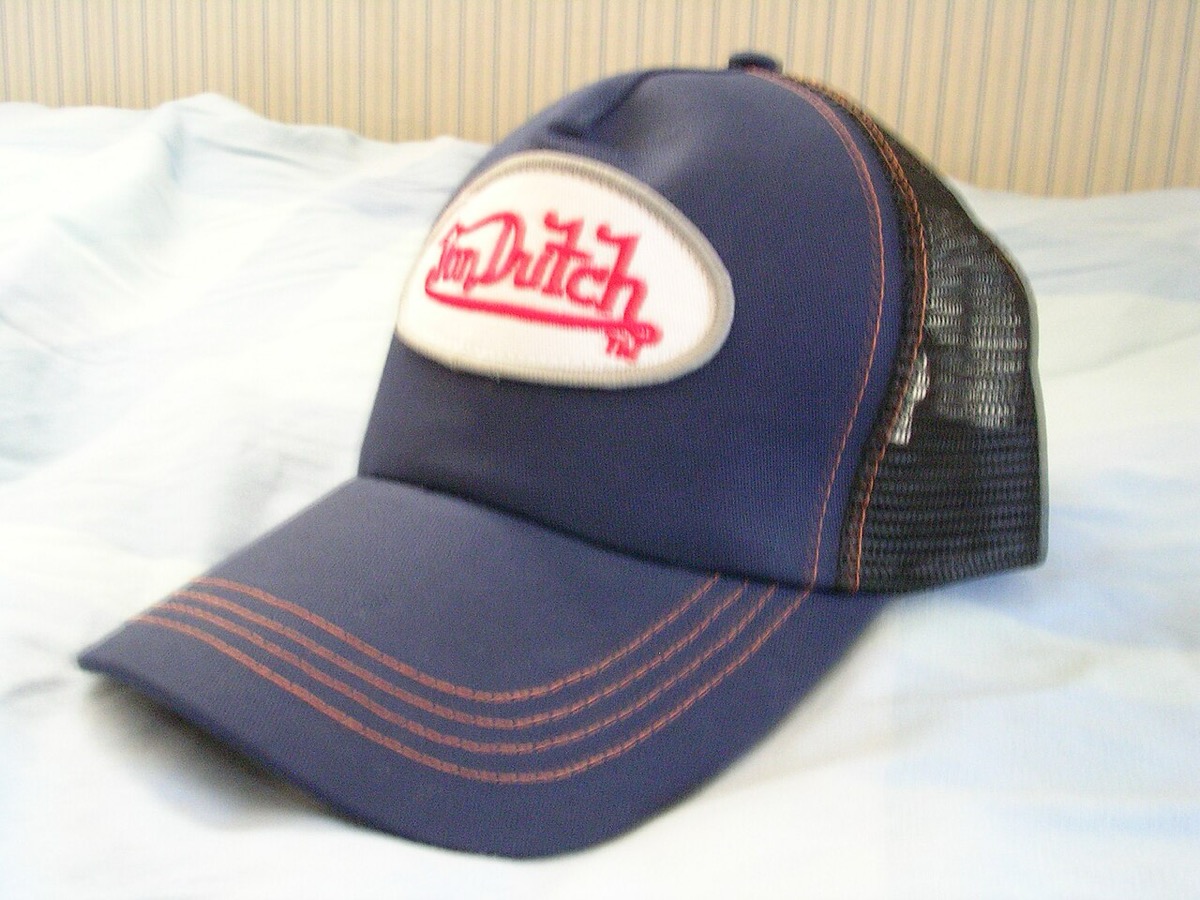
The mesh-backed, foam-front trucker cap that became a mid-2000s celebrity status symbol under the Von Dutch brand. Worn and photographed constantly by celebrities like Ashton Kutcher, Paris Hilton, and Britney Spears, the Von Dutch trucker hat turned a humble working-man's accessory into a pricey fashion flex. It defined—and quickly dated—the Y2K era.