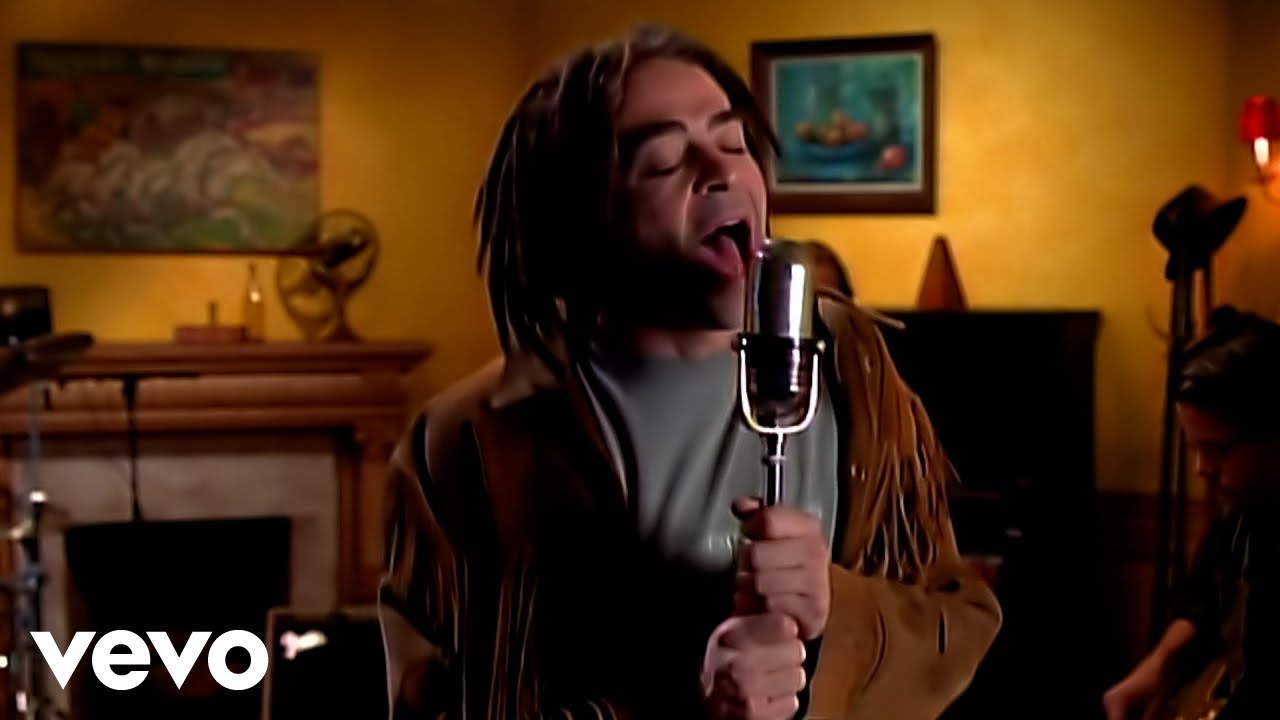
August and Everything After
Counting Crows' 1993 debut—rootsy, literate, and aching, with "Mr. Jones" inescapable on every radio and Adam Duritz's dreads on every MTV block. The album that lived in car CD players for the rest of the decade.
6 items
Counting Crows' 1993 debut—rootsy, literate, and aching, with "Mr. Jones" inescapable on every radio and Adam Duritz's dreads on every MTV block. The album that lived in car CD players for the rest of the decade.

The mail-order music gamble that tangled millions in negative-option billing: "Get 12 CDs for a penny," then buy more albums at full price or face automatic charges. Columbia House was the trap that snapped shut after the free shipment arrived—and every kid who signed up under a fake name was trying to outsmart the system.
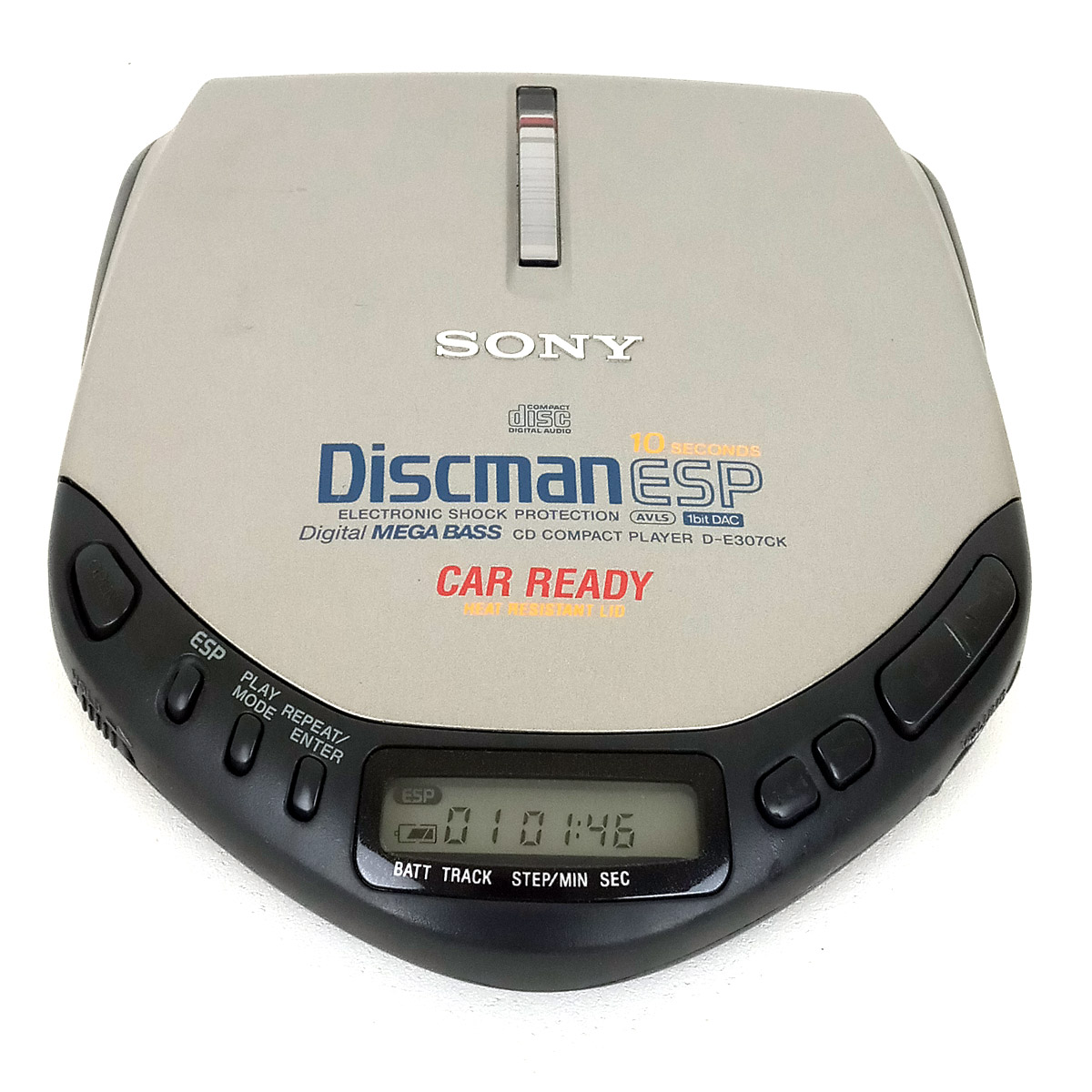
The ritual of portable CD life: a Sony Discman clipped to your waist or backpack, Electronic Skip Protection bragged on the box, and a zip-up CD binder holding exactly 24 discs — the ones that defined you. CD binders like Case Logic wallets replaced jewel cases, turning your music taste into curated, tangible proof of personality.

Kids singing scrubbed-clean covers of the current Top 40, sold by TV commercials shouting "KIDZ BOP KIDS!" on a loop. You either begged for one or begged to make it stop—there was no third option.

The mixtape of the CD-R era: download MP3s from file-sharing sites, burn them to a blank disc in Nero or iTunes, label it with Sharpie, and pray it didn't skip. Mix CDs were the late-90s and 2000s ritual—track order agonized over, burnable only by those with a CD-R drive, given as love offerings and road-trip soundtracks.

The ubiquitous mall record store where 90s kids bought CDs, cassettes, and band tees. Sam Goody was the go-to destination for new releases and the social hub of music shopping before big-box discounters and digital downloads reshaped retail.