WordArt
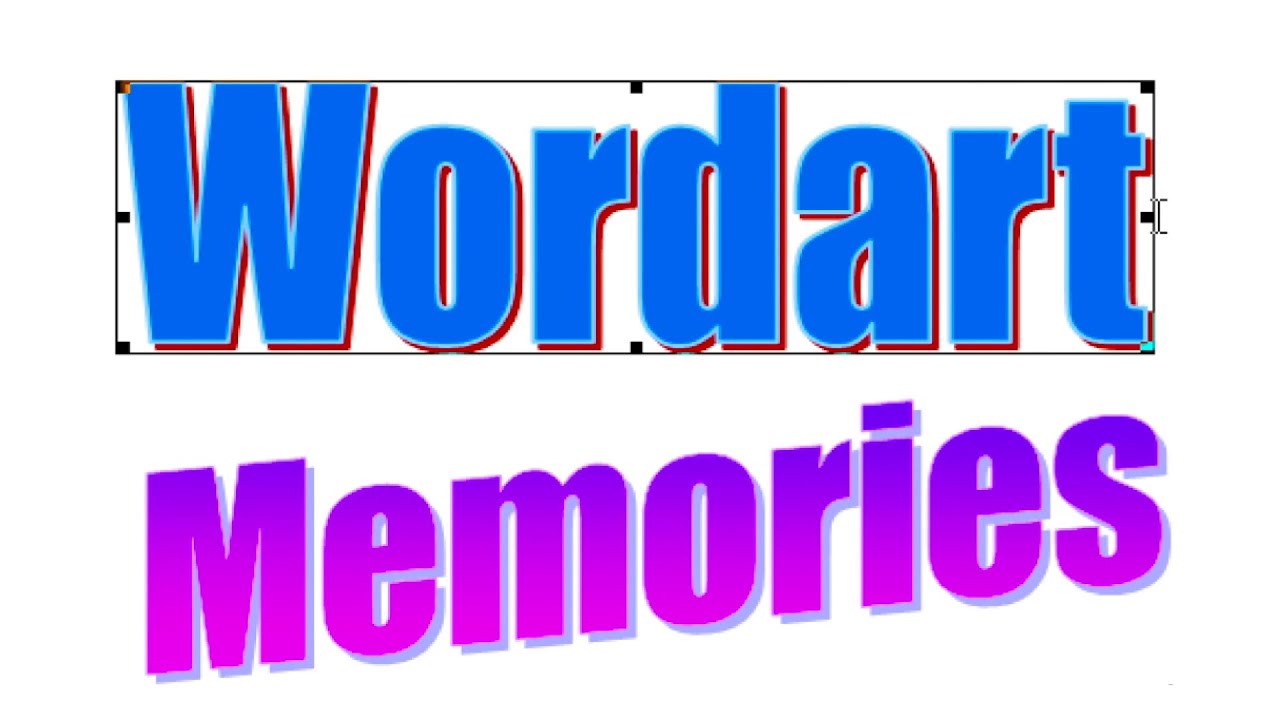
Thirty preset styles, one rainbow gradient, and a generation of book reports that opened with their titles bent into impossible arches. WordArt was Microsoft's gift to the school computer lab — where personality went to become garish, and unstoppable.
WordArt was created in 1991 by two Microsoft interns, Nat Brown and Scott Forstall — both of whom would later become Apple employees. It arrived as a text-styling feature in Microsoft Word, offering thirty preset styles: rainbow gradients, chrome effects, drop shadows, 3-D extrusions — a weapon of graphic design handed to people who had never been trusted with one before.
The ritual was nearly universal. Every book report, every science-fair poster, every family-reunion flyer that emerged from a school computer lab opened with its title in WordArt, and the style you picked was personality. It lived alongside clip art as the entire graphic-design toolkit available to a kid with a deadline — text that could be bent, arched, chrome-plated, and somehow improved by being so aggressively unsubtle that it became its own kind of beauty.
Office 2007 overhauled WordArt in Excel and PowerPoint with new, tastefully flat styles; Word kept the classic gallery until new presets arrived with Word 2010 — and the rainbow-arch era quietly ended. But in a thousand family filing cabinets, book reports still sit with their titles bent forever into an impossible arch.
Similar items

Clip Art
Before Google Images, decorating a book report meant clip art: flipping through a phone-book-thick catalog of tiny thumbnails, finding the picture you wanted by number, digging out the right CD-ROM, and printing it one image at a time. Every 90s birthday flyer and school newsletter was built from these libraries.

Tri-Fold Presentation Board
The white cardboard monolith that folded open into three panels and stood up on the table by itself. Every science fair, history day, and book report eventually came down to one: glue-sticked construction paper, printed clip art, and a rainbow WordArt title. You balanced it across the back seat on the drive to school, praying nothing peeled off before the bell.
Computer Lab
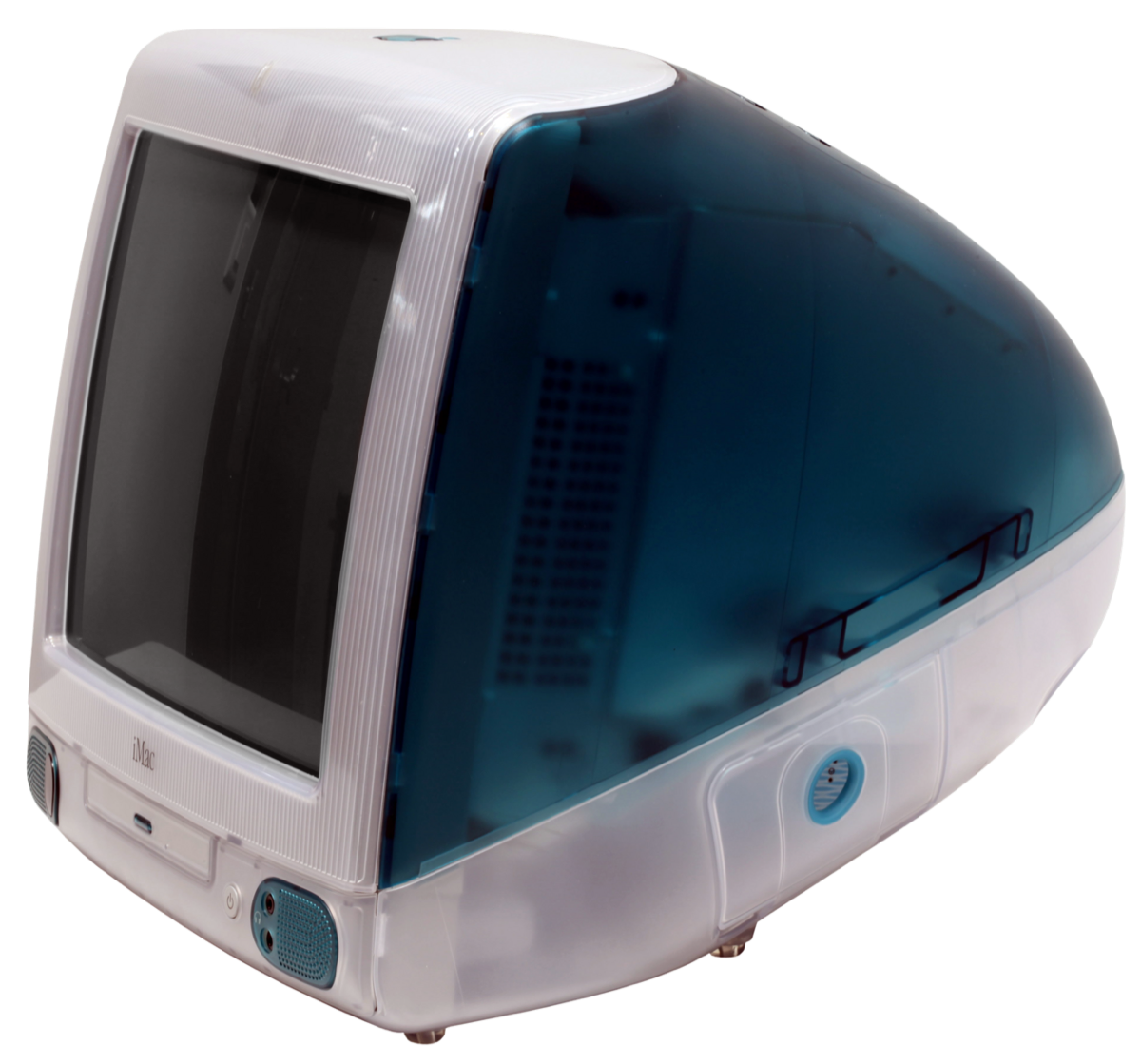
The weekly pilgrimage down the hall to the room full of beige Apple computers, where you'd slot in a floppy disk, wait, and take turns dying of dysentery on the Oregon Trail. "Computer Day" was equal parts educational software and the first place a lot of kids ever touched a keyboard.

Mavis Beacon Teaches Typing
The serene woman on the box taught a whole generation home-row discipline in school computer labs, one timed words-per-minute drill at a time. The twist nobody suspected: Mavis Beacon isn't a real person, and never was.