
3D Pinball: Space Cadet
The space-themed pinball table hidden in the Windows Games folder that ate untold hours in the computer lab. Rack up ranks from Cadet to Fleet Admiral, one launched ball at a time.
16 items
The space-themed pinball table hidden in the Windows Games folder that ate untold hours in the computer lab. Rack up ranks from Cadet to Fleet Admiral, one launched ball at a time.
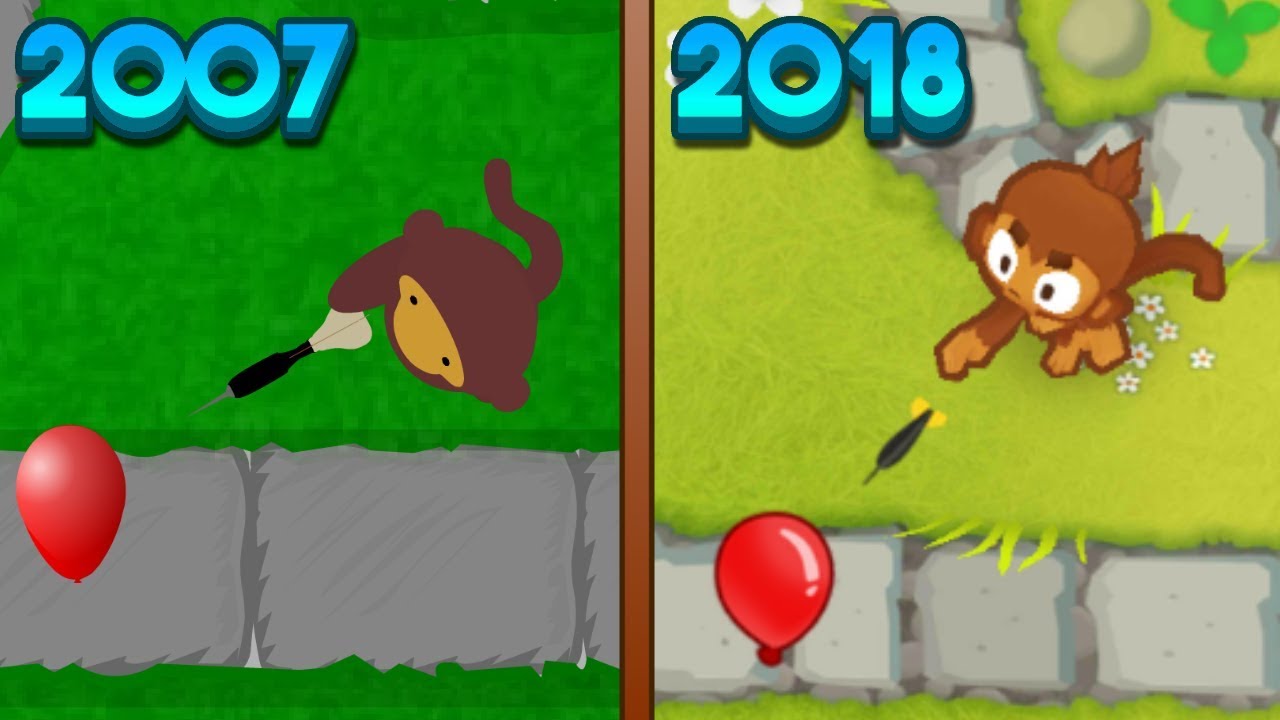
Monkeys throw darts at balloons. That's it — and it was enough to devour a billion study halls. Bloons Tower Defense loaded in any browser, ran fine on a school computer, and turned "one more round" into the defining lie of 2000s homework time.
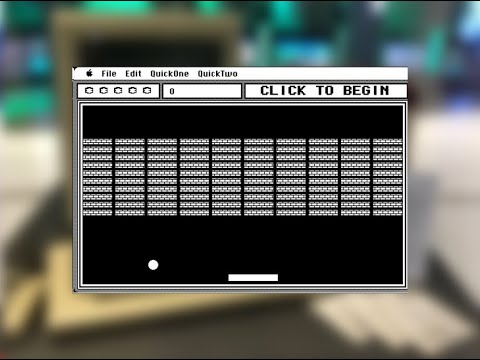
Black bricks, a white ball, a paddle, and the entire free period gone. Brickles was the brick-breaker that lived on the school Macs — a one-man shareware game from 1985 that somehow ended up defining computer-lab downtime a decade later. It is still on sale today.

The educational-games website that teachers actually let you play during computer lab and indoor recess. Funbrain was the golden ticket: games disguised as learning, enough fun to feel like cheating the system, legitimate enough that authority figures signed off.
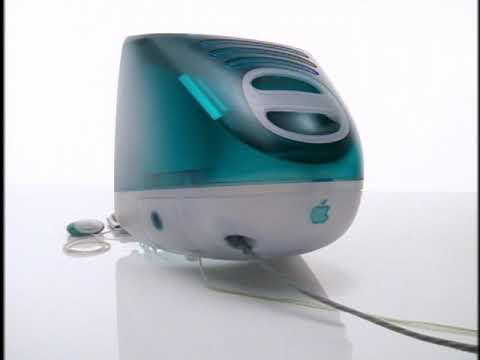
Jony Ive's teardrop iMac: translucent Bondi Blue plastic, USB ports, and no floppy drive — a total break from beige-box monotony. By 1999 it had exploded into five candy colors, and school computer labs filled with rows of the gumdrops. A computer that looked like it came from the future, parked in your classroom.

The serene woman on the box taught a whole generation home-row discipline in school computer labs, one timed words-per-minute drill at a time. The twist nobody suspected: Mavis Beacon isn't a real person, and never was.

The grid of gray squares you clicked to uncover numbers — and the flags you planted over the mines you hoped weren't there. Bundled with Windows for years, it was equal parts logic puzzle and nerve test.

The browser-games portal you loaded the second the teacher turned around — a wall of free Flash games for every spare ten minutes, from stick-figure violence to pool. If one game got blocked at school, Miniclip was where you found ten more.

The browser game that ate every school computer lab: you made a round-headed avatar and traveled island to island, solving story quests and puzzles. It was created by Jeff Kinney, who was just becoming famous as the author of Diary of a Wimpy Kid.
![Video thumbnail — Gorillas (a.k.a. QBasic Gorillas or GORILLAS.BAS) (Microsoft) (MS-DOS) [1991] [PC Longplay]](https://i.ytimg.com/vi/lyBD0X81tjk/maxresdefault.jpg)
Two gorillas on a city skyline, hurling explosive bananas at each other. You typed an angle, a velocity, and prayed you'd read the wind right. It came free with MS-DOS — hidden in plain sight on millions of PCs — and it turned a programming demo into a playground legend.

You picked a mode, pointed your pixel skier downhill, and raced a Windows 3.0 mountain — until the moment at 2,000 meters when something terrible crested the hill behind you. The Abominable Snow Monster of SkiFree ate a generation of office workers, and most of them never learned about the F key.

Launch goofy grimacing faces up the board, match three, and watch the ceiling ratchet down — while your AIM away message covered for you. Snood was the shareware puzzler installed on every dorm and computer-lab machine at the turn of the millennium, and it was written by a geology professor as a gift for his wife.

The backyard treehouse where two opossum buddies invited you to click everything just to see what it did. Brøderbund's 1991 edutainment hit dressed up music-making, mazes, and a money game in cozy backyard charm — and yes, they were opossums, no matter what your memory insists.

The Klondike card game that shipped with virtually every Windows PC — and quietly taught a generation how to use a mouse. The real reward was winning: the whole deck cascading off the stacks and bouncing across the screen.

Thirty preset styles, one rainbow gradient, and a generation of book reports that opened with their titles bent into impossible arches. WordArt was Microsoft's gift to the school computer lab — where personality went to become garish, and unstoppable.
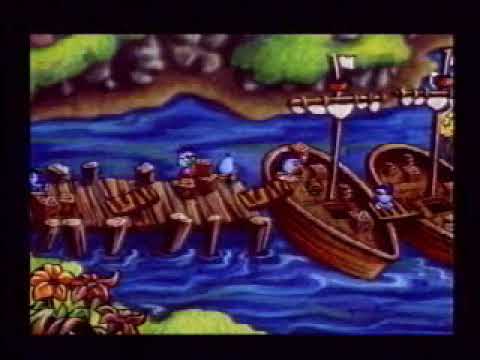
Guide troops of little blue creatures across a series of logic puzzles, choosing each one's hair, eyes, nose, and feet to sneak them past the obstacles. You were secretly learning to think — and it was a computer-lab favorite.