BrainPOP

Tim reads a letter, Moby beeps, and a few animated minutes later the whole class is shouting answers at the quiz. BrainPOP was the website teachers — and especially substitute teachers — put on the projector for any subject under the sun, hosted by a teenager in a topic-appropriate T-shirt and an orange robot who speaks entirely in beeps.
BrainPOP was founded in 1999 by Avraham Kadar, an immunologist and pediatrician who wanted to explain medical concepts to his young patients and decided animation was the way to do it. His co-founder, Chanan Kadmon, left in 2003; Kadar led the company until 2019. From its base in New York City the site grew well past medicine into short animated movies on science, social studies, English, math, health, technology, and arts and music, each followed by a quiz. Schools paid for subscriptions, though some of it was always free, including a movie of the day.
The format never changed, which is why it is so easy to recall. Tim, a teenager, does all the talking, and the design on his shirt usually matches the topic. Moby, an orange robot, communicates only in beeps, the three lights on his chest flashing as he does, and Tim translates. Each movie opens with Tim reading a letter from a kid asking about the day's subject, and most end with Moby annoying Tim, or the other way around. In the classroom it came with its own rituals: the lights going off, the projector warming up, and a substitute teacher visibly relieved to press play.
It kept expanding. BrainPOP Jr., for kindergarten through third grade and hosted by Moby and a younger girl named Annie, launched on September 4, 2006; a version for English-language learners followed in 2009 and a games site, GameUp, in 2011, by which point the site was drawing more than 11 million unique visits a month. When COVID-19 closed schools, the company offered free access to affected families and schools, and traffic jumped. By 2022 the company said it had a presence in two-thirds of U.S. school districts — and that October, Kirkbi, the holding company that controls the Lego Group, bought it for $875 million. Not bad for a robot who has never said a word.
Similar items

Funbrain
The educational-games website that teachers actually let you play during computer lab and indoor recess. Funbrain was the golden ticket: games disguised as learning, enough fun to feel like cheating the system, legitimate enough that authority figures signed off.
Cool Math Games
The web filter loophole that became a school institution. Cool Math Games' "math" branding kept it off the blocked-site list while every other gaming site got nuked, making it the de facto arcade of every school computer lab in the mid-2000s.
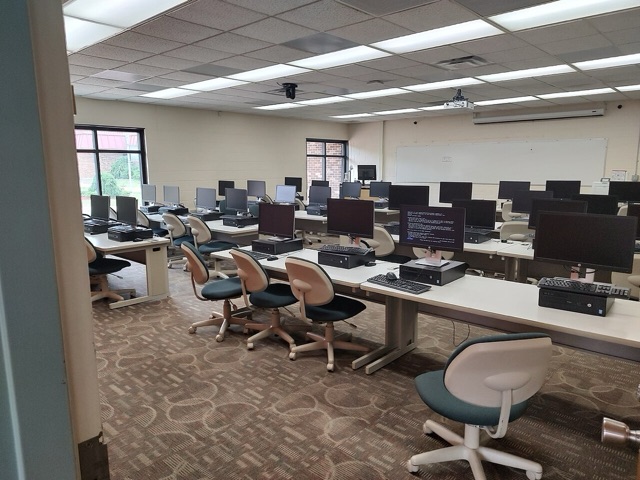
Computer Lab
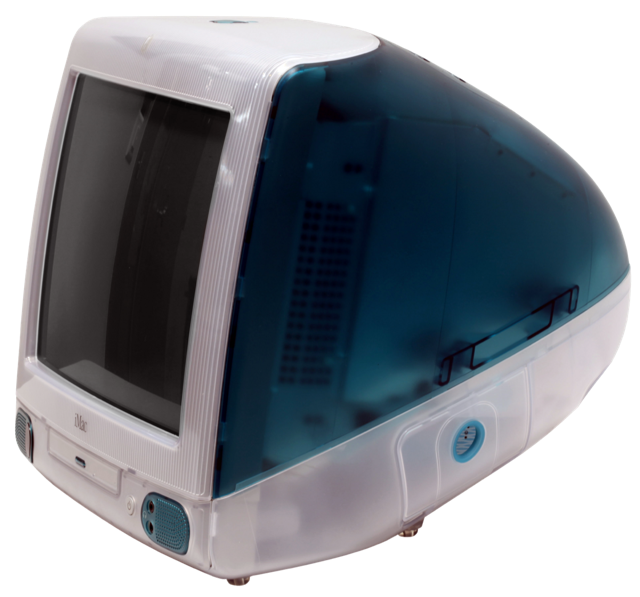
The weekly pilgrimage down the hall to the room full of beige Apple computers, where you'd slot in a floppy disk, wait, and take turns dying of dysentery on the Oregon Trail. "Computer Day" was equal parts educational software and the first place a lot of kids ever touched a keyboard.
Bill Nye the Science Guy
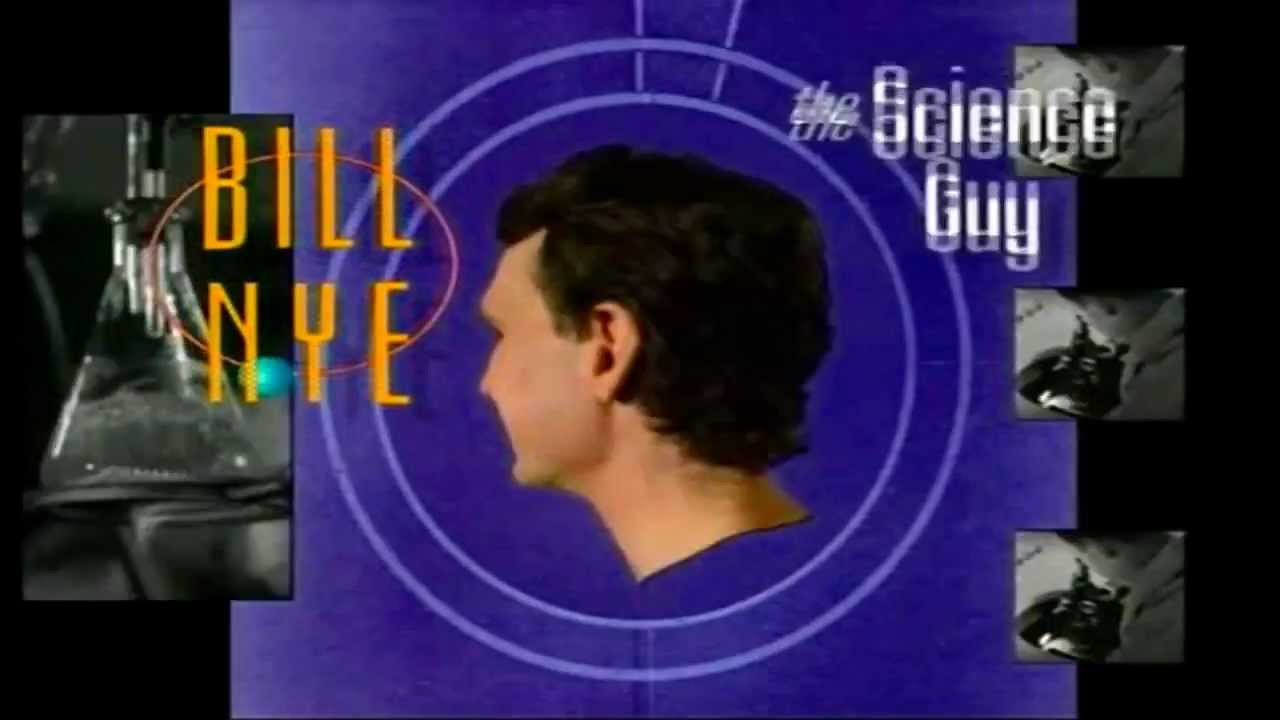
The beloved PBS/syndication science show that dominated classrooms throughout the '90s. Bill Nye, the bow-tie-wearing mechanical engineer-turned-science-communicator, made physics and chemistry accessible—and fun—with MTV-style energy, wild demonstrations, and an unforgettable theme song. Substitute teachers everywhere knew exactly what to do: wheel out the TV cart and press play. A cultural institution that made science cool before it was cool.