
3D Pinball: Space Cadet
The space-themed pinball table hidden in the Windows Games folder that ate untold hours in the computer lab. Rack up ranks from Cadet to Fleet Admiral, one launched ball at a time.
19 items
The space-themed pinball table hidden in the Windows Games folder that ate untold hours in the computer lab. Rack up ranks from Cadet to Fleet Admiral, one launched ball at a time.

This Xbox launch title did something radical: instead of following preset race tracks, you could pick any line down a whole mountain. The gimmick was fame—impress photographers and film crews, land sponsorships, and become a media sensation. Plus, the hard drive let you load your own music onto the console, a showstopper feature in 2001.
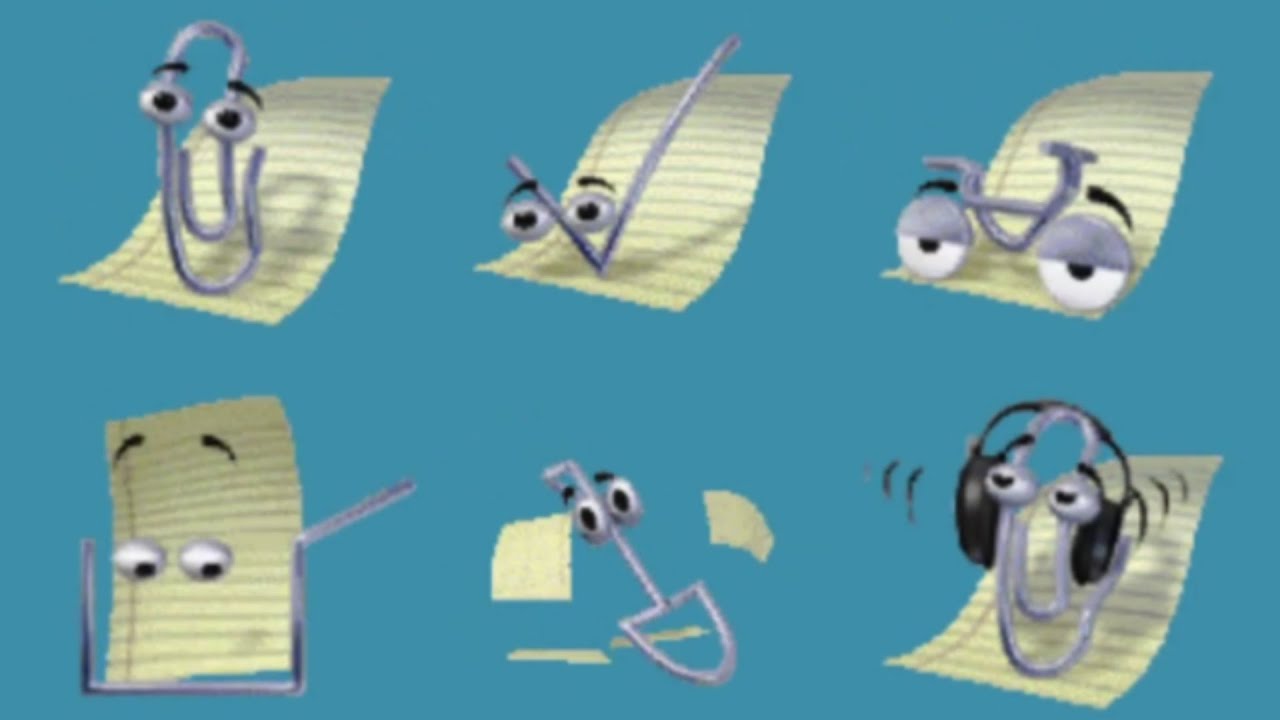
"It looks like you're writing a letter. Would you like help?" Clippy, Microsoft Office's animated paperclip assistant, was the most helpful thing nobody asked for — so universally mocked that Microsoft built an ad campaign around firing him, and so fondly remembered that he came back as an emoji.

The CD-ROM encyclopedia that killed the twenty-volume set on the shelf. Encarta turned book reports into a multimedia experience — clickable maps, audio clips of national anthems and animal sounds, video snippets — and hid the MindMaze trivia game inside for when you were supposed to be studying.

Email you could check from ANY browser, anywhere — revolutionary in 1996, when email lived inside your ISP's software. Your first email address was probably a Hotmail address with numbers in it. It still works. It just says outlook.com now.

Microsoft's answer to the iPod arrived in November 2006 — thicker, later, and available in brown. The Zune became tech's favorite punchline, but the punchline hid real ideas: wireless song-sharing, a subscription music pass years before streaming won, and a UI so good it became the design language of Windows Phone.

The grid of gray squares you clicked to uncover numbers — and the flags you planted over the mines you hoped weren't there. Bundled with Windows for years, it was equal parts logic puzzle and nerve test.
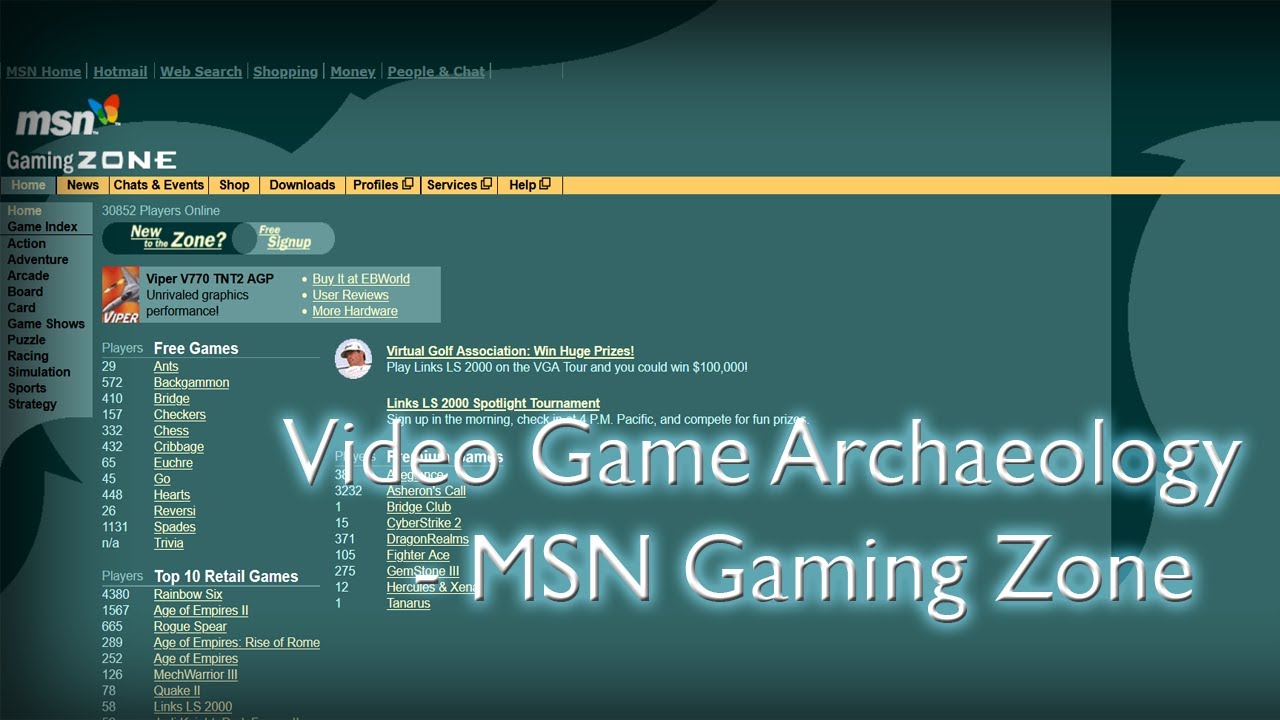
For a lot of people, the first place you ever played games against strangers over the internet — dial in, drop into a lobby, and play Hearts, Spades, or Age of Empires. Microsoft's online-gaming portal, and a quiet ancestor of Xbox Live.

Microsoft's first console was a giant black box that held a Pentium III and changed online gaming forever. Launched November 15, 2001, the Xbox arrived with the Duke controller (instantly mocked for its size), a built-in hard drive, and Ethernet port. Halo: Combat Evolved was the system seller, but Xbox Live (November 2002) was the revolution: console gaming went online with a headset in the box and broadband required.

You picked a mode, pointed your pixel skier downhill, and raced a Windows 3.0 mountain — until the moment at 2,000 meters when something terrible crested the hill behind you. The Abominable Snow Monster of SkiFree ate a generation of office workers, and most of them never learned about the F key.

The haunted house where every click was a gag. Gahan Wilson's The Ultimate Haunted House turned the New Yorker cartoonist's macabre humor into a 1994 CD-ROM maze of 13 rooms, 13 hidden keys, and monster-building against a clock striking 13 — less horror game, more interactive cartoon funhouse.

That star-wipe transition. Title cards in Comic Sans. Every school project, every vacation montage, and countless early YouTube videos were cut in the editor that came free with your computer. Windows Movie Maker didn't invent video editing — it just made it something any kid could actually do.

The Klondike card game that shipped with virtually every Windows PC — and quietly taught a generation how to use a mouse. The real reward was winning: the whole deck cascading off the stacks and bouncing across the screen.

The operating system that looked like the future and ran like a permission slip. Vista arrived in 2007 with translucent Aero glass — and an endless stream of "allow or deny?" prompts every time you tried to do anything. XP users refused to leave; Windows 7 users pretend it never happened.

The operating system with the rolling green hill wallpaper—Windows XP arrived in October 2001 with Luna's glossy blue taskbar, the green Start button, and the cheerful startup chime that defined a generation's relationship with computers. It was stable, beloved, and so enduring that users clung to it long after Microsoft stopped supporting it, making it the most iconic OS of the 2000s.

Thirty preset styles, one rainbow gradient, and a generation of book reports that opened with their titles bent into impossible arches. WordArt was Microsoft's gift to the school computer lab — where personality went to become garish, and unstoppable.

Microsoft's console that beat the PS3 to market by a year and defined HD-era online gaming. Unified Achievements, party chat, a matured Xbox Live — and the Red Ring of Death, the three flashing lights that taught a generation the meaning of hardware failure.

Microsoft's revolutionary bet on broadband gaming — the service that brought voice chat and Gamertags into living rooms and normalized trash-talking strangers over the internet. The $49.95 Starter Kit arrived in November 2002 with a wired headset, a year of subscription, and a radical demand: high-speed internet or stay offline. It worked — 150,000 kits sold in the first week.

Build the exhibits, hire the keepers, keep the guests happy — and then, inevitably, delete the lion fence just to see what happens. Zoo Tycoon was the zoo-management sim on every family PC and school computer lab in the early 2000s, and everyone who played it broke it on purpose at least once.