Windows Solitaire

The Klondike card game that shipped with virtually every Windows PC — and quietly taught a generation how to use a mouse. The real reward was winning: the whole deck cascading off the stacks and bouncing across the screen.
Wes Cherry programmed the game in the summer of 1988, and Microsoft bundled it with Windows 3.0 when the operating system arrived in May 1990. The reason it was there wasn't really fun — it was training. Microsoft wanted something to soothe people intimidated by the new graphical interface and give them a low-stakes way to practice mouse skills: pointing, clicking, and especially dragging and dropping cards from one pile to another. The card-deck artwork was drawn by Susan Kare, the designer who had earlier helped define the look of the Macintosh.
It worked far too well. Solitaire became one of the most-played computer games ever made and the universal way to kill an afternoon at a beige office PC. The payoff for finishing a game was the animation everyone remembers — the cards tumbling off each stack and bouncing across the screen, a little burst of celebration considered a prototype for the whole casual-game genre that followed.
In 2019 the game was inducted into the World Video Game Hall of Fame at The Strong museum, a rare honor for a program most people never paid a cent for. One detail lost to history: Cherry's original build hid a 'boss key' that swapped the game for a fake Excel spreadsheet, but Microsoft cut it before release.
Similar items

Minesweeper
The grid of gray squares you clicked to uncover numbers — and the flags you planted over the mines you hoped weren't there. Bundled with Windows for years, it was equal parts logic puzzle and nerve test.

3D Pinball: Space Cadet
The space-themed pinball table hidden in the Windows Games folder that ate untold hours in the computer lab. Rack up ranks from Cadet to Fleet Admiral, one launched ball at a time.
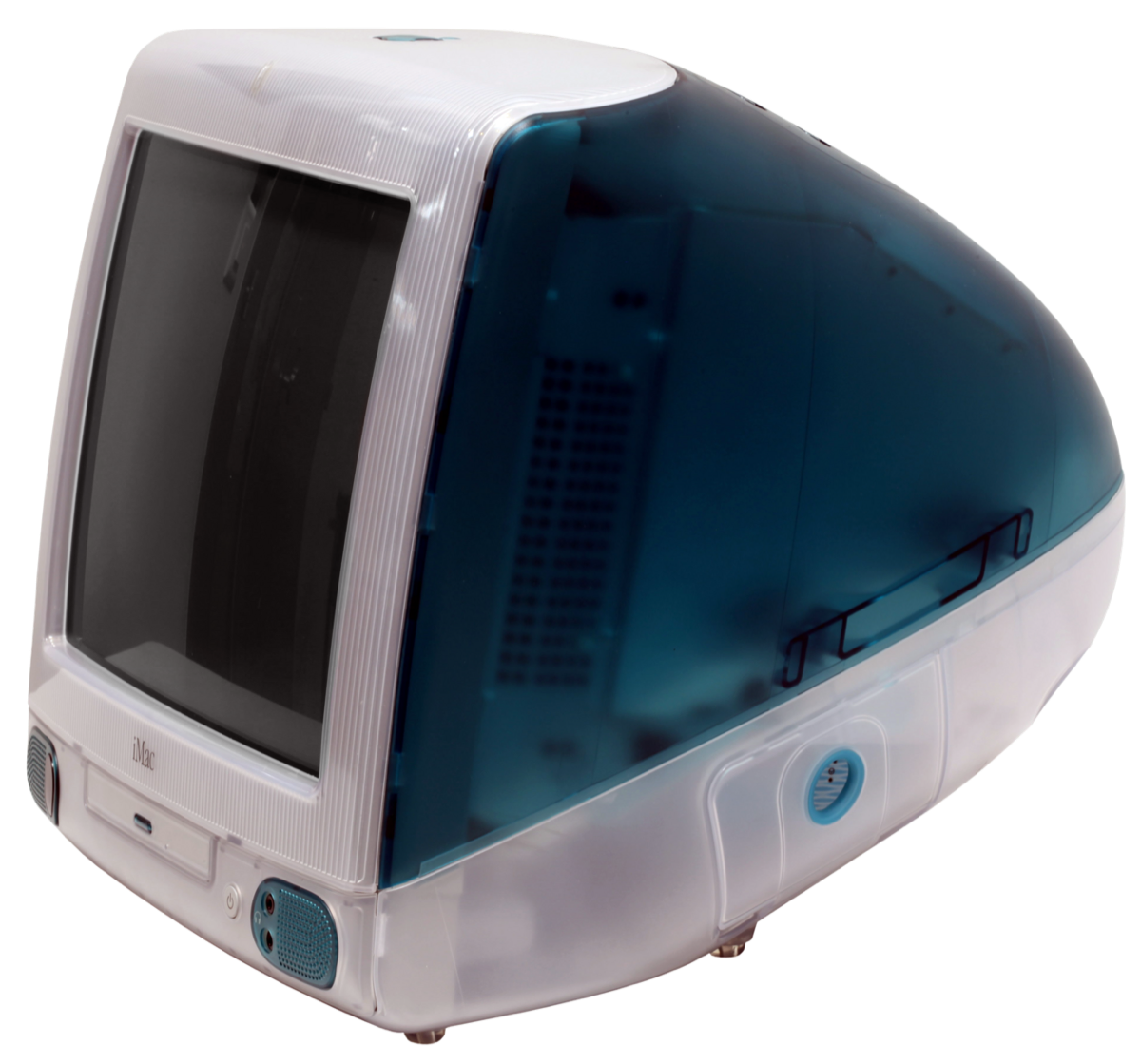
Computer Lab
The weekly pilgrimage down the hall to the room full of beige Apple computers, where you'd slot in a floppy disk, wait, and take turns dying of dysentery on the Oregon Trail. "Computer Day" was equal parts educational software and the first place a lot of kids ever touched a keyboard.
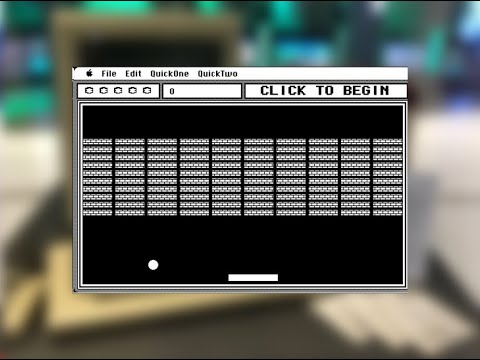
Brickles
Black bricks, a white ball, a paddle, and the entire free period gone. Brickles was the brick-breaker that lived on the school Macs — a one-man shareware game from 1985 that somehow ended up defining computer-lab downtime a decade later. It is still on sale today.