3D Pinball: Space Cadet

The space-themed pinball table hidden in the Windows Games folder that ate untold hours in the computer lab. Rack up ranks from Cadet to Fleet Admiral, one launched ball at a time.
The game was built by Cinematronics as part of a larger release called Full Tilt! Pinball in 1995, and Microsoft licensed one of its tables for Windows. That table — '3D Pinball for Windows – Space Cadet' — first arrived packaged with Microsoft Plus! 95 and was then folded into the standard install of Windows NT 4.0, Windows 2000, Windows Me, and Windows XP.
Its hook was a military-rank progression laid over the usual bumpers and ramps: hit the right targets and you climbed through nine ranks — Cadet, Ensign, Lieutenant, Captain, LT Commander, Commander, Commodore, Admiral, and finally Fleet Admiral. Because it sat quietly in the Games folder of machines everywhere, it became the pinball table a whole generation played without ever buying, especially on school and library computers.
Windows XP was the last version of Windows to ship with it, so it disappeared from later releases like Vista. The reason has been debated for years — Microsoft's own engineers pointed to a collision-detection bug that surfaced during the move to 64-bit code, though the full story stayed murky. Either way, its absence turned it into one of the most-missed pieces of built-in Windows software.
Similar items

Windows Solitaire
The Klondike card game that shipped with virtually every Windows PC — and quietly taught a generation how to use a mouse. The real reward was winning: the whole deck cascading off the stacks and bouncing across the screen.

Minesweeper
The grid of gray squares you clicked to uncover numbers — and the flags you planted over the mines you hoped weren't there. Bundled with Windows for years, it was equal parts logic puzzle and nerve test.
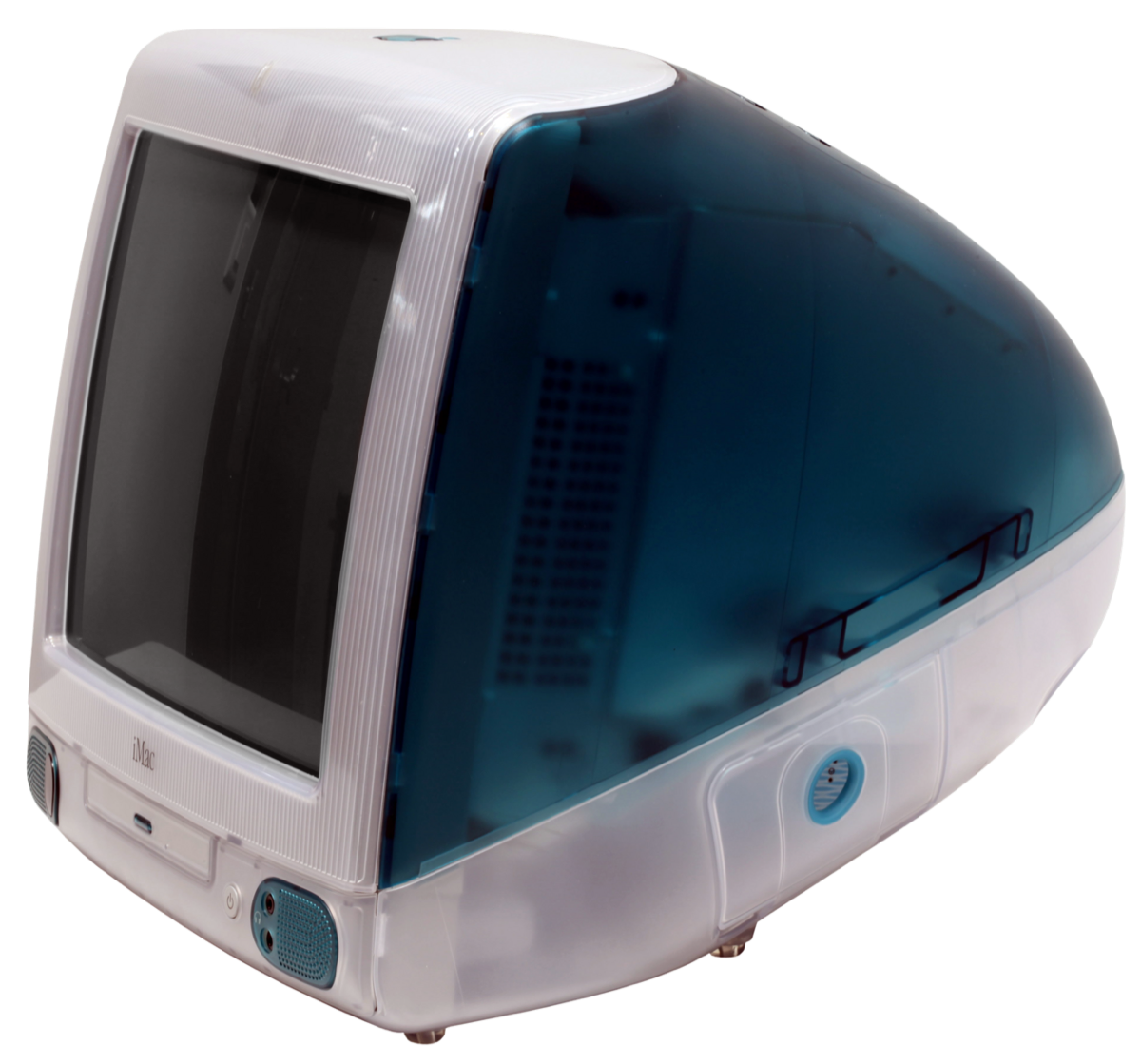
Computer Lab
The weekly pilgrimage down the hall to the room full of beige Apple computers, where you'd slot in a floppy disk, wait, and take turns dying of dysentery on the Oregon Trail. "Computer Day" was equal parts educational software and the first place a lot of kids ever touched a keyboard.

SkiFree
You picked a mode, pointed your pixel skier downhill, and raced a Windows 3.0 mountain — until the moment at 2,000 meters when something terrible crested the hill behind you. The Abominable Snow Monster of SkiFree ate a generation of office workers, and most of them never learned about the F key.