Tamagotchi

The egg-shaped digital pet that lived on a keychain and died if you ignored it during math class. Bandai's Tamagotchi demanded constant feeding, cleaning, and attention, sparking a global craze — and a wave of school bans.
Created by Bandai's Aki Maita and WiZ's Akihiro Yokoi, the Tamagotchi launched in Japan in November 1996 and hit the United States in mid-1997, selling tens of millions of units within two years. The premise was simple and brutal: a pixelated alien pet hatches, and you keep it alive with button presses — feed it, play with it, clean up after it — or watch it die.
The toy's neediness was the point and the problem. Kids smuggled them into classrooms, teachers confiscated them by the drawerful, and 'Tamagotchi effect' entered the vocabulary of psychologists studying emotional attachment to machines. The line never fully disappeared and modern re-releases still sell, trading on exactly this nostalgia.
Keep talking about it (Reddit)
Similar items

Nintendo 64
Nintendo's leap into three dimensions, the N64 brought 3D polygon gaming into living rooms with its quirky three-pronged controller and a cartridge library anchored by Super Mario 64 and The Legend of Zelda: Ocarina of Time. Its rumble pak added tactile feedback, while its four controller ports made it the console of couch multiplayer legends.

Furby
A furry owl-hamster gremlin that spoke gibberish and slowly "learned" English, making it feel genuinely alive. Tiger Electronics' Furby became the holiday craze of 1998—resale prices hit $100, and the NSA banned it from its offices out of sheer paranoia.
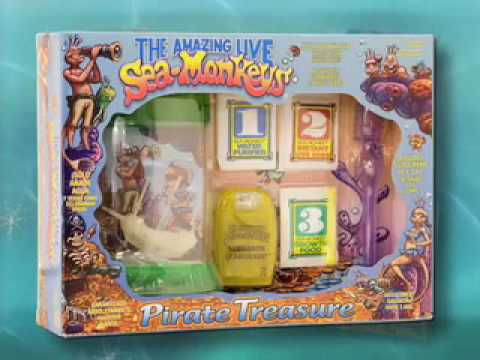
Sea-Monkeys
The comic-book ad promised a smiling pink family of underwater people in a castle. What arrived in the mail was three foil packets and, eventually, a cloud of barely visible brine shrimp. Sea-Monkeys were the great bait-and-switch of childhood — and somehow everyone forgave them, generation after generation.

Nintendogs
You pet the puppy with the stylus, you called its name into the microphone, and it learned to sit — Nintendogs made grown adults coo at a plastic clamshell on the bus. The virtual puppy that sold the Nintendo DS to everyone's mom ended up one of the best-selling games ever made.