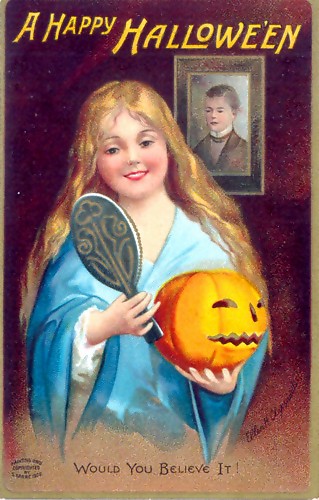
Bloody Mary (Mirror Game)
Lights off, bathroom door closed, face the mirror, and say her name three times — if you dare. Nobody ever made it through the third "Bloody Mary" without screaming, and that was the whole point.
9 items
Lights off, bathroom door closed, face the mirror, and say her name three times — if you dare. Nobody ever made it through the third "Bloody Mary" without screaming, and that was the whole point.

The wall of little wooden drawers that stood between you and every book in the library. Author, title, or subject — you thumbed the worn 3×5 cards, copied a call number onto scrap paper with a golf pencil, and set off into the stacks like you'd been handed a treasure map.
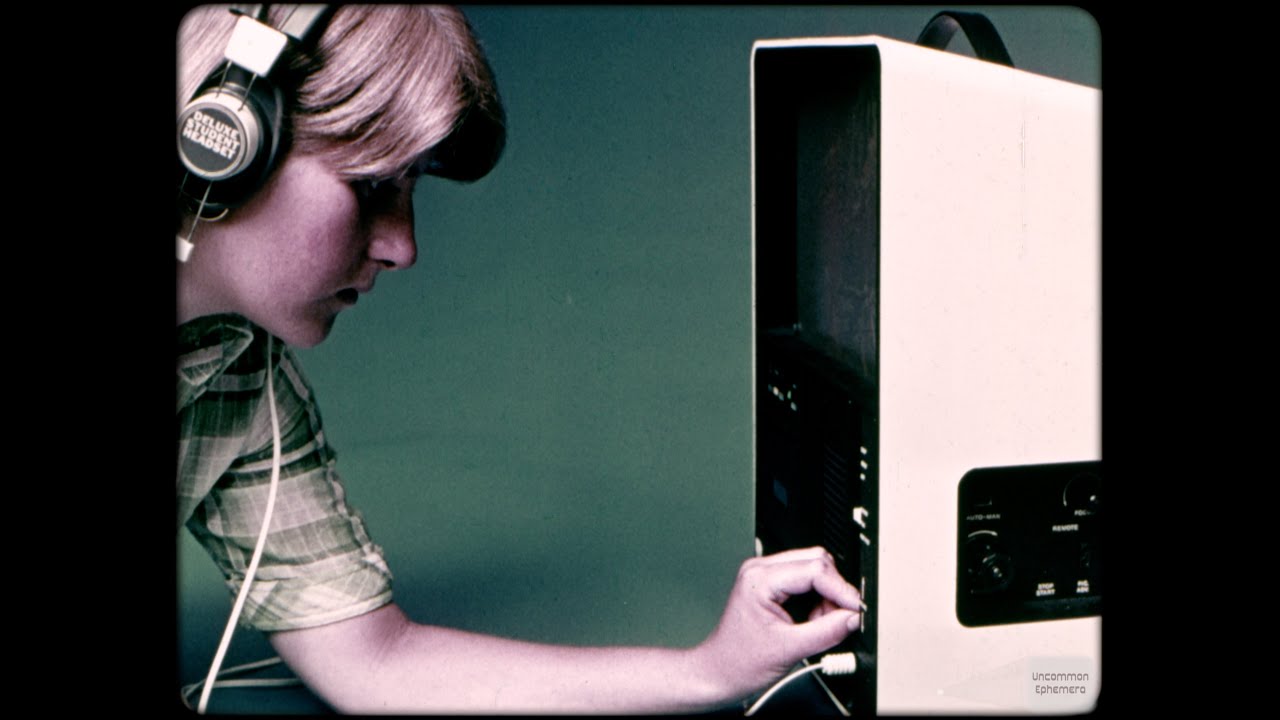
Lights off, projector humming, and a strip of little 35mm frames clicking by one BEEP at a time. Whoever got picked to turn the knob held real power — advance too early and the whole class knew, wait too long and the narrator's beep shamed you from the cassette deck.

The sleepover séance: one friend lies flat, everyone else kneels around with two fingers underneath, the chant starts — and somehow, impossibly, up they go. Every 90s kid swears it actually worked once, at someone's house, they were there.

Fingers on the planchette, lights off, and the solemn oath that nobody is pushing it. The Ouija board lived in the same closet as Monopoly but carried a whole different charge — every 90s sleepover had one kid who swore it moved on its own and another who slept with the lights on afterward.
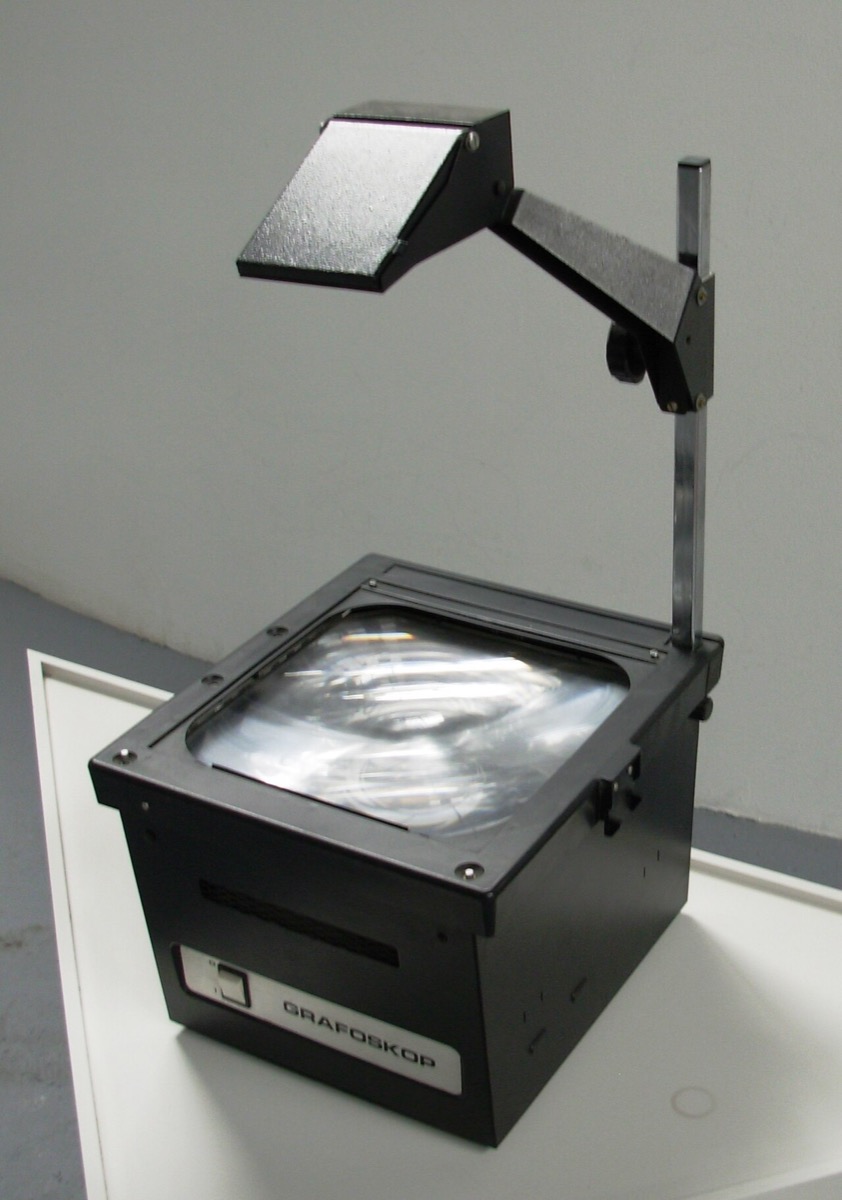
A humming box with a giant mirror arm that threw your teacher's handwriting onto the wall — and, if you were lucky, you were the kid chosen to lay down the next transparency. Overhead projectors ran classrooms for half a century before fading quietly in the 2000s.
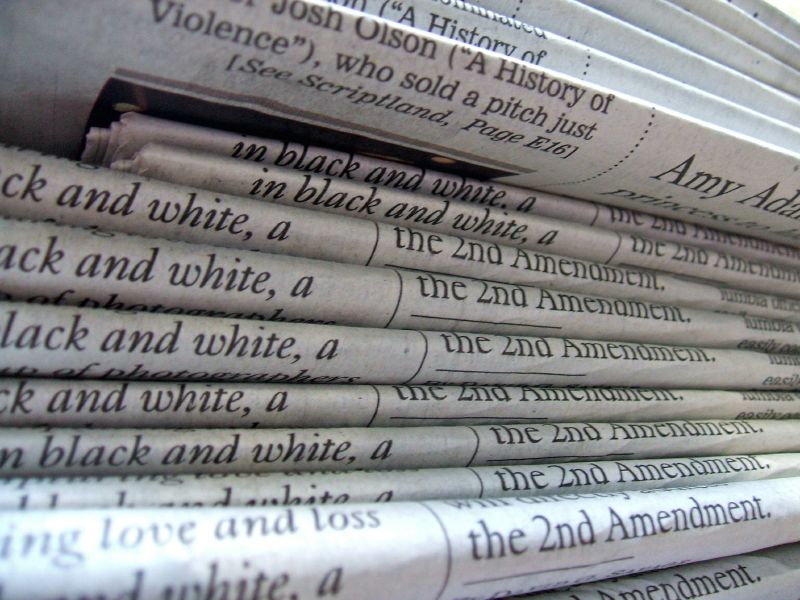
The morning ritual when the paper landed on the doorstep and the whole household converged on it: TV listings, box scores, classifieds, comics, and coupons. The 90s were the last decade the world ran on yesterday's paper.
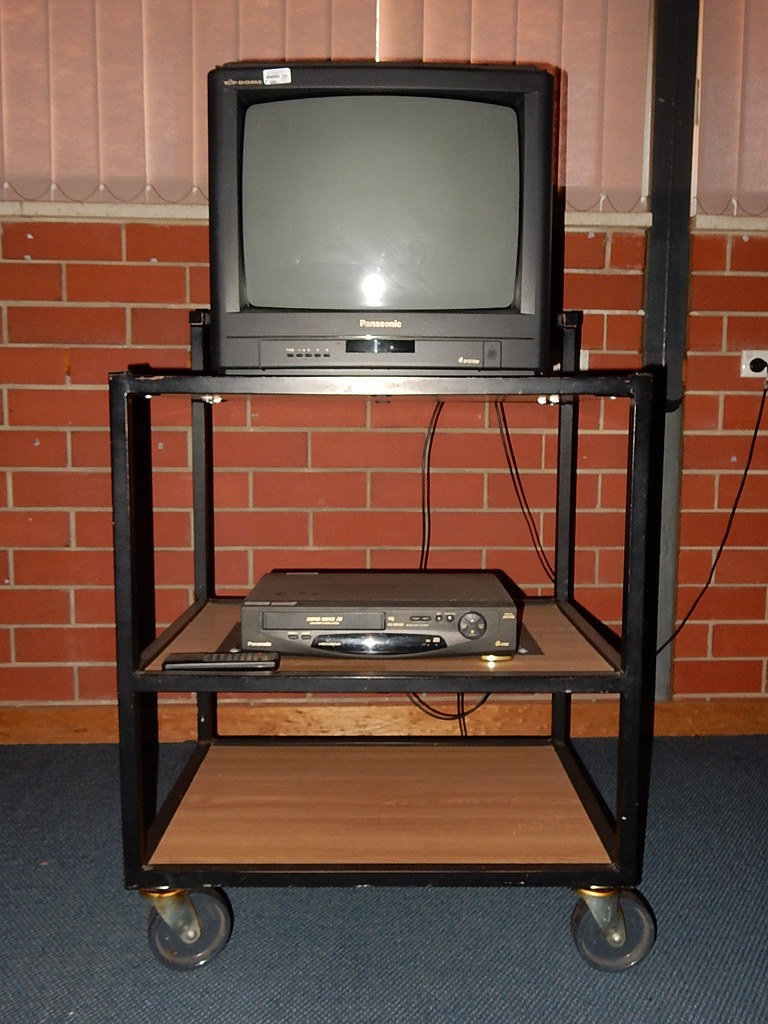
The squeak of wheels in the hallway, the tall metal cart nosing through the classroom door, the TV strapped on top with the VCR on the shelf below — and thirty kids realizing at the same instant that today was not a real school day. No object ever delivered better news than the TV cart.

Every 2000s student heard the teacher's solemn warning: Wikipedia is not a legitimate source. Every 2000s student had already used it, and would use it again that night. The workaround became a generational skill.