Card Catalogs

The wall of little wooden drawers that stood between you and every book in the library. Author, title, or subject — you thumbed the worn 3×5 cards, copied a call number onto scrap paper with a golf pencil, and set off into the stacks like you'd been handed a treasure map.
For more than a century, the card catalog was the search engine — the only one. Every book in the building lived on typed 3-by-5-inch index cards, filed at least three ways (author, title, subject) in long wooden drawers with brass pulls and a steel rod through the punched holes so no card could escape. The system's roots are old and improvised — early European catalogs even used the backs of playing cards — but it was industrialized in America in the late 1800s, when Melvil Dewey, of Dewey Decimal fame, helped launch the Library Bureau, a company that standardized and sold the machine-cut cards, trays, and wooden cabinets libraries used for the next hundred years.
For a 90s school kid, the catalog was a rite of passage. Library class meant learning the sacred order of operations: pick your drawer, walk your fingers through the cards, decode the call number, write it down, and go hunt the shelf. The drawers themselves were sensory objects — the wood-and-old-paper smell, the satisfying roll of a long drawer sliding out, cards gone soft at the corners from decades of thumbs, the occasional penciled annotation from a librarian long retired.
The end came fast. Libraries had been converting records to computer databases since the MARC standards of the 1960s, and through the late 80s and 90s the terminals took over — the online catalog replaced the cabinets, and card after card went to the recycling bin, sometimes handed out as scrap paper. OCLC, a major supplier of printed catalog cards, produced its last one in October 2015, closing the era for good. The cabinets had the best retirement of any obsolete technology: emptied of cards, they became coveted furniture, holding craft supplies and junk drawers in homes that just liked remembering them.
Similar items
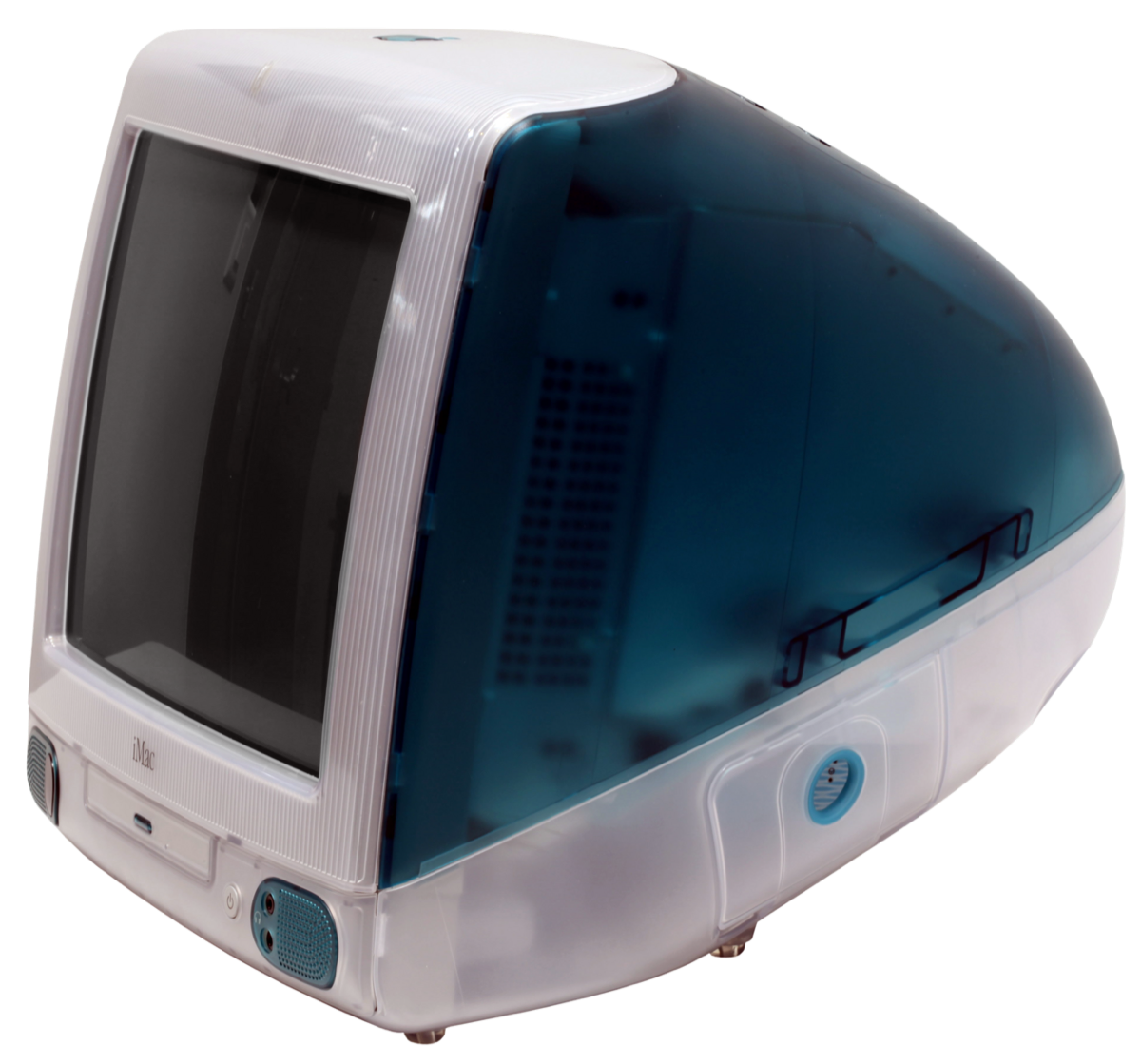
Computer Lab
The weekly pilgrimage down the hall to the room full of beige Apple computers, where you'd slot in a floppy disk, wait, and take turns dying of dysentery on the Oregon Trail. "Computer Day" was equal parts educational software and the first place a lot of kids ever touched a keyboard.

Scholastic Book Fairs
The ritual: your school gym transforms overnight into a pop-up bookstore of rolling display cases, and you wander the aisles with a wish list and a budget. Scholastic Book Fairs dominated the 90s market, though what kids actually bought — glittery gel pens, novelty pencils, poster books — often had nothing to do with the Goosebumps stacks they wandered past.

Accelerated Reader Points
Finish the book, march to the library computer, pass the quiz, collect the points. Accelerated Reader turned a generation's independent reading into a full-blown economy — with leaderboards, prize walls, and kids doing cold calculations about whether a fat book was worth the point risk.

The Oregon Trail
The computer-lab game that taught westward expansion through dysentery and desperation. Every 90s kid named their wagon party after friends, overhunted buffalo, gambled on river crossings, and died of unexpected causes while technically learning American history.