The 'You Can't Cite Wikipedia' Speech
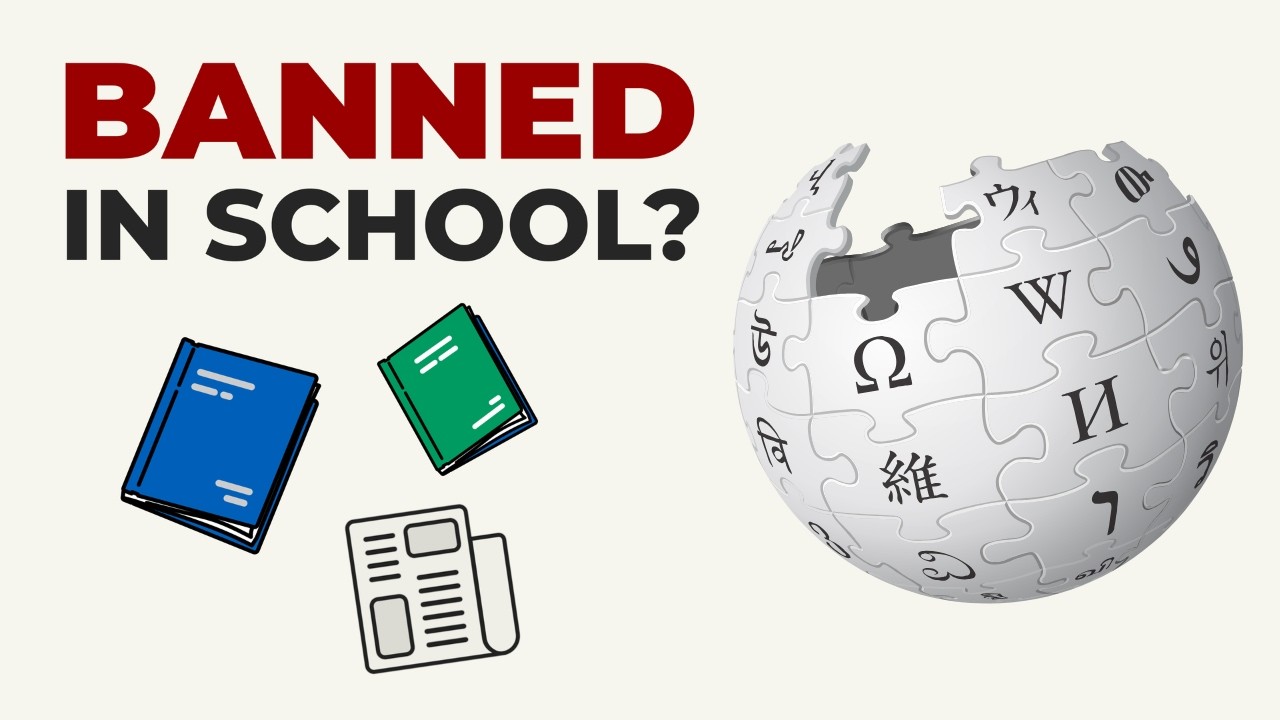
Every 2000s student heard the teacher's solemn warning: Wikipedia is not a legitimate source. Every 2000s student had already used it, and would use it again that night. The workaround became a generational skill.
Wikipedia launched in January 2001 and by mid-decade had replaced the CD-ROM encyclopedias of the 90s as the default first stop for every school report. Teachers pushed back. The most famous stand came in January 2007, when Middlebury College's history department formally barred students from citing Wikipedia. Professor Neil Waters had caught the same error, traced to Wikipedia, in six final papers for his History of Early Japan class. The ban made national news and put institutional words to what every middle school teacher was already saying.
Students adapted rather than obeyed: read the Wikipedia article, then cite the sources listed at the bottom of it. The speech is still given today, even as Wikipedia's reputation for accuracy has improved. Everyone still starts their homework in the same place.
Similar items

Microsoft Encarta
The CD-ROM encyclopedia that killed the twenty-volume set on the shelf. Encarta turned book reports into a multimedia experience — clickable maps, audio clips of national anthems and animal sounds, video snippets — and hid the MindMaze trivia game inside for when you were supposed to be studying.

Ask Jeeves
The search engine with a cartoon butler you asked full questions in plain English. Type "How tall is the Eiffel Tower?" and Jeeves would fetch the answer — a friendlier face on the early web.

SparkNotes
The night-before-the-essay lifeline. SparkNotes put free study guides for every book you didn't read online in 1999 — teachers dreaded it, everyone bookmarked it, and even Barnes & Noble dumped CliffsNotes from its shelves.

Card Catalogs
The wall of little wooden drawers that stood between you and every book in the library. Author, title, or subject — you thumbed the worn 3×5 cards, copied a call number onto scrap paper with a golf pencil, and set off into the stacks like you'd been handed a treasure map.