106 & Park
BET's live countdown couch — AJ and Free, a screaming studio audience, Freestyle Friday battles, and the top hip-hop and R&B videos of the day. For fourteen years, this was where rap premieres actually happened.
72 items
BET's live countdown couch — AJ and Free, a screaming studio audience, Freestyle Friday battles, and the top hip-hop and R&B videos of the day. For fourteen years, this was where rap premieres actually happened.
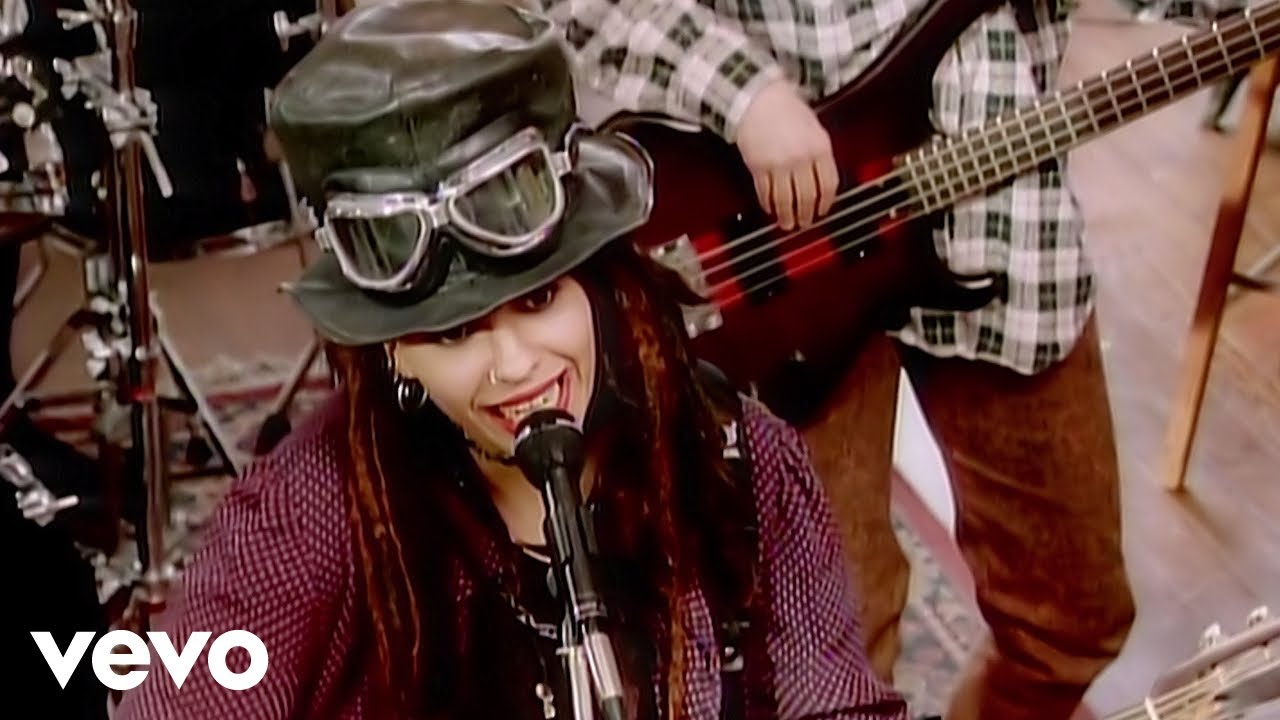
Linda Perry wailing "what's going on?" over a strummed anthem the whole planet sang along to in 1993 — titled "What's Up?" because Marvin Gaye had already claimed the obvious name. It hit number fourteen in the US, topped charts across Europe, and then got the strangest second life in pop history: as the internet's beloved He-Man meme.

The Detroit teenager who whispered where everyone else belted, and with Timbaland and Missy Elliott bent R&B toward the future. Aaliyah went from "Back & Forth" at 15 to "Try Again," the first song to top the Hot 100 on airplay alone, and died in a plane crash in August 2001 at 22, five weeks after her third album came out.

The Newnan, Georgia, traditionalist who kept country sounding like country while the rest of Nashville went pop. Alan Jackson water-skied through the "Chattahoochee" video in red cowboy boots, racked up 35 number ones, and once walked off the CMA stage mid-song to stand up for George Jones.
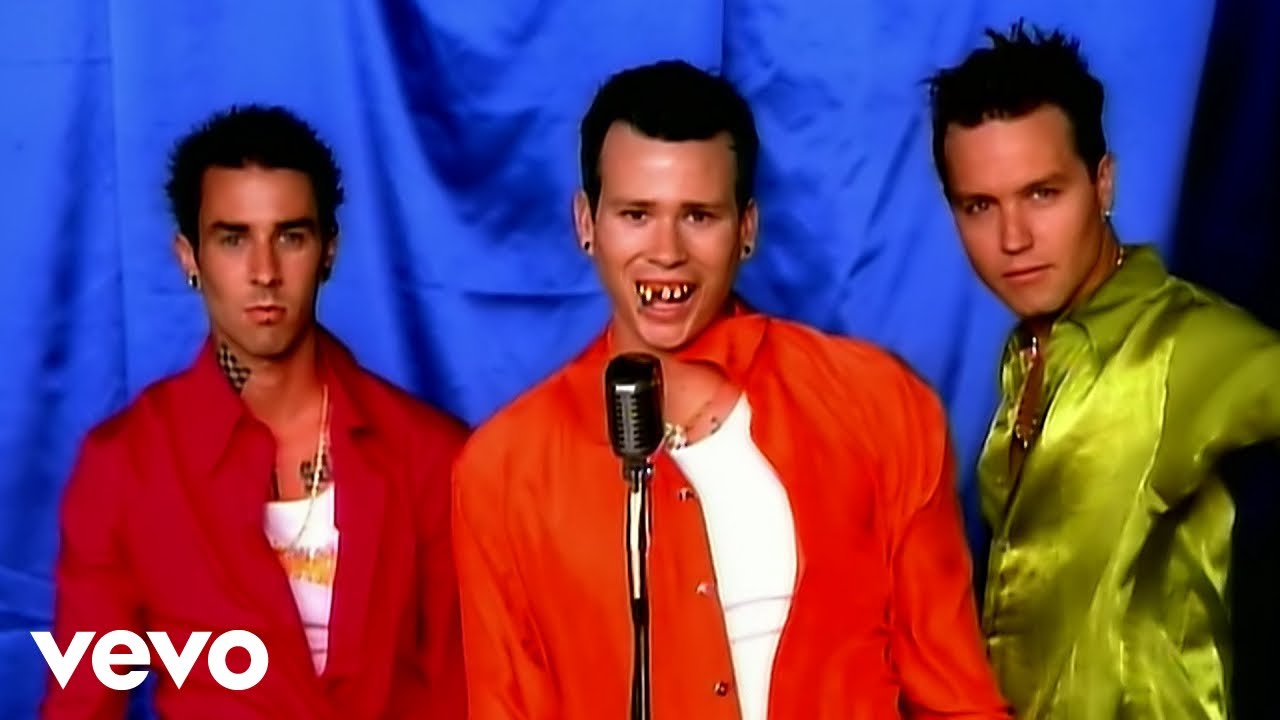
The perfect parody disguised as a perfect pop song. Blink-182 conquered TRL and the Billboard Hot 100 by mocking the very boy-band videos they shared the countdown with, with a "na-na-na-na" hook so contagious it rewired a million brains. Won Best Group Video at the 2000 MTV VMAs and became the guitar riff every beginner learned.

Three New York punks who made the first rap album to top the Billboard chart, then spent the 90s outrunning the frat-party joke. The Beastie Boys played their own instruments on Check Your Head, starred as fake 70s cops in the Spike Jonze video for "Sabotage," headlined Lollapalooza, and closed the decade with Hello Nasty and two Grammys.
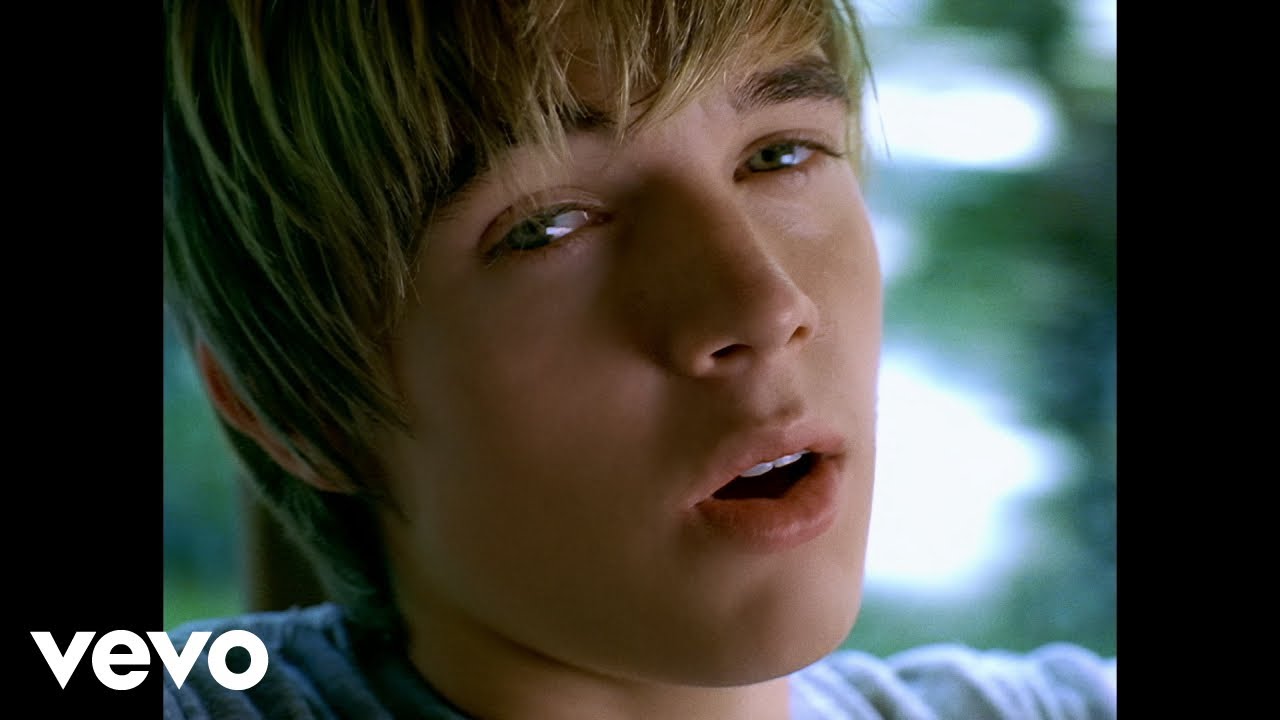
I don't want another pretty face. The blond swoop of hair, the earnest guitar-pop chorus, the song scrawled on a million middle-school binders — Jesse McCartney's debut single was the official crush anthem of 2005.
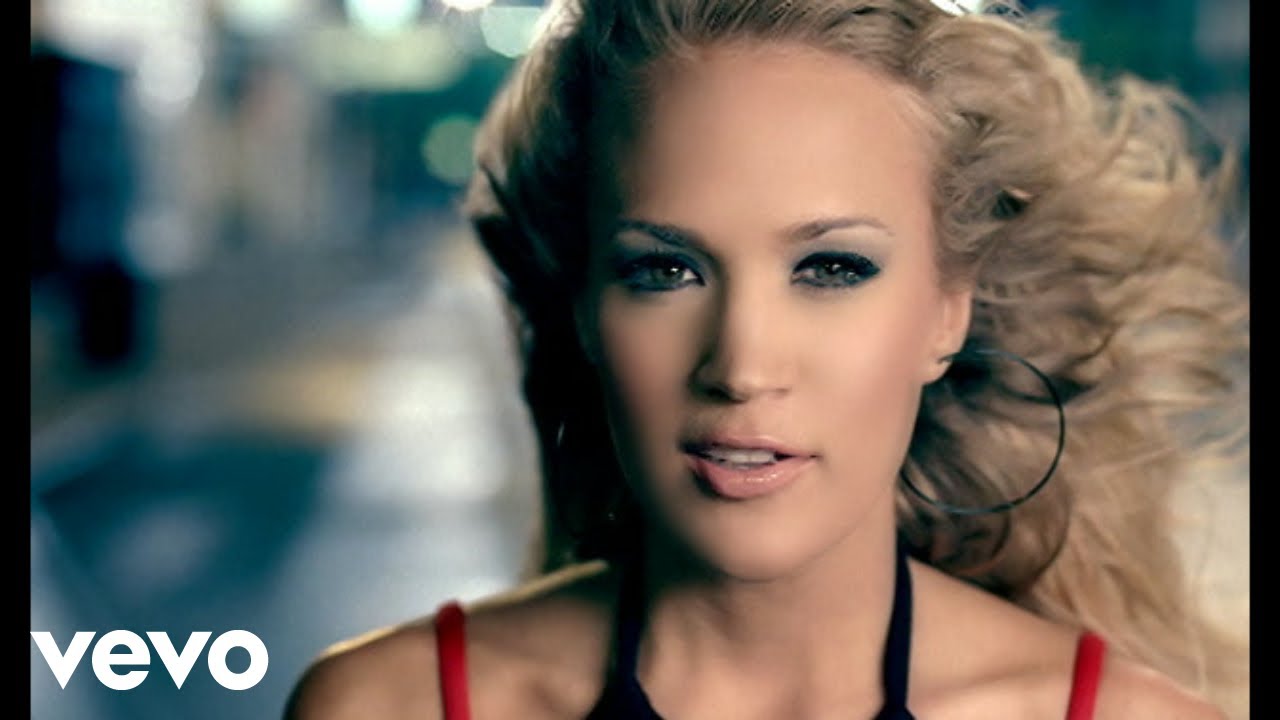
Key the truck, carve your name in the seats, take a Louisville Slugger to the headlights. Carrie Underwood's revenge anthem crossed over from country radio to everywhere in 2006–07, spent 64 straight weeks on the Hot 100, and became — for a time — the best-selling country song, period.
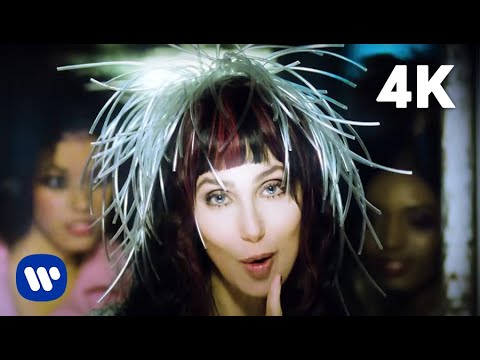
"Do you believe in life after love?" — though half the school bus could swear she was singing "life after life." Cher's 1998 comeback single was the Auto-Tune big bang: the first time most of the planet heard a human voice warble like a machine, and the moment a 52-year-old icon out-charted the entire pop landscape.

The 1997 single that dared radio to say its title, and radio mostly did. Meredith Brooks' one big hit sat at number two on the Hot 100 for four weeks, earned two Grammy nominations, and spent the year being compared to Alanis Morissette.

The swelling string loop, Richard Ashcroft shoulder-checking his way down a London pavement without breaking stride, and the most famous royalty heist of the decade — a smash hit whose writer earned a grand total of $1,000 from it for 22 years. (This is The Verve, from England — no relation to Michigan's The Verve Pipe.)

Pop-punk's sneakiest hit started as an SR-71 album track before Bowling for Soup rebuilt it into a double-Platinum sing-along about a suburban mom stuck in the era of "Springsteen, Madonna, way before Nirvana." The cruel joke wrote itself: the song about being nostalgic for the wrong decade is now the thing you're nostalgic for.

A couple with nothing left in common grasps for one shared thing and lands on the Audrey Hepburn movie — "we both kinda liked it." The kicker: Todd Pipes actually wrote it about a different Hepburn film entirely. Earnest, hook-driven, and the only thing the world remembers Deep Blue Something for.
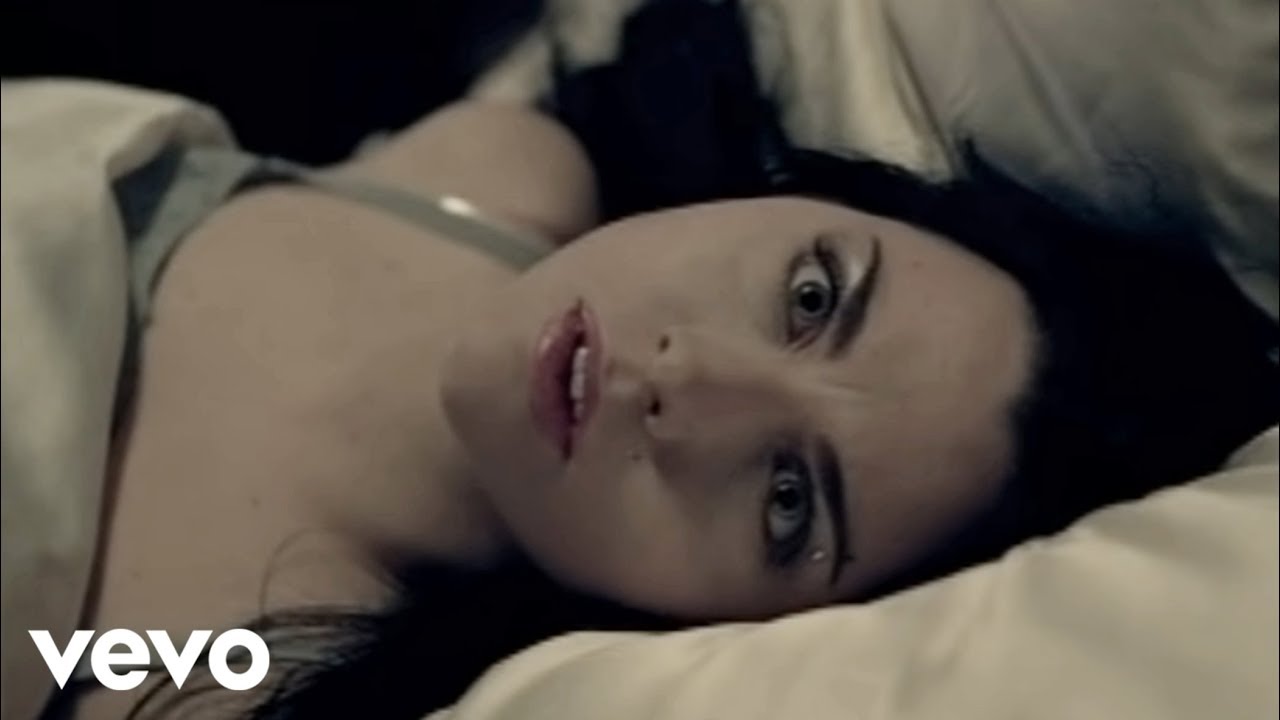
Amy Lee's voice pierces through a dark, orchestral surge; Paul McCoy's shout answers it back. That trade-off — her ethereal plea met by his aggressive roar — became the signature of Evanescence's breakthrough. The song exploded in 2003, hitting #5 in America, #1 in the UK for four weeks, and perfectly captured a moment when goth-tinged rock finally cracked mainstream radio.

The duo that put the boogie in every boot-scootin' bar of the '90s. Kix Brooks and Ronnie Dunn were paired by a record executive in 1988, sent their first four singles to number one, and turned "Boot Scootin' Boogie" into the song that dragged line dancing back onto America's dance floors.

The human cartoon of 90s rap—hip-hop's most watchable man, a blur of dreadlocks and rubbery limbs who moved like he was made of springs. Trevor Smith stole posse cuts for a living and built a solo career on being impossible to look away from.
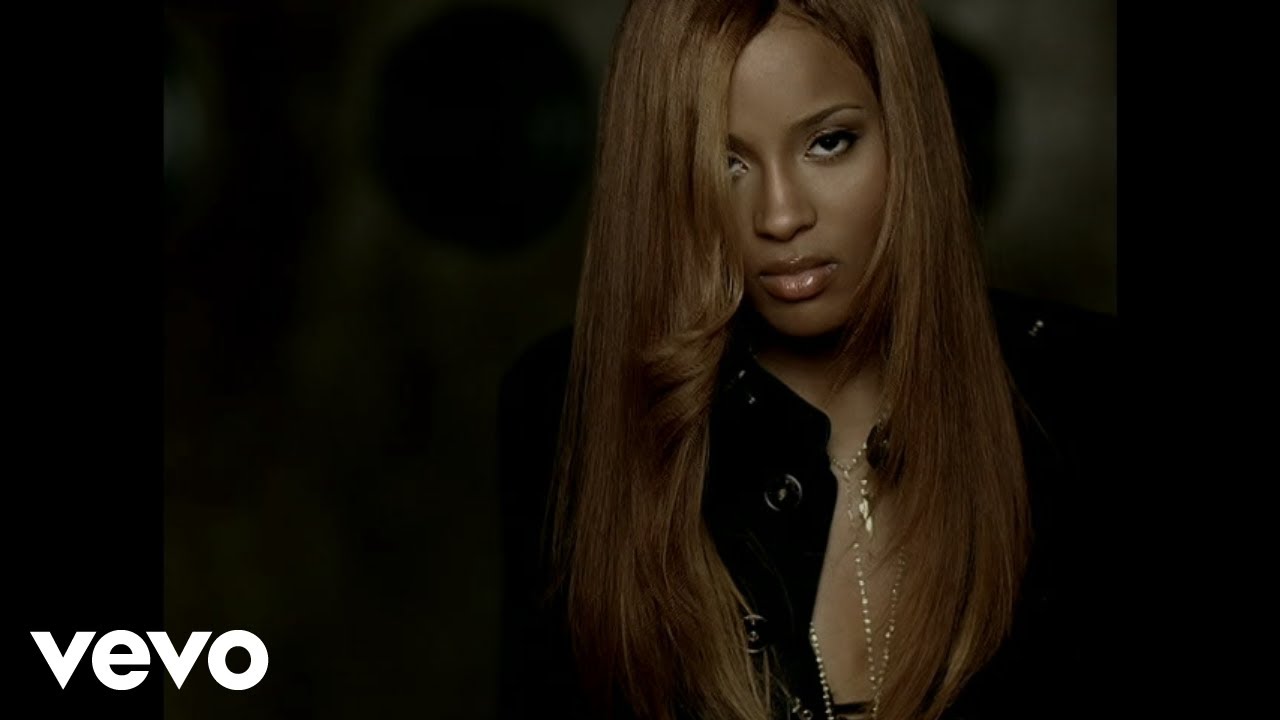
The First Lady of Crunk&B. Ciara arrived in 2004 with "Goodies" and a run of singles that owned school dances for half a decade — icy vocals over crunk beats, and choreography so sharp the music-video channels basically belonged to her.
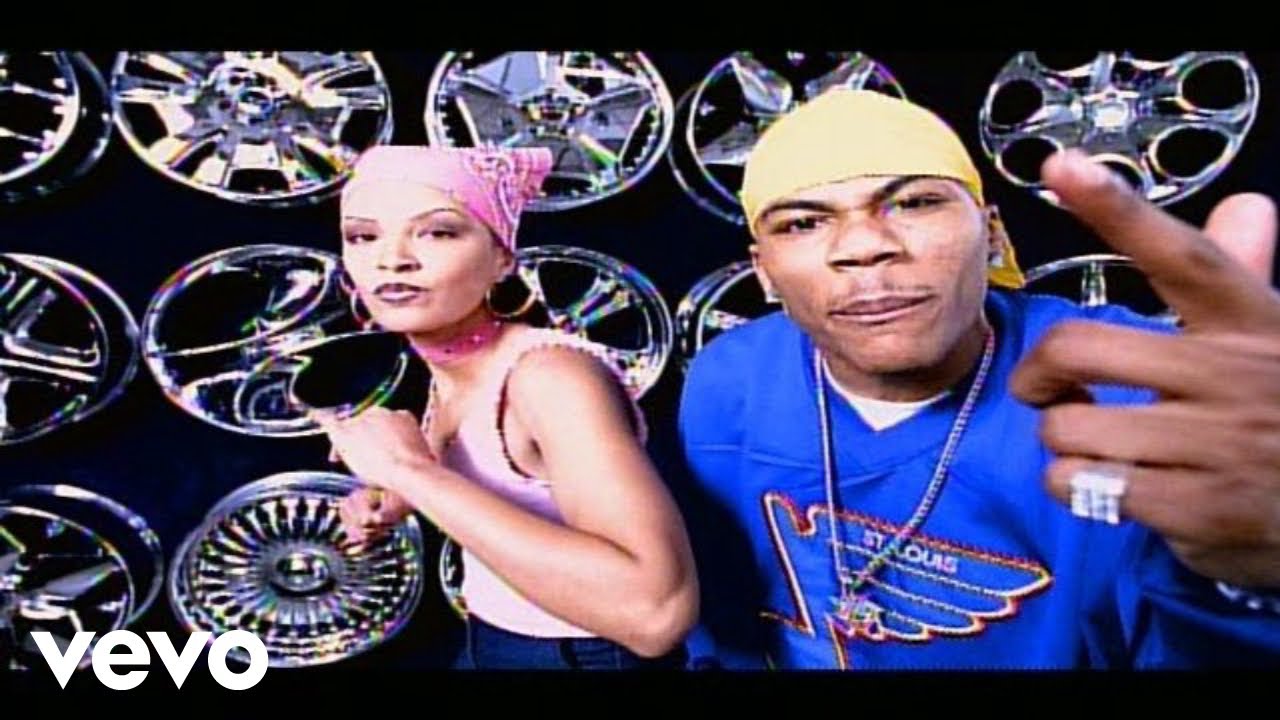
"I'm goin' down down baby, yo' street in a Range Rover..." — Nelly built his breakout single on the playground clap chant every kid already knew, and it carried St. Louis rap onto every radio in America in the summer of 2000.

The summer-of-1998 single that got onto the radio before its singer had a publicity photo: a Los Angeles station started playing it in May, it reached number three on the Hot 100 by September and number one in Australia, Canada and New Zealand, and it left Jennifer Paige known everywhere for one enormous hit.
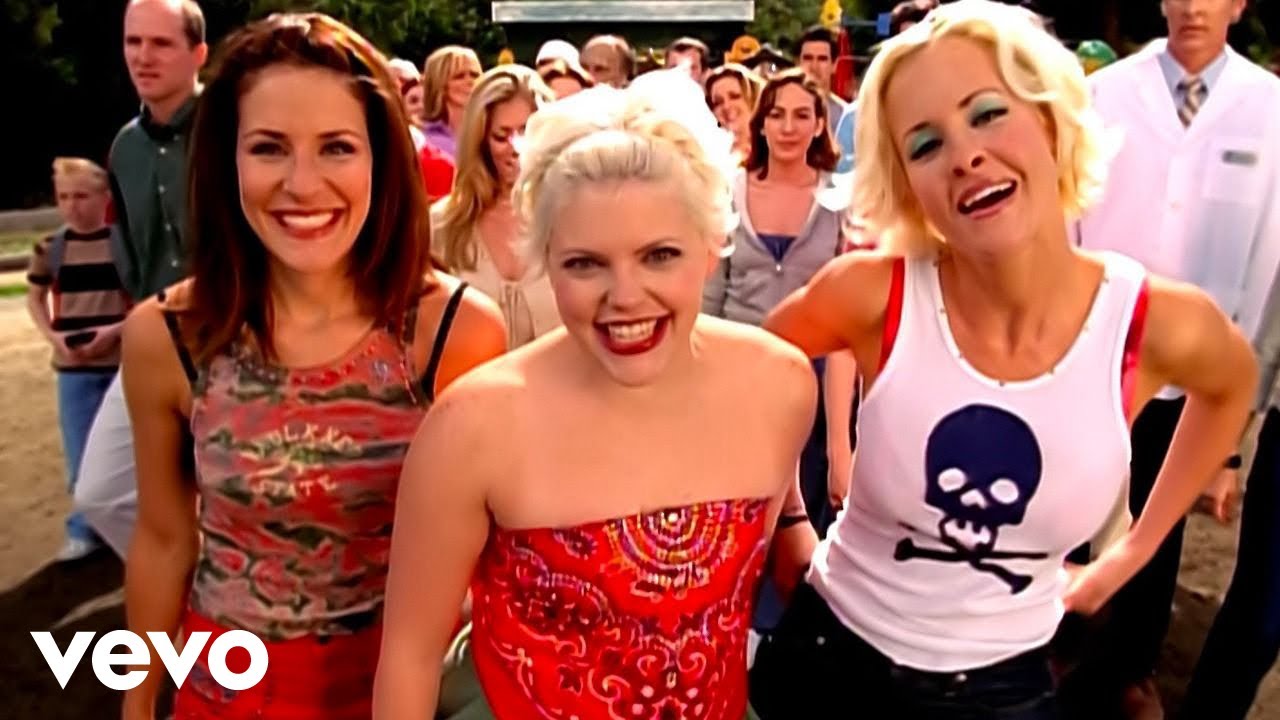
Three Texans with a fiddle, a banjo, and two diamond albums in two years. Wide Open Spaces and Fly made the Dixie Chicks the biggest group in country, "Goodbye Earl" made murder a sing-along, and then one sentence on a London stage in March 2003 got them pulled from country radio almost overnight.
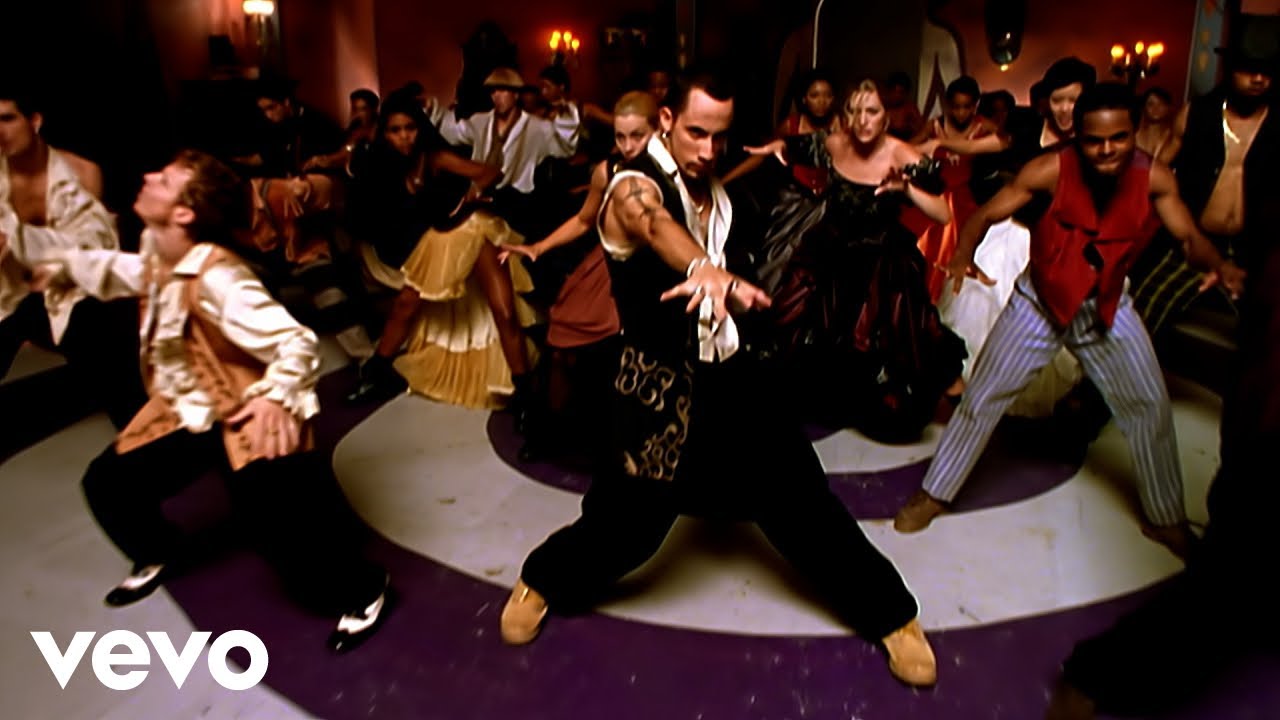
The song that announced the arrival with attitude—released July 1997, it became the MTV template for boy-band spectacle when director Joseph Kahn shot the legendary haunted-mansion video where each member transformed into a classic horror monster. The production cost a reported million dollars, the choreography was airtight, and the "Am I original? Yeah!" call-and-response became instantly quotable.

The voice that floated out of every car radio in 1998 riding a nectarine through a CGI garden. Faith Hill went from "Wild One" to "This Kiss" to "Breathe," the biggest single of 2000, and took country to the pop charts, the Super Bowl, and the CoverGirl counter, with Tim McGraw beside her from 1996 on.

The slow-burn Seattle ballad that hit number 18 on the Hot 100 in 1994, and a song Kevin Martin wrote for Andrew Wood of Mother Love Bone, dead of a heroin overdose in 1990, years before most of the country heard it.

The 18-year-old with the piano and the Mark Romanek video that scandalized MTV. Fiona Apple's Tidal sold nearly three million copies, "Criminal" won a Grammy, and her 1997 VMA acceptance speech, which opened with "This world is bullshit," outlived the award.

Three Madison, Wisconsin, producers, one Scottish singer, and the bad-mood pop that MTV could not stop playing. Garbage's "Only Happy When It Rains" and "Stupid Girl" made Shirley Manson the alt-rock frontwoman of 1996, Version 2.0 went to number one in Britain, and they even sang a Bond theme.
"May-ayy, do you wanna get married, or run away?" — the jangliest, sunniest radio monster of late 1998 was secretly a song about two scared teenagers facing a pregnancy. It topped four different airplay charts, and most people singing along never noticed what it was about.
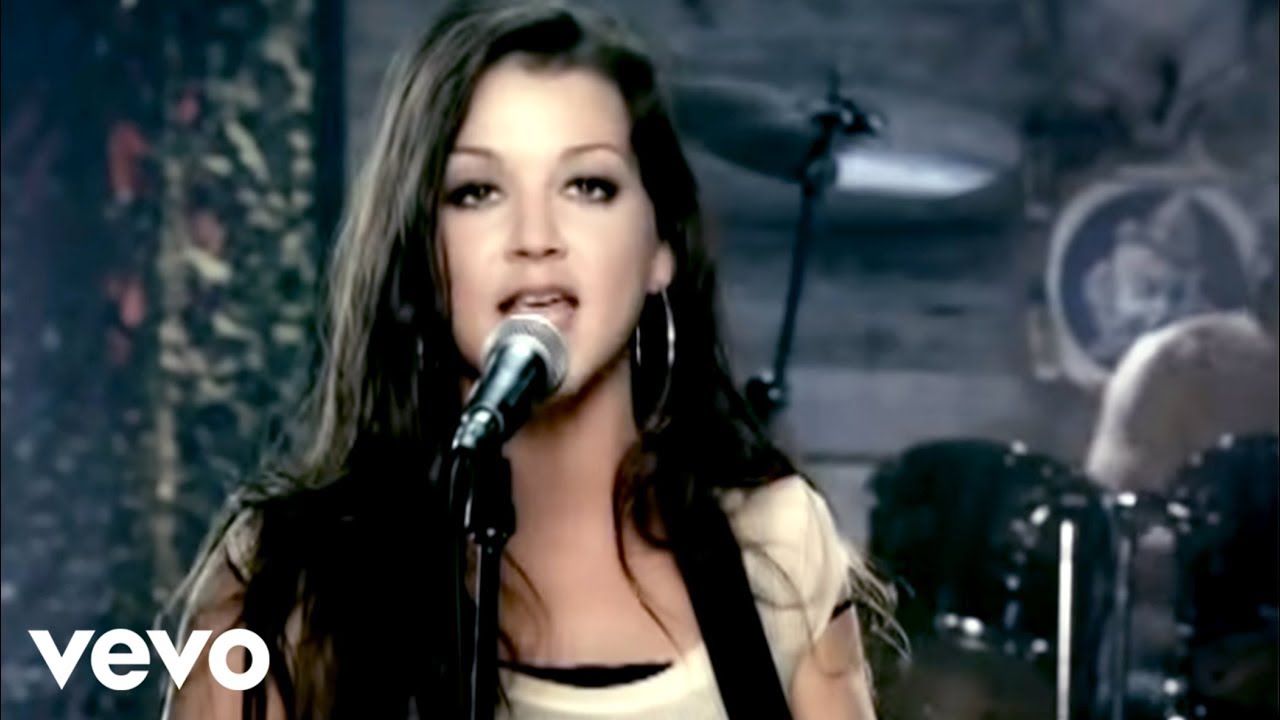
A bartender from Pocahontas, Illinois, who had spent nearly twenty years singing in other people's bars released "Redneck Woman" in March 2004 and had country radio's first female number one in two years within two months. Gretchen Wilson's debut sold five million copies, and the mud-splattered video made her the face of a louder, prouder kind of country for a couple of summers.
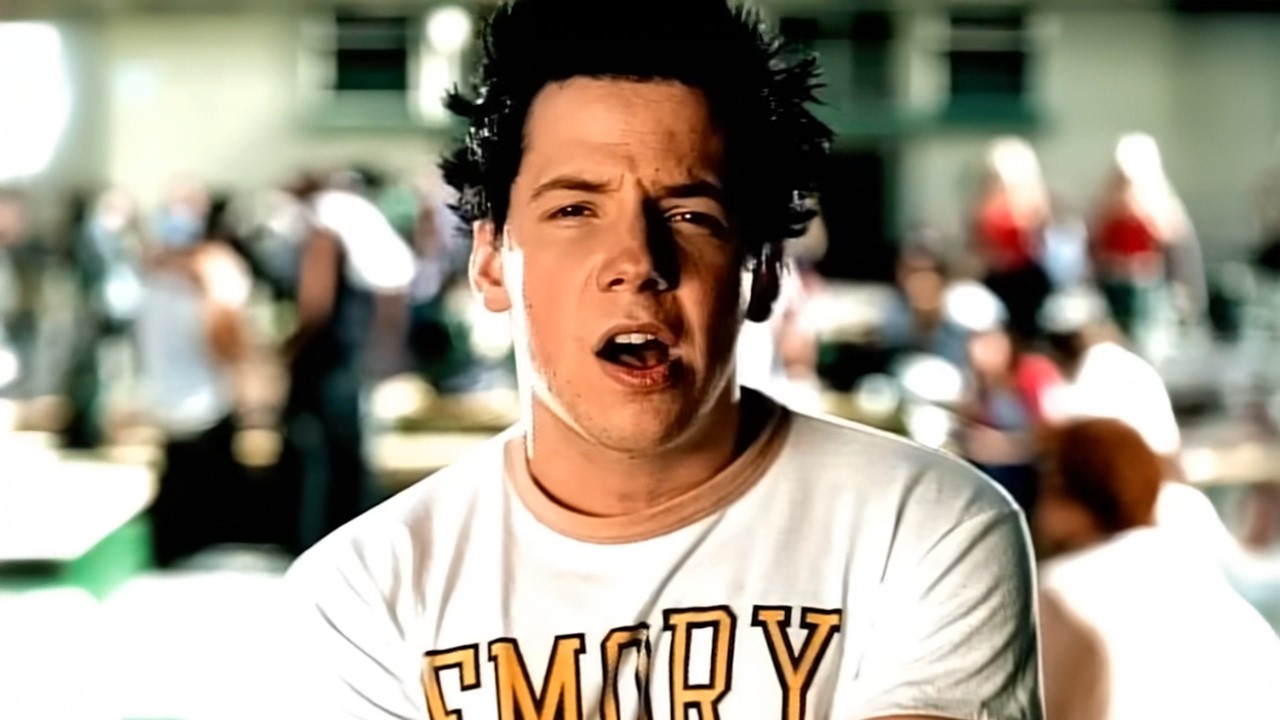
Simple Plan's debut single, released February 4, 2002: a pop-punk tantrum about a Friday night with nobody to call, filmed in a Long Beach high school with DJ Qualls in tow. It never cracked the US or UK singles charts, then became the song a generation re-created its childhood photos to on TikTok in 2020.

"A licky boom boom down": a white reggae MC from Toronto toasting so fast nobody could transcribe it, atop the American charts for seven straight weeks. It was infectious, it was baffling, and it was divisive enough that Jim Carrey parodied it on national television.

Rick Rubin stripped Jay-Z down to bare guitar and cowbell, and the Marcy Projects kid recited a real 1994 traffic stop so precisely that a law professor later published a journal article dissecting it. "99 Problems" was endlessly quotable, taught in law schools, and inescapable in 2004—the sound of Jay-Z staging his own exit.
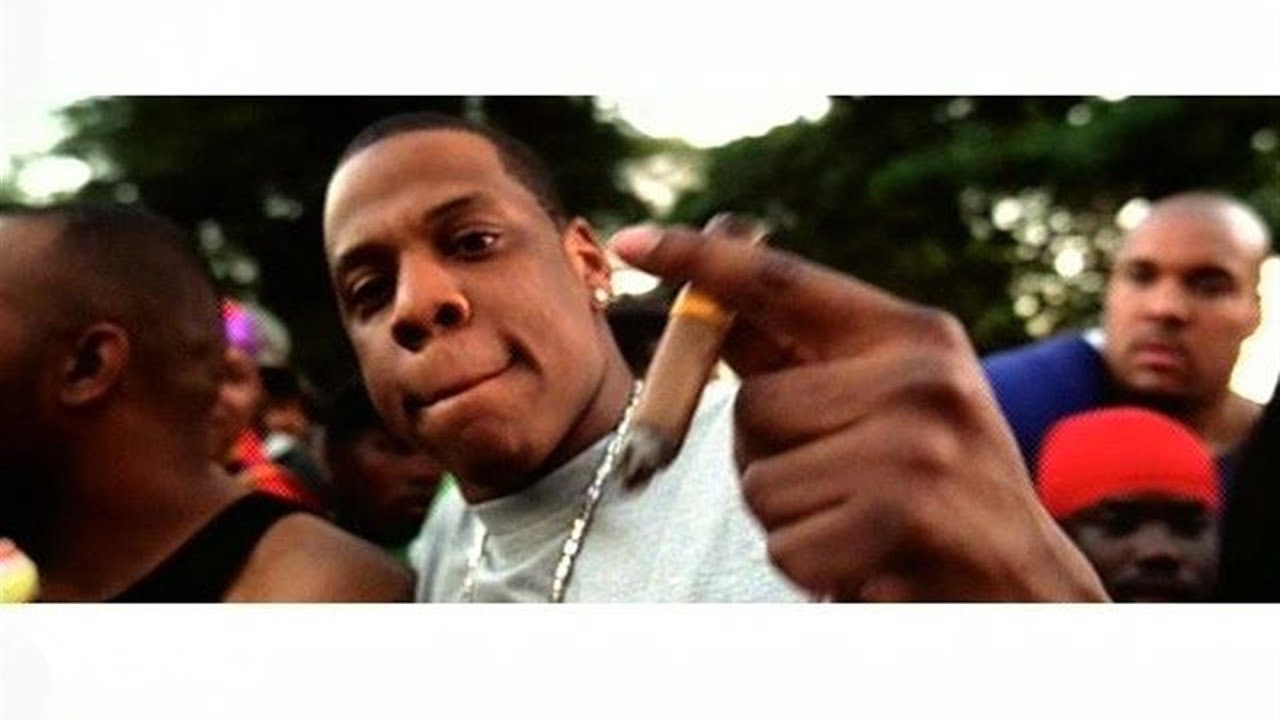
Timbaland looped a flute line from a 1957 Egyptian melody, Houston's UGK traded verses with Jay-Z, and the result was the yacht-party anthem of 2000. The song was iconic enough to fuel a decade-long copyright fight—and brash enough that Jay-Z himself later disowned the lyrics in the Wall Street Journal.

Flip-flops, a straw hat, and a stadium full of people who had never been to the Caribbean singing about it anyway. Kenny Chesney turned "No Shoes, No Shirt, No Problems" into a brand and the 2000s into one long beach party, winning four ACM Entertainer of the Year awards in a row and building the biggest touring career in Billboard's country ledger.

The massive follow-up that conquered Europe and cracked the US Top 10. That infectious "la da da dee da da da da" hook? It was completely improvised.
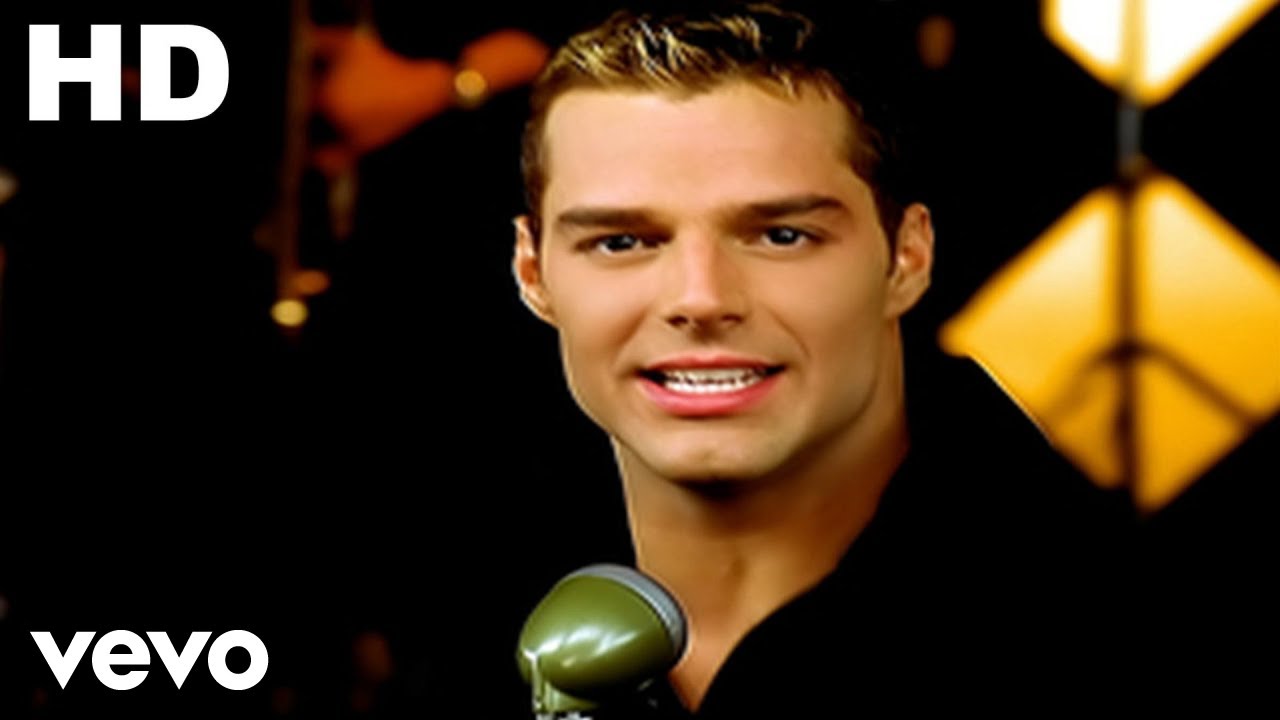
"Upside, inside out, she's livin' la vida loca..." — the horn-blasted crossover smash that made Ricky Martin a global superstar overnight and kicked the door open for 1999's Latin pop explosion. Five weeks at number one, and a whole summer of everyone yelling the chorus.

A half-spoken verse about a sad rich girl in the Hollywood Hills, then a hook that promised everything's gonna be all right, rock-a-bye. Shawn Mullins had spent a decade selling his own cassettes at shows when "Lullaby" went to number seven in the first weeks of 1999.

"A little bit of Monica in my life, a little bit of Erica by my side..." — Lou Bega dug up a 1949 Cuban mambo, added a roll call of girls' names and a zoot suit, and created the most inescapable song of 1999. You still can't hear a trumpet stab without finishing the list.

A shape-shifting visionary who moved between producer, rapper, and video icon — the futurist behind "The Rain," "Get Ur Freak On," and "Work It," whose jaw-dropping videos defined how hip-hop looked in the early 2000s. Simultaneously avant-garde and wildly successful.
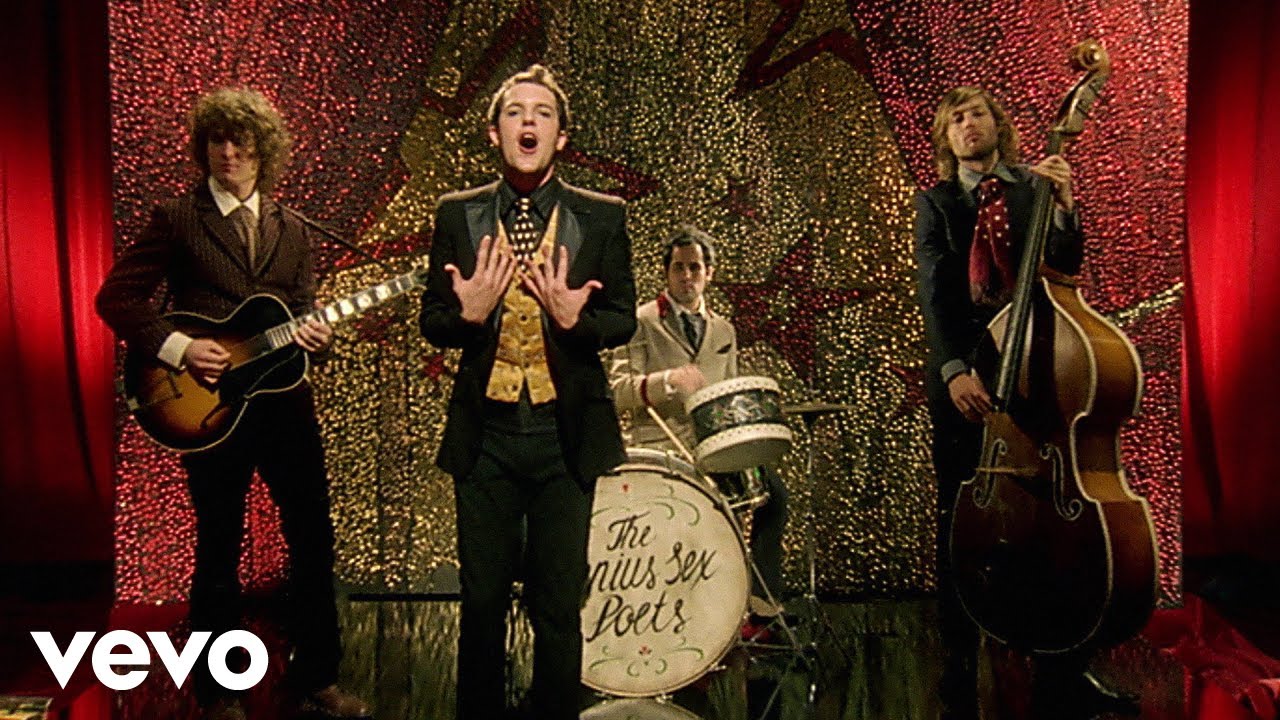
The Killers' debut single — written after Brandon Flowers found his girlfriend in a Las Vegas bar with another man. Released in 2003, it peaked at No. 10 on both the US and UK charts, and then simply never left: by 2026 it had logged more than 500 weeks on the UK singles chart, a communal scream at weddings and stadiums that outlived its own decade.
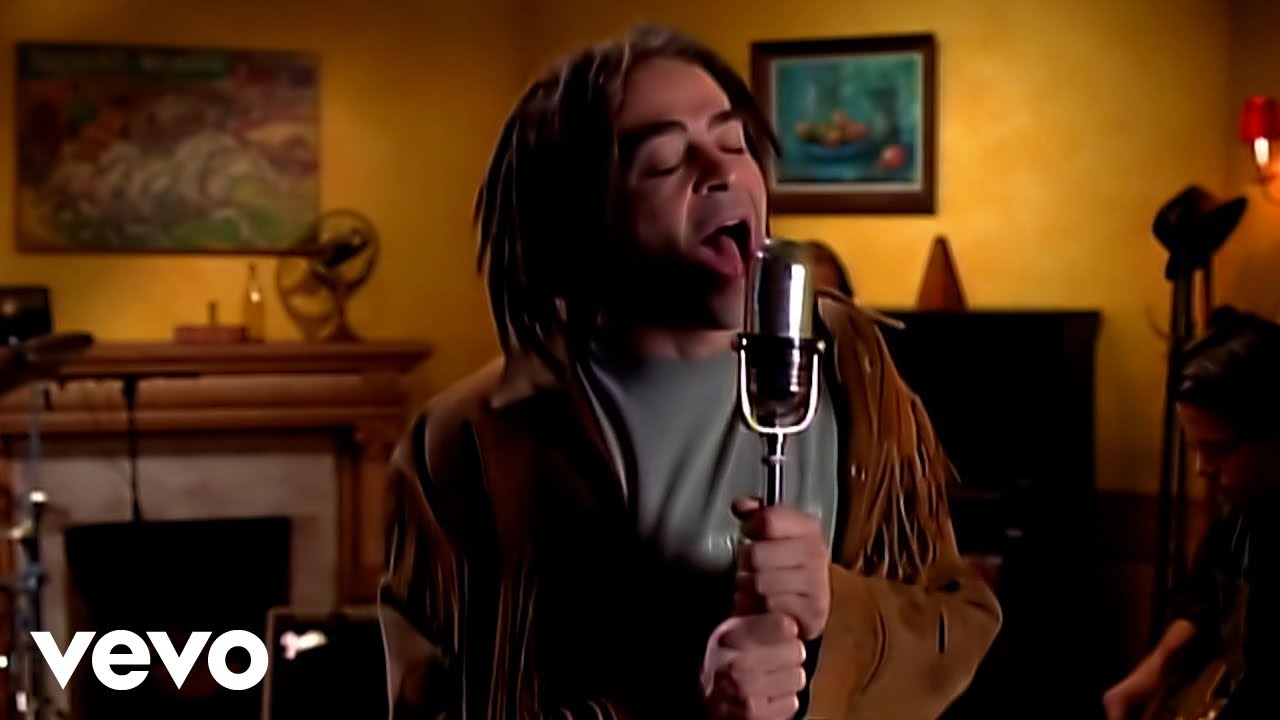
The breakthrough single that launched Counting Crows from small-club acoustics into MTV ubiquity — two struggling musicians daydreaming that being rock stars would make everything easier. Its central confession, "when everybody loves me, I will never be lonely," became the 90s' great be-careful-what-you-wish-for lyric: Duritz got the fame and spent years walking the song back.

MTV's 1990s golden era transformed the channel from music-video jukebox into a cultural force, with Total Request Live (TRL), The Real World, Beavis and Butt-Head, MTV Unplugged, and a rotation of music videos that defined the decade's soundtrack. Music Television delivered exactly what it promised: a place where youth culture, music, and rebellion converged on cable.
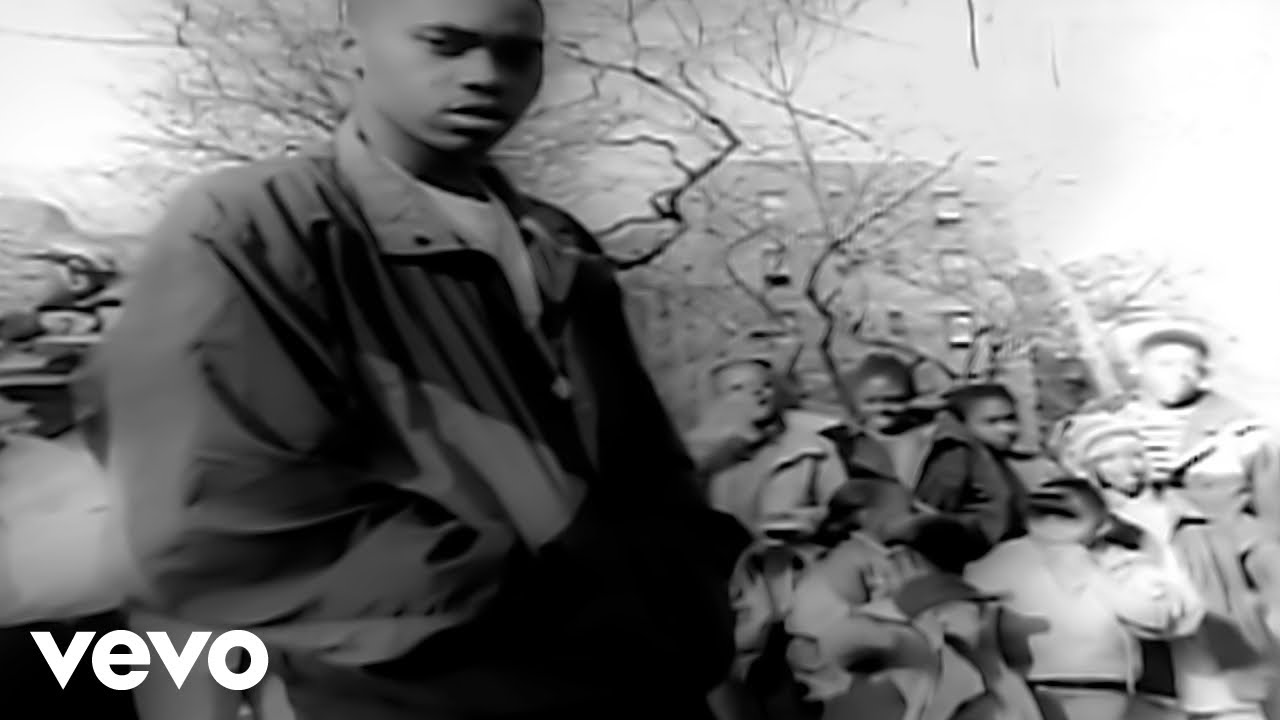
The kid from Queensbridge who, at 20, made the album every rap argument still starts with. Nas's Illmatic (1994) sold slowly and never left the conversation; It Was Written made him a star, two rushed albums made the doubters loud, and "Ether" settled a feud with Jay-Z that defined New York hip-hop at the turn of the millennium.

Trent Reznor's one-man industrial-rock project that put "Head Like a Hole" on MTV, rented the Manson murder house to make The Downward Spiral, and played Woodstock '94 caked in mud. Nine Inch Nails made the mid-90s loud, bleak and strangely catchy, and the censored "Closer" became one of the decade's signature singles.
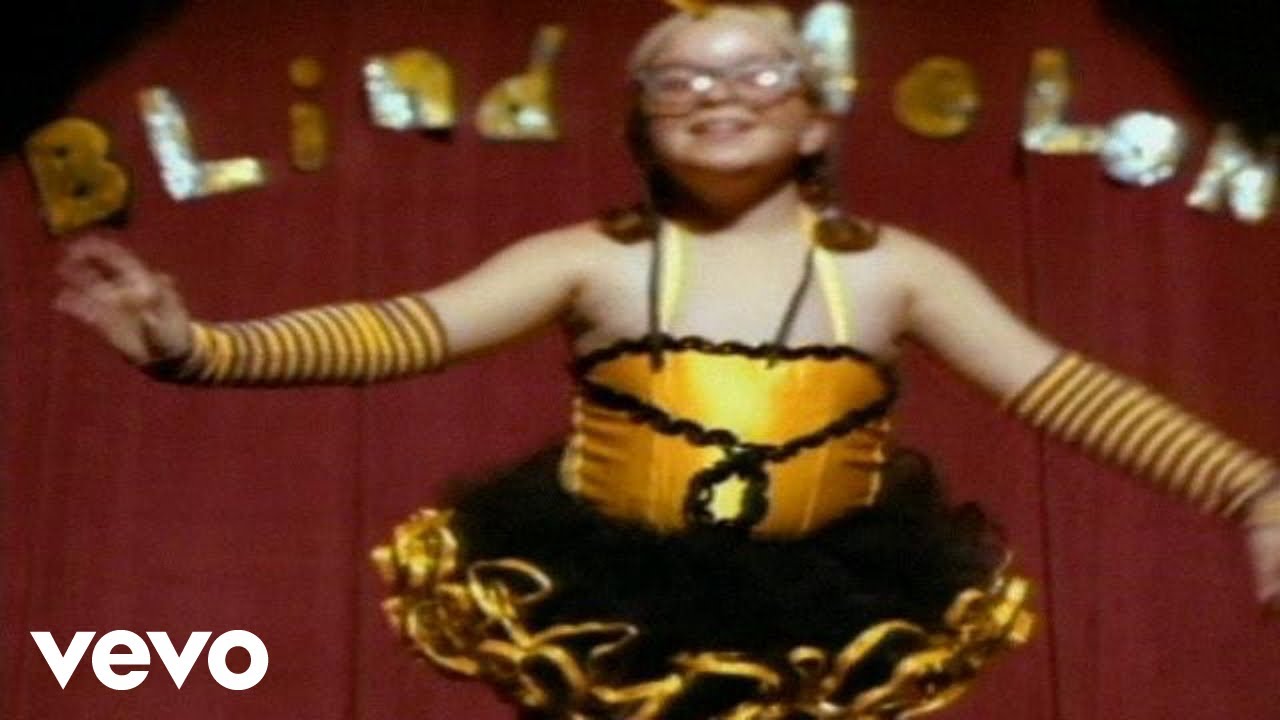
A lazy, sun-warmed guitar line and a video that became bigger than the song: the Bee Girl, a kid in a homemade bee costume and big glasses, tap-dancing for a world that doesn't get her until she finds a field full of people just like her. MTV played it constantly, and it still lands.
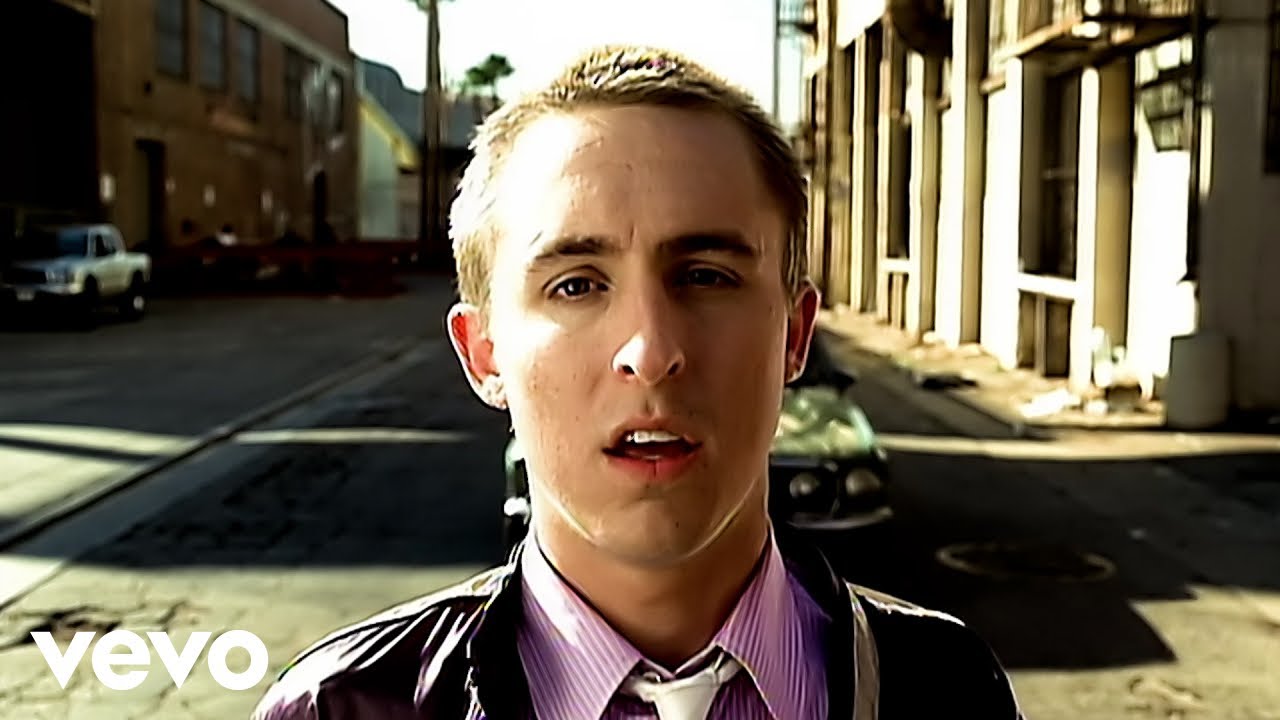
Pop-punk with a violin section of one. Yellowcard's signature song only reached #37 on the Hot 100, but it went double Platinum and became the era's defining leave-this-town anthem — named for a street that doesn't quite exist.
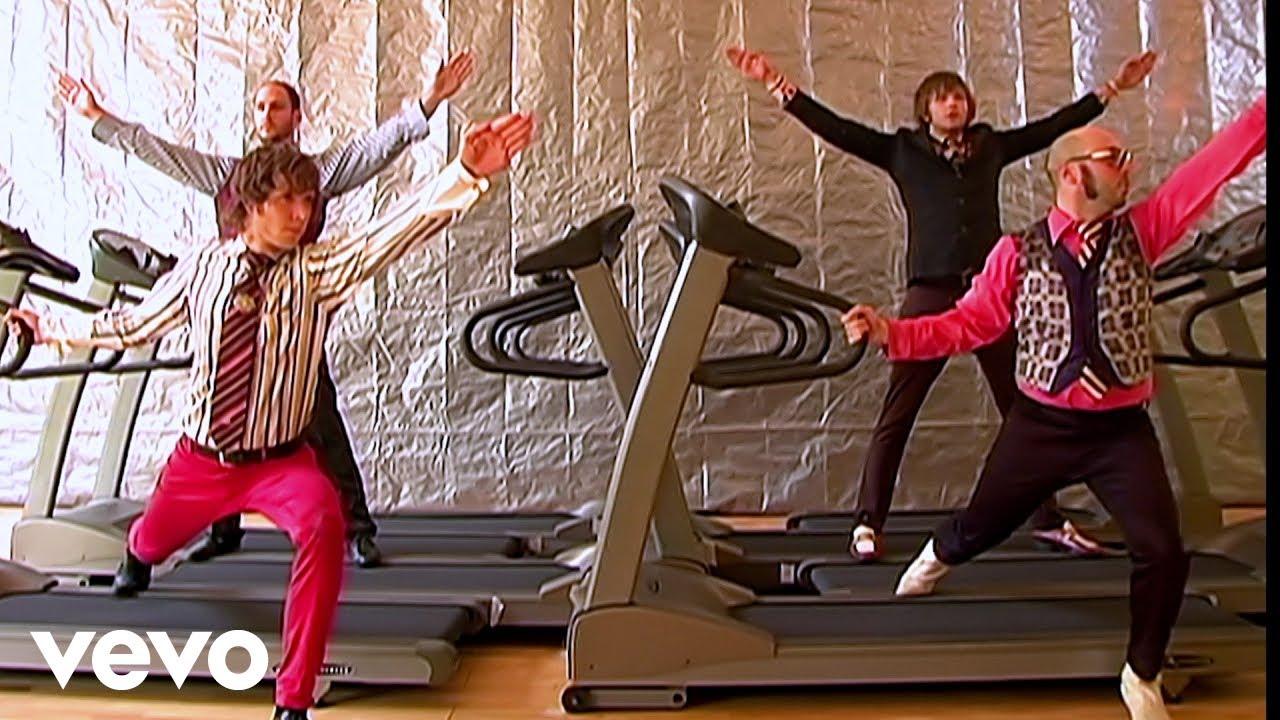
Four guys, eight treadmills, one continuous take. OK Go's "Here It Goes Again" video cost about $4,000, was shot in Damian Kulash's sister's house in Orlando, and went up on YouTube on July 31, 2006, when the site was just starting to take off. It won a Grammy and showed the music business what a viral video could do.
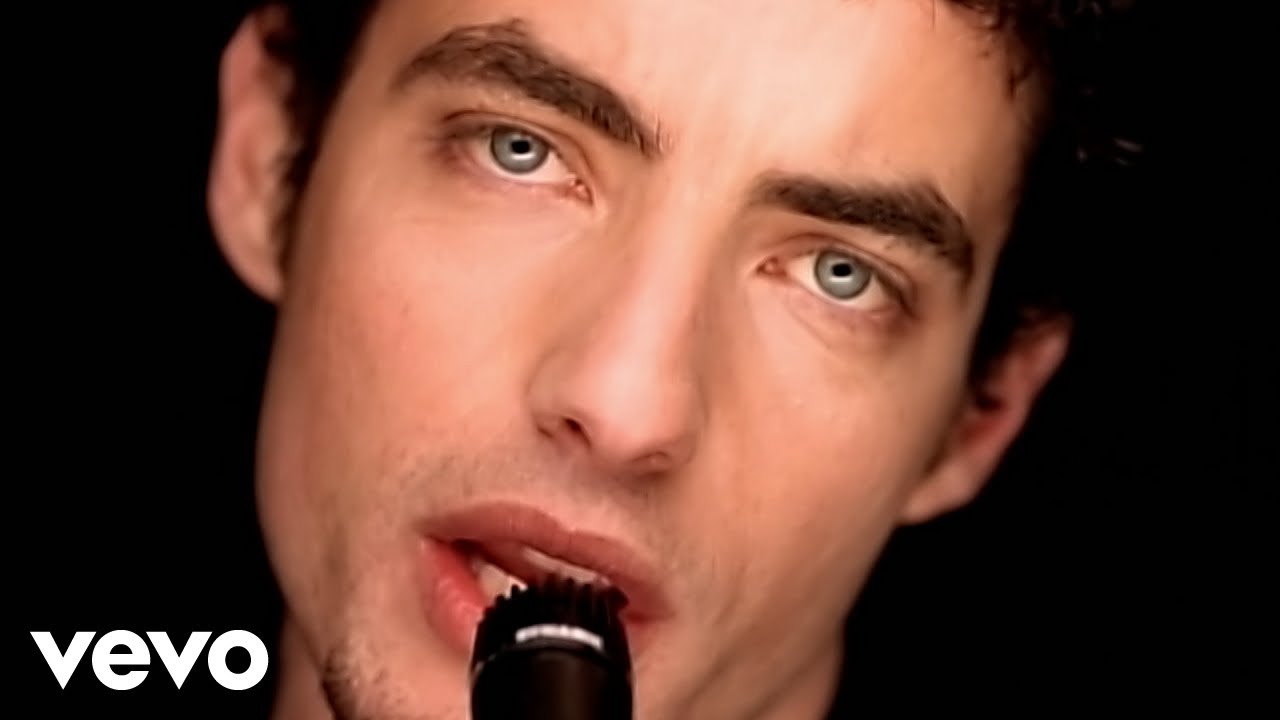
The melancholy glow of 1997 radio: Jakob Dylan—yes, that Dylan—singing about the death of ideas over the year's most inescapable groove. It topped every rock format at once, won two Grammys, and never even appeared on the Hot 100.

The piano-rock breakout that introduced The Fray to the world — a mid-2000s radio staple about a falling-out with a brother, its title borrowed from his childhood nickname.

A goofy three-piece from Seattle armed with a two-string "basitar" and a three-string "guitbass"—and no apologies. The 1996 single off their triple-platinum debut hit No. 29 on the Billboard Hot 100 and charted around the world. The video put them in an orchard where the trees grow cans of peaches, until ninjas ambush the band mid-song. "Movin' to the country, gonna eat a lot of peaches" has lived in heads rent-free ever since.
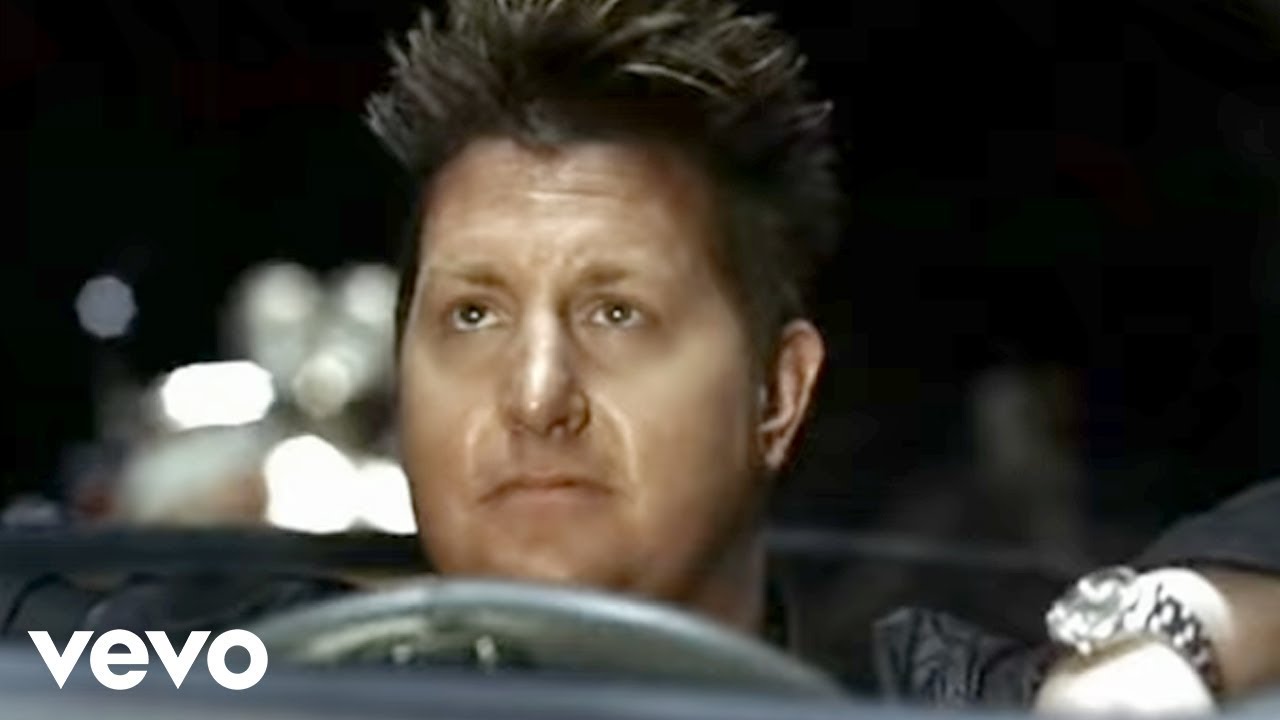
The three-part harmonies behind "Bless the Broken Road" and the Cars version of "Life Is a Highway." Rascal Flatts were sneered at as country's boy band and had 2006's second-best-selling album, behind only High School Musical, winning the CMA's Vocal Group of the Year six years running while "What Hurts the Most" spent a year on the Hot 100.

The definitive told-you-so strut: a breakup revenge anthem gliding on a Tom Tom Club groove, delivered with total conviction. It topped the UK charts in 1996, hit number two in America a year later — and it has never really left.
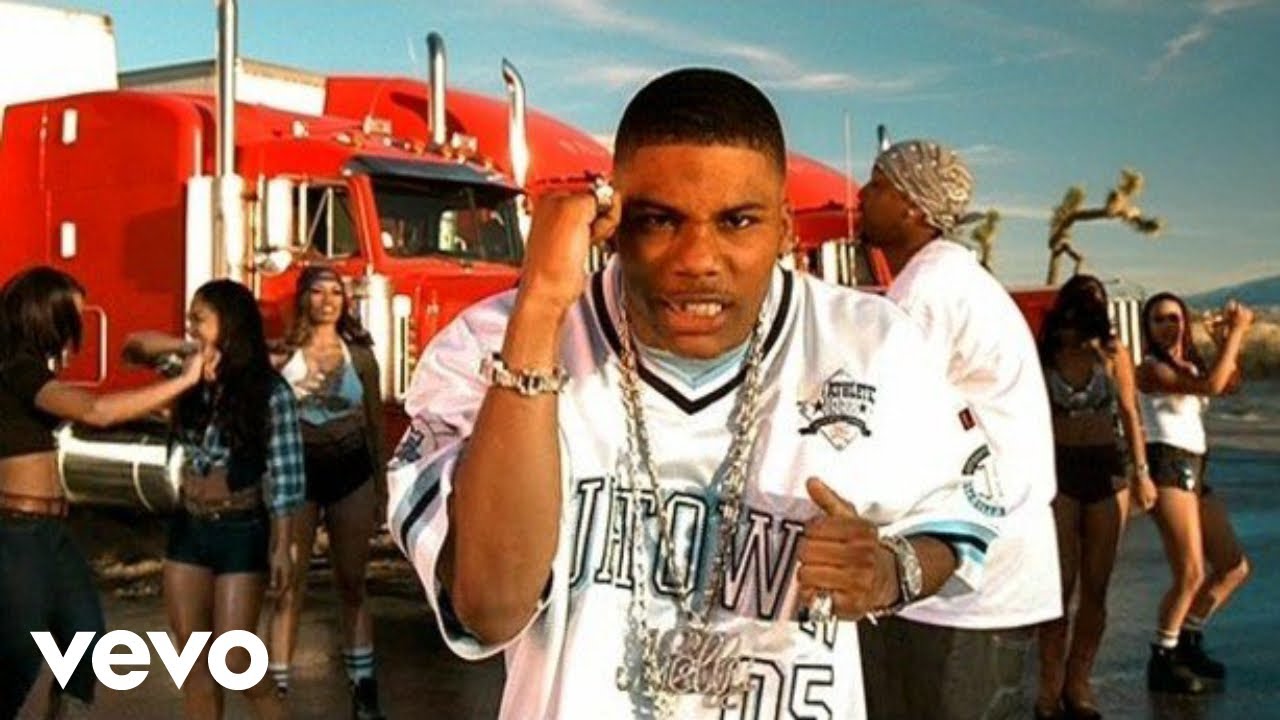
"If you wanna go and take a ride wit me..." — HEY, MUST BE THE MONEY! Nelly's acoustic-guitar bounce was the sound of every radio, mall, and school bus in 2001, the laid-back victory lap off Country Grammar.

Men Without Hats' 1982 anthem — born when singer Ivan Doroschuk got thrown out of a club for pogo dancing — conquered the 1983 charts with one of the strangest videos of the MTV era. So why is it in a 90s database? Because Bio-Dome (1996) re-seeded it into a generation of cable kids who half-remember it as their own era's song, by a band half of them still misname "Men In Hats."

"Doo doo doo, doo doo-doo doo..." — the sunniest-sounding smash of 1997 was a song about crystal meth, and the radio edit made sure you couldn't tell. The hook that soundtracked every summer barbecue was hiding one of the darkest lyrics on the dial.
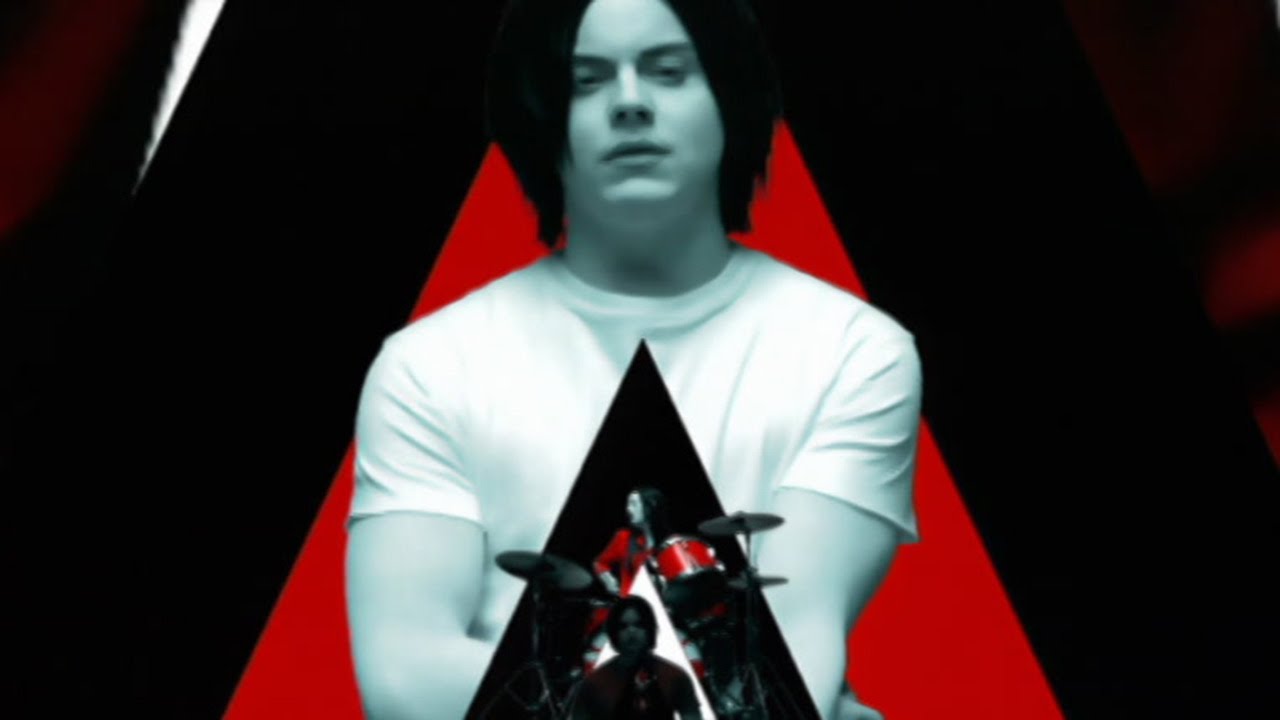
A seven-note riff that sounds exactly like a bass — played by a band with no bassist. "Seven Nation Army" peaked at #76 on the Hot 100, then quietly conquered every stadium on earth. Millions chant it at games today without knowing they're singing The White Stripes.

Somebody once told me — you know the rest. Smash Mouth's 1999 radio staple peaked at #4 on the Hot 100, but immortality arrived in 2001, when it played over Shrek's opening credits and fused itself permanently to a green ogre. The internet did the rest.
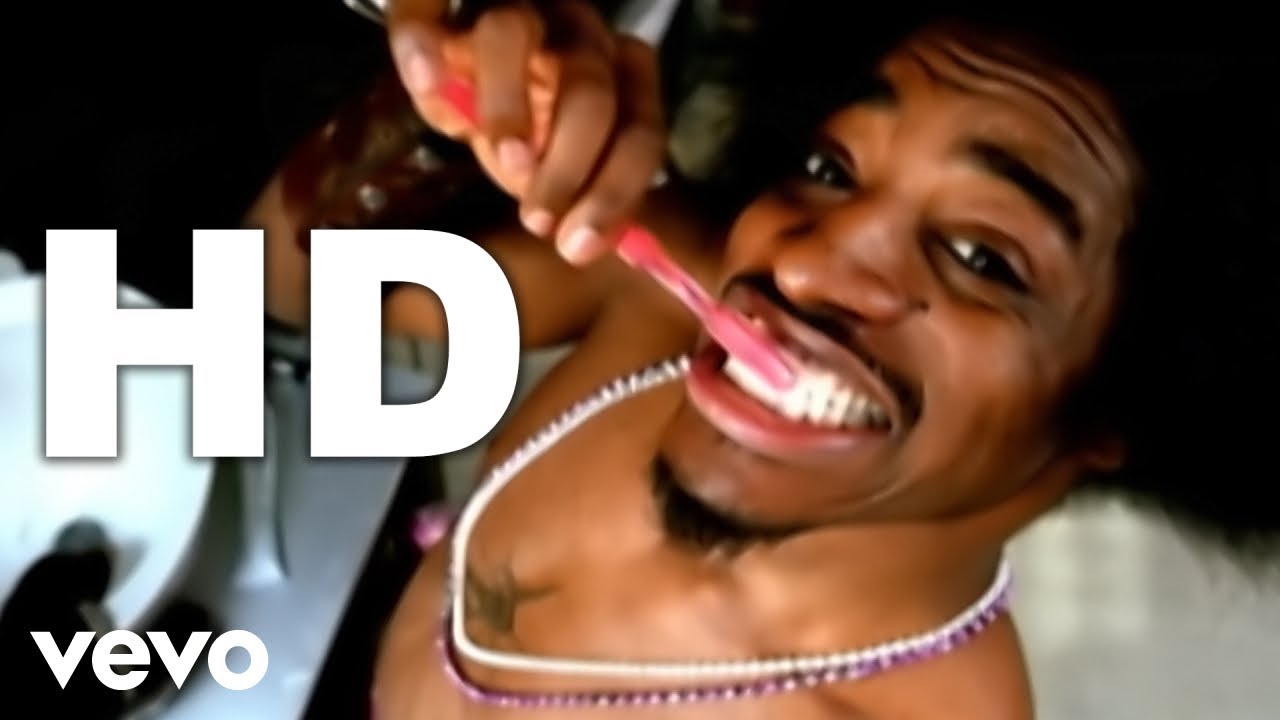
OutKast's getting-dressed anthem and cultural forever-favorite. A Sleepy Brown hook over a Joe Simon soul sample that became the decade's smoothest flex. The video was a visual extravaganza—CGI backdrops, a beauty parlor, church scenes, and cameos from Ludacris, Chilli, and Goodie Mob.
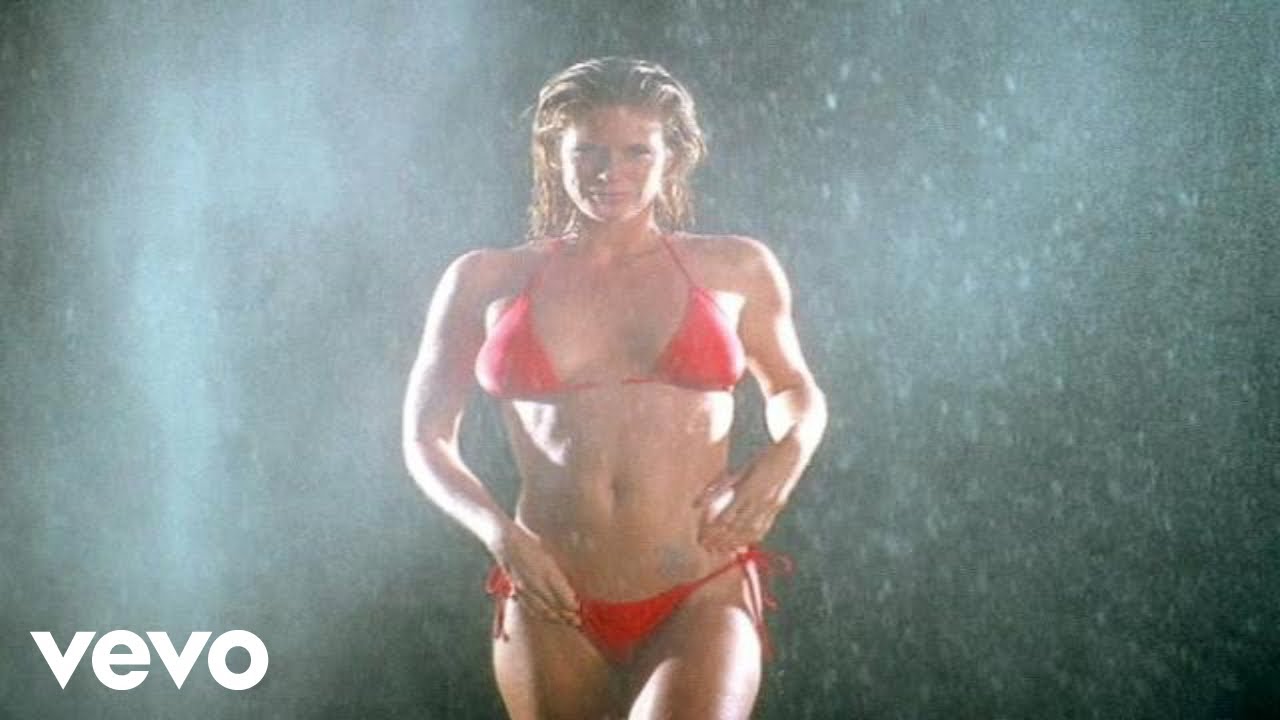
A cheeky power-pop confection about a kid crushing on his friend's mother, built as a loving homage to the Cars — so faithful that Ric Ocasek assumed the opening riff was a sample. It wasn't. Add the Rachel Hunter video and you have the summer of 2003 in three minutes.
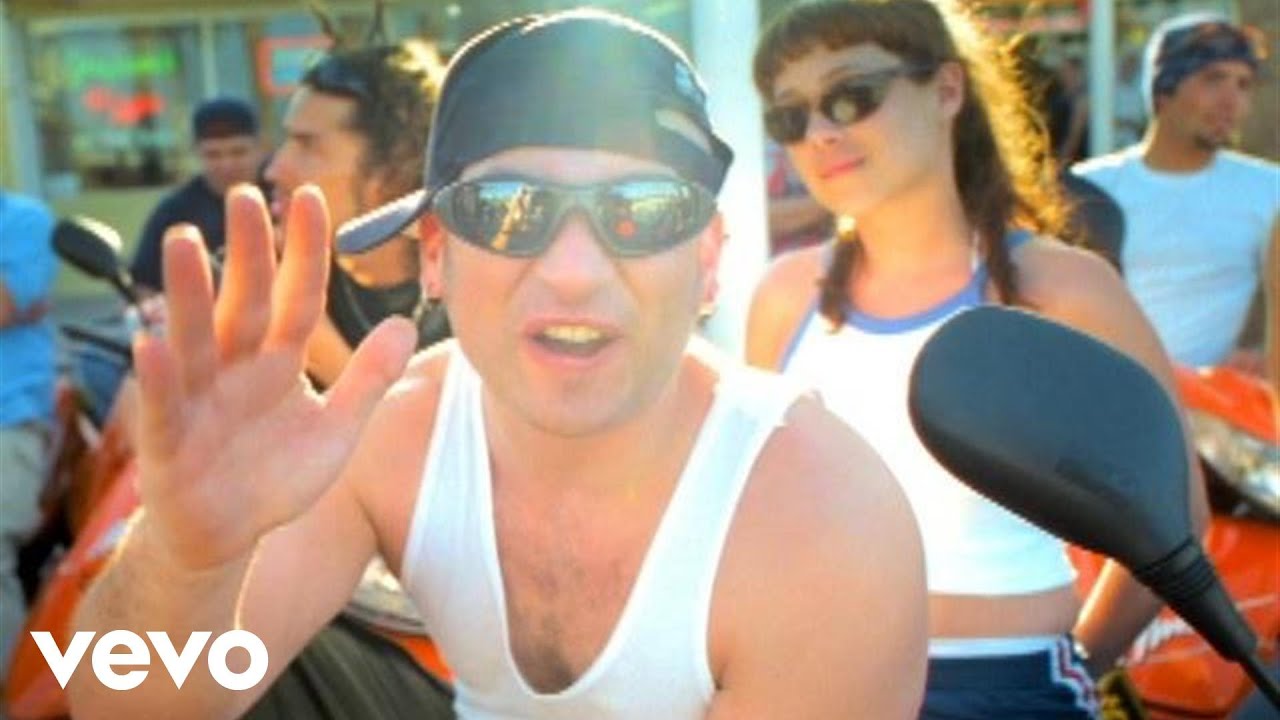
The wobbly-sweet Canadian brother-sister one-hit wonder: a hungover-sounding boy-girl trade-off over a looping disco sample, sun-bleached and effortless. If 1999 had an official lazy-summer-afternoon soundtrack, this was it.

The song that flipped a funk-metal band into sunshine pop overnight—bleak lyrics about death and loss wrapped in a breezy reggae-tinged groove, with Mark McGrath's frosted tips as the era's defining haircut. It owned the radio all summer and never touched the Hot 100.
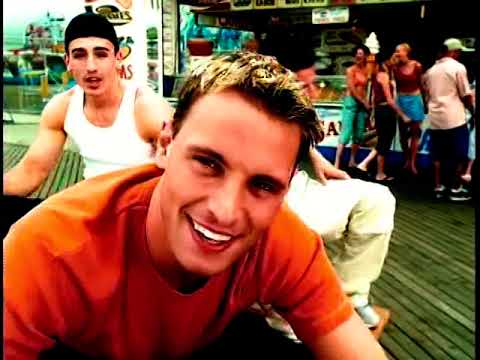
"I like girls that wear Abercrombie & Fitch..." — LFO's nonsense-couplet summer anthem rhymed Chinese food with Bruce Willis and somehow became the sound of 1999. New Kids on the Block, macaroni and cheese; it made no sense and everyone knew every word.
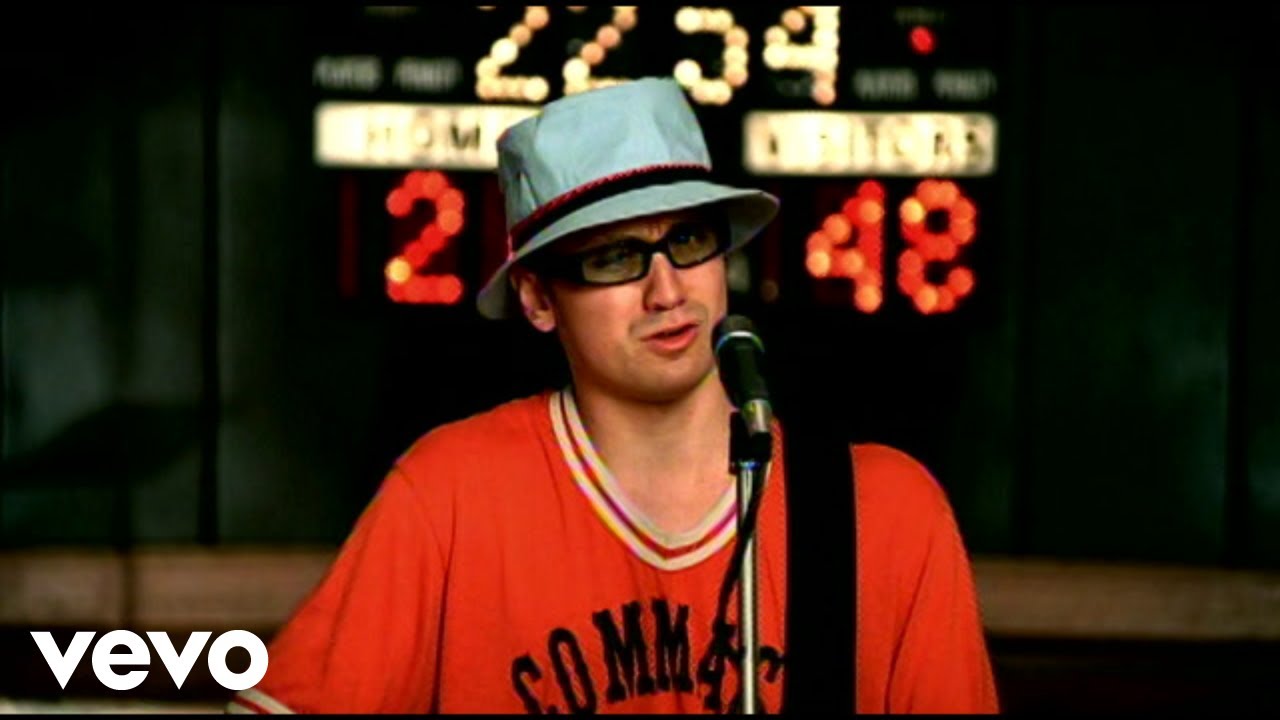
An outcast anthem in a nasal falsetto: the kid with the AC/DC tapes everyone treated like a devil worshipper, pining for a girl out of his league. The twist — "two tickets to Iron Maiden, baby" — is one of pop's great reveals. America shrugged; the rest of the world made it enormous.
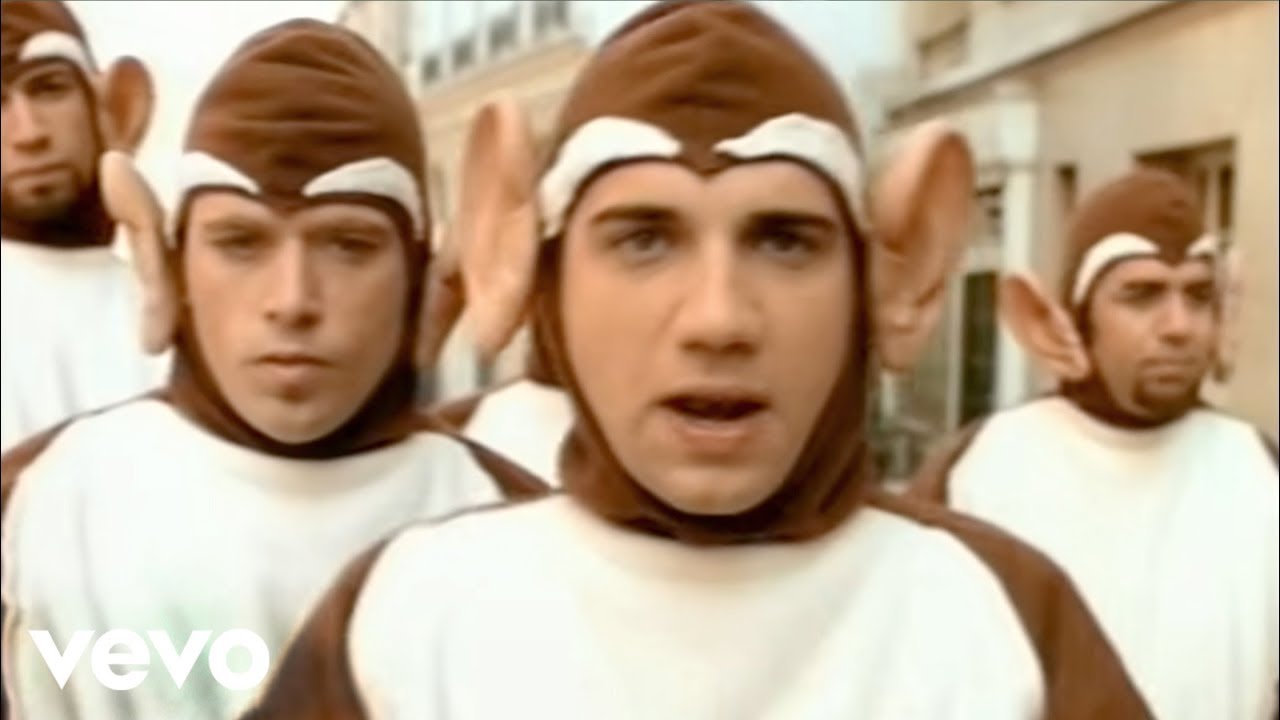
"You and me baby ain't nothin' but mammals..." Bloodhound Gang's gleefully crude smash turned a biology-class euphemism into an inescapable party anthem — and the monkey-suit video sealed the deal.

"For the life of me, I cannot remember..." — the guilt-stricken confession ballad that all of 1997 alt-radio screamed along to without quite knowing what it was confessing. Rooted in something real, mostly made up, and somehow everyone's story at once. (The Verve Pipe, from Michigan — no relation to The Verve of "Bitter Sweet Symphony" fame, same year, different ocean.)

The platinum-blond Dru Hill frontman's solo signature — a 2000 smash so ubiquitous you couldn't escape it. 'She had dumps like a truck, truck, truck...' Sisqó turned a string section, a booming beat, and one very specific ode into the sound of that summer.
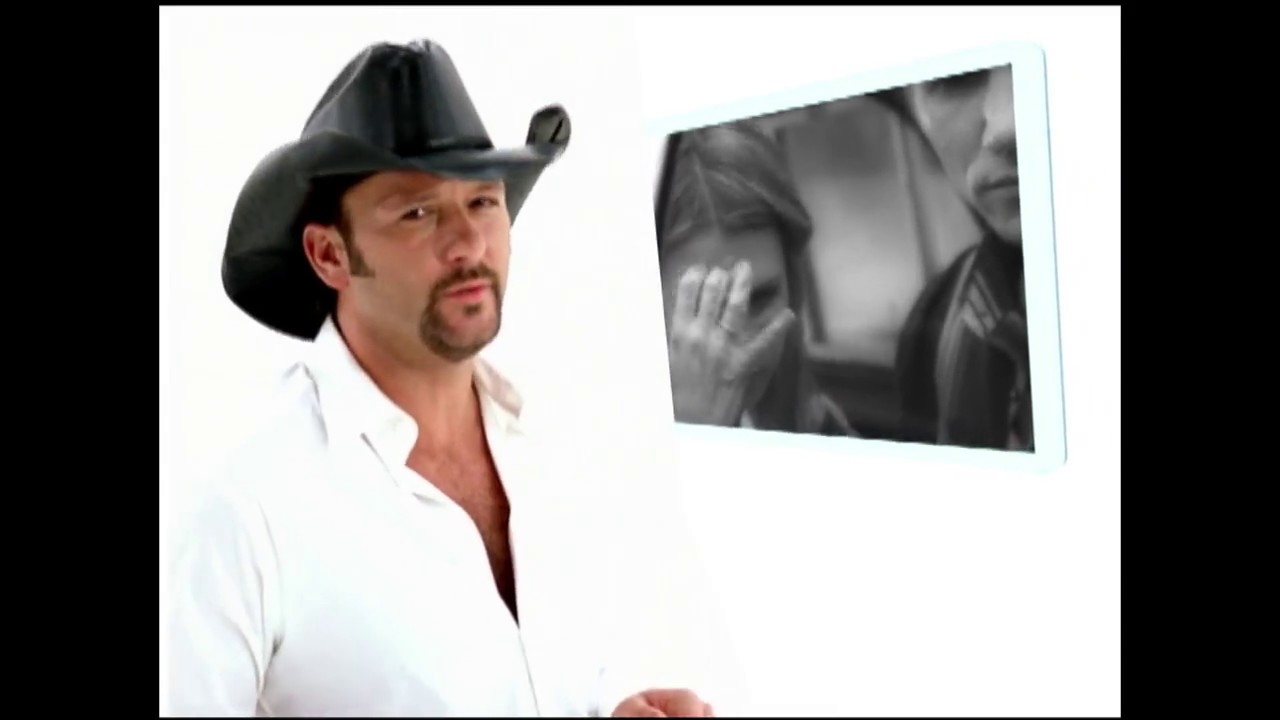
The son of a World Series pitcher who made every girl at the county fair cry at "Don't Take the Girl." Tim McGraw went from a flop debut to the best-selling country album of 1994, married Faith Hill on the road, and closed his decade with "Live Like You Were Dying," the song he cut the year his father died.

"How do you like me now?" The Oklahoma singer whose 2000 comeback single became the year's biggest country song, and whose post-9/11 "Courtesy of the Red, White and Blue" got him bumped from an ABC Fourth of July special, into a feud with the Dixie Chicks, and through a decade as country's loudest patriot.

Nickelodeon's Sunday-morning free-for-all: a studio audience, trivia and Double Dare-style physical games, music videos chosen by applause, cartoon shorts, kid film critics, and previews of brand-new machines like the Genesis and the Game Boy. It ran from April 1989 to September 1990, long enough to move from New York to a still-unfinished Nickelodeon Studios in Orlando, and it is where a warm-up comic named Greg Lee got his first hosting job.
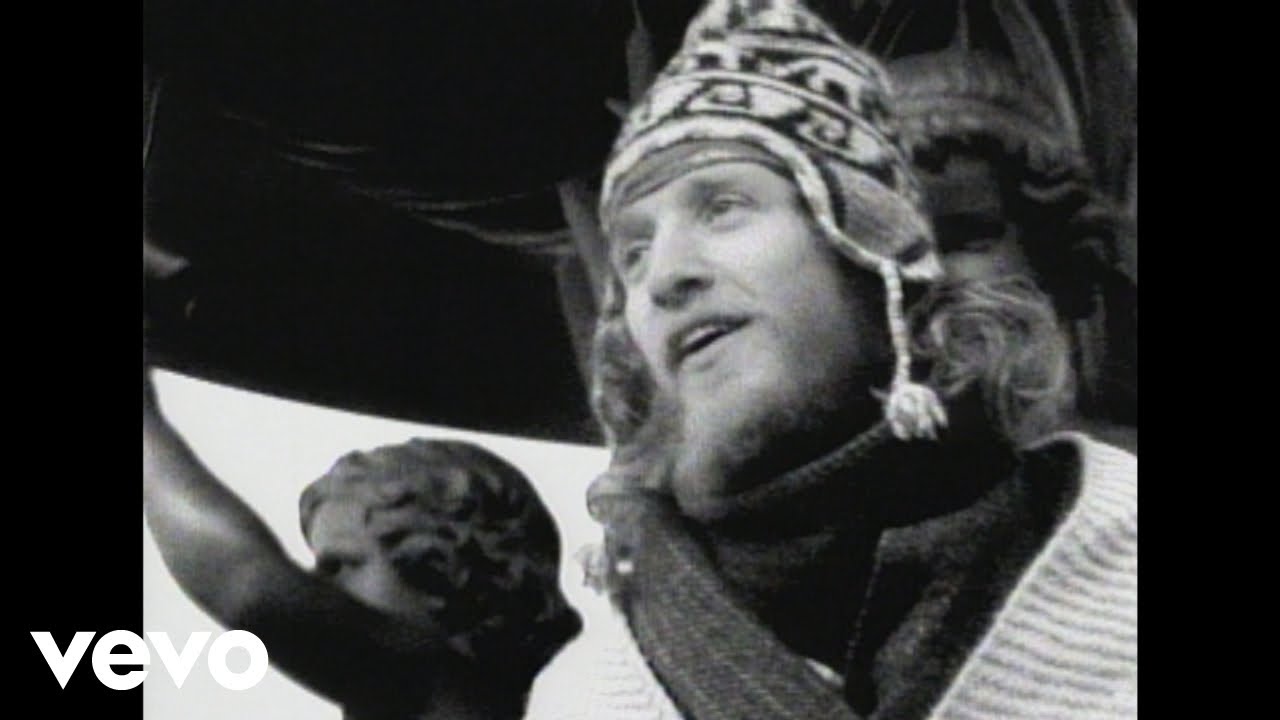
"Just go ahead now": the jangly riff every '90s kid can hum and the band name most of them can't produce. It made VH1's greatest-songs-of-the-'90s list and Blender's worst-songs-ever list — and honestly, both lists have a point.

The eurodance question nobody has ever answered: Haddaway's 1993 debut hit number one in a dozen-plus countries — then became immortal five years later as the head-bob anthem of SNL's Roxbury Guys. Baby, don't hurt me.
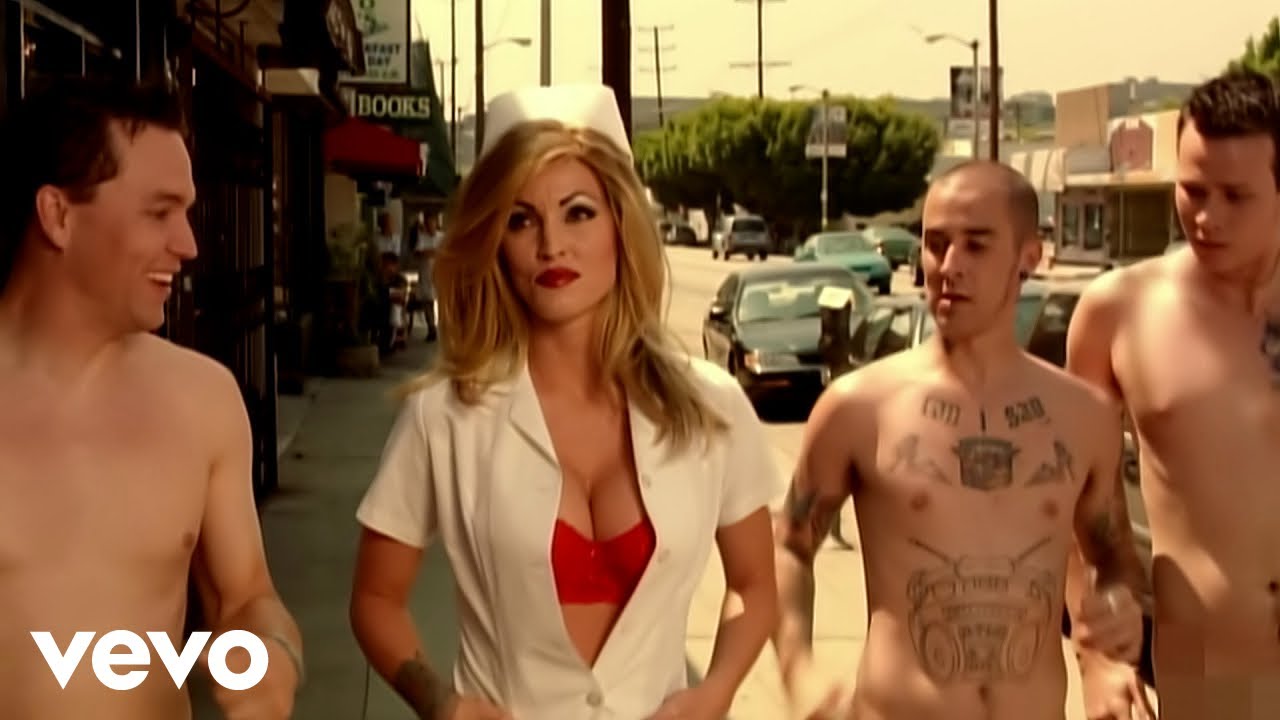
The lead single that announced blink-182 had arrived, with a melody so immediate it felt like it already existed. A five-minute kitchen-floor composition that would define the band and give them their first MTV staple. The line "nobody likes you when you're 23" became the most quotable moment in pop-punk, even though Mark Hoppus was 26 when he wrote it.

The ballad that would not leave the radio in 2001 and 2002: 23 weeks at No. 1 on Billboard's Adult Top 40, a No. 5 peak on the Hot 100, and a video set in the concrete channel of the Los Angeles River. Aaron Kamin wrote it after a funeral, and a Disney film-music executive heard a monster.

The love-triangle confession that made 18-year-old Usher a star: seven straight weeks at #2 on the Hot 100, held off the top the whole time by Elton John's "Candle in the Wind 1997." The video — five Ushers dancing in perfect sync inside a white-and-purple circular room — became his visual signature.