The Fray — "Over My Head (Cable Car)"

The piano-rock breakout that introduced The Fray to the world — a mid-2000s radio staple about a falling-out with a brother, its title borrowed from his childhood nickname.
"Over My Head (Cable Car)" was the lead single from Denver band The Fray's 2005 debut album, How to Save a Life, written by singer Isaac Slade and guitarist Joe King. Slade has said it grew out of a real estrangement from his younger brother Caleb, whose family nickname — "Cable Car" — became the song's parenthetical title and the name of the original demo.
All earnest piano chords and a soaring, singable chorus, it was a perfect fit for mid-decade adult-alternative radio and climbed to #8 on the Billboard Hot 100, giving The Fray their first hit. It set the table for the even bigger title track, "How to Save a Life," and helped define the wave of piano-driven pop-rock that dominated the back half of the 2000s.
Similar items
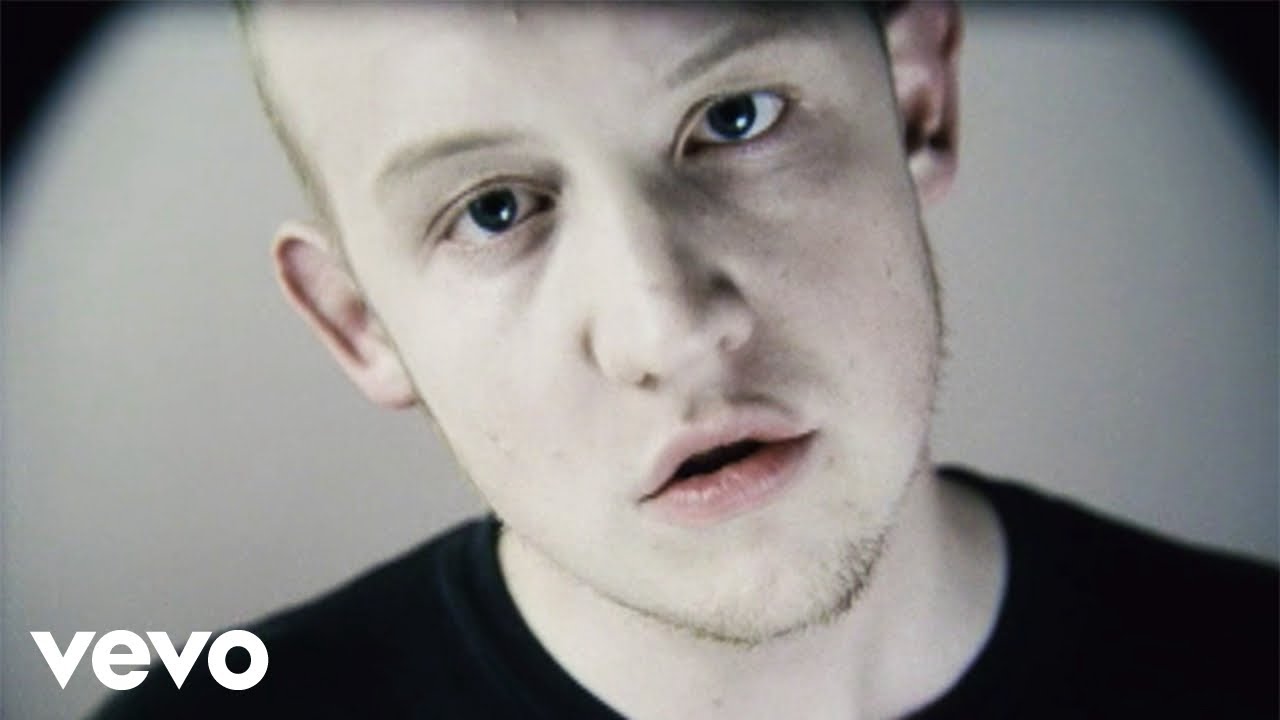
The Fray
The Denver piano-rock band whose earnest, mid-tempo anthems were the sound of mid-2000s radio and every emotional TV montage of the era. "Over My Head" broke them; "How to Save a Life," supercharged by Grey's Anatomy, made them huge.

"1985" by Bowling for Soup
Pop-punk's sneakiest hit started as an SR-71 album track before Bowling for Soup rebuilt it into a double-Platinum sing-along about a suburban mom stuck in the era of "Springsteen, Madonna, way before Nirvana." The cruel joke wrote itself: the song about being nostalgic for the wrong decade is now the thing you're nostalgic for.

"Before He Cheats"
Key the truck, carve your name in the seats, take a Louisville Slugger to the headlights. Carrie Underwood's revenge anthem crossed over from country radio to everywhere in 2006–07, spent 64 straight weeks on the Hot 100, and became — for a time — the best-selling country song, period.
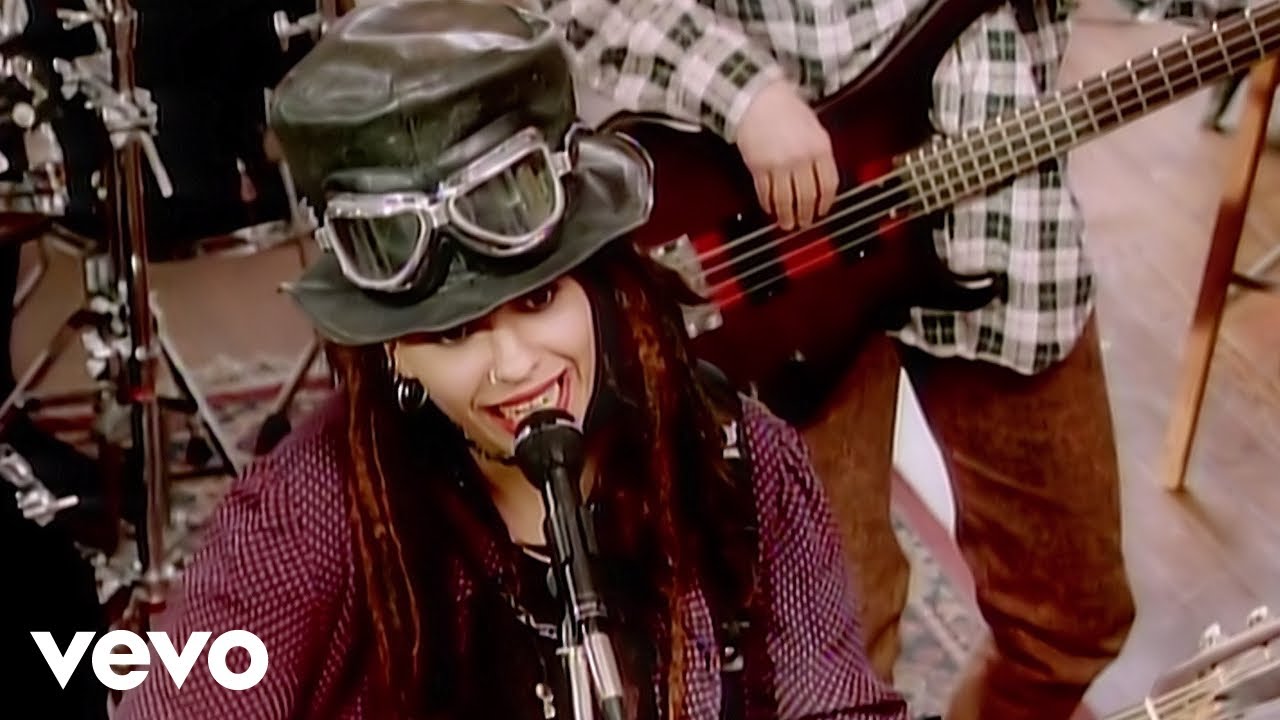
4 Non Blondes — "What's Up?"
Linda Perry wailing "what's going on?" over a strummed anthem the whole planet sang along to in 1993 — titled "What's Up?" because Marvin Gaye had already claimed the obvious name. It hit number fourteen in the US, topped charts across Europe, and then got the strangest second life in pop history: as the internet's beloved He-Man meme.