Goo Goo Dolls — "Slide"
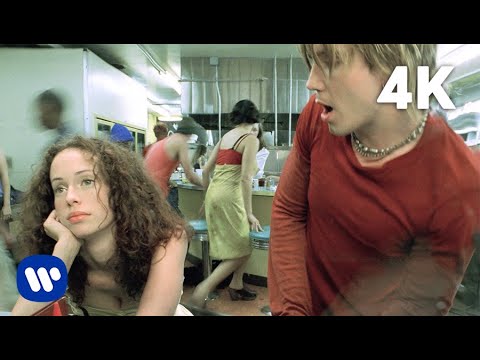
"May-ayy, do you wanna get married, or run away?" — the jangliest, sunniest radio monster of late 1998 was secretly a song about two scared teenagers facing a pregnancy. It topped four different airplay charts, and most people singing along never noticed what it was about.
"Slide" arrived on September 17, 1998, as the lead single from Dizzy Up the Girl — the Goo Goo Dolls album that turned a Buffalo bar band's slow climb into total radio ownership. Written solely by John Rzeznik and produced with Rob Cavallo, it hit number eight on the Billboard Hot 100 and pulled off something rarer: reaching number one on four separate airplay charts — Adult Top 40, Mainstream Top 40, Alternative, and Adult Alternative — making it inescapable across every format. Billboard ranked it among the most successful songs of 1999, and it eventually went triple platinum.
The secret hiding in the jangle: Rzeznik explained on VH1 Storytellers that the song is about "these two teenage kids, and the girlfriend gets pregnant, and they're trying to decide whether she should get an abortion, or they should get married" — a story of young people boxed in by a strict, religious community, compressed into the breeziest chorus of the year. That contrast between bright sound and heavy subject was becoming the era's signature move (Third Eye Blind's "Semi-Charmed Life" pulled the same trick), and "Slide" is one of its cleanest examples: pure car-radio joy with a knot in its stomach, still instantly transporting anyone who had a radio in the winter of 1998–99.
Similar items
![Video thumbnail — Goo Goo Dolls – Iris [Official Music Video] [4K Remaster]](https://i.ytimg.com/vi/NdYWuo9OFAw/maxresdefault.jpg)
Goo Goo Dolls
Buffalo bar-band punks turned the kings of the late-90s radio ballad: Johnny Rzeznik and Robby Takac spent a decade in the van before "Name" and then "Iris" made them one of the biggest acts in America — and "Iris" sat on top of the airplay chart so long it set a record that stood for over two decades.
![Video thumbnail — Third Eye Blind - Semi-Charmed Life (Official Music Video) [HD]](https://i.ytimg.com/vi/beINamVRGy4/maxresdefault.jpg)
Third Eye Blind — "Semi-Charmed Life"
"Doo doo doo, doo doo-doo doo..." — the sunniest-sounding smash of 1997 was a song about crystal meth, and the radio edit made sure you couldn't tell. The hook that soundtracked every summer barbecue was hiding one of the darkest lyrics on the dial.
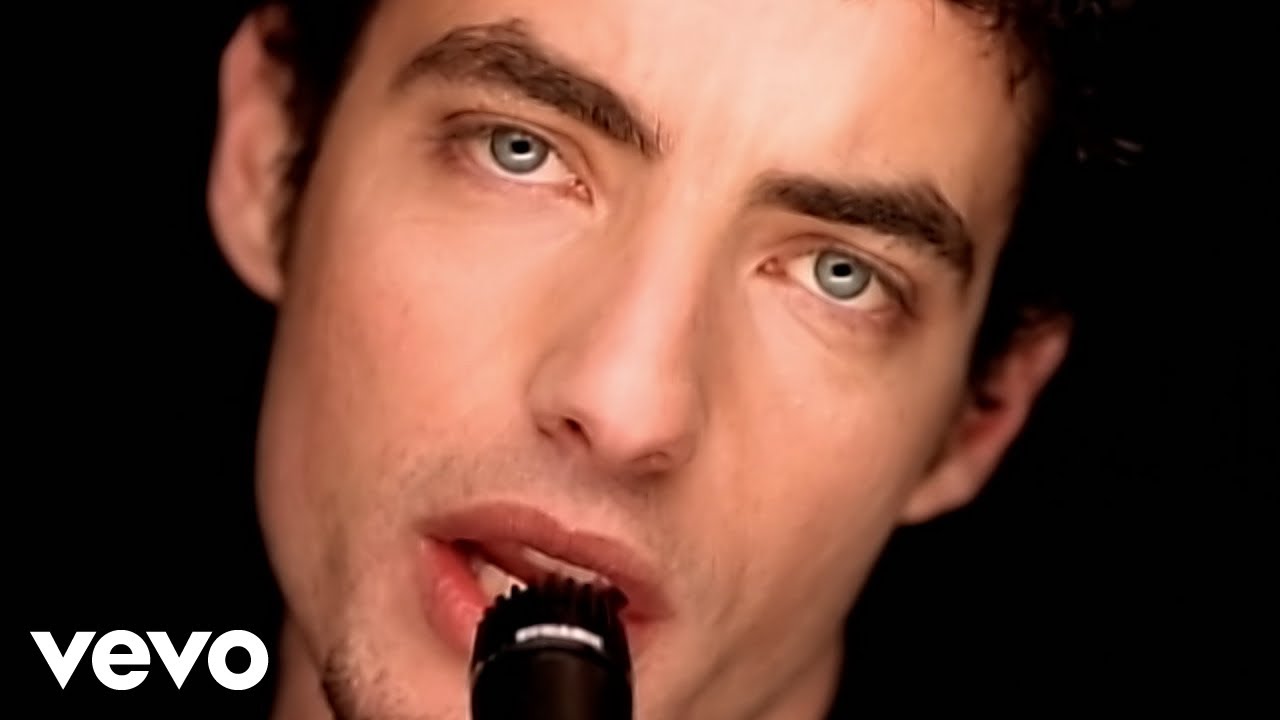
The Wallflowers — "One Headlight"
The melancholy glow of 1997 radio: Jakob Dylan—yes, that Dylan—singing about the death of ideas over the year's most inescapable groove. It topped every rock format at once, won two Grammys, and never even appeared on the Hot 100.
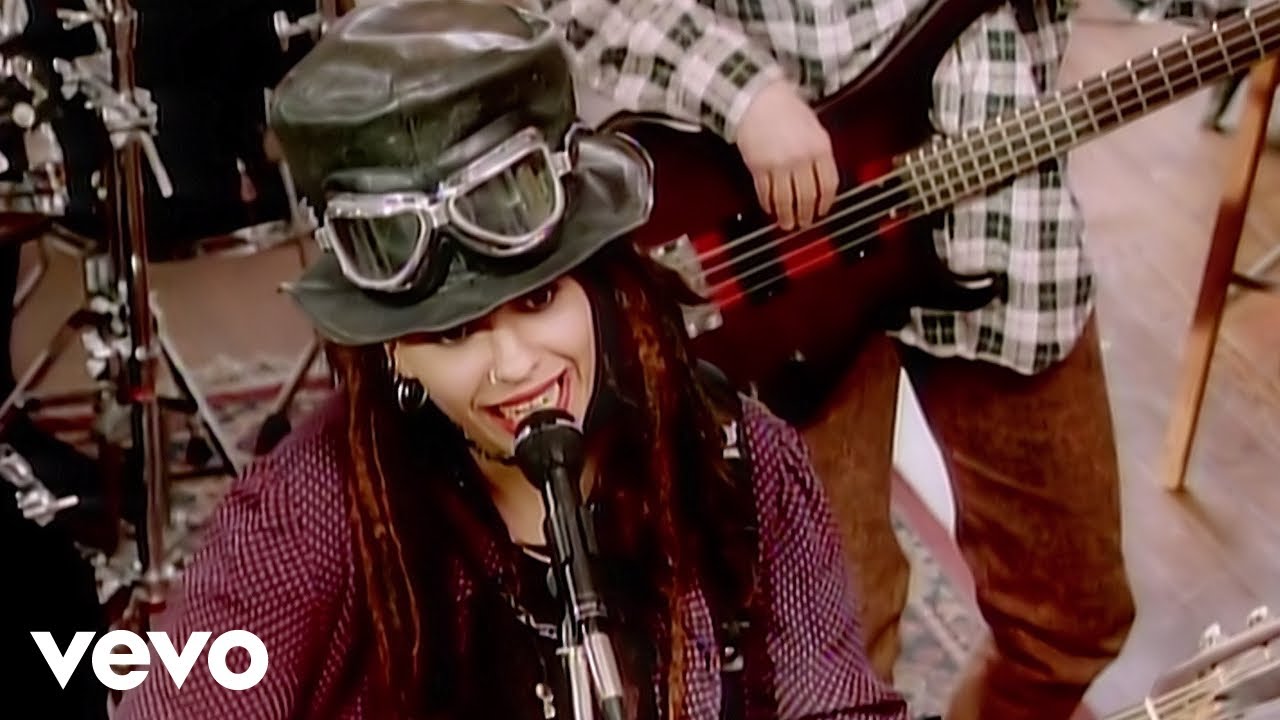
4 Non Blondes — "What's Up?"
Linda Perry wailing "what's going on?" over a strummed anthem the whole planet sang along to in 1993 — titled "What's Up?" because Marvin Gaye had already claimed the obvious name. It hit number fourteen in the US, topped charts across Europe, and then got the strangest second life in pop history: as the internet's beloved He-Man meme.