Backstreet Boys — "Everybody (Backstreet's Back)"
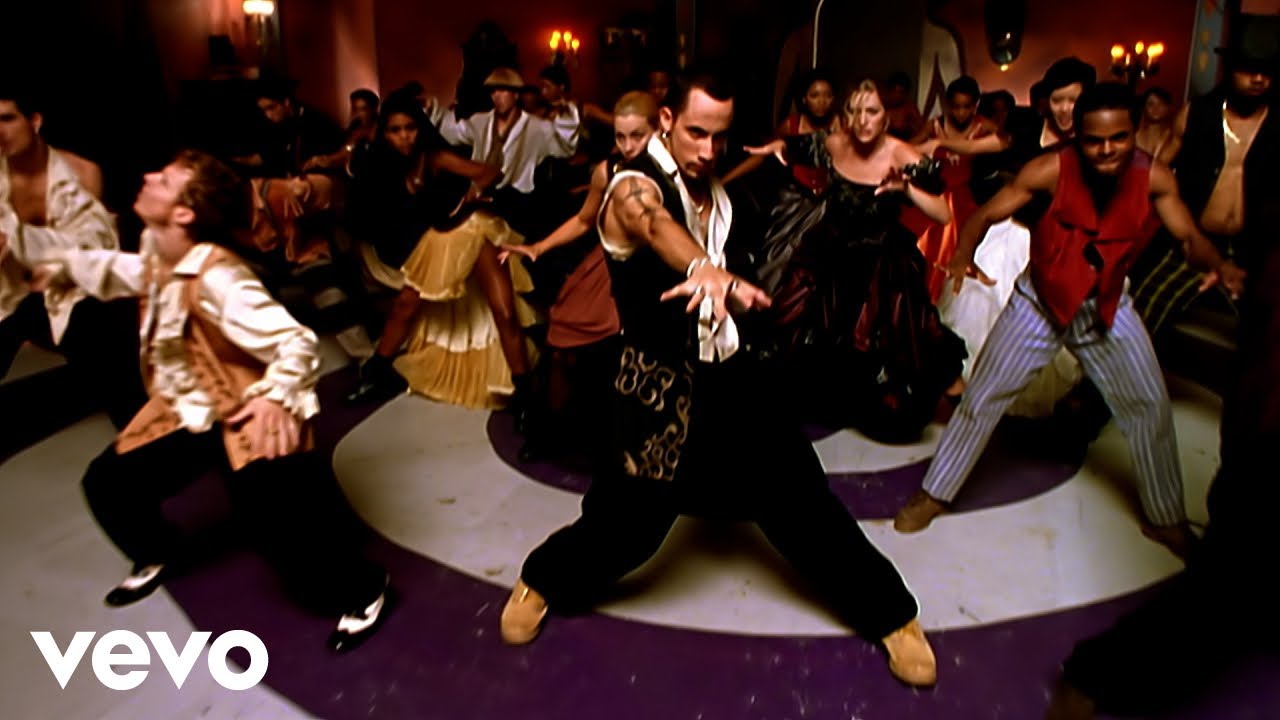
The song that announced the arrival with attitude—released July 1997, it became the MTV template for boy-band spectacle when director Joseph Kahn shot the legendary haunted-mansion video where each member transformed into a classic horror monster. The production cost a reported million dollars, the choreography was airtight, and the "Am I original? Yeah!" call-and-response became instantly quotable.
Written and produced by the Cheiron powerhouse of Denniz Pop and Max Martin, "Everybody (Backstreet's Back)" arrived in mid-1997 as the lead international single from the album of the same name. The track carried a defiant, almost confrontational energy—a departure from the ballads that had quietly preceded it, announcing not just that the Backstreet Boys had arrived, but that they understood exactly what they were selling. In the US market, Jive Records made an unusual call: president Barry Weiss initially resisted the title, reasoning that a song called "Backstreet's Back" seemed odd for a debut album in a country where the group had never been around to come "back" from. The band's logic prevailed—they were back home, in the global sense—and the song was included on the American self-titled debut alongside the international material.
The music video, directed by Joseph Kahn and filmed in June 1997, became one of the defining images of the MTV era. Shot in a sprawling haunted mansion, each member was transformed into a different movie monster: a werewolf, Dracula, a mummy, the Phantom of the Opera, and Jekyll and Mr. Hyde. The production was reported to have cost a million dollars, and every frame justified the expense—the visual spectacle was immense, the choreography was mechanically perfect, and the overall effect was simultaneously campy and utterly professional. The "Am I original? Yeah!" call-and-response hook provided a catchphrase that would echo through hallways and playgrounds for years.
In the US, the song received a proper commercial single release and climbed to number four on the Hot 100 in 1998, spending an impressive 22 weeks on the chart and earning platinum certification. It was a genuine chart hit, not just a radio mainstay, and it established the Backstreet Boys as more than a flash-in-the-pan phenomenon. The video remains one of the most iconic music videos of the MTV era—a high-water mark for the kind of large-budget, conceptually ambitious pop spectacle that defined the late 1990s.
Similar items
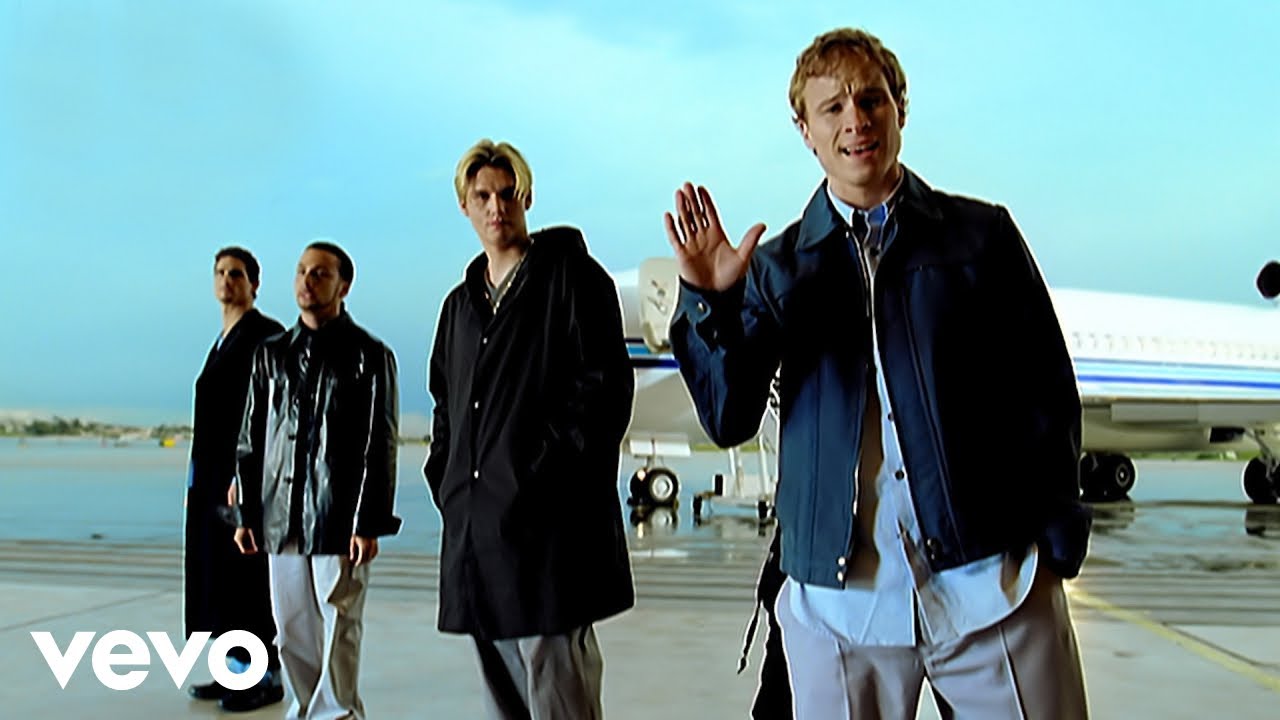
Backstreet Boys
Orlando's harmonizing five-piece formed the template for late-90s teen-pop dominance. The Backstreet Boys' matching choreography and Lou Pearlman's boy-band machinery made them a TRL staple, an arena-tour juggernaut, and the answer to every teen magazine's "Who's your favorite Backstreet Boy?" quiz.
Backstreet Boys — "I Want It That Way"
The boy-band anthem that became iconic despite its infamously nonsensical lyrics, which even Kevin Richardson admitted "really doesn't make much sense." Peaked at number six on the Hot 100 due to chart technicalities, but hit number one in over twenty-five countries and spent ten weeks atop the US Adult Contemporary chart—Rolling Stone later ranked it among the 500 greatest songs of all time.
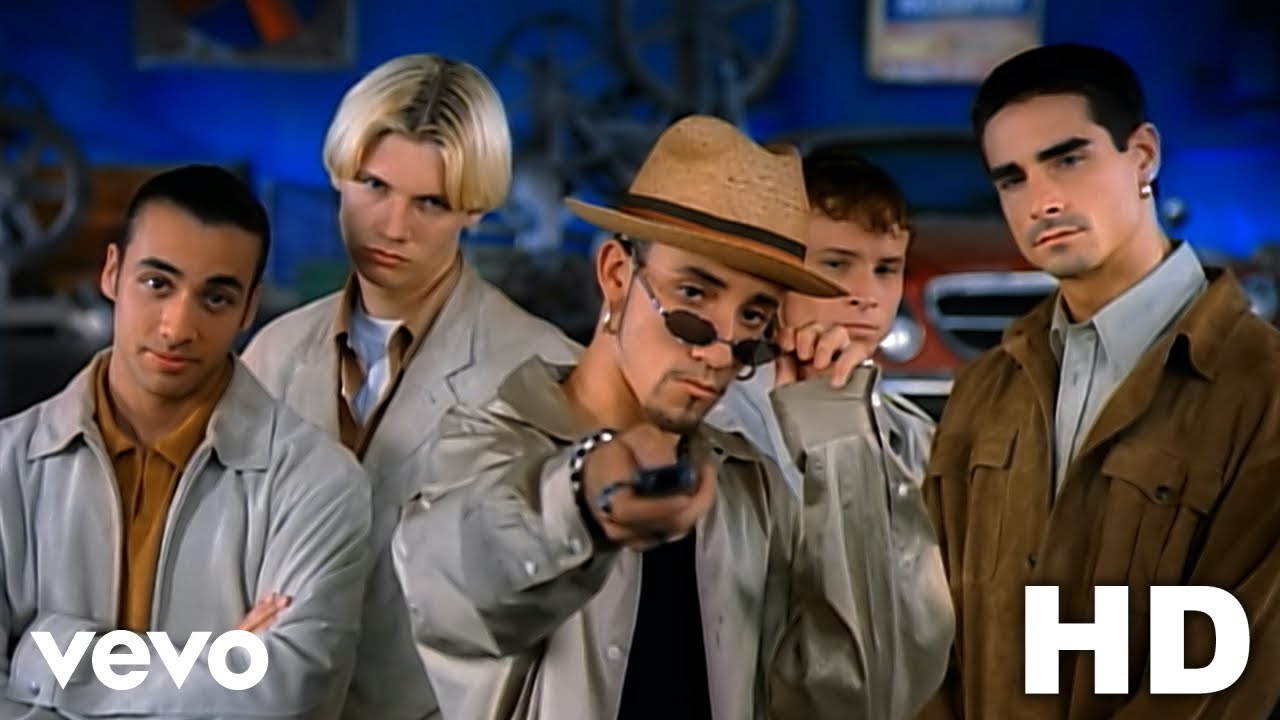
Backstreet Boys — "As Long as You Love Me"
The sweeping mid-tempo ballad that showcased the softer side of the BSB formula—all yearning strings and harmonies, shipped to radio without a physical single. Ineligible for the Hot 100 under 1990s chart rules, it still became a top-three hit across the world, and that folding-chair choreography in the music video became instantly iconic.

MTV
MTV's 1990s golden era transformed the channel from music-video jukebox into a cultural force, with Total Request Live (TRL), The Real World, Beavis and Butt-Head, MTV Unplugged, and a rotation of music videos that defined the decade's soundtrack. Music Television delivered exactly what it promised: a place where youth culture, music, and rebellion converged on cable.