Bunnicula
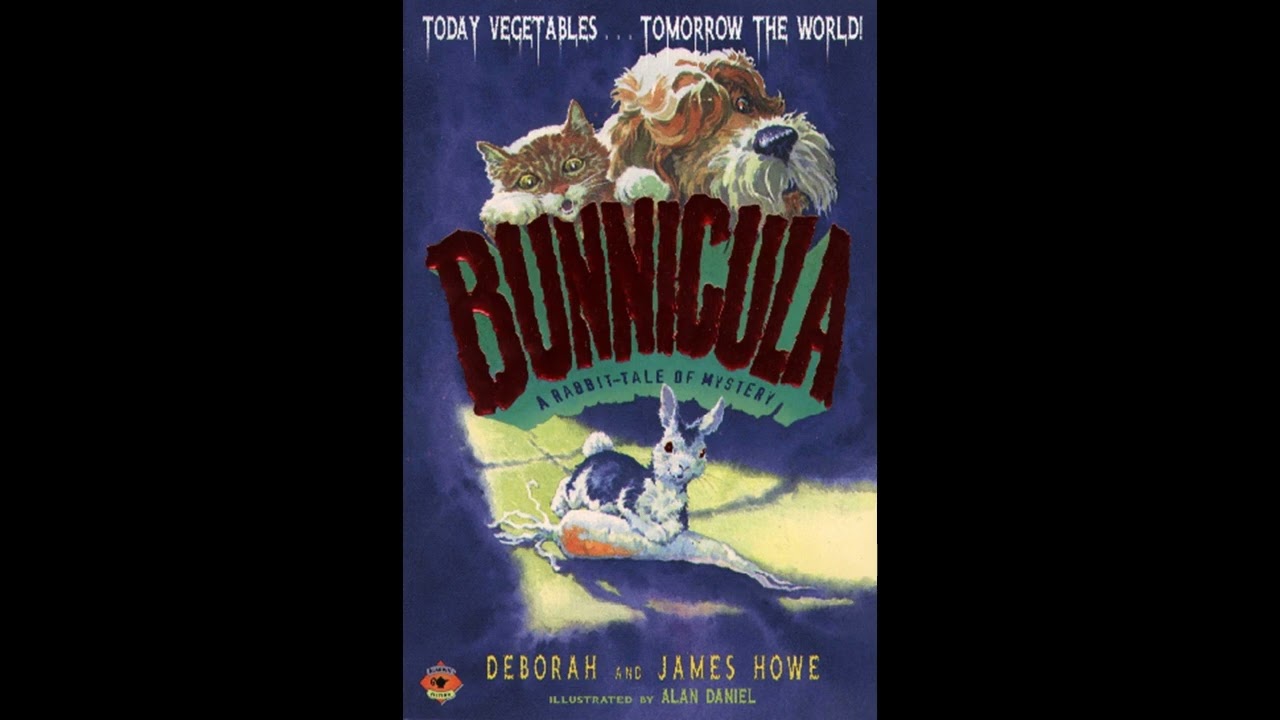
The family dog and cat are convinced the new rabbit is a vampire — one that drains the juice out of vegetables rather than blood. A 1979 chapter book, narrated by the dog, that outlived its own decade and kept turning up in classrooms long after.
James and Deborah Howe's Bunnicula: A Rabbit-Tale of Mystery was published in April 1979 by Atheneum, illustrated by Alan Daniel. The story is narrated by Harold, the family dog, as he and Chester the cat investigate whether the Monroe family's new rabbit might be a vampire that drains juice from vegetables. The vampire rabbit was James Howe's invention; by his own account, it was Deborah's mother who said the character belonged in a children's book. The couple wrote it together. Deborah died in June 1978, before the first book was printed, and never saw it published. James wrote every sequel alone — Howliday Inn in 1982, The Celery Stalks at Midnight in 1983, and on.
Its hold on classrooms shows up in the kind of awards it won — not industry prizes but the ones schoolchildren vote on themselves: Vermont's Dorothy Canfield Fisher Award in 1981, Hawaii's Nene Award in 1983. Teachers later placed it among their top hundred books for children in a 2007 poll.
That is really why a book from 1979 is filed here. James Howe kept the series running all the way to 2006, seven novels in all, which meant that a kid in 1994 could find new Bunnicula books arriving on the shelf next to a first one already old enough to have been read by their teacher. It never had a moment; it had tenure. The vampire rabbit was a permanent fixture of the school library — the sort of book you didn't discover so much as inherit.
An animated special, Bunnicula, the Vampire Rabbit, aired on ABC in January 1982 as part of the ABC Weekend Special, produced by Ruby-Spears. Decades later, a 2016 Cartoon Network series loosely adapted the books with the vampire rabbit drinking carrot juice.
Similar items
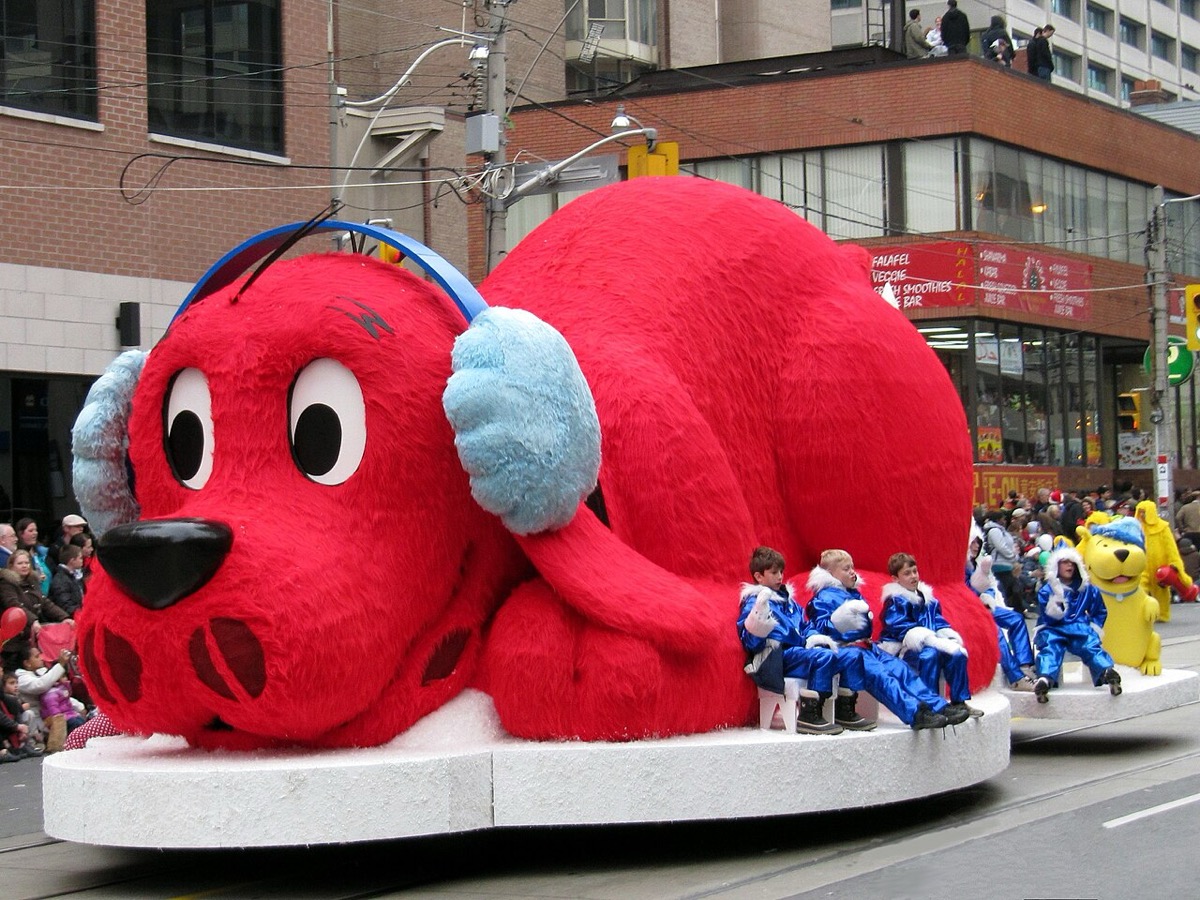
Clifford the Big Red Dog
Norman Bridwell's enormous red dog and Emily Elizabeth, the girl who loved him — a 1963 picture book that Scholastic never stopped handing to schoolchildren, and whose star became the company's official mascot. He was very nearly named Tiny.

Goosebumps
R.L. Stine's mass-produced horror series for kids, where every book's drippy cover could stop your heart in the school library. Goosebumps sold roughly 4 million copies a month at its mid-90s peak and by 1996 accounted for nearly 15% of Scholastic's entire revenue.

The Boxcar Children
Four orphaned Alden siblings turn an abandoned boxcar in the woods into a home — and when their kindly grandfather finds them, he just moves the boxcar to his backyard. Gertrude Chandler Warner's 1924 classic became a 90s classroom juggernaut after ghostwriters revived the series in 1991, on the way to more than 160 titles.

Horrible Harry
Harry loves horrible things — slime, snakes, gross schemes — and his loyal best friend Doug narrates the chaos from Miss Mackle's class in Room 2B. Suzy Kline's chapter books were Scholastic order-form gold, and if you remember it as Room 3B, you're not wrong: the class moves up to third grade in the later books.