Athlete Address Books

Paperback directories of celebrity and athlete fan-mail addresses — PO boxes, team offices, agent contacts — that made the rounds through school book clubs and mall bookstores, fueling the ritual of writing letter after hopeful letter in the quest for an autograph.
In the early 1990s a very specific genre of paperback emerged: books packed with nothing but addresses. They appeared in school book clubs and mall bookstores — directories of actors, musicians, athletes, and public figures, each listed with a mailing address, usually a management office, a team facility, or a PO box. The best-documented of them, Michael Levine's The Kid's Address Book (first published in 1992), packed in more than 2,000 addresses and was updated through multiple editions across the decade; sports-specific versions circulated the same way, aimed at kids who dreamed of a signed photo from their hero.
The ritual itself was the whole point. You picked your target — Michael Jordan, or whoever was hot that year — sat down with pen and paper, explained why they mattered to you, included the crucial self-addressed stamped envelope, and sent it off. Then you waited: weeks, sometimes months, the mailbox suddenly a source of suspense. And sometimes something actually came back. It might be a preprinted photo, a stamped signature, or an assistant's autograph — and once in a while, something that looked genuinely handwritten. It almost didn't matter which. Sending the letter and getting anything back felt like direct contact, like your hero had seen your name for a moment.
The slow lesson, of course, was that most replies were form letters run through a mailroom. But by then you'd already moved on to the next address and the next hope. The books themselves are mostly gone now — passed between friends, lost in basements, discarded once the internet made them obsolete. What lingers is the ritual they enabled: a kid writing to someone they admired and waiting by the mailbox, in the last era when that was how you reached the famous.
Similar items

Scholastic Book Club Order Forms
The monthly newsprint order form that landed on your desk — a tabloid catalog of paperbacks you circled with a stubby pencil, then begged your parents to fund. Ordering meant handing your teacher the torn-off form and some crumpled bills; the payoff was delivery day, when a stack of new books arrived with your name on it.

Michael Jordan
The Bulls dynasty alpha who made basketball bigger than basketball itself. Six NBA championships in two three-peats, a Gatorade slogan that became a religion, a baseball detour ended by a two-word press release, and Air Jordans that outlasted his career by decades.

The Boxcar Children
Four orphaned Alden siblings turn an abandoned boxcar in the woods into a home — and when their kindly grandfather finds them, he just moves the boxcar to his backyard. Gertrude Chandler Warner's 1924 classic became a 90s classroom juggernaut after ghostwriters revived the series in 1991, on the way to more than 160 titles.
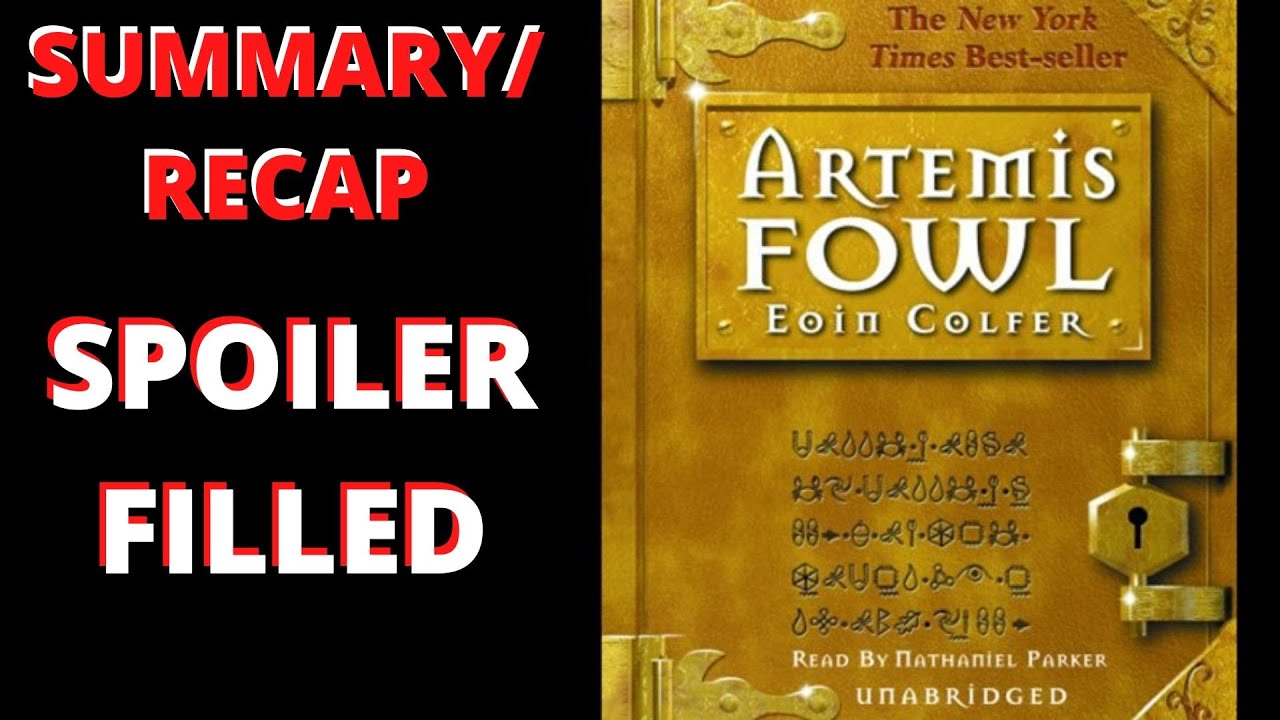
Artemis Fowl
A twelve-year-old criminal mastermind kidnaps a fairy cop and holds her for a ransom of fairy gold. Eoin Colfer's "Die Hard with fairies" gave 2000s bookworms their favorite villain-protagonist — and the coolest cover in the book fair.