The Boxcar Children

Four orphaned Alden siblings turn an abandoned boxcar in the woods into a home — and when their kindly grandfather finds them, he just moves the boxcar to his backyard. Gertrude Chandler Warner's 1924 classic became a 90s classroom juggernaut after ghostwriters revived the series in 1991, on the way to more than 160 titles.
Gertrude Chandler Warner was a real first-grade teacher. In 1924 she published "The Box-Car Children" with Rand McNally — the story of four orphaned siblings, Henry, Jessie, Violet and Benny Alden, who make a home in an abandoned boxcar in the woods, then are reunited with their kind grandfather, who moves the boxcar to his backyard as a playhouse. The premise was quietly radical: kids living resourcefully on their own, independence and belonging both intact. Warner wrote 19 of the books herself before her death on August 30, 1979.
Albert Whitman & Company's shorter revised 1942 edition became the classic every school shelf carried — the version most 90s kids actually read. The series went dormant after Warner's death; then in 1991 Albert Whitman revived it with ghostwriters, starting with "The Haunted Cabin Mystery" under the byline "Created by Gertrude Chandler Warner." The 1990s became the boom decade: releases accelerated, a "Specials" spin-off line launched in 1993, and the mysteries kept accumulating on book-fair tables and Scholastic order forms. By 2021 the series counted 159 mysteries plus 21 specials — over 160 titles — and Random House acquired the publishing rights from Albert Whitman in May 2023.
Later adaptations included a 2014 animated film with Martin Sheen voicing Grandfather Alden and a 2018 sequel, "Surprise Island." But the real memory is the 90s classroom shelf: rows of numbered spines, and that first book's fantasy of cooking stew in the woods on your own terms.
Similar items

Scholastic Book Club Order Forms
The monthly newsprint order form that landed on your desk — a tabloid catalog of paperbacks you circled with a stubby pencil, then begged your parents to fund. Ordering meant handing your teacher the torn-off form and some crumpled bills; the payoff was delivery day, when a stack of new books arrived with your name on it.

Horrible Harry
Harry loves horrible things — slime, snakes, gross schemes — and his loyal best friend Doug narrates the chaos from Miss Mackle's class in Room 2B. Suzy Kline's chapter books were Scholastic order-form gold, and if you remember it as Room 3B, you're not wrong: the class moves up to third grade in the later books.
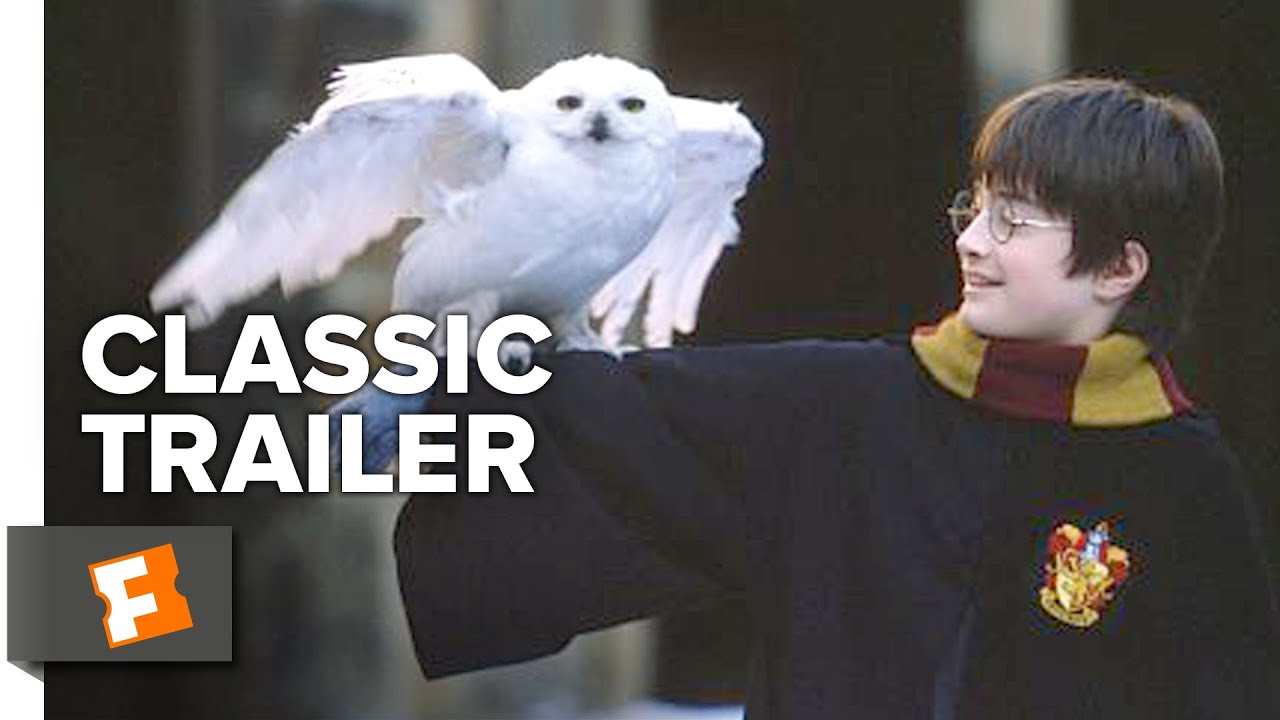
Harry Potter
J.K. Rowling's magical phenomenon launched June 1997 in the UK as Harry Potter and the Philosopher's Stone (Sorcerer's Stone in the US). Three books released before the decade ended; by 1999 the series topped global bestseller lists and sparked a franchise that never stopped—within a year, midnight release parties were a cultural tradition.

Junie B. Jones
That Junie B. Jones is a kindergartner with a MOUTH on her, and that's why everybody loved her books. Barbara Park's first-person tornado narrated school exactly the way kids actually talk — bad grammar and all — which made her a 55-million-copy juggernaut AND a banned-books-list regular.