Mad Libs
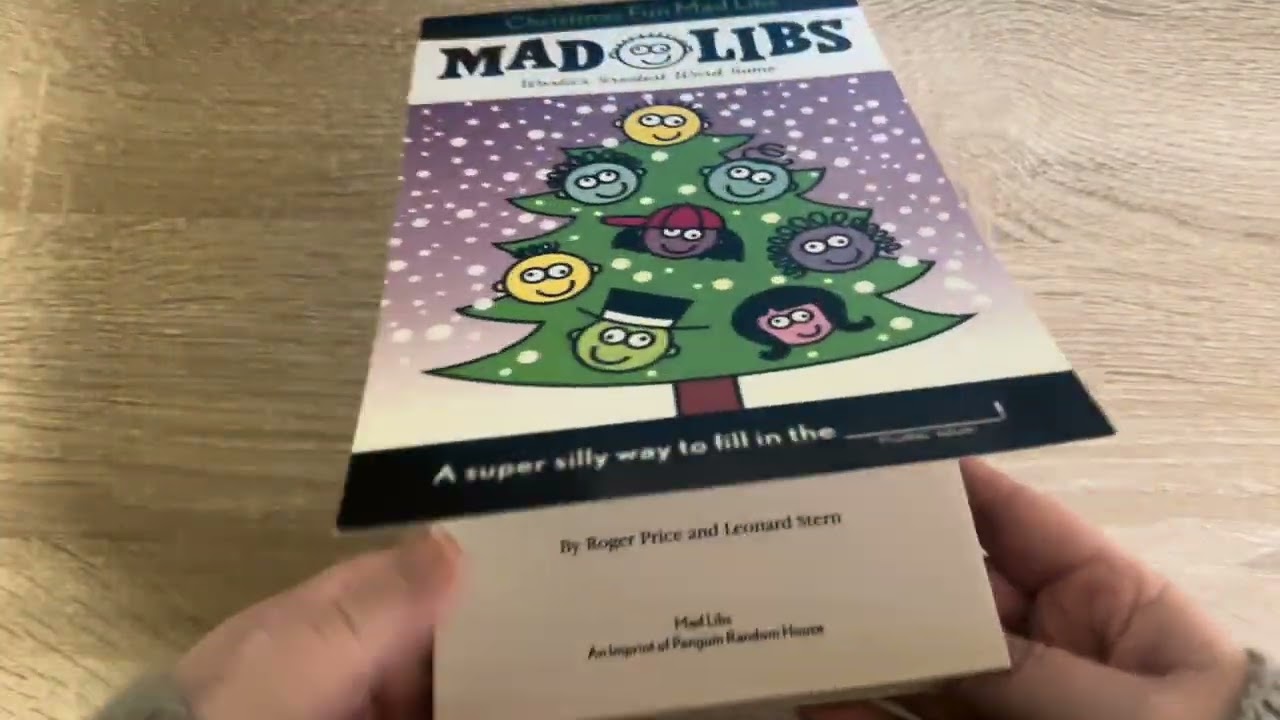
The fill-in-the-blank word game in book form: someone asks for "a noun… a plural noun… an adjective," you shout out words with no idea of the story, and then they read back something gloriously absurd. A road-trip, sleepover, and rainy-day-classroom staple for generations.
Mad Libs was invented in 1953 by TV writers Leonard Stern and Roger Price, but they spent five years unable to agree on a name. The answer came in 1958, when they overheard someone at a New York restaurant say they wanted to "ad-lib" an interview and another person called the idea "mad" — Mad Libs. The first book was published that year.
The concept was simple and durable: one player prompts the others for words by part of speech — noun, plural noun, adjective, verb ending in "-ing" — without revealing the story, then fills the blanks and reads the nonsensical result aloud. Stern, then writing for The Steve Allen Show, gave the game its first big break on the air; after an episode filled in the blank with "our guest, Bob Hope," bookstores sold out.
Stern, Price, and Larry Sloan founded the publisher Price Stern Sloan largely to put out Mad Libs and books like it. The little paperbacks became a fixture of American childhood — glove compartments, bus rides, substitute-teacher afternoons — and have sold more than 110 million copies, with "Mad Libs" itself becoming a genericized term for any fill-in-the-blank exercise. Now published under Penguin Random House, the books are still in print, still funniest when someone picks "underpants."
Similar items
Stories With Holes
Nathan Levy's beloved series of slim classroom books that turned mysteries into lateral-thinking puzzles. A teacher reads a weird scenario; you ask only yes-or-no questions to fill in the missing pieces. It was the rainy-day recess, gifted-program, and substitute-teacher lesson staple that made every kid feel like a detective.

Brain Quest
The fat fanned deck of question-and-answer cards, graded by school grade, that quizzed you on math, science, English, and history. The gifted-kid flex, the backseat road-trip time-killer, and the thing a teacher pulled out to make learning feel like a game.
Paper Fortune Tellers
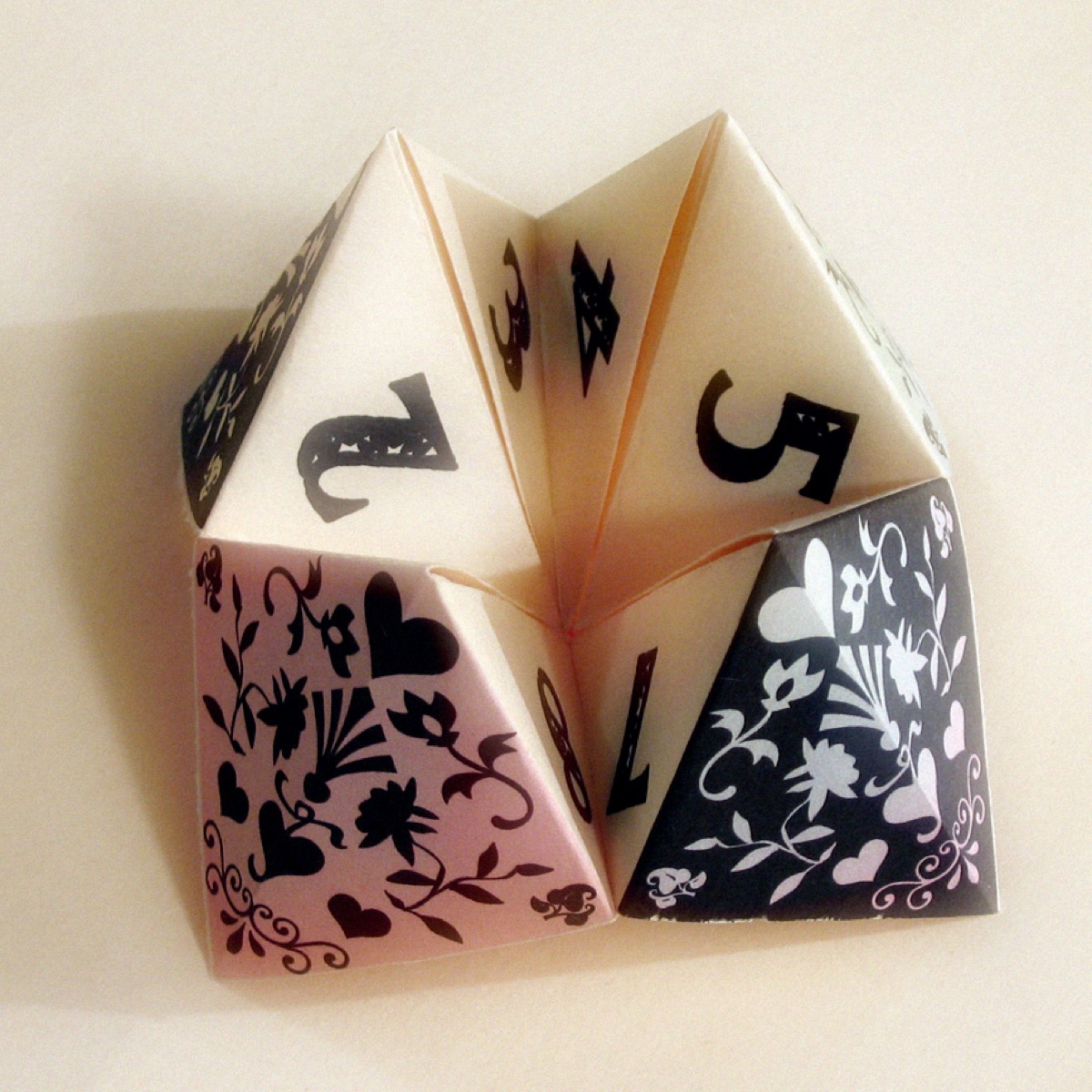
The folded-paper contraption you worked with your fingers to tell someone their future. Pick a color, pick a number, and under the last flap was your fate — who you'd marry, or something rude your friend had written. The classroom fortune-teller you could make out of a single square of notebook paper.

Diary of a Wimpy Kid
Middle-schooler Greg Heffley's hand-lettered diary, drawn in stick figures, became the book that made reluctant readers into readers. Every school library's most dog-eared spine.