Harry Potter

J.K. Rowling's magical phenomenon launched June 1997 in the UK as Harry Potter and the Philosopher's Stone (Sorcerer's Stone in the US). Three books released before the decade ended; by 1999 the series topped global bestseller lists and sparked a franchise that never stopped—within a year, midnight release parties were a cultural tradition.
J.K. Rowling penned Harry Potter and the Philosopher's Stone as a single mother in Edinburgh cafés, surviving rejection from a dozen publishers before Bloomsbury took a chance on it in 1996. The UK edition launched on June 26, 1997, followed by the US edition as Sorcerer's Stone in September 1998 from Scholastic (the American publisher who would dominate Harry Potter's US presence). Chamber of Secrets arrived in 1998, Prisoner of Azkaban in 1999—three books published within the 90s decade, establishing the series' annual release rhythm and phenomenon status.
The cultural impact arrived before any film adaptation. Midnight release parties became a ritual with 2000's Goblet of Fire—the first book released simultaneously in the UK and US; fans camped outside bookstores in wizard robes and homemade wands. The books topped bestseller lists in multiple countries simultaneously, a feat previously unthinkable for children's literature. Scholastic's distribution and aggressive school-library placement cemented Harry Potter as a generational reading experience, particularly in American K-12 schools—the literal gateway to reading for millions of 90s kids. The four later books and the film franchise (2001+) extended the phenomenon far beyond the decade, but the 90s were when the magic first took hold: when nobody knew it would become a global empire, when each book drop felt miraculous, and when kids actually waited for new chapters instead of binging them all at once.
Similar items

Goosebumps
R.L. Stine's mass-produced horror series for kids, where every book's drippy cover could stop your heart in the school library. Goosebumps sold roughly 4 million copies a month at its mid-90s peak and by 1996 accounted for nearly 15% of Scholastic's entire revenue.

Scholastic Book Fairs
The ritual: your school gym transforms overnight into a pop-up bookstore of rolling display cases, and you wander the aisles with a wish list and a budget. Scholastic Book Fairs dominated the 90s market, though what kids actually bought — glittery gel pens, novelty pencils, poster books — often had nothing to do with the Goosebumps stacks they wandered past.
Bertie Bott's Every Flavour Beans
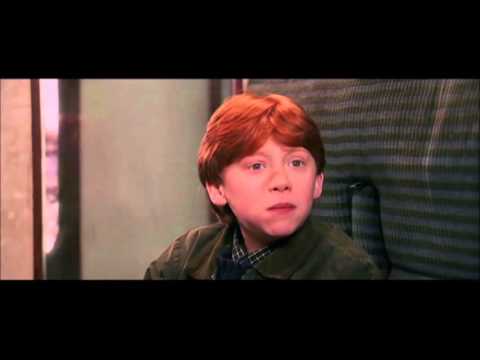
Jelly beans that might be blueberry — or might be Vomit. Jelly Belly made the Harry Potter books' candy gamble real, gruesome flavors and all, and turned every playground into a dare arena: take one blind, make the face, sprint to the trash can.
FanFiction.net
Before AO3, before Wattpad, there was FanFiction.net: the site where every fandom on Earth kept its stories. Disclaimer at the top, "R&R please!" at the bottom, and somewhere in the middle, a fourteen-year-old quietly becoming a writer.